Table of Contents
Sri Lanka punches well above its weight when it comes to wildlife. This small island is home to the highest leopard density in the world, the largest gathering of Asian elephants on the continent, sloth bears found in very few places globally, and hundreds of bird species — all within a country you can cross by car in half a day. A safari in Sri Lanka isn't quite the same as an African safari, but for sheer variety and accessibility, it comes surprisingly close.
The challenge isn't finding a national park — Sri Lanka officially has 26 of them. The challenge is knowing which ones are actually worth your time, which parks to combine, what wildlife you can realistically expect to see, and when to go. We visited three national parks during our Sri Lanka trip: Udawalawe, Minneriya, and Wilpattu. Each one offered a completely different experience. In this guide we cover the parks genuinely worth considering for a safari, share what we saw and experienced ourselves, and give you an honest framework for planning your visit.
In a Rush?
These are my Favourite Safari Tours in Sri Lanka
⭐️⭐️⭐️ Full-Day Private Safari in Wilpattu – Check prices and availability
⭐️⭐️ Full-Day Safari in Yala National Park – Check prices and availability
⭐️ Half-Day Safari + Elephant Transit Home in Udawalawe – Check prices and availability
Safari in Sri Lanka at a Glance
Choosing a national park for your safari isn't just about which animals you want to see — it's also about where you are in your itinerary, how much time you have, and what kind of experience you're after. Here's a quick comparison to help you orient:
| National Park | Best for | Leopard chance | Elephant chance | Crowd level | Best season |
|---|---|---|---|---|---|
| Yala | All-round wildlife, leopards | Medium (50%+) | High | High | Feb–June |
| Wilpattu | Leopards, raw wilderness | High (50%+) | Medium | Low | Oct–Feb |
| Udawalawe | Guaranteed elephants | Very low | Near 100% | Medium | Year-round |
| Minneriya / Kaudulla | The Gathering (elephants) | Very low | Near 100% (in season) | High in season | June–Oct |
| Bundala | Bird watching | None | Low | Very low | Nov–Mar |
| Kumana | Quiet alternative to Yala | Medium | Medium | Very low | May–Sep |
| Gal Oya | Boat safari, swimming elephants | Low | Medium | Very low | Mar–Jul |
| Wasgamuwa | Untouched elephant herds, cultural triangle route | Very low | High | Very low | Nov–May |
Our honest recommendation: Visit two parks maximum on a standard 2-week Sri Lanka trip. Three parks starts to feel repetitive unless you have a very specific wildlife goal. Choose one “big wildlife” park (Yala, Wilpattu, or Kumana for leopards) and one “elephant focus” park (Udawalawe or Minneriya), or go to Gal Oya if you want something genuinely off the beaten path.
What to Expect from a Safari in Sri Lanka
Before diving into the individual parks, it's worth calibrating your expectations — because a safari in Sri Lanka is a genuinely wonderful experience, but it's not a zoo.
Wildlife is not guaranteed. Even in Yala, which has the highest leopard density in the world, most guides estimate the leopard sighting chance at around 50% on a full-day trip. That number drops sharply on a short half-day tour, where you also get stuck on the busy main roads near the entrance. If you go on a 3-hour budget safari and see no leopard, the park hasn't let you down — the format has.
Time of day matters enormously. Animals are most active in the early morning and late afternoon, when it's cooler. Midday is when most animals disappear into shade. An early-morning start (6–7am) or an afternoon departure (3pm+) will always give you better sightings than a midday safari.
Jeep sharing is common and usually fine. You can join a shared jeep to reduce costs, but in popular parks like Yala or Minneriya, this means you're one of many jeeps chasing the same animals. A private jeep gives you more flexibility — your guide can linger when something interesting appears rather than being pressured by other passengers.
Full-day vs half-day. For Yala and Wilpattu, always choose a full-day safari if you can. The deeper sections of these parks — where the animals actually are, away from the chaotic entrance zones — take an hour to reach. A half-day tour rarely gets you there.
The 7 National Parks: An Honest Guide
1. Wilpattu National Park — The Best Overall Safari Experience
Sri Lanka's largest and wildest park — currently the top spot in the country for leopard sightings, with far fewer jeeps than Yala. Best for: travellers who want raw, uncrowded wilderness and a genuine chance of seeing a leopard. Not ideal for: visitors looking for the most convenient option — Wilpattu is in the northwest and requires a detour from most standard routes.
Wilpattu is Sri Lanka's largest national park and, in our view, its best safari destination. It's not the most famous — that's Yala — but for travellers who want wild, untouched nature with far fewer jeeps, Wilpattu delivers in a way that no other park in the country can match.
The park is characterised by its distinctive “villus” — natural lakes filled by rainfall — surrounded by dense jungle and open scrubland. The landscape has an ancient, primordial quality to it. And because the area was closed for 15 years due to civil conflict (reopening in 2003), it developed in near-complete isolation from tourism pressure. That history is still visible: fewer roads, fewer facilities, and meaningfully fewer jeeps.
Since around 2023, Wilpattu has been considered Sri Lanka's top spot for leopard sightings, with guides reporting a 50%+ chance on a full-day trip. The park is also one of the few places in the world where you can see the sloth bear — elusive and shy, but present in real numbers here. Elephants, crocodiles, water buffalo, deer, and an extraordinary range of birds round out what is the most diverse wildlife lineup of any park in the country.
What we experienced ourselves:
We did a full-day private safari in Wilpattu, guided by the team at Thamaravila Wilpattu. For most of the day the park felt genuinely wild — at one point we went almost an hour without seeing another jeep. Near a small lake where leopards had been spotted in the days before, the deer nearby suddenly became nervous and alert. Then it happened: a leopard appeared from the bush and launched into a chase, pursuing a large male deer across the scrubland. The deer escaped — but we had just witnessed an actual leopard hunt. By the time we had settled in to watch, around 8 to 10 other jeeps had gathered at the same spot — but that's still nothing compared to the scenes at Yala, where dozens of jeeps pile up the moment a leopard is reported. Unscripted, completely wild, and still remarkably intimate for a public national park.
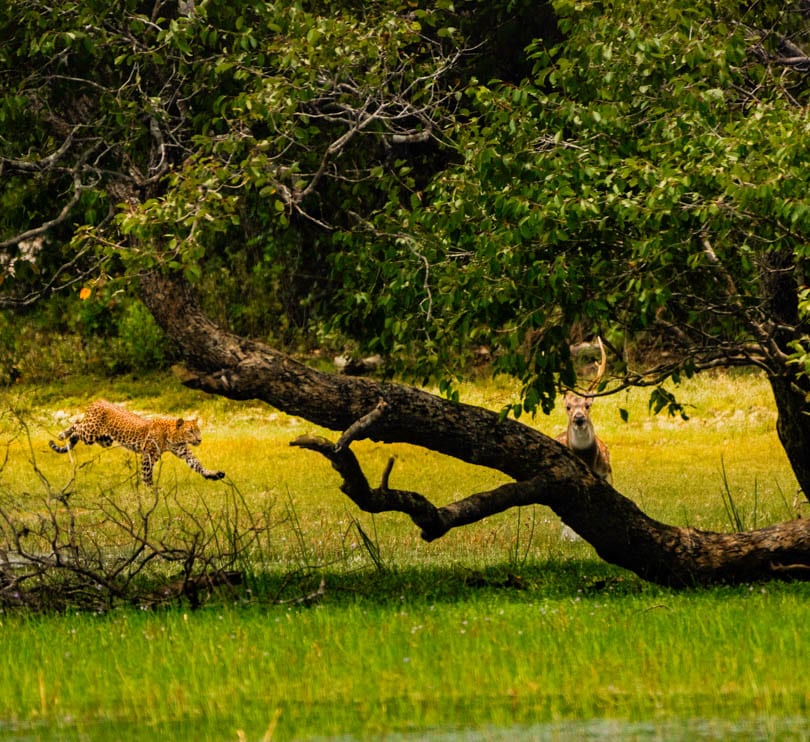
We didn't see the sloth bear — it was elusive that day. But that didn't diminish the experience at all. That's Wilpattu.
Trade-offs to consider:
- Further from most itinerary routes than Yala (nearest major town is Anuradhapura, 40km away)
- Lower elephant density than Udawalawe or Minneriya
- Fewer accommodation options near the park than in the Yala area
Book your Wilpattu safari: Half/full day private safari in Wilpattu
For more detail on the park, we have a full guide: you can read everything about Wilpattu National Park on our dedicated page.
2. Yala National Park — The Famous One (For Good Reason)
The most visited park in the country — best infrastructure, highest wildlife diversity, and a meaningful leopard chance if you do it properly. Best for: travellers who want an all-round safari experience with good logistics and a wide range of species. Not ideal for: short or budget tours in peak season — the entrance roads get congested and sightings often disappoint.
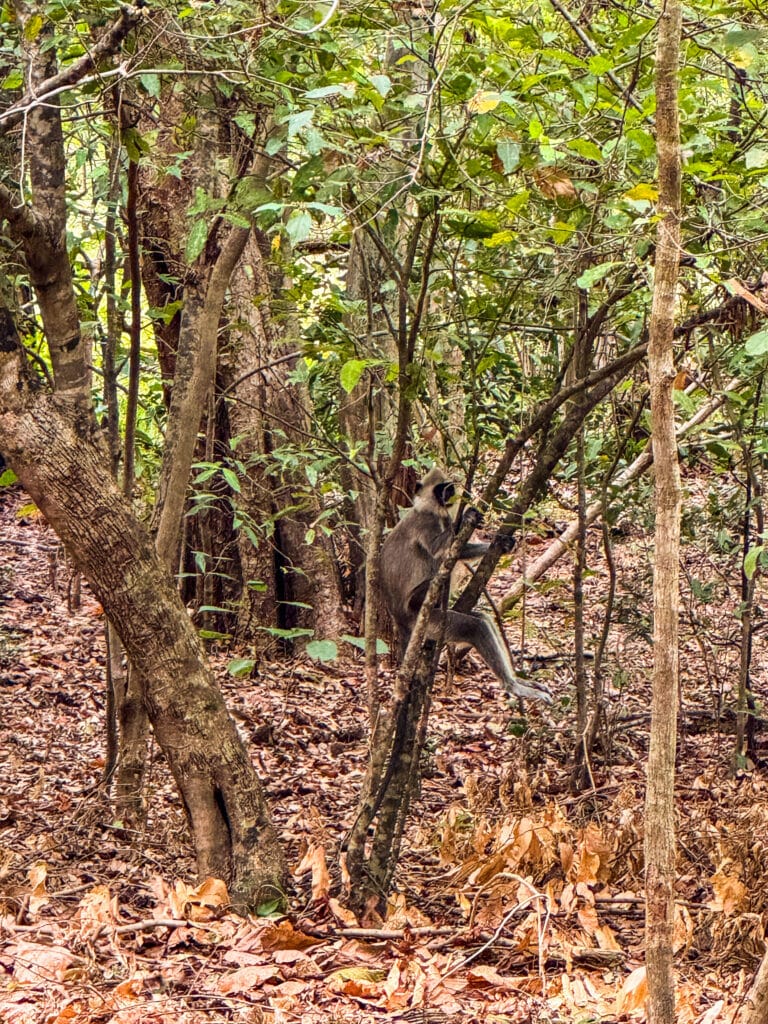
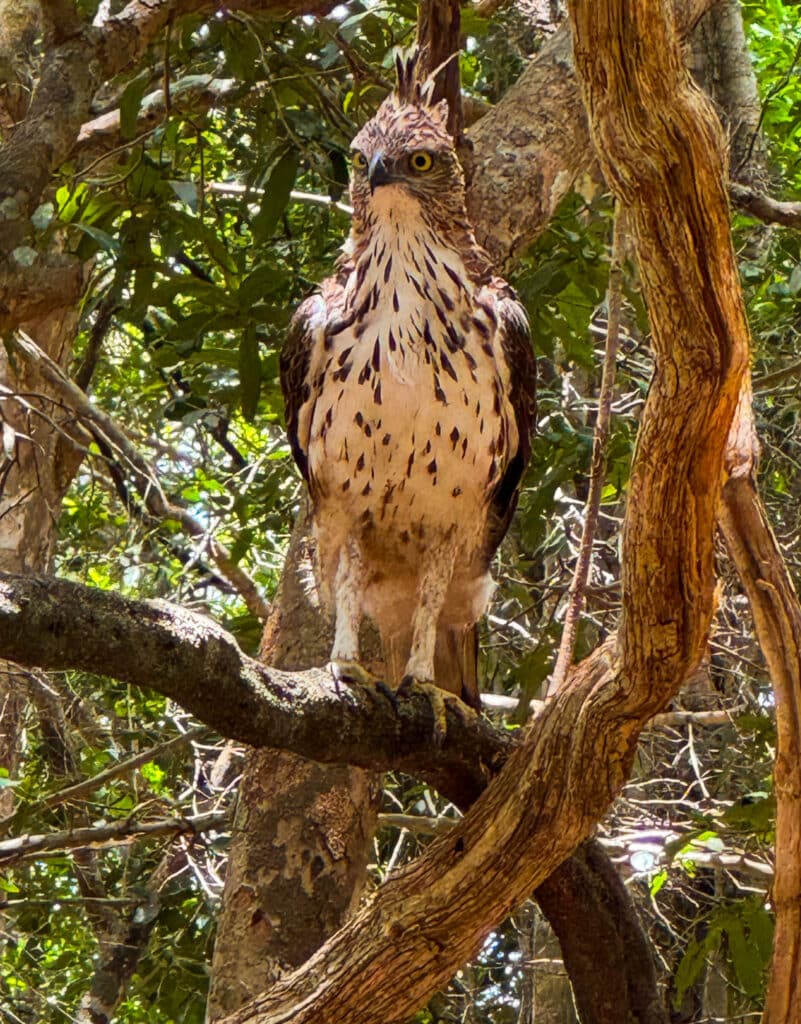
Yala is where most visitors to Sri Lanka go on safari, and there are good reasons for that. It's the second-largest national park in the country, divided into five blocks (two open to the public), and it offers one of the most diverse wildlife environments in Asia. Elephants, crocodiles, water buffalo, peacocks, mongooses, and dozens of bird species are all regularly spotted. And of course, the leopard — for which Yala was long famous as the global density leader.
That last point deserves nuance. Since around 2023, Wilpattu has eclipsed Yala for reliable leopard sightings. Yala still has a significant leopard population, and with an experienced guide on a full-day trip into the deeper blocks of the park, your chances remain meaningful. But the era of Yala as the easy, almost-guaranteed leopard destination is over. What Yala still does extremely well is offer a complete wildlife safari experience with excellent infrastructure, well-trained guides, and a range of accommodation right at the park's edge.
The main challenge in Yala is crowds. In peak season — and especially at the entrance to Block 1 — you can find yourself in a convoy of dozens of jeeps, all chasing the same animal. This is the Yala experience that generates negative reviews. The solution is straightforward: book a full-day safari, ask your guide explicitly to avoid the main roads near the entrance, and stay somewhere within the park buffer zone where guides go out daily and build real tracking knowledge.
Trade-offs to consider:
- High jeep density in the main sections, especially in peak season (Nov–March)
- Short safaris on budget tours often see only common animals near the entrance
- Best lodges are expensive; staying further away reduces your experience significantly
Book your Yala safari:
Full-Day Safari in Yala National Park
Or if your schedule only allows a morning or evening: Morning Safari Yala | Evening Safari Yala
3. Udawalawe National Park — The Elephant Guarantee
Open grasslands and near-certain elephant sightings year-round — the most reliable park in Sri Lanka for seeing wild elephants up close. Best for: anyone who wants a near-guaranteed elephant experience in a relaxed, accessible setting. Not ideal for: visitors hoping to see leopards or a wide variety of big mammals.
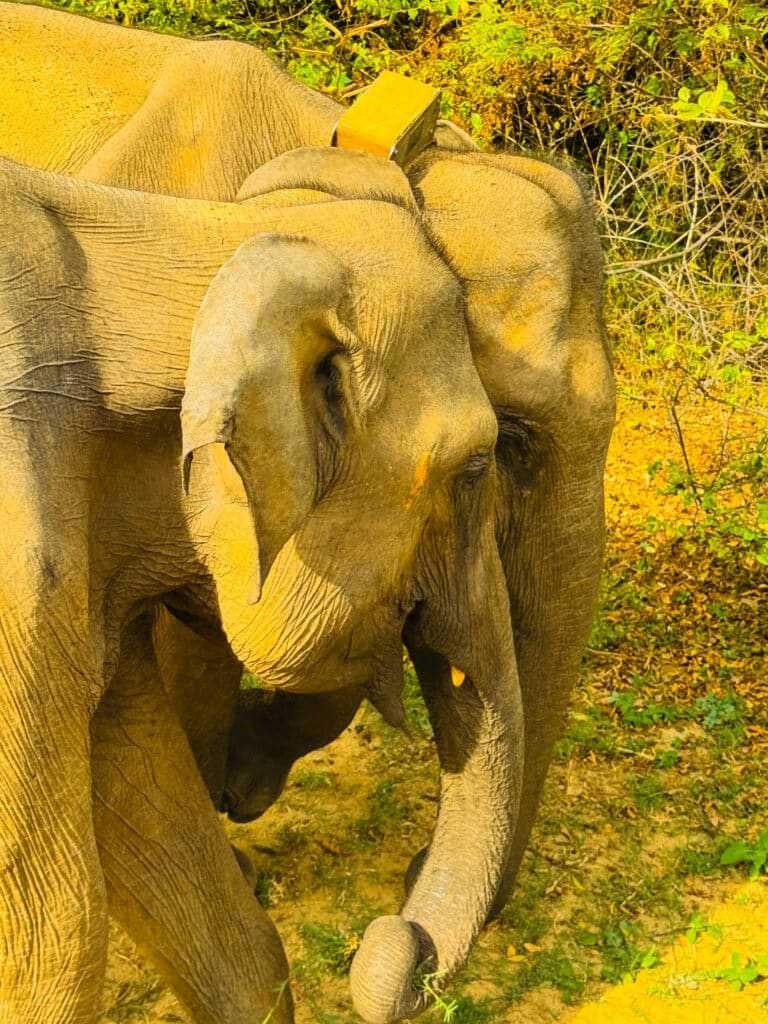
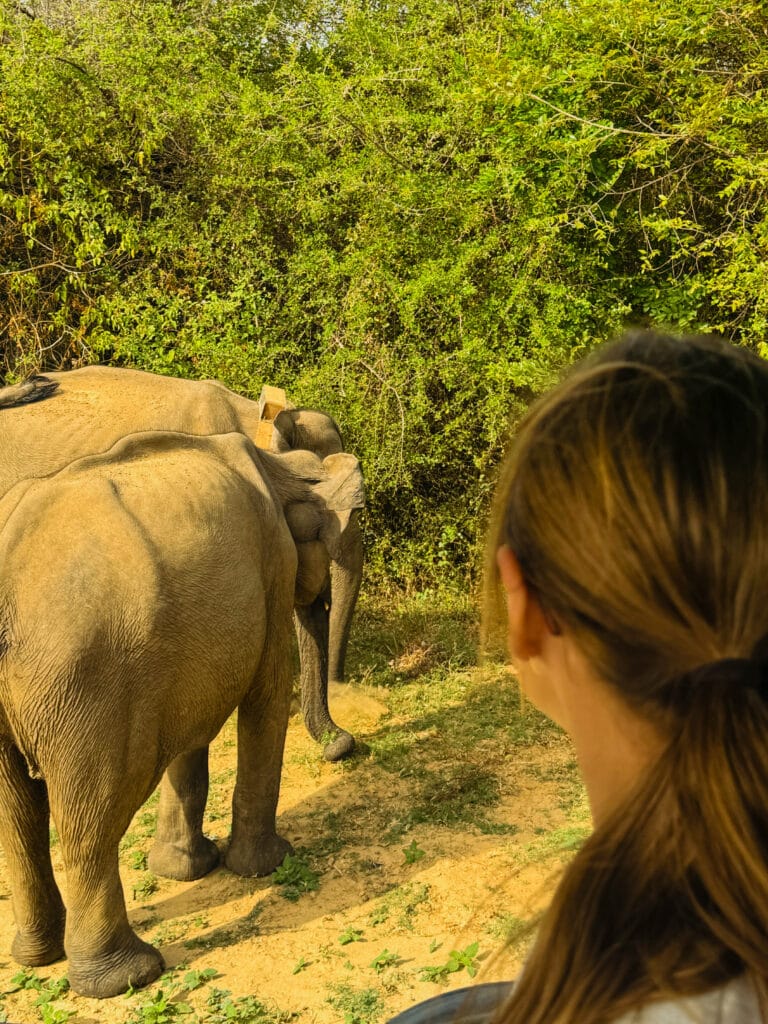
If elephants are the main reason you want a safari in Sri Lanka, Udawalawe is your park. The open grasslands around the Udawalawe reservoir create perfect elephant-watching conditions — unlike the dense jungle of Wilpattu or the scrubland of Yala, here you can actually see the animals clearly from a distance. The chance of seeing elephants on any given morning is estimated at 95%+ year-round, rising to near 100% between December and April when elephants congregate near the water.
Udawalawe is also home to the Elephant Transit Home (ETH) nearby — a programme that rescues orphaned elephants and rehabilitates them for life in the wild, with minimal human contact by design. It's a genuinely responsible initiative and worth combining with your safari as a half-day visit.
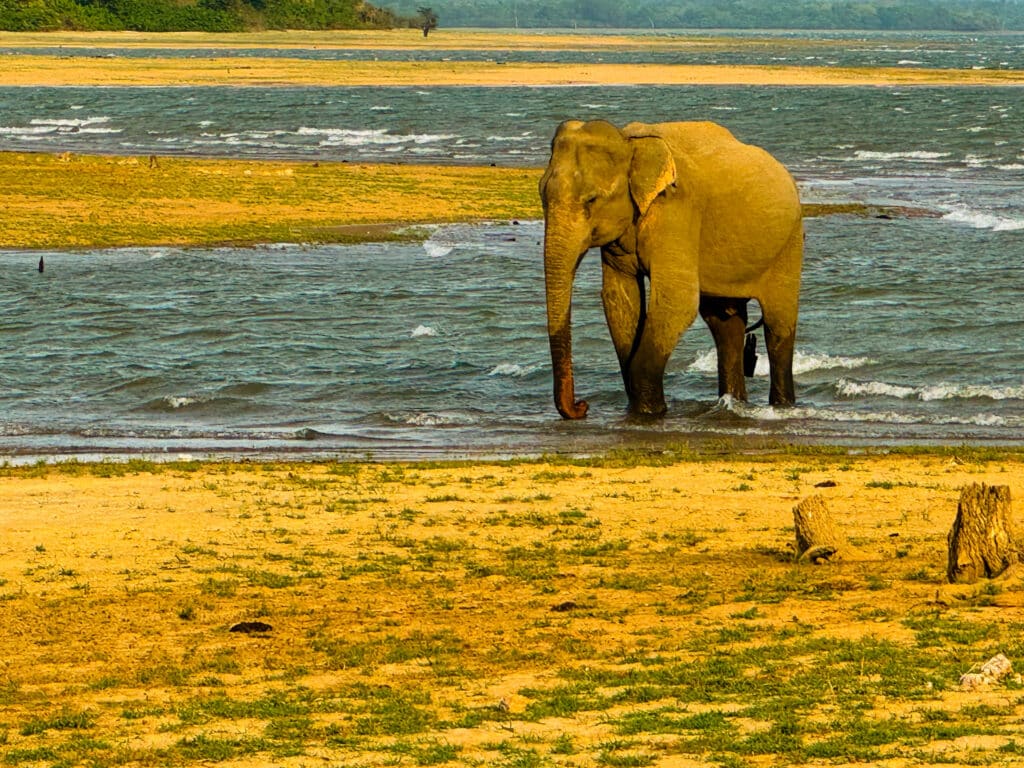
We visited Udawalawe during our trip with the family. We were up at 5am — technically we overslept slightly and rushed to catch our jeep — and within the first hour had seen multiple elephant groups. One large tusker crossed directly in front of the jeep, close enough to feel his weight on the ground. We also spotted around ten crocodiles including babies on a sandbank, mongoose, kingfisher, large herds of water buffalo, peacocks, and deer. It was a genuinely rewarding morning.
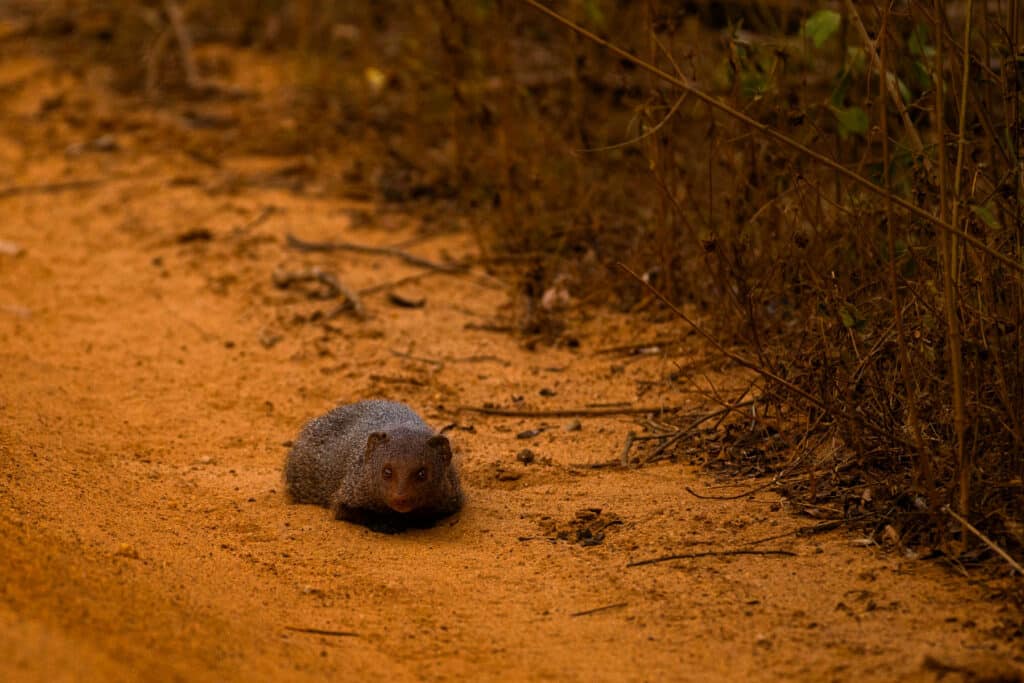
That said, be honest with yourself: if you're already doing Wilpattu or Yala, adding Udawalawe may feel repetitive unless you have a specific reason to be in the south. The park does get busy, and because the landscape is so open, when an elephant is spotted, jeeps appear quickly. Udawalawe is excellent as a standalone safari or as a first park — but we'd skip it as a third.
Trade-offs to consider:
- Very low chance of seeing a leopard
- Can get busy around elephant sightings, with multiple jeeps clustering
- Less varied wildlife than Yala or Wilpattu
Book your Udawalawe safari:
Half-Day Safari in Udawalawe | Half-Day Safari + Elephant Transit Home
You can read our full destination guide for more practical tips about visiting Udawalawe.
4. Minneriya & Kaudulla — The Gathering
Home to the largest gathering of wild Asian elephants on earth — hundreds of elephants converging around one reservoir between June and October. Best for: witnessing The Gathering in season, ideally as a standalone experience. Not ideal for: visitors looking for wildlife variety beyond elephants, or those travelling outside the dry season.
Minneriya and Kaudulla are technically two separate parks, but they function as one elephant-watching ecosystem. Herds move freely between the parks (and sometimes into the adjacent Hurulu Eco Park), and local rangers track them every morning so they know where to send you. When you book an elephant safari near Sigiriya, you're booking access to this whole system — not a specific park.
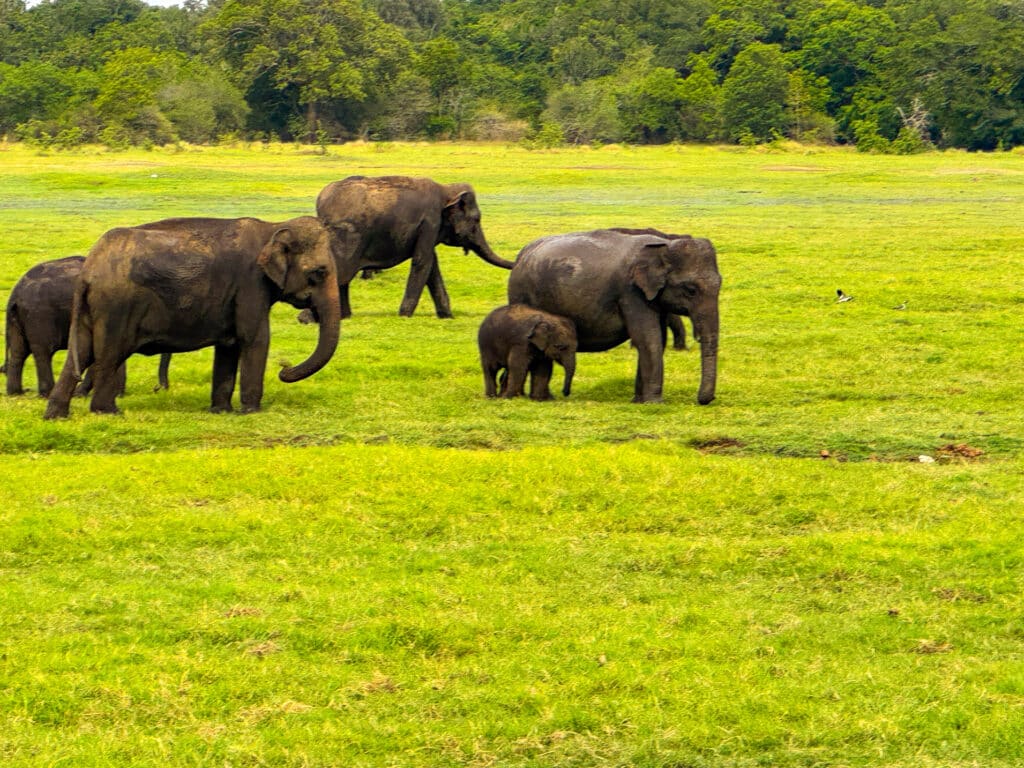
The reason people come here is “The Gathering” — a natural phenomenon that occurs between June and October, when hundreds of elephants converge around the receding waters of the Minneriya reservoir. Up to 400–500 elephants have been recorded in a single afternoon. It is, by any measure, one of the great wildlife spectacles in Asia.
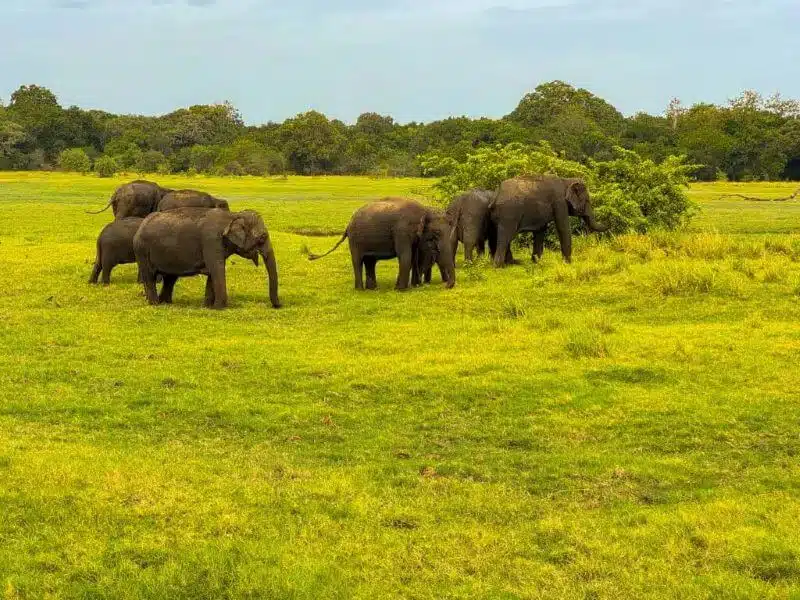
We were there in August during The Gathering and counted 37 elephants during our session — groups moving together, babies following their mothers, bulls standing apart. The open plains around the reservoir mean visibility is excellent. It felt, for a moment, genuinely African in scale.
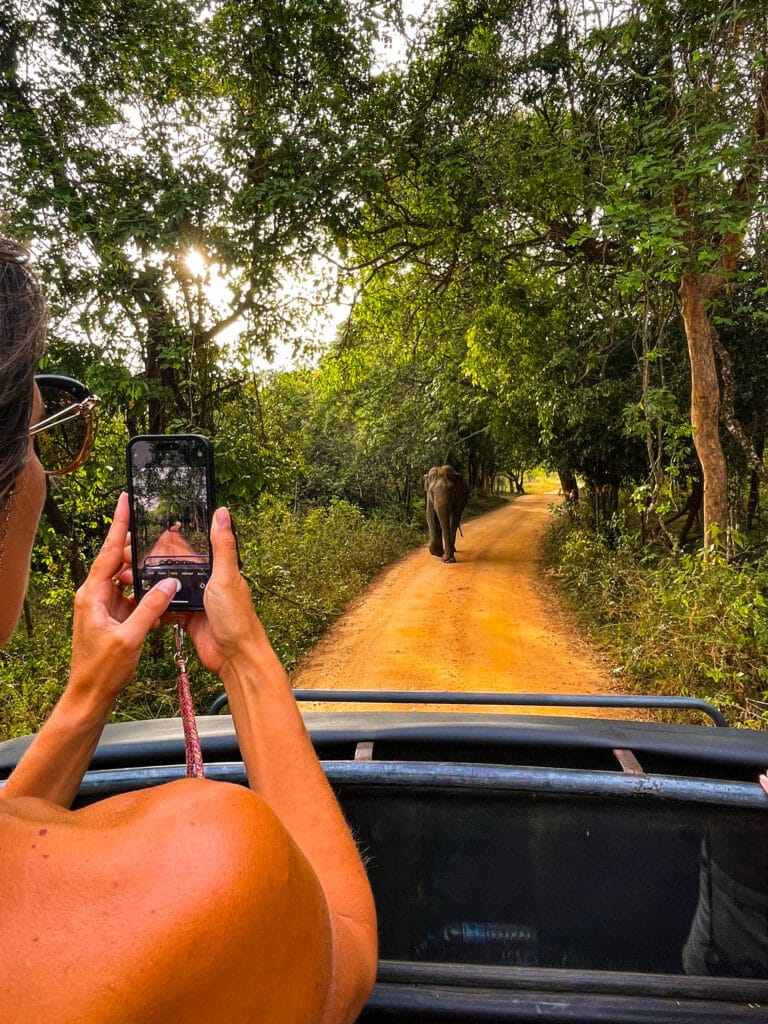
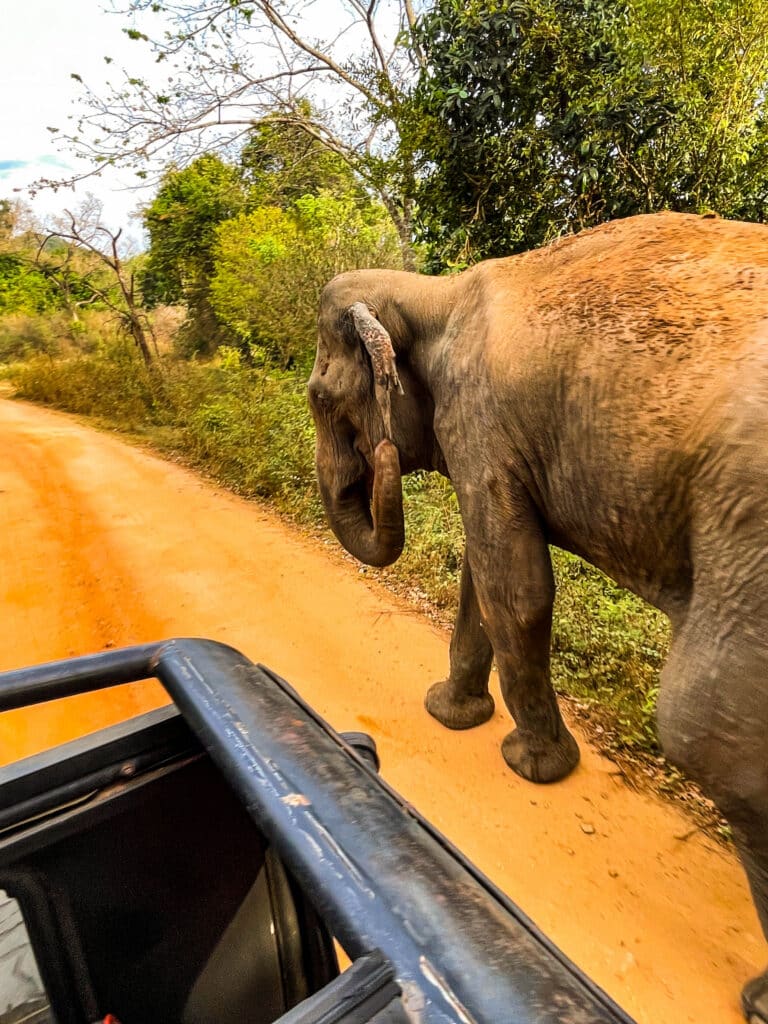
One honest note from our experience: the park is almost exclusively about elephants. Our driver and guide focused solely on the elephant herds and showed no interest in scanning for other wildlife. That's fine if elephants are your primary reason for being there. But if you've already done Udawalawe or are coming straight from Yala with its varied sightings, Minneriya may feel limited by comparison. Plan it as a standalone experience, not a supplement to other wildlife days.
The park also gets very crowded in peak Gathering season — up to 200 jeeps on busy afternoons. The roads are wide enough that it flows reasonably well, but the safari-in-solitude feeling you get in Wilpattu is entirely absent.
Trade-offs to consider:
- Very low chance of leopards or other big mammals
- Extremely crowded in peak Gathering season
- Elephants may have moved to Kaudulla or Hurulu — you don't control which park you end up in
Book your Minneriya safari:
Half-Day Safari Minneriya from Sigiriya
5. Bundala National Park — For Serious Bird Watchers
A UNESCO Ramsar wetland with over 200 bird species and almost no other jeeps — one of the few places in the country where you may have the park entirely to yourself. Best for: bird watchers and travellers who want a genuinely quiet, uncrowded experience, ideally combined with a Yala stay. Not ideal for: anyone primarily hoping to see large mammals.
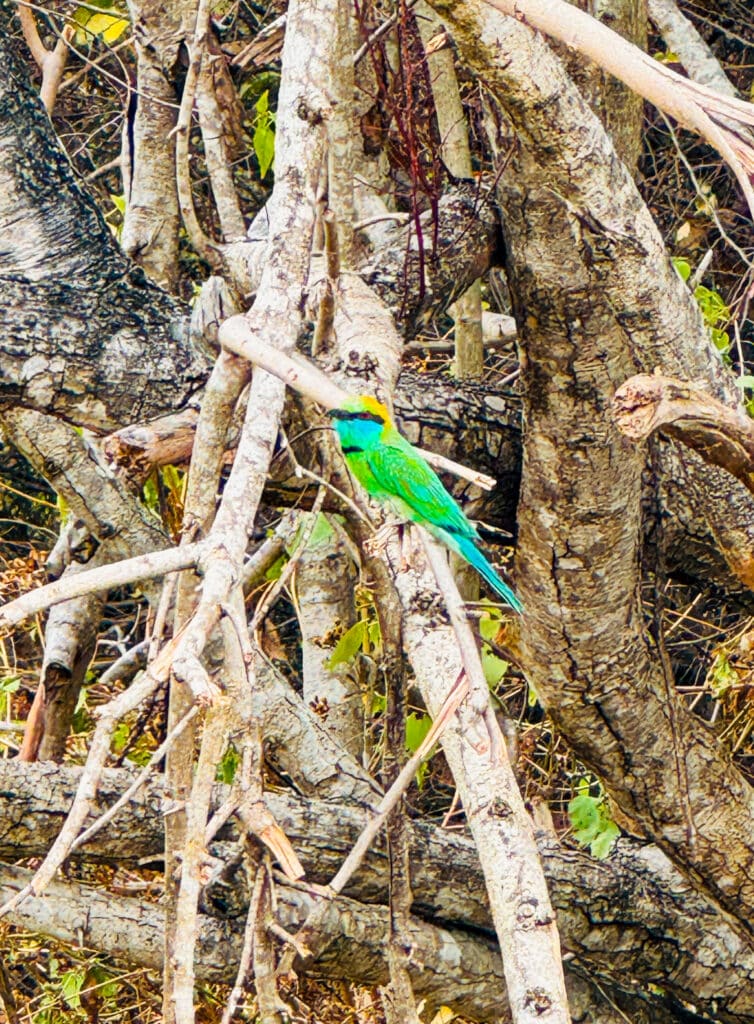
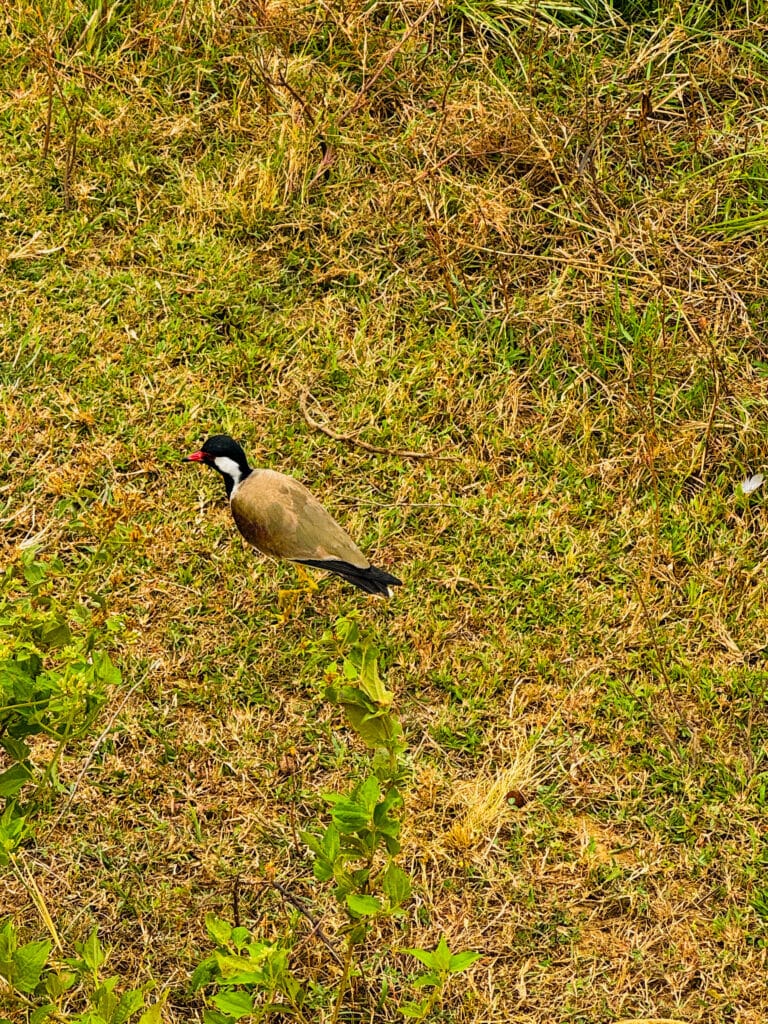
Bundala is the park almost no one has heard of, which is precisely what makes it special. Located between Yala and Udawalawe on the south coast, it's one of the most important wetland bird sanctuaries in Sri Lanka — a UNESCO-designated Ramsar site — and one of the few places on the island where you're likely to find yourself as the only jeep in the entire park.
The park's lagoons, salt pans, and coastal dunes attract over 200 species of birds, including large numbers of migratory species between November and March. The flamingo is the headline draw in winter months. Resident species include pelicans, painted storks, white-bellied sea eagles, and kingfishers. Even outside peak bird season, the landscape is beautiful and the solitude is genuinely rare in Sri Lanka's national parks.
For large mammals, Bundala is not your park. Elephants and water buffalo are present but in small numbers. There are no leopards to speak of. The saltwater crocodile, however, which can reach 7 metres and is found in very few places in Sri Lanka, is regularly spotted here — which does add a memorable element even for non-birders.
The best way to visit Bundala is as a half-day add-on during a stay in Tissamaharama, which puts you within easy reach of both Bundala and Yala. You can do a Bundala morning or afternoon and a Yala full-day on consecutive days.
Trade-offs to consider:
- Very limited large mammal sightings
- Best in winter (Nov–Mar) for migratory birds; outside this window, the birdlife is less remarkable
- Requires genuine interest in birds to be fully rewarding
6. Kumana National Park — The Quiet Alternative to Yala
Same ecosystem as Yala — leopards, elephants, birds, crocodiles — but a fraction of the visitors, making for some of the most intimate wildlife encounters in the country. Best for: travellers already in the Arugam Bay area who want serious wildlife without the Yala crowds. Not ideal for: visitors on a standard south or central route — the detour is significant.
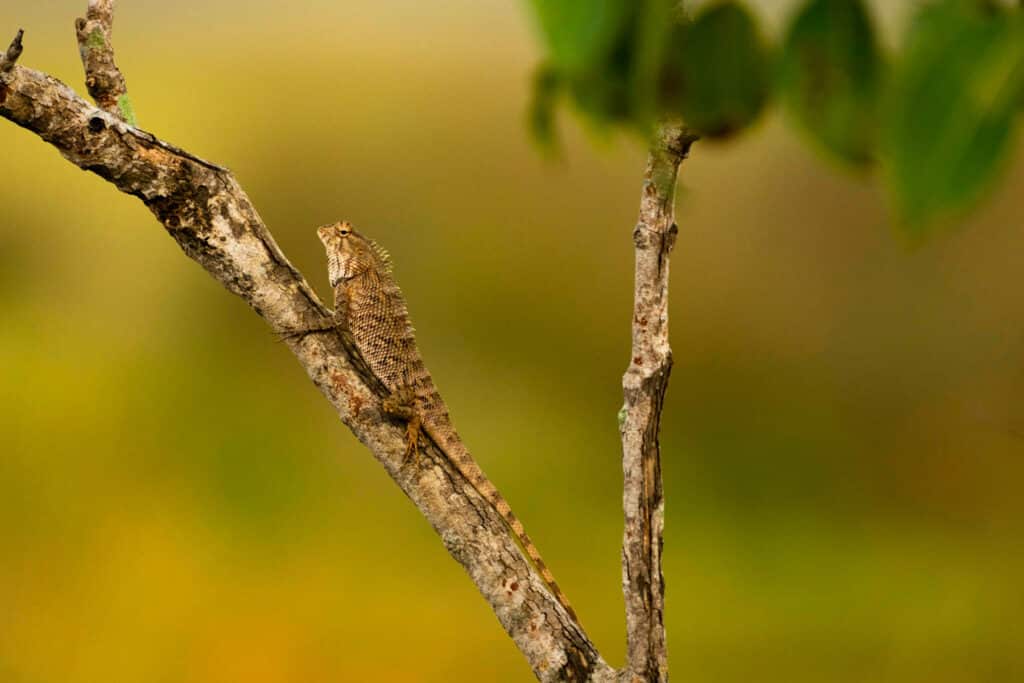
Kumana, also known as Yala East, sits at the far southeastern corner of the island, just outside Arugam Bay. It shares the same ecosystem as Yala — leopards, elephants, deer, crocodiles, water buffalo, and outstanding birdlife — but sees a tiny fraction of the visitor numbers. Some days you may be the only jeep in the park.
The tradeoff for that solitude is lower sighting frequency. Fewer jeeps means fewer eyes — when leopards are spotted in Yala, word spreads fast among the many drivers and you can be there in minutes. In Kumana, that tracking network doesn't exist in the same way. You may have extended periods of driving through beautiful but quiet landscape before an animal appears. That said, travellers who've visited Kumana report some of the most intimate wildlife encounters in Sri Lanka — including sitting next to a leopard for 20 minutes with no other jeeps in sight.
Kumana makes most sense if you're already planning to be in Arugam Bay (a well-established surf and beach stop on the east coast). As a dedicated detour from the south or centre, it's probably not worth the extra distance unless you're passionate about quiet wildlife experiences.
Trade-offs to consider:
- Remote location — mainly accessible from Arugam Bay
- Lower sighting frequency due to fewer tracking eyes on the ground
- Park closes September–October for bird breeding season
7. Gal Oya National Park — Something Completely Different
The only park in Sri Lanka where you can watch elephants swimming between islands from a boat — a completely unique wildlife experience. Best for: travellers who want something off the beaten path, combining boat safaris, jeep safaris, and a walk with the indigenous Vedda community. Not ideal for: safari purists looking for maximum wildlife density or reliable leopard sightings.
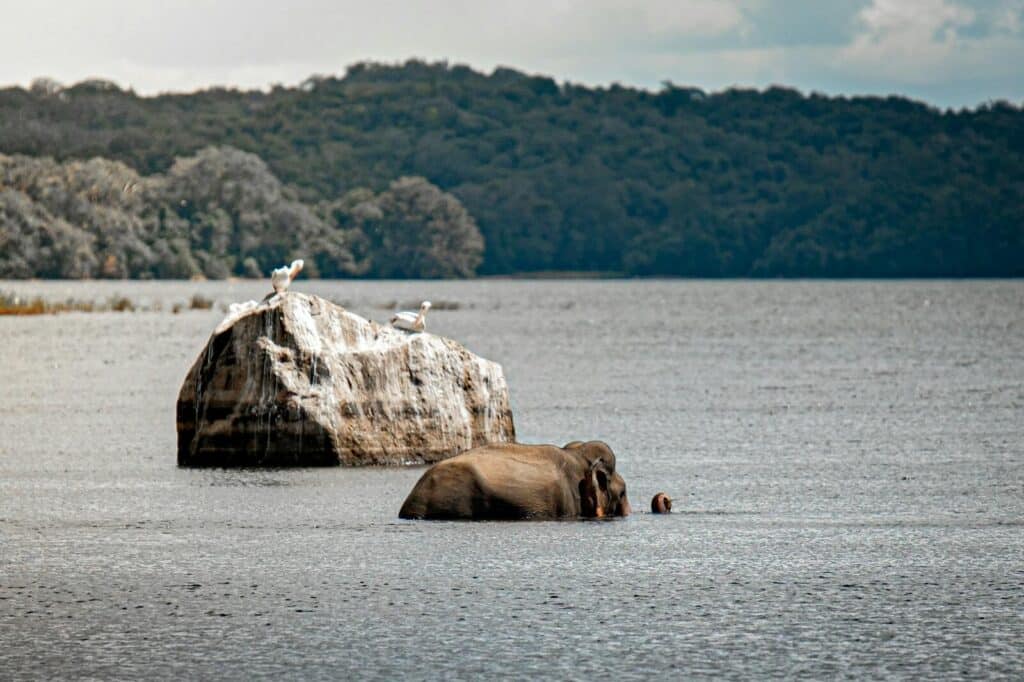
Gal Oya is unlike any other national park in Sri Lanka, and that's exactly the point. Located in the east of the island around the Senanayake Samudraya reservoir — Sri Lanka's largest — the park offers something you can't get anywhere else: a boat safari where you watch elephants swimming between islands.
The sight of herds crossing the water, swimming from island to island with just their trunks above the surface, is one of the most unusual wildlife experiences in Asia. Gal Oya is the only place in Sri Lanka where this happens, and it's the primary reason to go. Combined with a jeep safari through the park's forests and grasslands, and optionally a walk with a guide from the Vedda community (Sri Lanka's indigenous people, who still live in and around the park), it offers a layered, culturally rich experience that pure wildlife parks can't match.
At just under 26,000 hectares, Gal Oya is considerably smaller than Yala or Wilpattu, and the accessible visitor zone is more limited still. In practice, one full day — combining a morning boat safari with an afternoon jeep safari — covers the highlights comfortably. Unlike the bigger parks where you could easily spend multiple days exploring different zones, Gal Oya doesn't really demand a longer stay from a pure safari perspective. The main reason to stay two nights is logistical: the park is remote, getting there takes effort, and leaving the same day you arrive makes the trip feel rushed. Staying over also gives you the option of an early-morning boat safari, when wildlife activity around the reservoir is at its peak.
Wildlife in Gal Oya is present but not dense. Elephants in small herds, water buffalo, deer, crocodiles, and over 150 bird species — but no reliable leopard sightings and no gathering-scale elephant spectacles. The park sees very few visitors, which is both its greatest draw and a sign that you shouldn't expect an infrastructure like Yala or Minneriya.
Trade-offs to consider:
- Remote location; getting there requires extra effort
- Lower wildlife density than the major parks
- Very limited accommodation options (Gal Oya Lodge is the main one)
- Best experienced over 2–3 nights to do it justice
Bonus mention: Wasgamuwa National Park — The Hidden Elephant Park
An undervisited central park with large, genuinely wild elephant herds — the animals here have little exposure to jeeps, making sightings feel more raw than anywhere else. Best for: travellers already routing through the cultural triangle who want an elephant safari without the Minneriya crowds. Not ideal for: visitors hoping to see leopards — sightings are extremely rare.
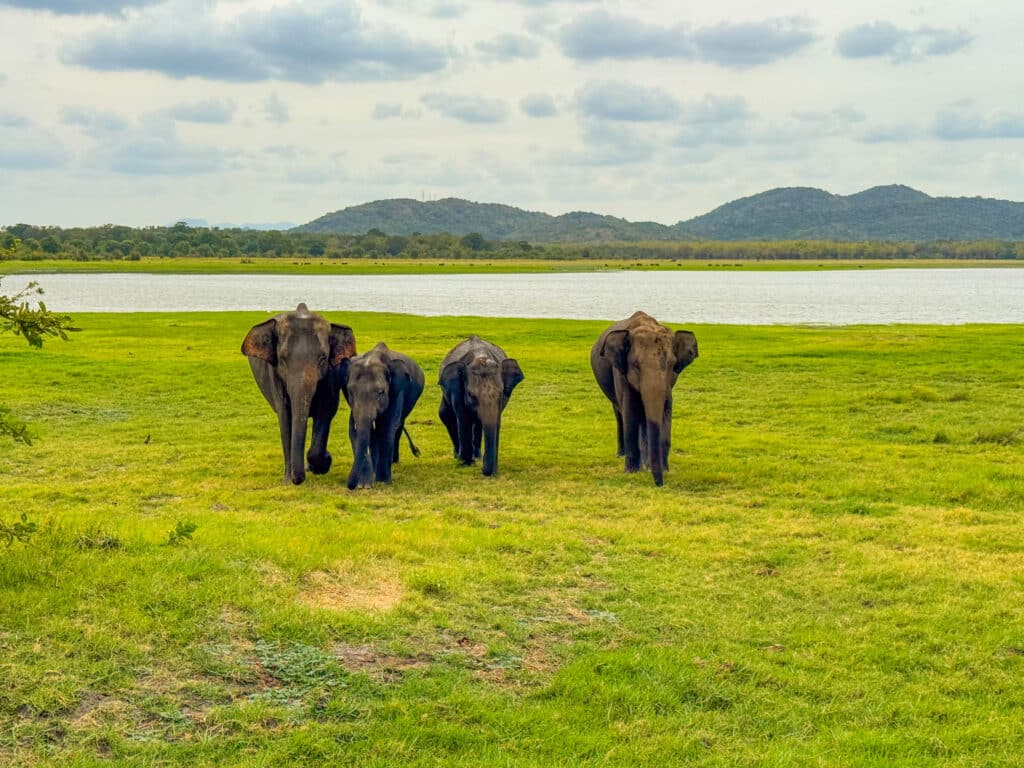
Wasgamuwa doesn't appear in most safari guides, which is both its biggest weakness (limited infrastructure) and its greatest strength (almost no tourists). Located in the central province between Kandy, Polonnaruwa, and Habarana — making it a natural fit for cultural triangle itineraries — it's a large park at over 36,000 hectares, bordered by two rivers and characterised by dry forest, open grassland, and scattered water pools.
The main draw is elephants. Herds of up to 200 have been recorded here, and the best time to see large groups is between November and May, after which elephants tend to migrate toward Minneriya and Kaudulla. What makes the elephant experience different from Udawalawe or Minneriya is how wild the animals feel — they have limited exposure to safari jeeps, so their behaviour is genuinely untamed. Visitors who've been to Wasgamuwa often describe getting closer to elephant herds than anywhere else in the country, without the convoy of jeeps that characterises the more popular parks.
Leopard and sloth bear are technically present, but sightings are rare enough that you shouldn't plan a visit around them. The density of sloth bears is reportedly higher than anywhere else in Sri Lanka — the name Wasgamuwa itself may derive from an ancient word meaning “gathering place for bears” — but spotting one remains largely a matter of luck. Birdlife is strong, with 143 recorded species including several Sri Lanka endemics.
Wasgamuwa is worth considering if you're already routing through the cultural triangle and want to add a morning elephant safari without the crowds of Minneriya. It's not a destination that warrants a dedicated detour, but as part of a broader itinerary it's a quietly rewarding option.
Why Sri Lanka Has 26 National Parks — But Most Aren't in This Guide
You might wonder: if there are 26 national parks, why does this guide only cover 8 of them? It's a fair question, and the honest answer is that the majority of Sri Lanka's parks were never designed with safari tourism in mind.
Sri Lanka's national park network was built primarily around conservation and watershed protection, not visitor access. Many parks exist to protect river catchment areas, coastal wetlands, or specific forest ecosystems. They are legally classified as national parks, but in practice have minimal road infrastructure, no safari operators, no nearby accommodation, and in some cases no formal visitor access at all.
A few examples of what the remaining parks actually look like in practice:
Sinharaja Forest Reserve is one of the last remaining lowland rainforests in Sri Lanka and a UNESCO World Heritage Site — but it's a hiking and birdwatching destination, not a safari park. No jeeps, dense forest, and specialist birding guides.
Horton Plains National Park is another UNESCO site in the central highlands, famous for the dramatic “World's End” cliff and endemic highland species — again, walking only, no jeep safaris, and a completely different ecosystem from the dry-zone parks.
Lunugamwehera, Maduru Oya, Somawathiya, Chundikulam — these are genuine national parks, but with very limited or no organised visitor infrastructure. Some are still recovering biodiversity after years of conflict or neglect. Others are simply remote enough that no tourism economy has developed around them.
Lahugala Kitulana is one of the smallest parks in the country, known primarily as an elephant corridor rather than a standalone safari destination.
The parks covered in this guide are the ones where a meaningful safari experience is reliably available: established guide networks, accessible roads, nearby accommodation, and actual wildlife density worth the effort. The other 18 parks are either not accessible to casual visitors, serve a specialist purpose (birds only, hiking only), or simply don't yet have the infrastructure to deliver a worthwhile experience for the average traveller.
How Many Parks Should You Visit?
This is one of the most common questions — and the honest answer is: fewer than you think.
One park is enough if your time is limited or wildlife is not the main focus of your trip. Which park depends on what you want to see. If leopards are the priority, choose Wilpattu (currently the best odds) or Yala (better infrastructure, still meaningful chances). If elephants are the priority, choose Udawalawe for a near-guaranteed sighting year-round, or Minneriya in season (June–October) for The Gathering.
Two parks is the sweet spot for most visitors. The ideal combinations:
Wilpattu + Udawalawe or Minneriya — best all-round experience combining leopard chance with elephant spectacle
Yala + Minneriya — classic south + central combo if you're following that route
Yala + Bundala — if you're staying in Tissamaharama anyway, an easy add-on
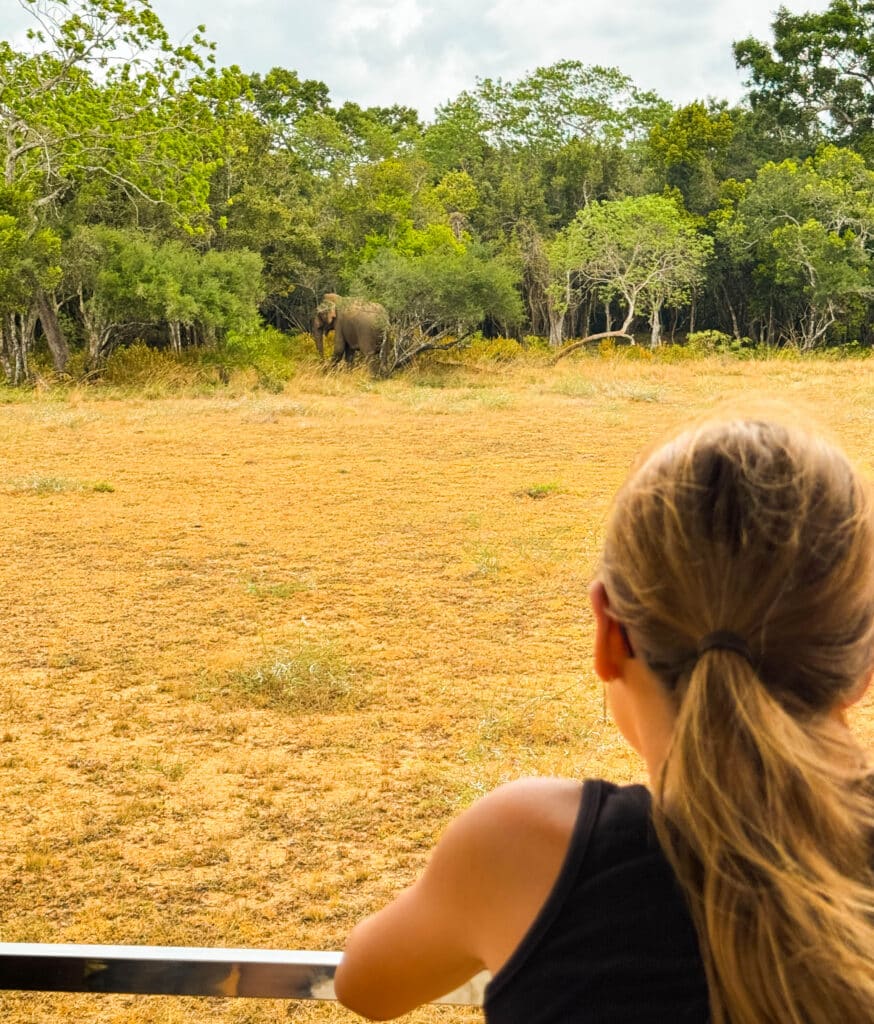
Three parks starts to feel repetitive unless each serves a very different purpose (e.g. Wilpattu for leopards, Minneriya for The Gathering, Gal Oya for boat safaris). We did three on our trip — Udawalawe, Minneriya, and Wilpattu — and while each was worthwhile, by the third one the sense of novelty had faded slightly. Wilpattu, which we did last, was by far the highlight. If we'd only had time for two, we'd have dropped Minneriya.
Practical Safari Tips
Timing: Go early morning (6–8am) or late afternoon (3–6pm). These are the hours when animals are active and temperatures are manageable.
Full day vs half day: For Yala and Wilpattu, always choose a full day. Half-day tours in these parks rarely reach the deeper sections where the most interesting sightings happen. For Udawalawe and Minneriya, a half-day (3–4 hours) is usually sufficient.
What to wear: Light, neutral-coloured clothing. Avoid white (dust), bright colours (scares animals), and anything you don't want to wash immediately afterwards. A light layer for early mornings can be useful. Sun protection is essential.
What to bring: Sunglasses, sunscreen, water, binoculars if you have them. A phone camera is fine for elephants and other close sightings, but a telephoto lens makes a significant difference for bird photography and distant animals.
Cost framework: Park entrance fees for major parks are around €15 per person per day for foreign visitors. A private jeep with driver/guide typically adds another €40–80 per person depending on duration and park. Joining a shared jeep reduces costs but reduces flexibility. In parks like Yala and Minneriya, budget tour operators often keep costs low by running short routes near the entrance — this is where many visitors end up disappointed.
Book in advance for Wilpattu: Guides like Thamaravila fill up quickly, especially in peak season. If Wilpattu is a priority, secure your guide before you confirm your accommodation.
Where to Stay Near Each Park
Choosing the right accommodation is almost as important as choosing the right park — especially for Yala and Wilpattu, where staying inside the buffer zone versus an hour away makes a real difference to your guide quality and early-morning access. For a full overview of the best safari lodges in the country, covers all the top options with ratings and affiliate links. Below are our picks per park.
Yala: The best lodges are inside the park buffer zone. Wild Coast Tented Lodge and Uga Chena Huts are the top options. If budget is a concern, Tissamaharama village (30 minutes away) has a wide range of guesthouses at all price points. Kingfisher Beach Resort is a good mid-range option.
Wilpattu: We stayed at Thamaravila Wilpattu Luxury Tented Lodge and it was genuinely the highlight accommodation of our entire Sri Lanka trip. Not your typical “tented camp” — these are beautiful elevated wooden houses on poles, fully equipped, with private pools and four-course dinners by candlelight under the stars. If Wilpattu is on your list, Thamaravila is worth the splurge. You can read our full Thamaravila review.
Udawalawe: Accommodation is clustered in and around Udawalawe village, about 15 minutes from the park entrance. Options include Vimanra, Waraka, and Kalu's Hideaway for a more boutique feel.
Minneriya / Kaudulla: Sigiriya and Habarana are both well-positioned for the elephant parks. Most accommodation in the area can arrange or connect you with a safari directly.
Gal Oya: Gal Oya Lodge is the main option — located right on the park boundary, with guided boat safaris, Vedda walks, and full-board packages included. Worth booking early as it has limited capacity.
Final Thoughts on Safari in Sri Lanka
A safari in Sri Lanka is one of the most underrated wildlife experiences in Asia. The combination of accessibility, variety, and — in the right parks — genuine wildness, makes it a compelling addition to almost any Sri Lanka itinerary. But the quality of your experience depends enormously on the choices you make before you even enter the park: which park, what format, how long, with which guide.
Our strongest recommendation, based on our own experience, is Wilpattu. It's the park that surprised us most, moved us most, and that we'd go back to without hesitation. The leopard hunt we witnessed — completely unscripted, with only a handful of other jeeps around rather than the chaotic scenes you get in the busiest parks — was the most memorable wildlife moment of our entire trip. But it only happened because we had a full day, a private jeep, and a guide who knew the park well enough to linger at the right lake.
Whatever parks you choose, give yourself the time to do them properly. Two parks done well will always beat three parks done quickly.
🐘 Plan Your Sri Lanka Trip
🏨 Still looking for the right stay? Browse all hotels in Sri Lanka — free cancellation on most rooms.
✈️ Flights: Compare routes and prices for flights to Sri Lanka.
🚂 Getting around: Book train tickets in advance (the scenic routes sell out), or arrange a private driver, tuk tuk rental or rental car.
📱 Stay connected: Get a Sri Lanka eSIM from Airalo before you fly. We use Airalo ourselves on every trip.
🔒 Travel insurance: Don't skip travel insurance for Sri Lanka — medical costs for tourists add up fast.
🎟️ Tours & activities: Browse safaris, cooking classes and tours across Sri Lanka.
💳 Money: Avoid card fees abroad with a free Revolut account.
Some links on this page are affiliate links. Booking through them costs you nothing extra and helps us keep this site running — thank you!
Frequently Asked Questions
Which national park in Sri Lanka has the highest chance of seeing a leopard?
As of 2024–2025, Wilpattu National Park is considered the top spot for leopard sightings in Sri Lanka, with experienced guides reporting a 50%+ chance on a full-day private safari. Yala was long considered the leader due to its high leopard density, but the lower jeep numbers in Wilpattu now give it a practical edge. Kumana, near Arugam Bay, is also a good option for those in the east, offering quieter conditions. No safari can guarantee a sighting — the full-day format with an experienced guide gives you the best odds. You can book a Full-Day Private Safari in Wilpattu for the best leopard odds.
What is “The Gathering” in Minneriya National Park?
The Gathering is an annual wildlife phenomenon that occurs between June and October, when hundreds of Asian elephants converge around the receding waters of the Minneriya Tank (reservoir) to feed and socialise. At its peak in August, up to 400–500 elephants have been recorded in a single afternoon. It's considered the largest gathering of wild Asian elephants in the world, and a genuinely remarkable wildlife spectacle. The elephants move freely between Minneriya, Kaudulla, and Hurulu Eco Park, so rangers check daily which park to send visitors to. A Half-Day Safari in Minneriya from Sigiriya is the easy way to catch the Gathering.
How much does a safari in Sri Lanka cost?
Entry fees for major national parks are approximately €15 per foreign adult per day. On top of this, a shared jeep with driver typically costs €15–25 per person for a half-day tour, or €30–50 for a full day. A private jeep for 2–4 people costs €50–100+ depending on the park and duration. Budget tours that seem much cheaper usually achieve this by running short routes near the entrance, which significantly reduces wildlife sightings. Budget around €50–80 per person per day for a well-run full-day private safari.
Is it worth combining Yala and Wilpattu on one trip?
Yes, if you have the time — they offer genuinely different experiences. Yala has better infrastructure, is easier to combine with the south coast, and has good all-round wildlife. Wilpattu is wilder, less crowded, and currently has better leopard sighting rates. The challenge is logistics: they're located on opposite sides of the country (south-east vs north-west), so combining them requires either covering a lot of ground or planning your itinerary around it. A route that goes south coast → Udawalawe → inland → Wilpattu works well.
What is the best time of year for a safari in Sri Lanka?
It depends on which park you're visiting. For Yala, February to June (dry season) is best. For Wilpattu, October to February. For Minneriya's Gathering, June to October. Udawalawe is good year-round, with peak elephant concentration from December to April. Bundala is best November to March for migratory birds. There is no single “best time” for all parks simultaneously — identify your priority park first, then plan your timing around that. For Yala in the dry season, a Full-Day Safari in Yala National Park makes the most of it.
Can you do a safari in Sri Lanka with kids?
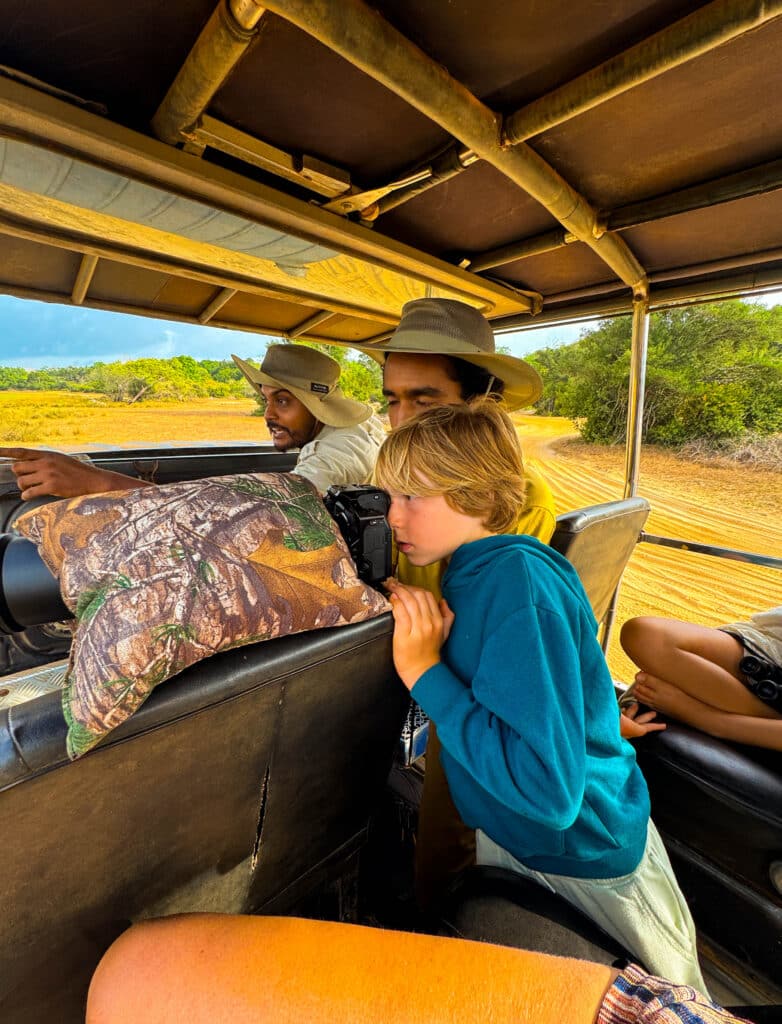
Yes, absolutely. Jeep safaris are suitable for children of all ages, and the wildlife — particularly elephants — tends to be a highlight of any family trip to Sri Lanka. We took our own children (then 7 and 10) on safaris in Udawalawe, Minneriya, and Wilpattu, and all three were highlights of the trip. The elephant-focused parks like Udawalawe and Minneriya are particularly good for younger children due to the near-guaranteed sightings. Bring sun protection, snacks, and water — mornings can be long.
How long should you spend at a national park?
For most parks, plan to spend two nights at your base so you can do at least one full-day safari (or two half-day sessions — morning and afternoon on different days). This gives you the best chance of wildlife sightings and allows you to go early in the morning without rushing. For Gal Oya, where you'll want both a boat safari and a jeep safari, plan for at least two to three nights.
Related Blogs
Other Safari Blogs
Wilpattu Sri Lanka National Park: Sri Lanka's Largest Wilderness Sanctuary
Udawalawe: Sri Lanka's Premier Wildlife Safari Hub Famous for Elephant Sightings
Best Safari Lodges in Sri Lanka: Where to Stay Near Yala, Udawalawe, Wilpattu & Minneriya
Thamaravila Wilpattu: Luxury Tented Villas in Sri Lanka's Premier Safari Destination
Other Sri Lanka Blogs
Best Hotels in Sri Lanka: How to Choose Where to Stay — by Region & Value
Where to Stay in Sri Lanka: Best Hotels by Travel Style
Sri Lanka Regions Explained: How to Choose the Best Areas for Your Trip
Best Cities to Visit in Sri Lanka: A Practical Guide to Regions, Routes & City Bases
Sri Lanka Travel Itinerary: Custom Plans for Beach Lovers, City Explorers, and Wildlife Adventurers
Top Things to Do in Sri Lanka: The Most Rewarding Experiences on the Island
Best Time to Visit Sri Lanka: Weather, Seasons & Travel Tips
Sri Lanka Weather by Month: What to Expect Each Season as a Traveller
Getting Around Sri Lanka: Ultimate Guide to Transport, Trains, Tuk-Tuks & Easy Trip Planning
Is Sri Lanka Expensive to Travel? Budget, Costs & Money-Saving Tips for Your Trip
Sri Lanka Travel Guide: Visa Requirements, Vaccination & Local Travel Tips