Table of Contents
Northern Sri Lanka feels like a different country. The air carries the smell of incense from Hindu temples rather than Buddhist shrines. The language shifts from Sinhala to Tamil. The food changes — hoppers give way to dosai, coconut-based curries become thicker and spicier, fresh palmyra fruit appears at roadside stalls. After weeks of beaches and hill country and ancient Buddhist capitals, the north arrives as a genuine contrast — quieter, less visited, and quietly extraordinary for those who make the effort to get here.
This is the region that most first-time visitors skip, and most repeat visitors wish they’d included earlier. Northern Sri Lanka isn’t built around highlights or resorts. It’s built around a different kind of travel: slower, more local, more culturally layered. Jaffna, the region’s main city, is the heart of Tamil culture on the island — a place where the past is visible in every temple façade, every colonial fort, every palmyra palm silhouetted against a flat, open sky. The surrounding peninsula and offshore islands add depth: boat journeys to sacred temples, wild horses on an uninhabited island, and beaches that see almost no tourists at all. This guide covers what to expect in Northern Sri Lanka, where to stay, what to do, and how to fit it into your trip.
In a Rush?
These are my Favourite Hotels in Northern Sri Lanka
⭐️⭐️⭐️ The Thinnai Hotel – Check prices and availability
⭐️⭐️ Thambu Illam – Check prices and availability
⭐️ Grandpa’s Villa – Check prices and availability
Northern Sri Lanka at a Glance
The north is unlike any other region in Sri Lanka. Here’s what to expect before you commit to including it in your route.
| Best time to visit | January to September; avoid the northeast monsoon (October–December) |
|---|---|
| Main base | Jaffna |
| Day trips | Delft Island, Nainativu, Nagadeepa, Casuarina Beach, Kayts |
| Top highlights | Nallur Kandaswamy Temple, Jaffna Fort, Nagadeepa Purana Viharaya, wild horses on Delft Island |
| Typical stay | 2–3 nights |
| Best for | Repeat visitors, cultural travellers, those looking for a less-touristic Sri Lanka |
| Not ideal if… | You have limited time, want beaches or wildlife, or are on your first visit with a packed classic route |
| Getting there | ~6.5 hours from Colombo by train; ~7 hours by road; domestic flights available from Colombo |
| Getting around | Tuk-tuks within Jaffna; private driver or hired bicycle for the peninsula; boats to islands |
Understanding Northern Sri Lanka
Before choosing to add the north to your itinerary, it helps to understand what makes this region different — and what that means for how you travel here.
Northern Sri Lanka covers the Jaffna Peninsula and surrounding areas, stretching up to the island’s northern tip. It is geographically flat, hot and dry — a landscape of open fields, palmyra palms, lagoons and small coastal villages that looks nothing like the lush south or the misty hill country. The terrain here is elemental and unhurried, shaped less by mountains and monsoons than by the flat, open light of a peninsula surrounded by shallow sea.
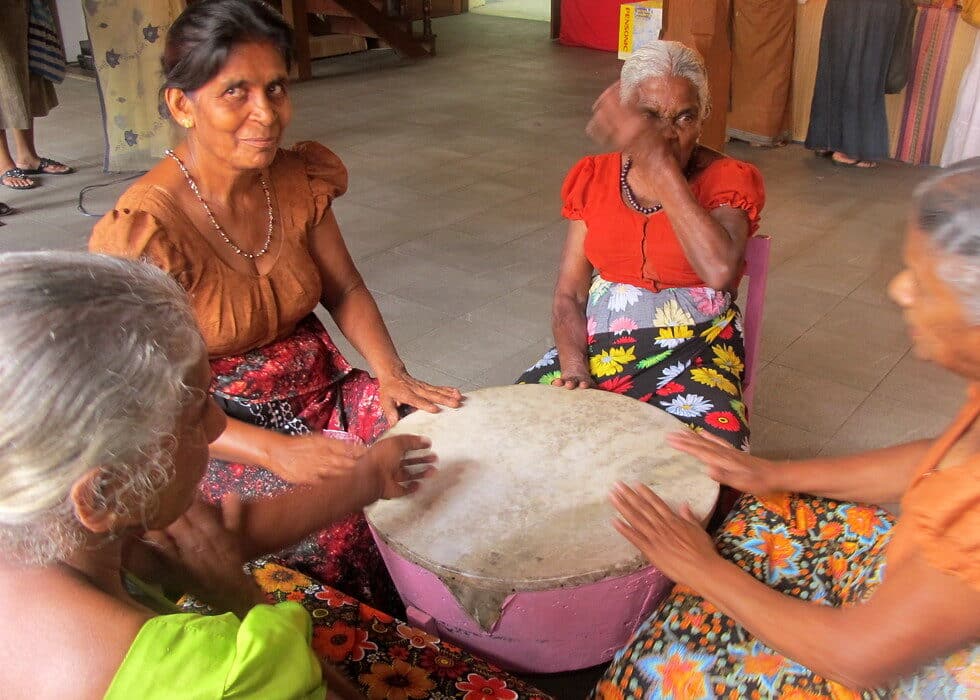
Culturally, the north is Sri Lanka’s Tamil heartland. The majority population here is Sri Lankan Tamil, and the contrast with the predominantly Sinhalese south is immediate and real. Hindu temples dominate the religious landscape: brightly painted gopurams (temple towers) rise above residential streets, flowers and incense mark the entrances to shrines, and puja ceremonies take place multiple times daily. Tamil is the language you’ll hear in the market, on the street, in the restaurants. This isn’t a tourist performance — it’s simply daily life in a region with a distinct cultural identity that predates modern Sri Lanka by centuries.
That history is also shadowed by more recent events. The north was at the centre of Sri Lanka’s civil conflict, which ended in 2009. The scars are still visible in places — in rebuilt infrastructure, in the way people talk carefully about the years of isolation, in the occasional checkpoint. But tourism has grown steadily since the north reopened, and travellers who go now tend to find a warmth and openness that surprises them. The north is not defined by its conflict. It is defined by its culture, its temples, its food and its people.
What this means practically is that Northern Sri Lanka rewards a different approach to travel. Rather than working through a checklist of sights, you come here to absorb atmosphere: to spend a morning at Nallur Kandaswamy Temple as the puja drums start, to cycle along the flat peninsula roads past palmyra palms, to take a boat to a small island where a temple sits at the water’s edge. The north moves slowly and asks you to move slowly with it.
Jaffna: The Cultural Capital of the North
Jaffna is the undisputed heart of Northern Sri Lanka and the base from which almost all exploration of the region begins. It is a mid-sized city by Sri Lankan standards — busy enough to feel alive, small enough to navigate comfortably on foot or by tuk-tuk. The centre is dense and walkable, with markets, temples, colonial remnants and local restaurants clustered within a manageable area.
What makes Jaffna distinctive is the layering of its history. Tamil culture goes back over two thousand years here. Portuguese and Dutch colonial rule left forts and churches. The decades of conflict left a more complicated legacy that the city is still processing and rebuilding. Walking through Jaffna is an exercise in reading all of these layers at once — a temple façade next to a colonial warehouse next to a new café opened by a young Tamil entrepreneur.
The city is also a genuine food destination. Jaffna cuisine is one of Sri Lanka’s most distinct regional cooking traditions: heavier on dried fish and seafood, more intensely spiced than southern cooking, with dishes like jaffna crab curry, mutton rolls and kool (a traditional seafood broth) that you simply won’t find prepared this way anywhere else on the island.
What to see and do in Jaffna
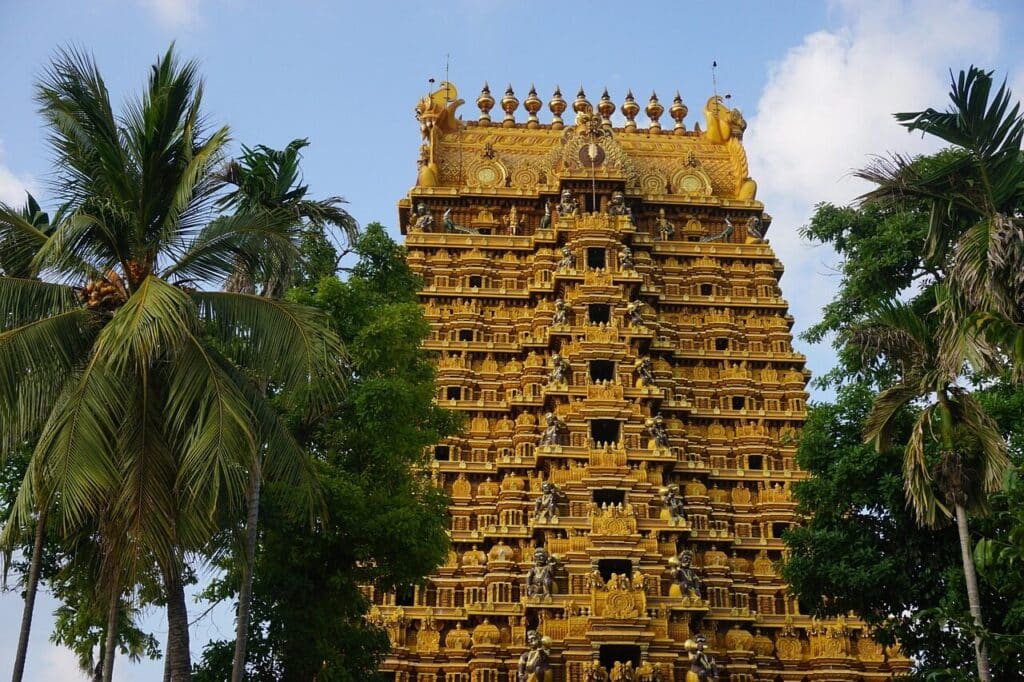
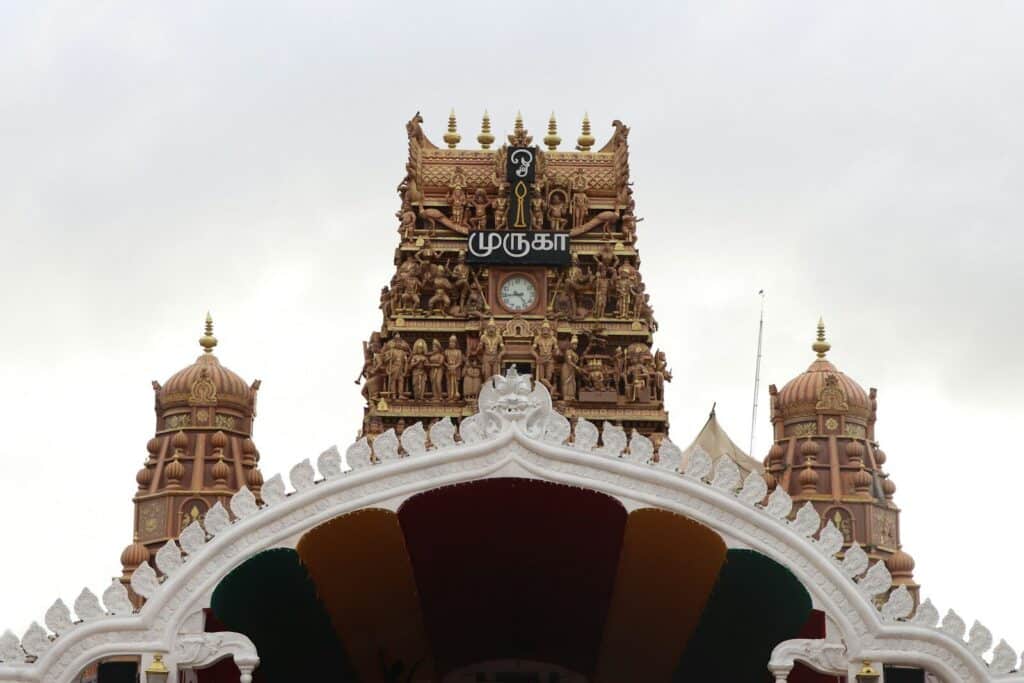
Nallur Kandaswamy Temple is the most important Hindu temple in Sri Lanka and the spiritual centre of Jaffna. Dedicated to Murugan (the god of war and victory), the temple is a working place of worship with multiple daily pujas that fill the air with drumming, chanting and the smell of incense and jasmine. The gopuram — the ornate gateway tower — is one of the most photographed structures in the north. Visit early in the morning or in the early evening when the light is best and the temple is at its most atmospherically alive. Dress modestly and remove shoes before entering.
Jaffna Fort is one of the largest and best-preserved Dutch colonial forts in Asia. Built by the Portuguese in the 17th century and expanded by the Dutch, it sits on the waterfront at the southern edge of the city. The walls, bastions and moat are remarkably intact, and the interior contains a mix of colonial buildings, a church and open grounds that are gradually being restored and opened to visitors. The views from the ramparts over the lagoon are particularly good in the late afternoon.
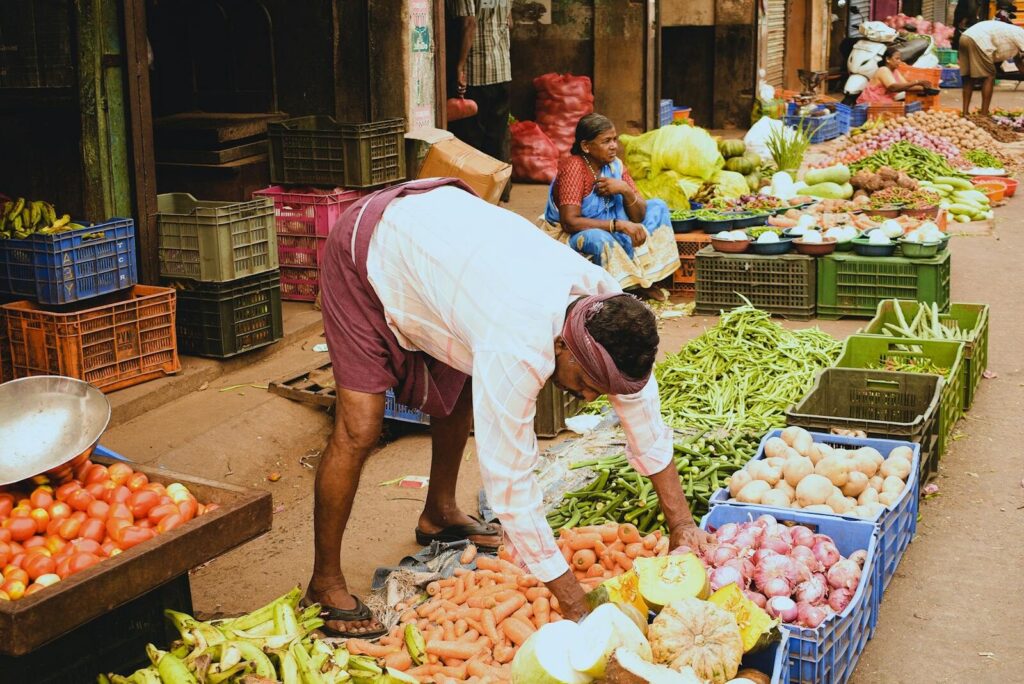
Jaffna Market is where the city feels most alive and most itself. The main market covers several blocks near the bus station and sells everything from fresh produce and spices to palmyra products and Tamil textiles. Go in the morning when activity is highest. The surrounding streets are good for exploring on foot, with small restaurants, juice stalls and local shops that give a real sense of daily life in Jaffna.
Jaffna Library is one of the most symbolically significant buildings in the north. The original library, once one of the largest in Asia, was destroyed in 1981 in a moment that remains deeply painful in collective Tamil memory. The rebuilt library — opened in 2001 — stands as a statement of cultural continuity. It’s worth visiting not just for its architecture but for what it represents.
Cycling the Jaffna Peninsula is one of the most enjoyable ways to spend a half-day in the region. The peninsula is flat, the roads are quiet, and the landscape of palmyra palms, lagoon edges and small Hindu shrines rewards slow movement. Bicycle hire is available from several guesthouses and small shops near the centre.
Where to stay in Jaffna
Accommodation in Jaffna is simpler and more limited than in southern Sri Lanka. The options below cover the main price levels available — there are no large resort properties here, which is part of what keeps the north feeling genuine.
$$ — The Thinnai Hotel
Price per night for 2: from USD 145 (bed) Booking.com rating: 9.1
The Thinnai is the most polished hotel option currently in Jaffna — a thoughtfully designed property that blends contemporary comfort with Tamil architectural details. At 9.1 it delivers consistent quality for the market and is the most practical choice for travellers who want reliable wifi, a good breakfast and a well-kept room without roughing it. Well-located for the main sights.
$$ — Thambu Illam
Price per night for 2: from USD 75 (bed) Booking.com rating: 9.0
A characterful guesthouse-style stay that gives a much closer feel to local hospitality than a standard hotel. At 9.0 it delivers a warm, well-run experience at a very accessible price. For travellers who value atmosphere and personal contact over amenities, Thambu Illam is a strong choice and one of the most authentic places to stay in Jaffna.
$ — Grandpa’s Villa
Price per night for 2: from USD 65 (BB) Booking.com rating: 8.8
A simple, budget-friendly option in Jaffna with breakfast included and a 8.8 rating that suggests a comfortable enough stay for the price. For travellers who want to spend as little as possible on accommodation and invest the savings in day trips and food, Grandpa’s Villa is the most practical budget base in the city.
Day Trips from Jaffna: The Peninsula & Islands
The real depth of a Northern Sri Lanka visit comes from moving beyond Jaffna city. The peninsula and the islands that scatter off its coast are where the north becomes genuinely extraordinary — quieter, more remote, and home to experiences you won’t find anywhere else on the island.
Delft Island (Neduntheevu)
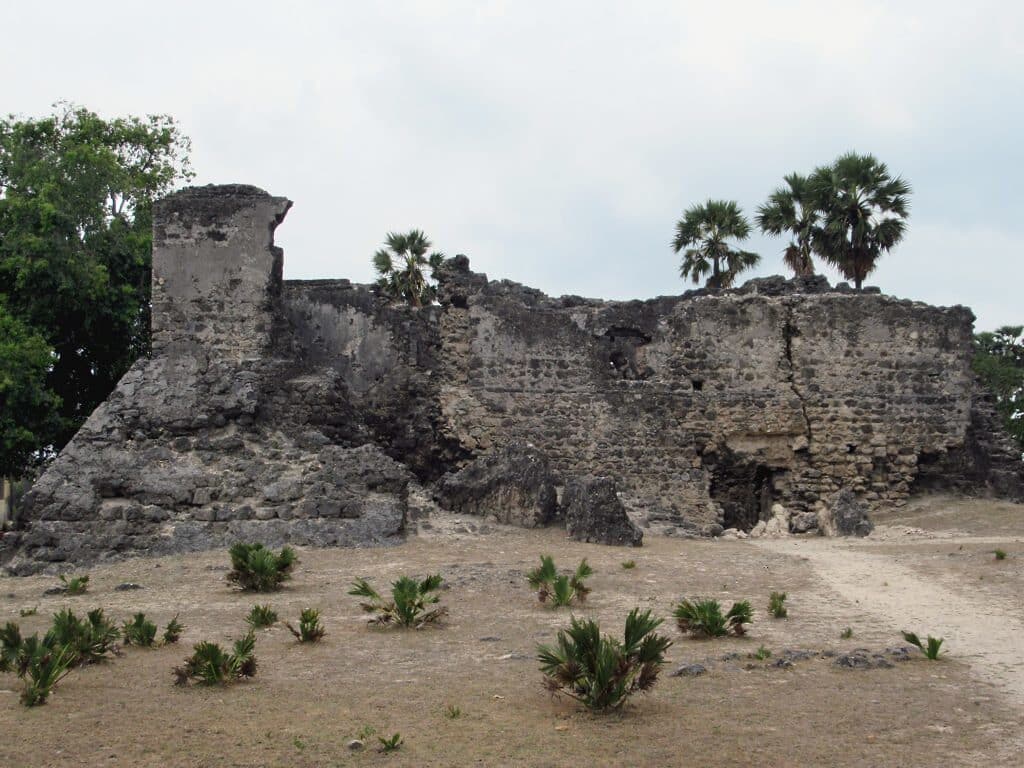
Delft is the most dramatic of the islands accessible from Jaffna, and the one that leaves the strongest impression. The boat journey from Kurikadduwan jetty takes about 40 minutes, and the island that appears on the other side is unlike anything in Sri Lanka. It’s flat, windswept and largely uninhabited — a landscape of coral walls, Dutch colonial ruins and wild ponies descended from horses left by Portuguese colonisers centuries ago.
The ponies are the centrepiece of a Delft visit. They roam freely across the island, completely unconcerned by visitors, and seeing them against the backdrop of an impossibly blue shallow sea is one of the most unexpectedly beautiful moments the north has to offer. The island also has a baobab tree — one of the only ones in Sri Lanka, believed to have been planted by Arab traders — and a coral-walled fortress and pigeon house from the Dutch period. Delft is best visited as a full-day trip: take the morning boat, spend several hours exploring on foot, and return on the afternoon service.
Nainativu & Nagadeepa Purana Viharaya
Nainativu is a small island reached by boat from Kurikadduwan, combining two sacred sites in a single visit. The first stop is the Nagadeepa Purana Viharaya — one of the most ancient Buddhist temples in Sri Lanka, believed to have been visited by the Buddha himself during a journey to Sri Lanka. It sits peacefully on the water’s edge, surrounded by trees and the sound of the sea, and remains an active pilgrimage site for Buddhists from across the island.
The second site on Nainativu is the Nainativu Nagapooshani Amman Temple — a Hindu temple dedicated to the goddess Parvati that draws thousands of Tamil Hindu pilgrims, particularly during festival periods. The combination of a Buddhist and Hindu sacred site on the same small island is distinctly Sri Lankan: in the north, these religious traditions have coexisted for centuries in ways that aren’t always apparent from the outside.
Casuarina Beach & the Peninsula Coast
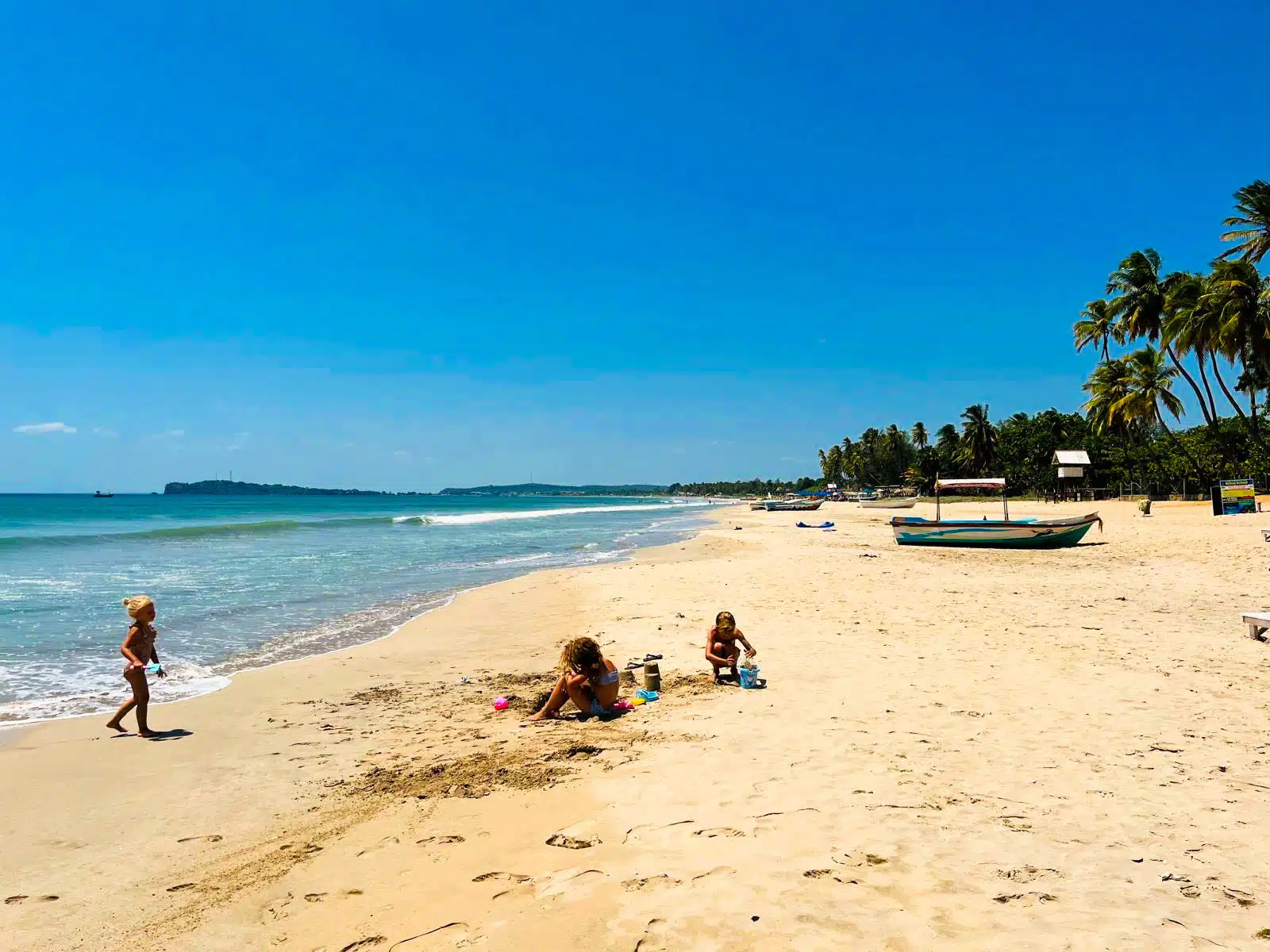
The Jaffna Peninsula has several beaches, of which Casuarina Beach near Karainagar is the best known. It’s a long, shallow bay with calm water — good for swimming — and lined with the casuarina trees that give it its name. It sees very few foreign visitors, making it one of the quieter beaches in Sri Lanka. The drive there along the causeway and across the flat peninsula landscape is worth doing in its own right.
Kayts Island
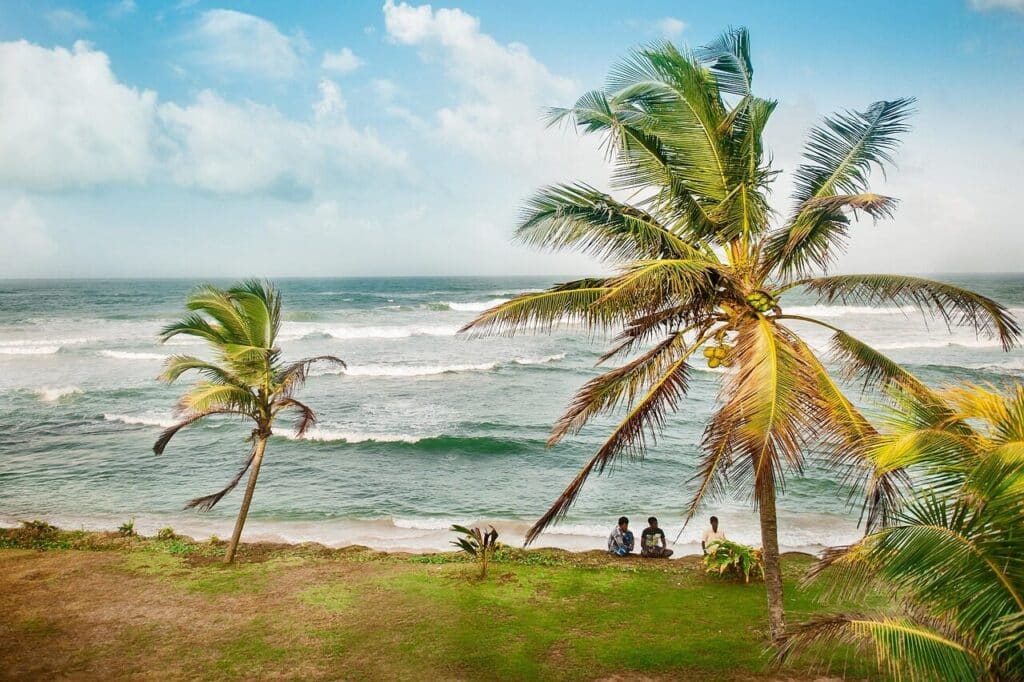
Kayts is the closest island to Jaffna and the easiest to visit — reachable by a short causeway rather than a boat. It’s less dramatic than Delft but offers a gentle, authentic glimpse of island life: fishing communities, small churches and temples, lagoon views and the particular quietness of a place that tourism hasn’t yet reached. A half-day loop combining Kayts with a drive along the peninsula coast is a relaxed way to fill an afternoon.
Practical Information: Northern Sri Lanka
Best time to visit
The north has a different weather pattern from the rest of Sri Lanka. The northeast monsoon, which arrives roughly from October to December, brings heavy rainfall to Jaffna and can make travel uncomfortable and boat trips to the islands unreliable. The best time to visit Northern Sri Lanka is between January and September, with February to April typically offering the most settled conditions.
Note that Jaffna can be intensely hot during the dry months — significantly hotter than the hill country and comparable to the driest parts of the Cultural Triangle. Mornings and evenings are more comfortable; plan temple visits and outdoor activities accordingly. For a full picture of how weather patterns affect planning across the whole island, the best time to visit Sri Lanka guide breaks it down month by month.
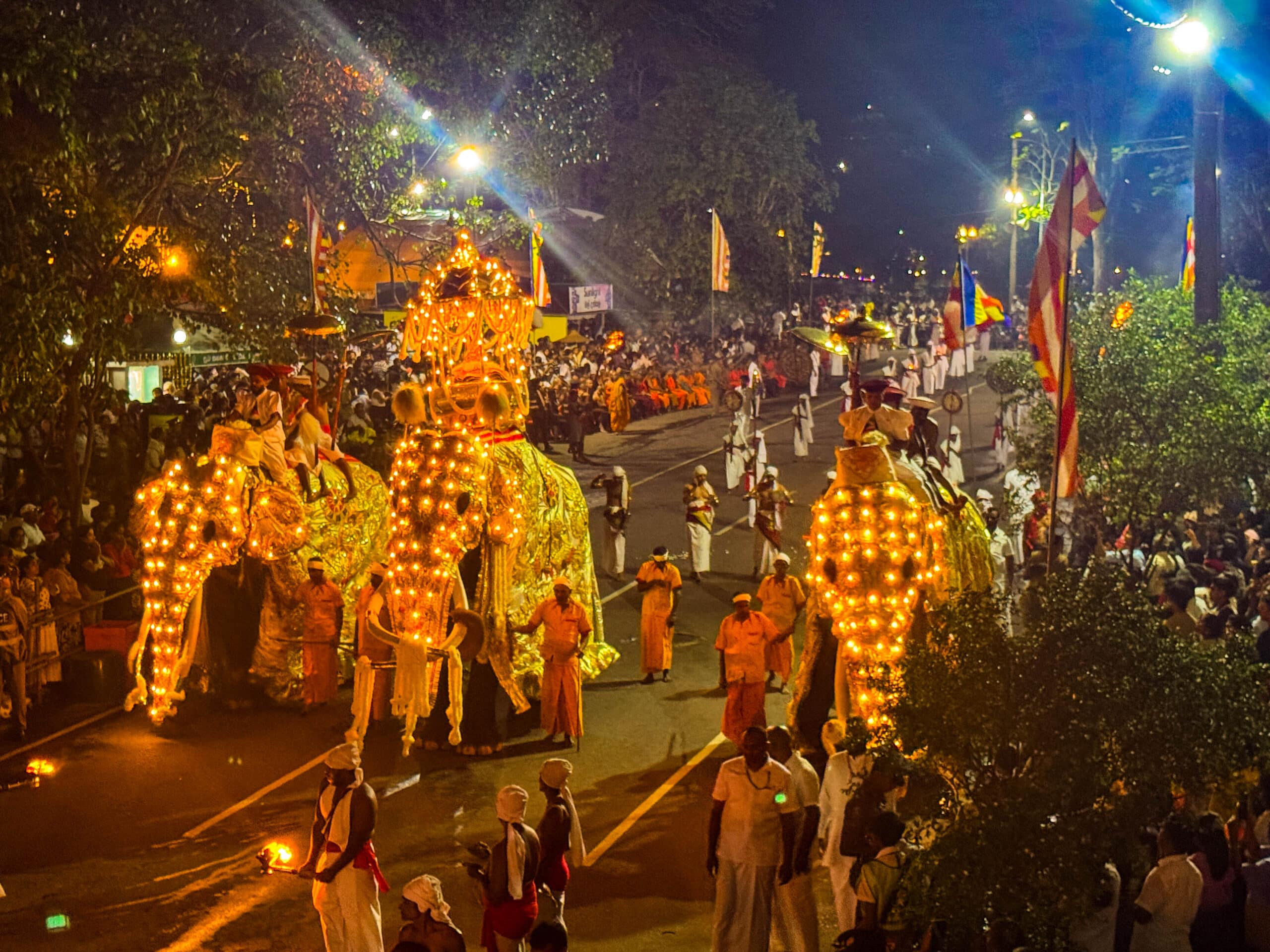
The Nallur Festival is one of the most spectacular cultural events in Sri Lanka. Held annually over 25 days in July–August at Nallur Kandaswamy Temple, the festival culminates in a procession of decorated chariots, devotees and traditional performers that fills the streets around the temple. If your travel dates overlap, Jaffna during the Nallur Festival is a remarkable experience — but accommodation books out quickly, so plan well in advance.
Getting to Northern Sri Lanka
By train: The Colombo–Jaffna train (Yal Devi / Jaffna Intercity) runs daily and takes approximately 6.5 to 7 hours. It is the most comfortable and atmospheric way to travel north, passing through the Cultural Triangle and the northern plains. Book tickets in advance through the Sri Lanka Railways booking system via 12Go — the Colombo–Jaffna service sells out, particularly at weekends.
By private driver: The drive from Colombo takes approximately 7–8 hours. It is a long day, and most travellers prefer to break the journey with an overnight in Anuradhapura, which also allows a half-day at the sacred city before continuing north.
By domestic flight: FitsAir operates flights between Colombo (Bandaranaike) and Jaffna. The flight takes approximately one hour and is a practical option for travellers who want to save time, though flight schedules and availability should always be verified close to travel dates.
Getting around
Jaffna city is compact enough for tuk-tuks, which are plentiful and affordable. For exploring the peninsula — including beach drives and the road to Kurikadduwan for island boats — a hired tuk-tuk for the day or a rented bicycle works well. Most guesthouses can help arrange day transport. For island trips, boats to Delft and Nainativu run from Kurikadduwan jetty, with services typically in the morning. Schedules vary by season and should be confirmed locally the day before.
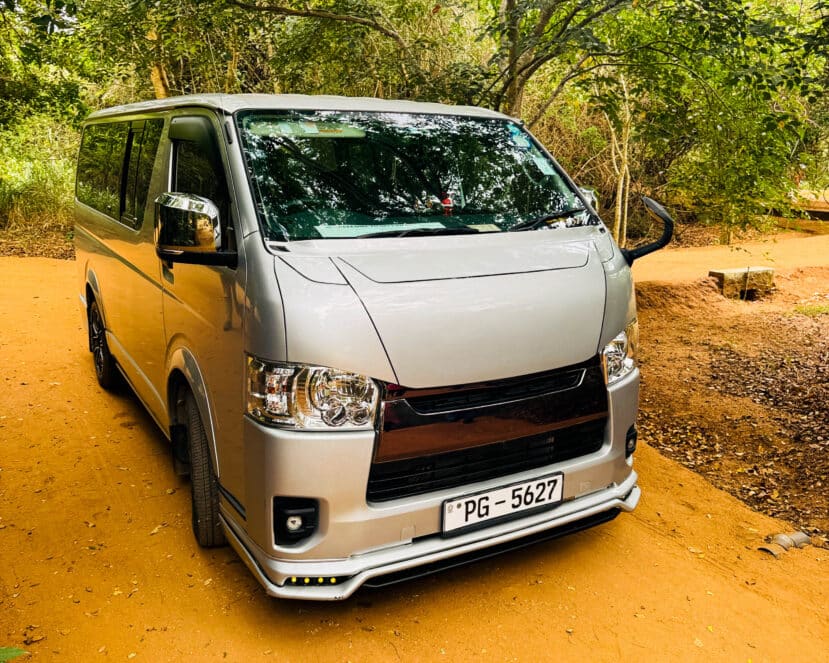
For travellers arriving and departing by private driver, we used Sri Lanka Personal Tour Drivers throughout our Sri Lanka trip and found the combination of private driving for longer transfers and local tuk-tuks for shorter distances to be the most practical approach.
How Northern Sri Lanka fits into an itinerary
The north is best added to itineraries of 10 days or more — and works most logically as a deliberate extension, either looping from Colombo via Anuradhapura before heading south, or as a final destination before returning to Colombo to fly home. The most common route that includes the north runs: Colombo → Anuradhapura → Jaffna → back south via the Cultural Triangle and Hill Country.
For travellers combining Sri Lanka with a Maldives extension, spending time in the north at the start of the trip (flying into Colombo, heading north, then working back south to end near the airport) is a logical option that avoids backtracking.
For day-by-day planning that shows how regions connect across the island, the 2 Week Sri Lanka Itinerary includes example routing for longer trips with more regional coverage.
Final Thoughts on Northern Sri Lanka
Northern Sri Lanka is the part of the island that changes how you think about Sri Lanka as a whole. Not because it’s more spectacular than the south or more dramatic than the hill country — but because it’s different in a way that matters. The temples are Hindu, the language is Tamil, the food is unlike anything you’ve eaten in Kandy or Ella, and the landscape has a particular flat, open beauty that takes a day or two to properly appreciate.
Travelling to the north takes commitment. The journey is long, the infrastructure is simpler, and the rewards are cultural rather than scenic. But the travellers who make the effort almost universally say the same thing: that Northern Sri Lanka was the part they hadn’t expected, and the part they’ll think about longest. A morning at Nallur during puja, wild horses on Delft Island, the quietness of Nagadeepa on the water’s edge — these are experiences that don’t feel like tourism. They feel like the actual place.
If you’re planning a longer trip to Sri Lanka and wondering whether the north is worth adding, the honest answer is yes — provided you give it proper time and go with realistic expectations. Northern Sri Lanka doesn’t perform for visitors. It simply is what it is, which is exactly why it’s worth going.
🐘 Plan Your Sri Lanka Trip
🏨 Still looking for the right stay? Browse all hotels in Sri Lanka — free cancellation on most rooms.
✈️ Flights: Compare routes and prices for flights to Sri Lanka.
🚂 Getting around: Book train tickets in advance (the scenic routes sell out), or arrange a private driver, tuk tuk rental or rental car.
📱 Stay connected: Get a Sri Lanka eSIM from Airalo before you fly. We use Airalo ourselves on every trip.
🔒 Travel insurance: Don't skip travel insurance for Sri Lanka — medical costs for tourists add up fast.
🎟️ Tours & activities: Browse safaris, cooking classes and tours across Sri Lanka.
💳 Money: Avoid card fees abroad with a free Revolut account.
Some links on this page are affiliate links. Booking through them costs you nothing extra and helps us keep this site running — thank you!
Frequently Asked Questions: Northern Sri Lanka
Is Northern Sri Lanka safe to visit?
Yes, Northern Sri Lanka is safe for tourists. The civil conflict ended in 2009, and Jaffna and the surrounding areas have been open to visitors for well over a decade. The region has seen steady growth in tourism infrastructure and is considered safe for independent travel. Basic precautions apply as they do anywhere — being respectful in temples, following local norms around dress and behaviour, and staying aware of your surroundings. The overall atmosphere in Jaffna is welcoming toward visitors. In Jaffna, Thambu Illam is a characterful heritage base.
How long do you need in Northern Sri Lanka?
Two to three nights in Jaffna is the most common and practical stay. This gives you one full day to explore the city — Nallur Temple, Jaffna Fort, the market — and one or two days for island and peninsula day trips. Delft Island alone merits a full day. Travellers with more time (four nights) can cover all the main islands, cycle the peninsula properly and spend evenings exploring Jaffna’s restaurants at a genuinely unhurried pace. Less than two nights makes it difficult to go beyond the city itself. The Thinnai Hotel is Jaffna’s most comfortable base for two to three nights.
What is the food like in Jaffna?
Jaffna cuisine is one of Sri Lanka’s most distinctive regional cooking traditions and a genuine highlight of visiting the north. It differs significantly from southern Sri Lankan food — more intensely spiced, heavier on dried fish and seafood, with dishes like Jaffna crab curry, mutton rolls, kool (a traditional seafood broth) and dosai that are hard to find prepared this way elsewhere. The local restaurants in and around the market area are the best places to eat — informal, affordable and genuinely good.
Can you visit the islands independently?
Yes, the boat services to Delft and Nainativu run from Kurikadduwan jetty and are accessible independently. There are no organised tourist tours required — you buy a ticket at the jetty and board. However, schedules are limited (typically one or two morning services) and may vary by season, so it is important to confirm departure times locally the day before. For Delft in particular, arriving early and spending a full day is strongly recommended as the afternoon boat is the only return option.
Is Northern Sri Lanka suitable for first-time visitors to Sri Lanka?
It can be, but it requires honest self-assessment. If you are visiting Sri Lanka for the first time with 10–14 days and want beaches, wildlife, the Hill Country and the Cultural Triangle, Northern Sri Lanka will almost certainly feel like one region too many. It is better saved for a return visit when you already know the south and want to see a genuinely different Sri Lanka. That said, travellers who prioritise culture and local experience over ticking sights often find the north more rewarding than the busy tourist trail. A private driver in Sri Lanka makes the long journey north much easier.
When is the Nallur Festival in Jaffna?
The Nallur Festival takes place over 25 days at Nallur Kandaswamy Temple, typically in July and August. The exact dates vary each year according to the Tamil calendar. The culminating chariot procession — a spectacular event involving enormous decorated temple chariots, devotees and traditional performers — usually falls in August. If your dates align, it is worth planning your visit specifically around it. Book accommodation well in advance as Jaffna fills up during festival period.
What language do people speak in Northern Sri Lanka?
Tamil is the primary language in Jaffna and across the north. English is spoken at hotels, guesthouses and by many younger residents, so day-to-day travel communication is manageable. Learning a few words of Tamil (vanakkam for hello, nandri for thank you) is appreciated and tends to be received with warmth. Sinhala is less commonly spoken in Jaffna than in the south, which is part of what makes the region feel genuinely distinct from the rest of the island.
Related Blogs
Other Region Blogs
Sri Lanka Regions Explained: How to Choose the Best Areas for Your Trip
Sri Lanka Cultural Triangle: Ancient Cities, Temples & Where to Stay
Sri Lanka Hill Country: Tea Plantations, Train Rides & Cool Climate Escapes
Sri Lanka South Coast: Beaches, Surf Towns & Coastal Travel
Sri Lanka East Coast: Best Beaches, Bases & When to Go
Northern Sri Lanka: Culture, Travel & What to Expect
Sri Lanka West Coast: Colombo, Negombo & Your Gateway to the Island
Other Sri Lanka Blogs
Best Hotels in Sri Lanka: How to Choose Where to Stay — by Region & Value
Where to Stay in Sri Lanka: Best Hotels by Travel Style
Best Cities to Visit in Sri Lanka: A Practical Guide to Regions, Routes & City Bases
Sri Lanka Travel Itinerary: Custom Plans for Beach Lovers, City Explorers, and Wildlife Adventurers
Top Things to Do in Sri Lanka: The Most Rewarding Experiences on the Island
Best Time to Visit Sri Lanka: Weather, Seasons & Travel Tips
Sri Lanka Weather by Month: What to Expect Each Season as a Traveller
Getting Around Sri Lanka: Ultimate Guide to Transport, Trains, Tuk-Tuks & Easy Trip Planning
Is Sri Lanka Expensive to Travel? Budget, Costs & Money-Saving Tips for Your Trip
Sri Lanka Travel Guide: Visa Requirements, Vaccination & Local Travel Tips