Table of Contents
Sri Lanka may look small on the map, but planning a trip here involves more than choosing beaches and train routes. From understanding Sri Lanka visa requirements to knowing what to expect with health advice, transport and daily logistics, a little preparation makes a noticeable difference once you land.
This Sri Lanka Travel Guide brings the essential details together in one place — so you can travel confidently, move through the island with ease, and focus on what truly matters: tea-covered hills, wildlife encounters, temple visits and long coastal sunsets without unnecessary stress.
In a Rush?
These are my Favourite Hotels in Sri Lanka
⭐️⭐️⭐️ The Six Weligama – Weligama – Check Prices and Availability
⭐️⭐️ Arawe Retreat – Ella – Check Prices and Availability
⭐️ Villa Shade – Negombo – Check Prices and Availability
Sri Lanka Travel Guide Overview: Key Travel Essentials at a Glance
Before diving into the detailed sections below, this quick overview helps you see the most important travel essentials in one place. From visa rules to health advice and transport tips, this table gives you a clear starting point for planning your trip to Sri Lanka efficiently and confidently.
| Topic | What You Need to Know | Quick Tip |
|---|---|---|
| Visa Requirements | Most travellers need an Electronic Travel Authorization (ETA) before arrival. Valid for 30 days and extendable. | Apply via the official government website to avoid extra fees. |
| Best Time to Visit | Travel depends on monsoon seasons. South and west best Dec–Mar, east best May–Sep. | Plan your route based on region, not just month. |
| Vaccinations | Routine vaccines up to date. Hep A and Typhoid commonly recommended. | Visit a travel clinic 6 weeks before departure. |
| Mosquito Risk | No malaria, but dengue exists. | Use repellent and wear long sleeves at dawn and dusk. |
| Transport | Trains, private drivers, tuk-tuks and ride-hailing apps widely available. | Book scenic train tickets early (30 days ahead). |
| Money | Sri Lankan Rupee (LKR). Cards accepted in tourist areas. cash essential locally. | Withdraw cash at the airport after arrival. |
| Safety | Generally safe destination with low crime rates. | Stay alert in crowds and check beach flags before swimming. |
| Travel Insurance | Strongly recommended for medical coverage and evacuation. | Confirm coverage before departure. |
Sri Lanka Visa Requirements: The ETA Explained
Most tourists must obtain an Electronic Travel Authorization (ETA) before travelling to Sri Lanka. The application is a simple online process that should be completed through the official government website (www.eta.gov.lk). This section explains the process step by step.
How to Apply for the Sri Lanka ETA
- Go to the official ETA website: www.eta.gov.lk
- Choose Tourist ETA.
- Fill in your details, including passport number and travel dates.
- Upload a copy of your passport and a passport-sized photo.
- Pay the ETA fee by credit card.
- Wait for approval (usually within 24 hours). You’ll receive an email confirmation that you must present upon arrival.
⚠️ Tip: Always apply through the official site to avoid third-party agencies charging extra fees.

Visa Types, Fees & Validity
The standard tourist ETA allows a stay of up to 30 days upon arrival and can be extended to a total of 270 days (around nine months) while in Sri Lanka. Extension fees and conditions vary depending on your nationality, so it’s important to always check the most up-to-date requirements on the official government website before making plans. It’s wise to allow enough flexibility in your itinerary in case processing times or rules change.
If you decide to stay longer, you can extend your visa in person at the Department of Immigration and Emigration in Colombo. When arriving early in the morning with the correct documents, the process is usually straightforward and often completed within a few hours, making it a manageable option for travellers who fall in love with the island and wish to linger longer.
Visa on Arrival vs. Online ETA
While a visa on arrival is technically available for some nationalities, applying for your ETA online in advance is strongly recommended. Completing the application before departure saves time after a long flight, helps you avoid potentially lengthy airport queues, and reduces uncertainty upon arrival. Arranging your visa ahead of time ensures a smoother entry process, allowing you to start your trip calmly and focus on the journey ahead rather than administrative formalities.
For a step-by-step explanation of the application process, required documents, fees, and common mistakes to avoid, read Entry Visa to Sri Lanka Explained: How to Apply & Entry Requirements for Tourists before submitting your ETA.
Best Time to Visit Sri Lanka
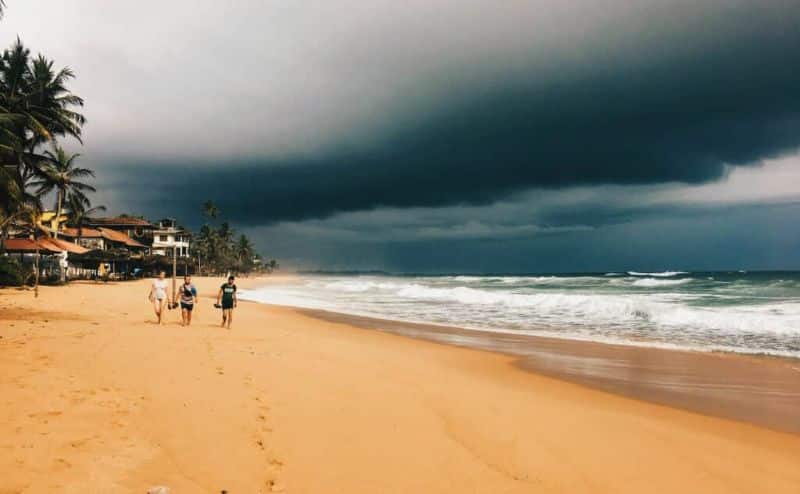
There’s no single “best” time to visit Sri Lanka, as the island is influenced by two different monsoon seasons that affect regions at different times of the year. This unique climate pattern means Sri Lanka is a year-round destination — as long as you plan your route carefully. Using this Sri Lanka Travel Guide helps you match the right regions with the right season, so you’re not chasing sunshine in the wrong part of the country.
Instead of focusing on months alone, look at which coast or region is at its best during your travel period. This makes it much easier to build a flexible itinerary that combines good weather with the experiences you’re most excited about.
West & South Coast (December to March):
This period offers the most reliable beach weather along the west and south coast, making it ideal for destinations such as Mirissa, Unawatuna, Bentota, and Galle. Calm seas, sunny days, and lower rainfall make this the peak season for beach stays and coastal road trips, as explained throughout this Sri Lanka Travel Guide.
East Coast (May to September):
When the south and west experience heavier rain, the east coast comes into its own. From surfing in Arugam Bay to relaxed beach time around Trincomalee and Nilaveli, these months are perfect for travellers following the Sri Lanka Travel Guide logic of travelling with the seasons rather than against them.
Hill Country (Year-round, driest January to March):
The central highlands, including Kandy, Nuwara Eliya, and Ella, enjoy cooler temperatures throughout the year. While rain is possible in any season, the months from January to March tend to be the driest, offering clearer views, scenic hikes, and ideal conditions for the famous train journeys highlighted in this Sri Lanka Travel Guide.
For a deeper explanation of how the two monsoon systems work and how they influence travel planning, see Sri Lanka Monsoon Seasons Explained: Southwest vs Northeast. If you’d rather see ready-made month-by-month advice instead of piecing it together yourself, use this Best Time to Visit Sri Lanka: Weather, Seasons & Travel Tips guide to match weather with your route.
Health & Vaccinations for Sri Lanka
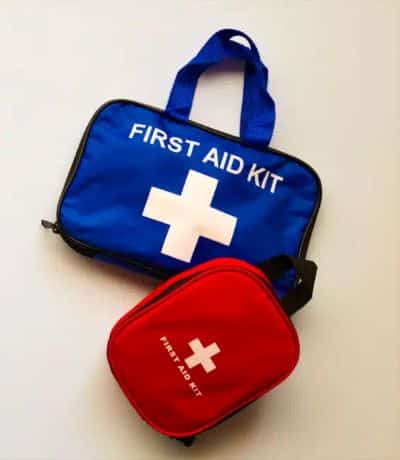
Travel health is just as important as your passport when planning a trip to Sri Lanka. Before departure, always consult your GP or a certified travel clinic at least six weeks in advance for personalised medical advice. This section of the Sri Lanka Travel Guide helps you understand which vaccinations are commonly recommended, how to reduce health risks on the road, and what practical precautions make travelling through the country more comfortable and worry-free.
Recommended Vaccinations
Most travellers don’t need an extensive vaccination programme, but a few basics are essential. According to standard travel health advice referenced throughout this Sri Lanka Travel Guide, the following vaccinations are commonly recommended:
- Routine vaccinations:
Ensure your MMR (measles, mumps, rubella) and tetanus vaccinations are up to date before travelling. - Recommended for most travellers:
Hepatitis A and Typhoid are commonly advised due to the risk of food- and waterborne illnesses, especially when travelling outside major hotels or resorts. - For some travellers:
Depending on the length of your stay, travel style, and activities (such as volunteering, long-term travel, or close contact with animals), vaccinations for Hepatitis B, Rabies, and Japanese Encephalitis may be recommended. A travel clinic can assess this based on your itinerary, as outlined in this Sri Lanka Travel Guide.
For a detailed breakdown of vaccinations, timelines, and risk levels, see Essential Vaccinations & Injections for Sri Lanka: What Travellers Need to Know.
Mosquito-Borne Illnesses
Sri Lanka is officially malaria-free, having been certified by the World Health Organization in 2016, which simplifies travel planning. However, mosquito-borne illnesses such as dengue fever do occur, particularly after the monsoon seasons. Prevention is essential, as there is no vaccine or specific treatment for dengue.
Practical prevention tips include:
- Use insect repellent containing DEET or picaridin.
- Wear long sleeves and trousers during dawn and dusk, when mosquitoes are most active.
- Stay in accommodation with air conditioning, mosquito nets, or screened windows whenever possible.
These simple habits significantly reduce your risk and are especially important when travelling with children.
Food & Water Safety
Tap water in Sri Lanka is not safe to drink. Travellers should stick to sealed bottled water, which is widely available throughout the country, including at the airport and in small shops. Avoid ice in drinks outside established hotels, particularly in rural areas. This Sri Lanka Travel Guide also recommends choosing busy local restaurants where food turnover is high, as this usually indicates fresher preparation.
It’s wise to carry hand sanitiser and oral rehydration salts, especially for longer journeys, family travel, or trips involving remote areas.
Medical Care & Insurance
In case of emergencies, Sri Lanka’s national ambulance service can be reached by calling 1990. While private hospitals in major cities provide good medical care, costs can add up quickly without insurance. Comprehensive travel insurance that covers medical treatment, hospitalisation, and emergency evacuation is strongly recommended.
Providers such as EKTA Insurance offer coverage that includes medical expenses abroad, including treatment related to mosquito-borne illnesses and unexpected health issues. Always make sure your policy is active before departure and keep emergency contact details accessible during your trip.
Essential Local Travel Tips
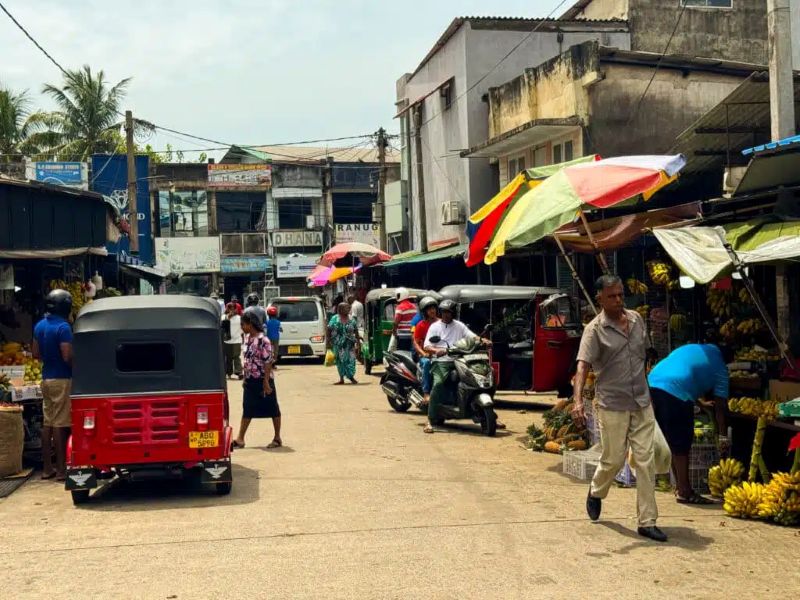
These insider tips from the Sri Lanka Travel Guide help you navigate daily life in the country with confidence, whether you’re travelling independently, as a couple, or with family. Understanding how transport and money work on the ground makes a noticeable difference to how relaxed your trip feels.
Getting Around Sri Lanka
Getting around Sri Lanka can be slower than distances suggest, but with the right choices it becomes part of the experience. Below are the most practical and popular transport options for travellers.
Trains:
Sri Lanka’s train journeys are as much about the scenery as the transport itself. The Kandy–Ella route is often described as one of the most scenic train rides in the world, passing tea plantations, misty hills, and small villages. Reserved seats for the scenic Kandy–Ella route can be booked in advance via 12Go Asia for the Kandy to Ella train, as tickets often sell out within minutes once released (around 30 days before departure). For the best views, sit on the right-hand side when travelling south until Nuwara Eliya, and on the left-hand side from Nuwara Eliya to Ella — a detail often overlooked but noted in this Sri Lanka Travel Guide.
Private drivers:
Hiring a private driver is a common and cost-effective option, especially for families or small groups following a multi-stop itinerary. It offers flexibility, comfort, and local insight, and is particularly useful when combining destinations like Sigiriya, Kandy, Ella, and the south coast. For many travellers, this is the easiest way to cover longer distances without stress, as recommended throughout the Sri Lanka Travel Guide. If you prefer flexibility and comfort, we personally travelled with a Sri Lanka Personal Tour Driver with custom itinerary and hotel pickup, and it made covering multiple regions smooth, relaxed, and completely stress-free.
Tuk-tuks:
For short distances within towns and cities, tuk-tuks are everywhere. In larger cities, apps like PickMe and Bolt offer transparent pricing and avoid the need to negotiate. If you hail a tuk-tuk on the street, always agree on the fare before starting the ride — a simple habit that avoids misunderstandings and keeps things relaxed.
For a deeper look at all transport options, including buses, domestic flights, and realistic travel times, see Getting Around Sri Lanka: Ultimate Guide to Transport, Trains, Tuk-Tuks & Easy Trip Planning.
Money, ATMs & Tipping
Handling money in Sri Lanka is straightforward once you know what to expect. Below are practical, everyday spending tips.
Currency:
The local currency is the Sri Lankan Rupee (LKR), which is used for nearly all day-to-day transactions.
Cards & cash:
Credit and debit cards are widely accepted in hotels, resorts, and many restaurants, particularly in tourist areas. However, cash is still essential for small shops, local eateries, market stalls, entrance fees, and tuk-tuks. Carrying small notes makes payments easier and is strongly advised in this Sri Lanka Travel Guide.
ATMs:
ATMs are widely available across the country, with most machines allowing withdrawals of around 20,000–40,000 LKR per transaction. A convenient place to withdraw cash is at the airport immediately after customs, where multiple ATMs are located and rates are generally favourable compared to hotels.
Tipping:
A 10% service charge is often included in restaurant and hotel bills. While tipping isn’t mandatory, leaving a small extra amount for good service is appreciated, particularly for drivers, guides, and hotel staff.
💰 Money exchange & ATMs:
You won’t be able to obtain Sri Lankan rupees before arrival, so plan to exchange money or withdraw cash once you land. Airport exchange counters and ATMs are reliable and usually offer better rates than hotels. Avoid changing large sums at unofficial exchange points, as advised in this Sri Lanka Travel Guide.
To manage spending abroad easily, many travellers use a Revolut card for Sri Lanka travel payments, which offers low exchange rates and lets you pay directly in LKR without hidden conversion fees.
For a complete breakdown of costs, payment methods, and budgeting tips, see Is Sri Lanka Expensive to Travel? Budget, Costs & Money-Saving Tips for Your Trip.
Culture, Customs & Etiquette
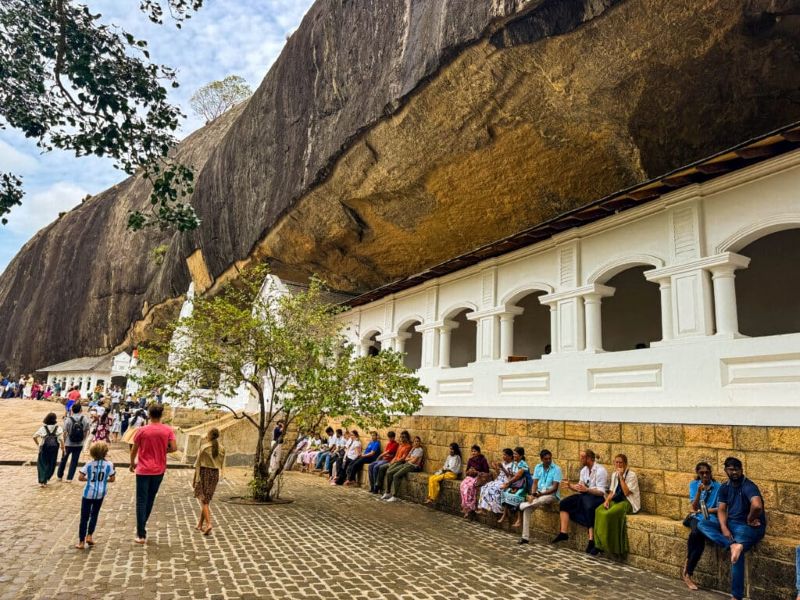
Understanding local customs makes travelling through Sri Lanka not only smoother, but also more respectful and rewarding. Sorting your Sri Lanka visa requirements early allows you to fully focus on cultural experiences, from ancient cave temples like Dambulla to everyday interactions with locals. This section of the Sri Lanka Travel Guide highlights a few key etiquette points that help you blend in and avoid unintentional misunderstandings.
Temple dress code:
When visiting temples and sacred sites, both men and women should cover their shoulders and knees. Shoes and hats must be removed before entering temple grounds. Carrying a light scarf or sarong is an easy solution and a tip often mentioned in this Sri Lanka Travel Guide.
Greetings:
A warm smile combined with a slight bow and hands placed together — known as ayubowan — is a respectful and widely appreciated greeting, especially in more traditional settings.
Public behaviour:
Public displays of affection are best avoided, particularly in rural areas. Religious images, especially Buddha statues, should always be treated with respect — avoid touching, posing inappropriately, or turning your back to them when taking photos, as advised throughout this Sri Lanka Travel Guide.
The left-hand rule:
In Sri Lankan culture, the right hand is traditionally used for eating, giving, and receiving items. Using your right hand is a small but meaningful gesture of respect.
Safety & Responsible Travel
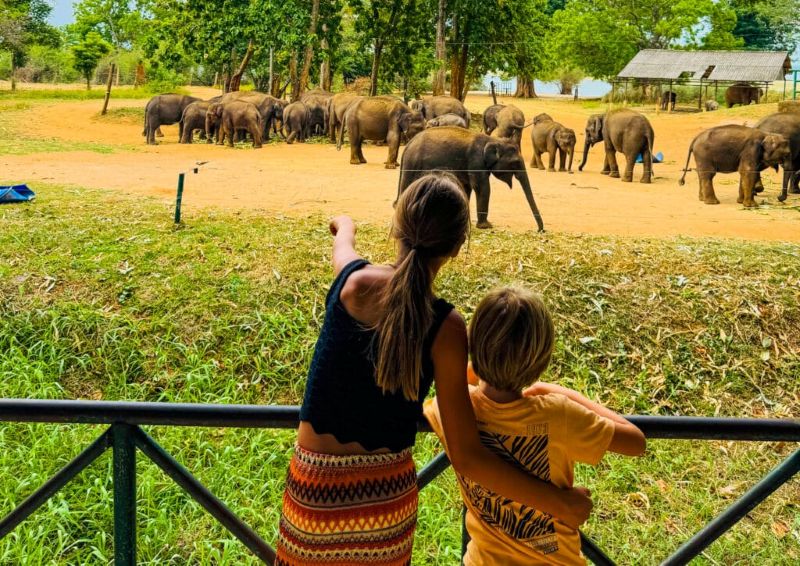
Taking care of your Sri Lanka visa requirements in advance allows you to travel with peace of mind and fully enjoy the country’s landscapes, wildlife, and culture. The country is generally very safe for travellers, with low crime rates and a welcoming atmosphere. If you want to know more about this, read our full guide: Is It Safe in Sri Lanka as Travel Destination? Top Safety Tips & Travel Advice.
That said, basic awareness is important. Stay alert in crowded places, keep valuables secure, and always follow local advice. When swimming, pay attention to beach safety flags — rip currents are common, particularly along the south and west coast. This Sri Lanka Travel Guide strongly advises against swimming where red flags are displayed.
Responsible travel is especially important when it comes to wildlife. Avoid experiences that involve elephant rides, forced interactions, or turtle handling. Instead, choose conservation-focused initiatives such as the Elephant Transit Home in Udawalawe, where orphaned elephants are rehabilitated and released back into the wild. Making ethical choices helps protect Sri Lanka’s wildlife for future generations — an approach that helps protect Sri Lanka’s wildlife for future generations. If you’re planning wildlife experiences, this Udawalawe National Park half-day safari with hotel pickup is a reliable option that includes transport and an experienced tracker.
For Female Travellers
Sri Lanka is generally a welcoming and safe destination for female travellers, whether travelling solo or in a group. Modest clothing and cultural awareness go a long way in avoiding unwanted attention, particularly outside major tourist areas. This Sri Lanka Travel Guide recommends avoiding walking alone at night in quiet or poorly lit areas and choosing seats near other women when using local buses.
For evening transport, ride-hailing apps such as PickMe and Bolt are considered safer and more reliable than hailing tuk-tuks on the street after dark. Trusting your instincts, dressing respectfully, and planning transport ahead will help ensure a comfortable and confident travel experience throughout Sri Lanka.
Travelling with Kids
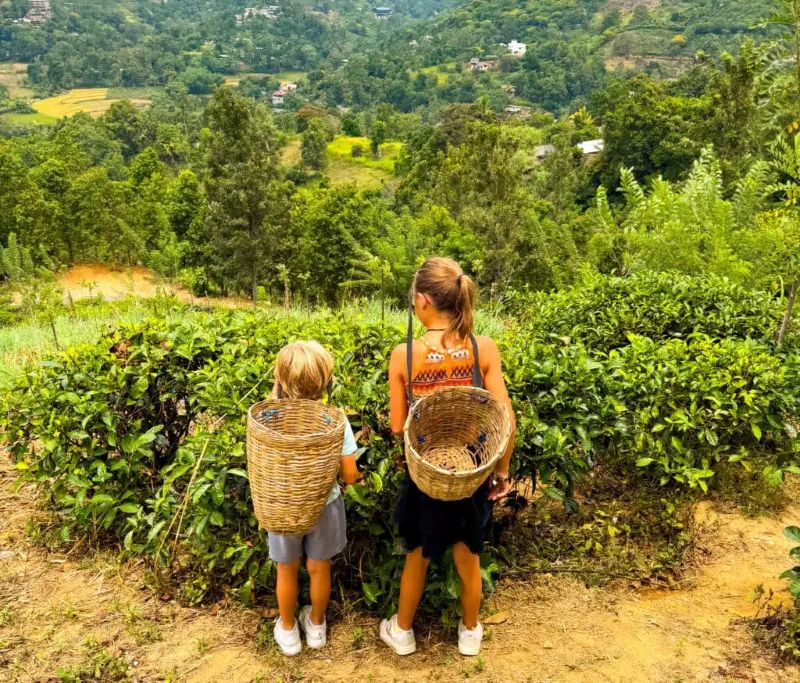
Sorting your Sri Lanka visa requirements early gives you the freedom to fully enjoy family moments, whether that’s walking through tea fields, spotting wildlife, or slowing down at the beach. Travelling with children in Sri Lanka is often easier than many families expect. Distances between highlights are relatively short, locals are genuinely kind towards kids, and the mix of nature, animals, culture, and beaches keeps different age groups engaged.
This Sri Lanka Travel Guide recommends hiring a private driver when travelling as a family. It adds flexibility, allows for spontaneous stops, and makes it easier to adjust travel days to nap times or changing energy levels. Planning slightly shorter travel days helps avoid fatigue, especially with younger children.
On a practical level, small preparations go a long way. Bring familiar snacks for long drives, wet wipes for sticky hands, and sun protection for outdoor sightseeing. Family-friendly accommodation is widely available, and many guesthouses and hotels are happy to help with baby cots, early meals, or flexible check-in times — another reason Sri Lanka works so well for family travel, as highlighted throughout this Sri Lanka Travel Guide.
If you want more inspiration, you can check this blog: Sri Lanka with Kids.
Common Scams
Sri Lanka is a safe and welcoming destination, but like anywhere with tourism, a few common scams do exist. Being aware of them makes it easy to avoid issues and travel with confidence, as advised in this Sri Lanka Travel Guide.
One of the most common scams involves someone claiming your hotel, a temple, or a tourist site is “closed” and offering to take you somewhere else instead. To avoid this, always double-check information directly with your accommodation or official sources. Booking hotels through platforms like Booking.com helps ensure verified listings, reliable reviews, and flexible cancellation options for most stays — something for added peace of mind.
Another frequent scam involves gem, tea, or spice shops promising “authentic” deals or factory tours that turn into high-pressure sales situations. While Sri Lanka is famous for these products, it’s best to purchase them from trusted stores, official outlets, or shops recommended by your hotel or driver.
Tip:
For transparent taxi fares and to avoid price negotiations, download the PickMe app. It works similarly to Uber and is widely used in major cities and tourist areas — a simple tool that makes everyday transport easier.
Packing Essentials
Pairing your eSIM setup with completed Sri Lanka visa requirements ensures a smooth start to your trip, but packing smart is just as important once you’re on the ground. Sri Lanka’s tropical climate, cultural norms, and varied landscapes mean that thoughtful packing can make daily travel noticeably more comfortable. This section of the Sri Lanka Travel Guide focuses on essentials that truly matter, rather than overpacking.
Light, breathable clothing is key for Sri Lanka’s warm and humid lowlands. Cotton or linen outfits help keep you cool, while a light sweater or thin jacket is useful for cooler evenings in the Hill Country, especially in places like Ella or Nuwara Eliya. According to this Sri Lanka Travel Guide, layering is more practical than packing heavy items.
When visiting temples and religious sites, modest clothing is required. A lightweight sarong or shawl is ideal for covering shoulders and knees and takes up very little space in your day bag — a small but essential item highlighted throughout this Sri Lanka Travel Guide.
A reusable water bottle is useful for staying hydrated, particularly if it has a built-in filter. High-SPF sunscreen and mosquito repellent containing DEET are must-haves, especially for coastal areas, safaris, and evenings after the monsoon season. These items are widely available locally, but bringing your preferred brands can be more convenient.
Weather can change quickly, particularly in the central highlands, so a compact rain jacket or poncho is worth packing year-round. A dry bag is another practical addition for beach days, boat trips, or waterfall visits — something many travellers only realise they need once they arrive.
Electricity in Sri Lanka uses Type G plugs (230V), the same as in the UK, so a suitable power adapter is essential if you’re travelling from elsewhere. Bringing a small power strip can also be useful when outlets are limited in guesthouses.
Once the basics are clear, you can use this flexible Sri Lanka travel itinerary to turn your ideas into a realistic day-by-day route.
Final Pre-Travel Checklist
Before you leave, double-check the essentials in this Sri Lanka Travel Guide:
- ✅ Passport valid for at least 6 months from your arrival date
- ✅ ETA application approved (digital or printed copy ready)
- ✅ Travel insurance confirmed (Heymondo or EKTA)
- ✅ Key accommodations booked (via Booking.com)
- ✅ Train tickets arranged via 12Go
- ✅ Recommended vaccinations completed
- ✅ Revolut card activated for travel payments.
Final Thoughts on this Sri Lanka Travel Guide
A well-prepared trip to Sri Lanka feels effortless. When your paperwork is sorted, your health considerations are clear, and you understand how transport and money work on the ground, the island opens up in a far more relaxed way.
This Sri Lanka Travel Guide is for travellers who want clarity before they go — whether you’re planning a short escape, a family journey, or a longer loop around the island. If you’d like to see how everything fits together in practice, our 2 Week Sri Lanka Itinerary: Deep Dive into Culture, Adventure & Relaxation Across the Island shows how to combine culture, wildlife, hill country and beach time into one smooth, well-paced route.
🐘 Plan Your Sri Lanka Trip
🏨 Still looking for the right stay? Browse all hotels in Sri Lanka — free cancellation on most rooms.
✈️ Flights: Compare routes and prices for flights to Sri Lanka.
🚂 Getting around: Book train tickets in advance (the scenic routes sell out), or arrange a private driver, tuk tuk rental or rental car.
📱 Stay connected: Get a Sri Lanka eSIM from Airalo before you fly. We use Airalo ourselves on every trip.
🔒 Travel insurance: Don't skip travel insurance for Sri Lanka — medical costs for tourists add up fast.
🎟️ Tours & activities: Browse safaris, cooking classes and tours across Sri Lanka.
💳 Money: Avoid card fees abroad with a free Revolut account.
Some links on this page are affiliate links. Booking through them costs you nothing extra and helps us keep this site running — thank you!
Frequently Asked Questions – Sri Lanka Travel Guide
Do I need a visa for Sri Lanka?
Yes, most travellers must apply for an Electronic Travel Authorisation (ETA) before arrival. The online process is simple and approval is often granted within 24 hours. The standard tourist ETA allows a 30-day stay and can be extended while in Sri Lanka. Always apply via the official government website and check current fees and requirements before departure.
When is the best time to visit Sri Lanka?
The best time depends on the region rather than the month alone. The south and west coast are typically driest from December to March, while the east coast enjoys better weather from May to September. The Hill Country is cooler year-round, with clearer conditions often between January and March. Planning your route around monsoon patterns is key.
What vaccinations do I need for Sri Lanka?
Most travellers should ensure routine vaccinations are up to date. Hepatitis A and Typhoid are commonly recommended, particularly if you plan to eat outside major hotels. Additional vaccines may be advised depending on trip length and activities. Consult a GP or travel clinic at least six weeks before departure for personalised advice based on your itinerary.
Is Sri Lanka safe for tourists?
Sri Lanka is generally considered a safe destination for travellers, including solo and family visitors. Violent crime is rare, though petty theft can occur in busy areas. Basic precautions such as keeping valuables secure, using registered transport, and respecting local customs help ensure a smooth trip. Beach safety flags should always be followed due to rip currents. A good travel insurance policy for Sri Lanka is also strongly advised, as private medical care and evacuation can be costly without cover.
Can I use credit cards everywhere in Sri Lanka?
Cards are widely accepted in hotels, resorts, and many restaurants in tourist areas. However, cash remains essential for small shops, local eateries, market stalls, entrance fees, and tuk-tuks. ATMs are available across the country, including at the airport. Carrying smaller notes makes daily transactions easier, especially outside major cities. To avoid hidden conversion fees, many travellers use a Revolut card to pay and withdraw directly in rupees.
Can I drink tap water in Sri Lanka?
No, tap water is not considered safe for drinking. Travellers should use sealed bottled water or filtered water at all times. Many hotels provide bottled water daily, and refill stations are increasingly available. Bringing a reusable bottle with a built-in filter is a practical and more sustainable option during your Sri Lanka trip.
Related Blogs
Other practical blogs
Best Time to Visit Sri Lanka: Weather, Seasons & Travel Tips
Sri Lanka Weather by Month: What to Expect Each Season as a Traveller
Sri Lanka Monsoon Seasons Explained: Southwest vs Northeast
Getting Around Sri Lanka: Ultimate Guide to Transport, Trains, Tuk-Tuks & Easy Trip Planning
Is Sri Lanka Expensive to Travel? Budget, Costs & Money-Saving Tips for Your Trip
Essential Vaccinations & Injections for Sri Lanka
Is It Safe in Sri Lanka? Top Safety Tips & Travel Advice
Entry Visa to Sri Lanka Explained: How to Apply & Entry Requirements
Other Sri Lanka Blogs
Best Hotels in Sri Lanka: How to Choose Where to Stay
Where to Stay in Sri Lanka: Best Hotels by Travel Style
Sri Lanka Regions Explained: How to Choose the Best Areas for Your Trip
Best Cities to Visit in Sri Lanka: A Practical Guide to Regions, Routes & City Bases
Sri Lanka Travel Itinerary: Custom Plans for Beach Lovers, City Explorers, and Wildlife Adventurers
Top Things to Do in Sri Lanka: The Most Rewarding Experiences on the Island