Table of Contents
Udawalawe National Park is often described as the best place in Sri Lanka to see elephants — not because it guarantees drama, but because it delivers consistency. Open plains, wide reservoirs and a large resident herd create a safari experience that feels calm, visible and accessible.
This guide explores what Udawalawe National Park does particularly well, when to visit, what a safari here actually feels like, how much to budget, and which stays make sense — so you can decide if it fits your travel style and route through Sri Lanka.
In a Rush?
These are my Favourite Hotels in Udawalawe
- ⭐️⭐️⭐️ Waraka – Udawalawe – Check Prices and Availability
- ⭐️⭐️ Grand Udawalawe Safari Resort – Udawalawe – Check Prices and Availability
- ⭐️Vimanra – Udawalawe – Check Prices and Availability
Udawalawe National Park at a Glance
Planning a visit to Udawalawe National Park? This overview summarises everything covered in this guide — from safari timing and costs to accommodation options and practical travel planning — so you can quickly see if Udawalawe fits your itinerary.
| Topic | Key Information |
|---|---|
| Main attraction | Large resident elephant population with frequent sightings |
| Safari type | Half-day safari (3–4 hours) in a 4×4 jeep with licensed guide |
| Best time to visit | Year-round, best visibility during the dry season (May–September) |
| Best safari time of day | Early morning (06:00) or afternoon (from 14:30) |
| Wildlife highlights | Elephants, water buffalo, crocodiles, deer, monitor lizards, rich birdlife |
| Leopard sightings | Possible but extremely rare |
| Elephant Transit Home (ETH) | Rehabilitation centre for orphaned elephants, located near the park |
| Entrance and safari costs | Approx. $50–70 per adult for a fully inclusive private safari |
| How long to stay | 1 night (standard) or 2 nights for a slower pace |
| Getting there | Easy access from Ella, south coast, or Colombo |
| Where to stay | Budget guesthouses, mid-range lodges, and small luxury resorts |
| Family-friendly | Yes — short safaris, good visibility, and calm structure |
Why Udawalawe is Sri Lanka’s Premier Elephant Safari Destination
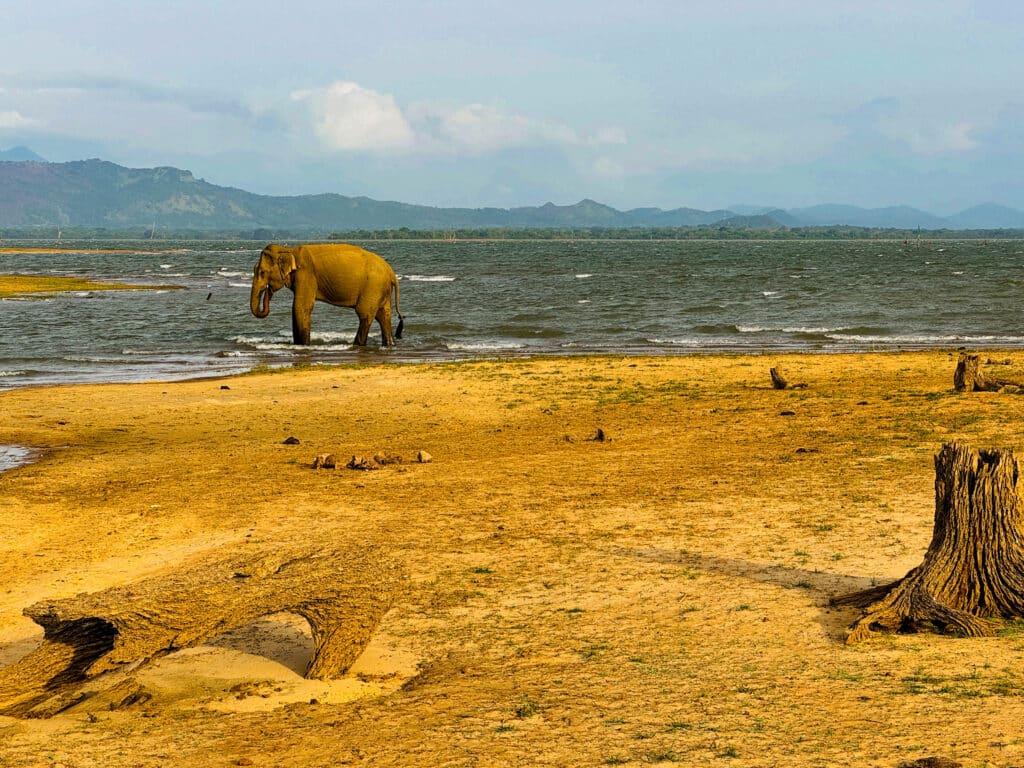
Udawalawe National Park is widely regarded as Sri Lanka’s most reliable park for elephant sightings, largely because of its open landscape and large resident population. Covering around 308 km², the park is dominated by open grasslands, scrub forest, wetlands, and the vast Udawalawe Reservoir. This openness makes wildlife easier to spot than in many of Sri Lanka’s more densely forested national parks.
What truly sets Udawalawe apart is its large resident elephant population. An estimated 500–700 elephants live in and around the park year-round, meaning sightings are frequent and not dependent on migration patterns or seasonal luck. It’s common to encounter multiple individuals or herds during a single safari, often at close but respectful distances.
Because visibility is high and the terrain is easy to navigate, wildlife encounters tend to happen frequently and at close range, without the need for constant repositioning. Jeep traffic is more spread out, animals are easier to observe without chasing them, and the experience suits travellers who prefer steady observation over fast-paced wildlife tracking. This also makes Udawalawe particularly suitable for families and first-time safari visitors.
Another defining aspect of Udawalawe is its role in elephant conservation. The park is closely connected to long-term protection efforts, including rehabilitation and release programmes for orphaned elephants, reinforcing its reputation as a destination where wildlife welfare is taken seriously.
The Udawalawe Elephant Transit Home (ETH)
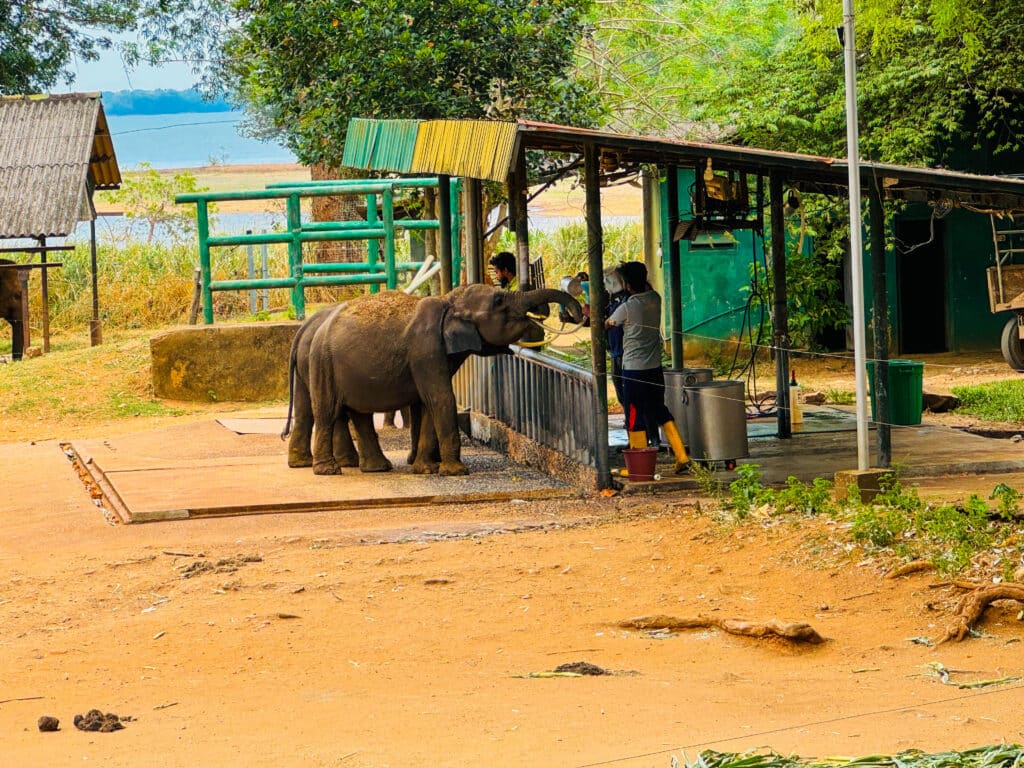
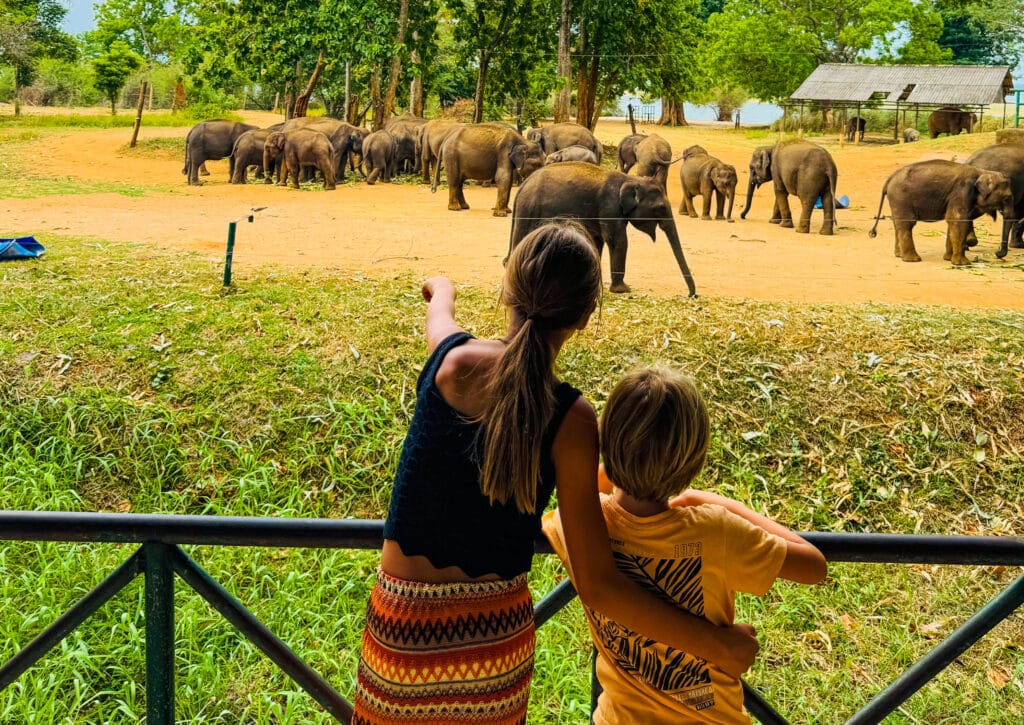
The Elephant Transit Home (ETH), locally known as Eth Athuru Sevana, is a rehabilitation centre dedicated to orphaned and injured elephants. Located just outside Udawalawe National Park, it plays an important role in long-term elephant conservation in Sri Lanka.
Unlike traditional sanctuaries, ETH is designed with one clear goal: preparing elephants for a full return to the wild. Human contact is kept to an absolute minimum, and visitors observe feeding sessions from a distance rather than interacting with the animals. This approach helps ensure that released elephants can reintegrate successfully into their natural environment.
Young elephants are fed at fixed times each day (09:00, 15:00 and 18:00), after which they return to roam freely within the protected area. Entrance fees directly support the centre’s work, covering food, veterinary care, and rehabilitation costs. Tickets for the Elephant Transit Home are purchased separately at the entrance and help fund the ongoing care and rehabilitation work.
After release, many elephants are fitted with a GPS tracking collar. This allows conservation teams to monitor their movements and assess how well they adapt once back in the wild. Because Udawalawe National Park is home to a large number of previously rehabilitated elephants, visitors sometimes spot individuals wearing a tracker during a safari — a quiet reminder of the conservation work happening beyond the park gates.
For visitors, ETH offers valuable context rather than a spectacle. You may see very young calves as well as older elephants recovering from injuries, but the focus remains firmly on rehabilitation, not entertainment. This makes ETH particularly meaningful for families and travellers who want to understand how wildlife protection works in practice.
Tip: Arrive 10–15 minutes before feeding times to secure a good viewing position.
When to Visit Udawalawe: Timing Your Safari for Optimal Sightings
Udawalawe can be visited throughout the year, largely because its resident elephant population does not depend on seasonal migration. That said, the time of year does influence visibility, scenery, and the overall feel of your safari. Choosing the right period depends on what you value most: ease of sightings, atmosphere, or photography conditions.
Dry Season (May–September): Best Visibility
During the dry months, water sources shrink and wildlife gathers around the Udawalawe Reservoir and remaining waterholes. Combined with lower grass levels, this makes animals easier to spot and follow.
- Excellent visibility across open grasslands
- Very frequent elephant sightings, often involving multiple individuals or herds
- Strong conditions for photography, especially in the early morning and late afternoon
- A predictable and comfortable choice for families and first-time safari visitors
This period offers the most straightforward safari experience, with minimal uncertainty.
Shoulder & Wetter Months (October–April): Quieter and Greener
Outside the dry season, the landscape becomes noticeably greener and the park feels less exposed. While rain showers are possible, they are usually short and rarely disrupt safaris.
- Lush scenery and softer light, appealing for landscape and atmospheric photography
- Fewer visitors, resulting in a calmer experience with less jeep traffic
- Strong birdlife, particularly during migratory months from November to February
- Elephant sightings remain consistent due to the large year-round population
Safaris continue to run daily, and animals remain active despite occasional rain.
Udawalawe National Park is open every day from 06:00 to 18:00, allowing you to choose between sunrise and late-afternoon safaris depending on your schedule and preference.
For a broader overview of how Udawalawe fits into Sri Lanka’s seasonal travel patterns, see our full guide: Best Time to Visit Sri Lanka: Weather, Seasons & Travel Tips.
The Ultimate Udawalawe Safari: What to See & How to Do It
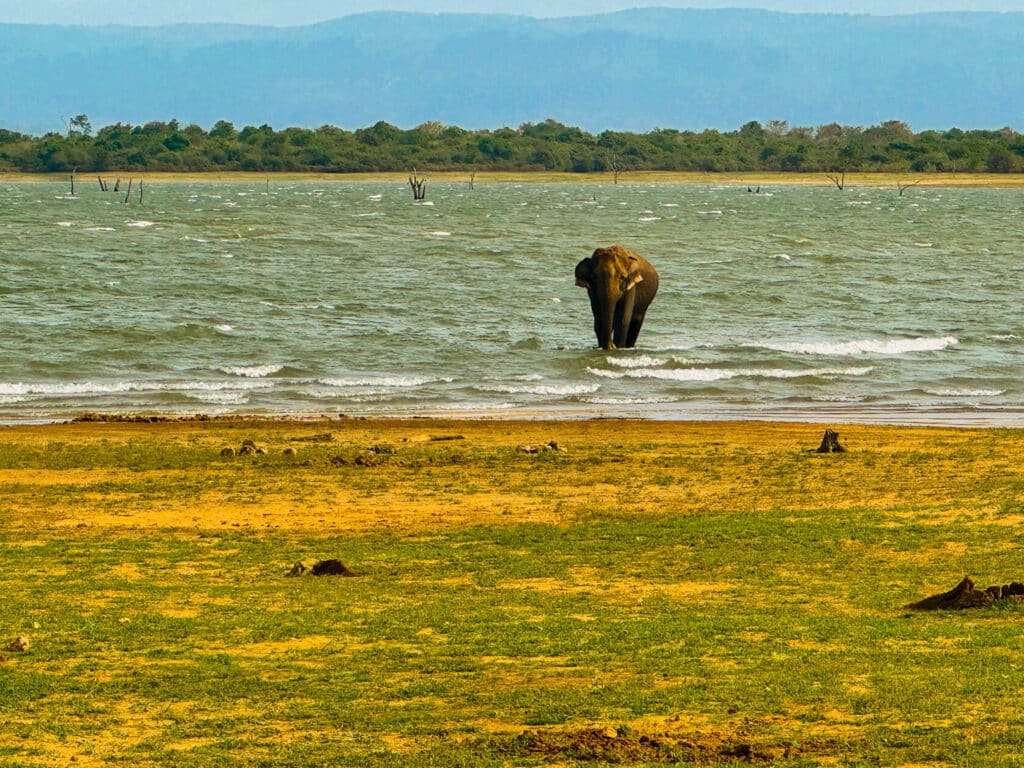
A safari here is engaging and highly active, with frequent wildlife encounters thanks to the park’s open landscapes and resident elephant population. During our own visit, we joined an early morning safari, which offered cool temperatures, soft light, and a quiet atmosphere inside the park. Because Udawalawe National Park is relatively compact and easy to navigate, wildlife encounters tend to happen frequently without long waiting periods.
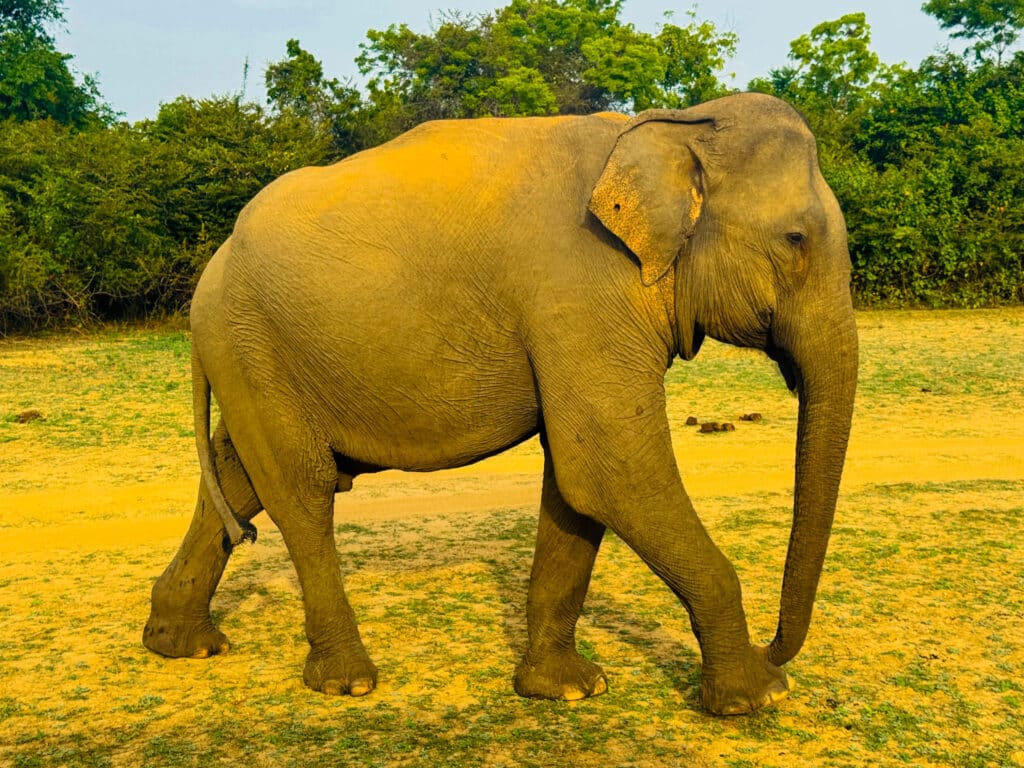
Not long after entering, we encountered our first elephants near the water, moving slowly through the shallows as the light changed over the reservoir. Later, a large male crossed the track directly in front of our jeep, close enough to observe his size and behaviour without feeling rushed or crowded.
What stood out most was how often the action unfolded close to the track. Elephants regularly crossed open areas or approached water points, creating moments of genuine anticipation as the drive continued.
Udawalawe’s open landscapes make wildlife encounters easy to follow, without the need for constant repositioning or long waits between sightings. Whether you’re interested in wildlife photography, travelling with children, or experiencing your first safari, the setting allows you to stay focused on what’s happening around you.
Beyond Elephants: A Diverse Cast of Udawalawe Wildlife
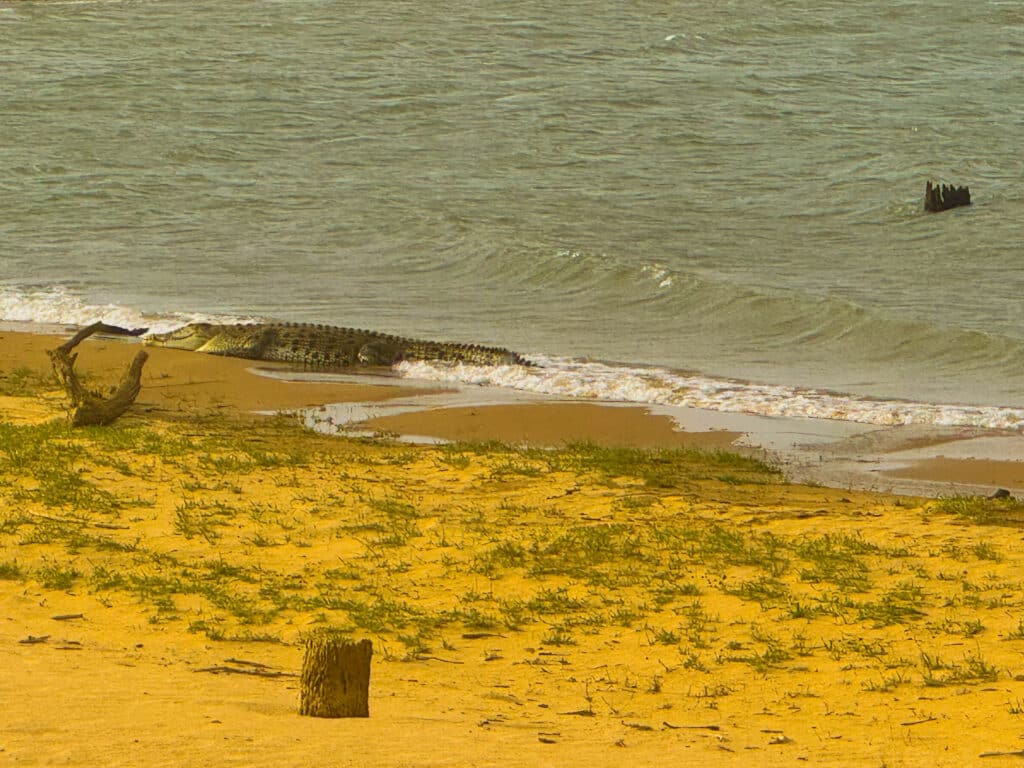
While elephants dominate most safaris, Udawalawe supports a broad range of wildlife across its grasslands, wetlands, and forest edges. During a typical drive, you may encounter:
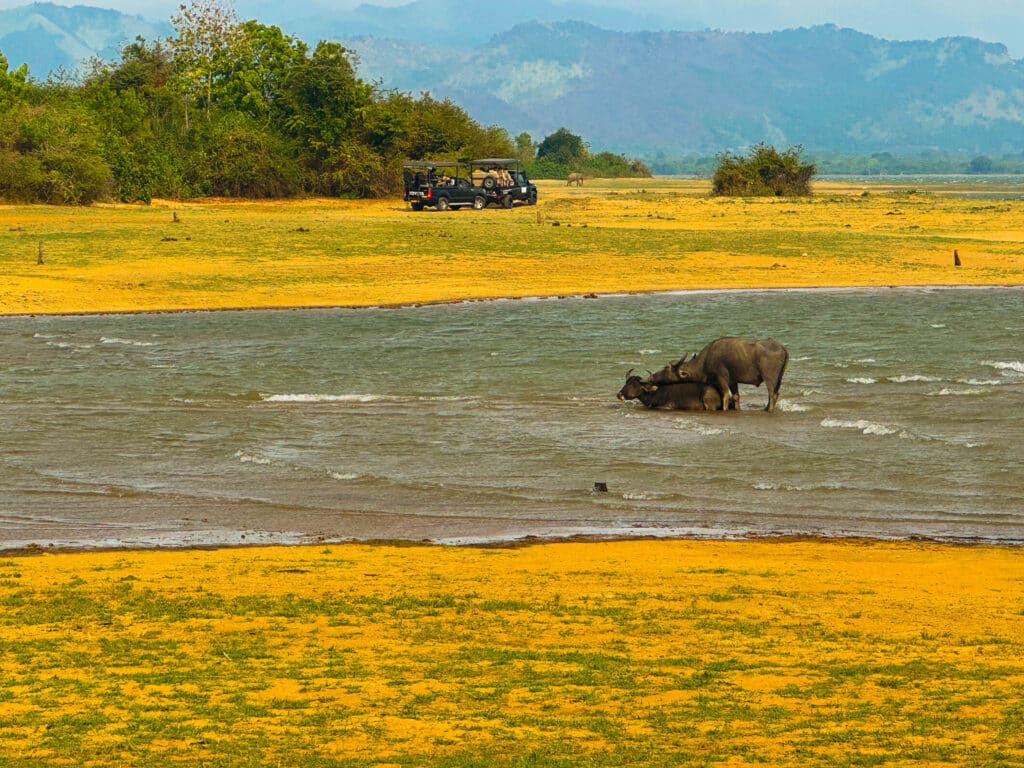
- Water buffalo cooling off in ponds or grazing in open areas
- Spotted deer moving through tall grass, often partially hidden
- Mugger crocodiles resting along riverbanks or near the reservoir
- Peacocks and peafowl, frequently seen crossing tracks or displaying
- Monitor lizards, often spotted near water and surprisingly large
- Jackals and mongoose, usually brief but exciting sightings
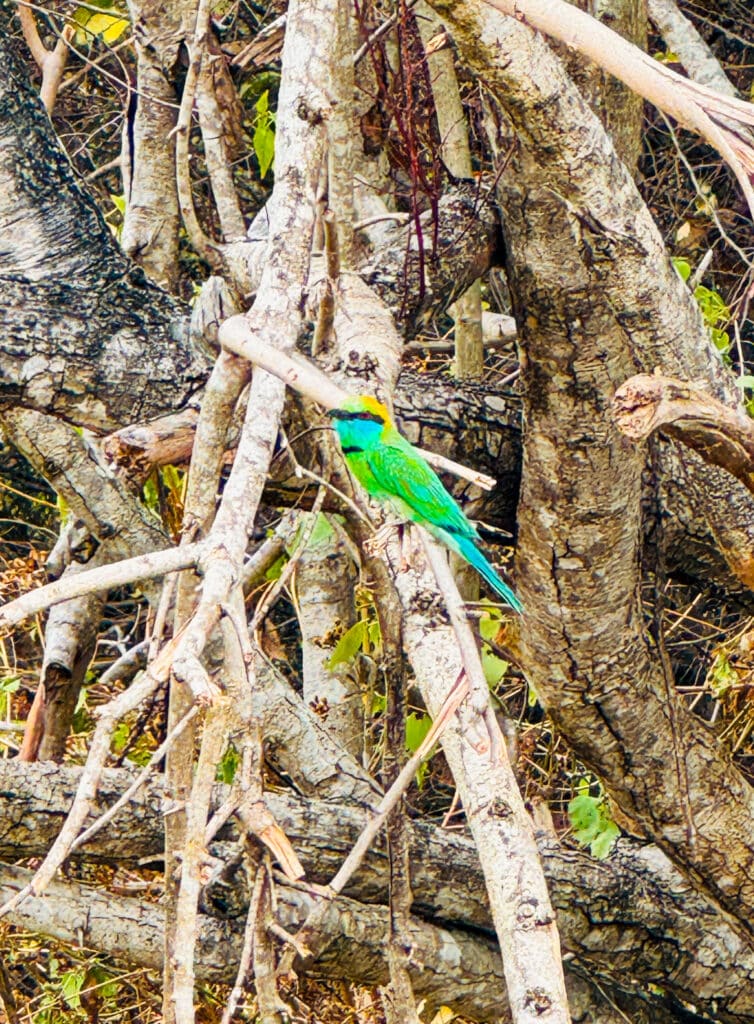
- Over 200 bird species, including eagles, herons, and kingfishers
Because the terrain is open, animals are often visible without extensive searching. This keeps the pace lively and the sense of discovery constant throughout the safari. While leopards and sloth bears do occur in the wider region, sightings inside Udawalawe are rare and should not be the main expectation.
Choosing the Best Safari Time: Morning vs. Afternoon
Planning your Udawalawe safari around the right moment of the day makes a big difference — and the good news is that you don’t need a full-day safari here. Because the landscapes are open and the wildlife is easy to spot, a half-day safari is more than enough to experience everything the park is known for.
- Morning safari (06:00): Best for active wildlife, cooler temperatures, and soft light. Many animals, including elephants, water buffalo, and birds, are most active during the early hours.
- Afternoon safari (14:30): Excellent for elephants gathering near the water, warm golden light for photography, and fewer early-morning crowds.
A half-day experience fits Udawalawe perfectly — you’ll see plenty of wildlife, enjoy the scenery, and still have time to relax at your hotel or visit the Elephant Transit Home afterwards. Because Udawalawe is compact and easy to navigate, shorter safaris are just as rewarding as longer ones.
Safari Logistics: Jeeps, Guides & Duration
A standard Udawalawe safari lasts around 3–4 hours and includes everything needed for a safe and well-organised experience.
- Safari-style 4×4 jeep with open sides and elevated seating
- Licensed wildlife guide, mandatory inside the park for safety and animal spotting
- Planned stops at key viewing areas for observation and photography
The vehicles are purpose-built for wildlife viewing, offering clear sightlines, ventilation, and shade. This setup allows guides to focus on animal behaviour rather than rushing through the park, resulting in a more engaging safari experience overall.
Most travellers opt for a half-day safari, which fits Udawalawe’s compact layout and reliable wildlife sightings well. If you prefer to secure your safari in advance, these options cover the most common choices.
You can check live availability and current safari pricing below:
Klook.com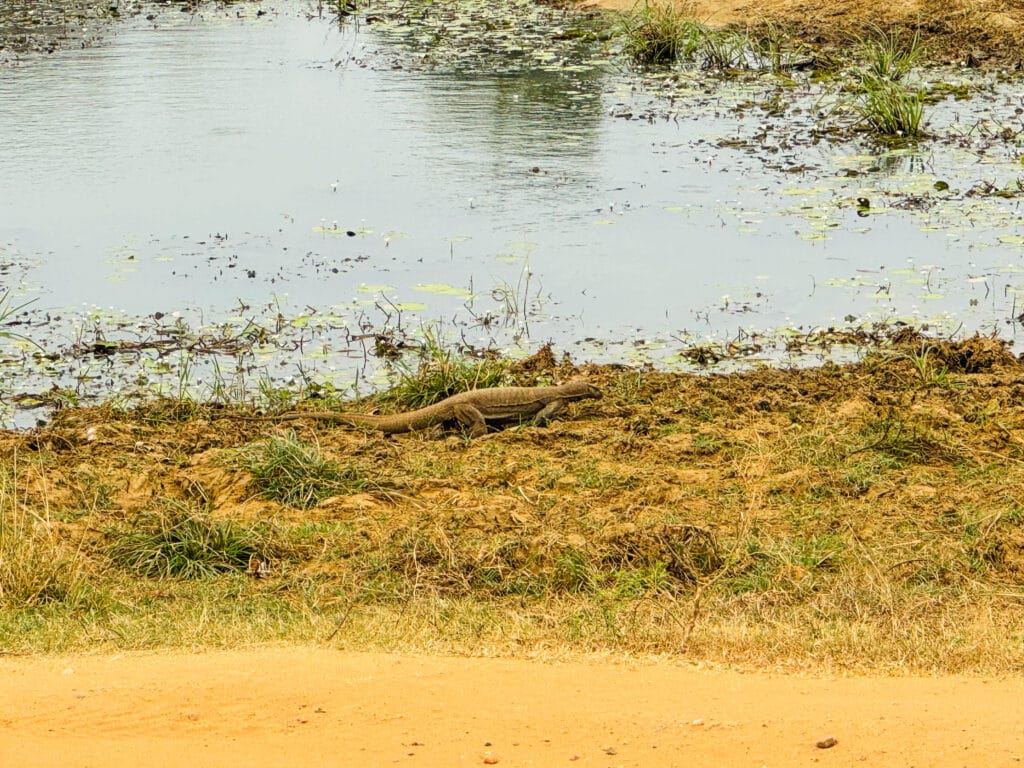
Essential Udawalawe Travel Planning & Budget
Udawalawe National Park Entrance Fees & Safari Costs
A standard Udawalawe safari is always booked as a complete package. You cannot enter the park with a private vehicle or drive yourself — all safaris inside Udawalawe National Park must be conducted in authorised jeeps with a licensed guide. This system helps regulate traffic inside the park and protects wildlife from disturbance.
- Safari package (2025): approximately $60 per adult, including the jeep, licensed guide, and official park entrance fee
- Children: usually around 50% discounted, depending on age
Prices can vary slightly depending on season and provider, but overall Udawalawe remains one of Sri Lanka’s more affordable safari experiences, especially given the high likelihood of wildlife sightings.
Tip: During high season, it’s worth booking your safari in advance to secure your preferred time slot, particularly for early morning drives. To guarantee the 06:00 safari slot, especially in peak season:
When booking your safari, always check whether the park entrance ticket is included in the price, or whether it needs to be paid in addition.
How Many Nights to Stay in Udawalawe
Most travellers stay one night in Udawalawe, which is sufficient for a half-day safari and, if desired, a visit to the Elephant Transit Home. This fits well into common travel routes between the south coast and the central highlands.
Staying two nights can be a good option if you prefer a slower pace, want to schedule both a morning and an afternoon safari, or are travelling with children and don’t want to rush between activities.
Longer stays are usually unnecessary unless Udawalawe is a specific wildlife focus of your trip. For most itineraries, one or two nights strikes the right balance between experience and travel time.
In a well-balanced route such as our 10 Days Sri Lanka Itinerary: Explore Culture, Nature & Beaches at the Perfect Pace, Udawalawe works perfectly as a one-night wildlife stop between Ella and the southern beaches, keeping travel times manageable while adding a memorable safari experience.
How to Get to Udawalawe from Major Cities
Its central position makes Udawalawe National Park a natural stop between Sri Lanka’s southern beaches and the hill country. Whether you’re travelling from the beaches, the hill country, or Colombo, travel times are manageable and the routes are straightforward. Many travellers pass through this region anyway when moving between south and central Sri Lanka, making Udawalawe an easy and logical stop.
Typical travel times:
- From Ella: around 2 hours by taxi or bus; a scenic and straightforward drive when leaving the hill country
- From Nuwara Eliya: longer but very scenic, often combined with a tea country route
- From Galle, Mirissa or Unawatuna: approximately 2–3 hours by taxi, making Udawalawe a convenient overnight stop when heading inland
- From Colombo: about 3.5–4.5 hours; a private driver is the most comfortable option, especially with luggage or planned stops
Most travellers choose to travel by private driver, as this offers flexibility, comfort, and the option to take breaks along the way. It’s also the easiest way to arrive in Udawalawe on time for an early morning safari, especially when travelling with luggage or children. We travelled across Sri Lanka with a private driver and found it the most efficient way to reach Udawalawe on time for an early safari.
Dinner in Udawalawe: Our Experience
Dining options in Udawalawe are limited compared to Sri Lanka’s coastal towns or larger cities. There are a few small local restaurants, but choices are generally simple and fairly basic. For many travellers, especially after an early safari or a long travel day, having dinner at their accommodation is often the most convenient option.
During our stay, we had dinner at Hungry Monkey, a popular spot known for its relaxed atmosphere and family-friendly setup. The food was good and the pool area — complete with a small slide — makes it an easy place to unwind after a safari, particularly when travelling with children.
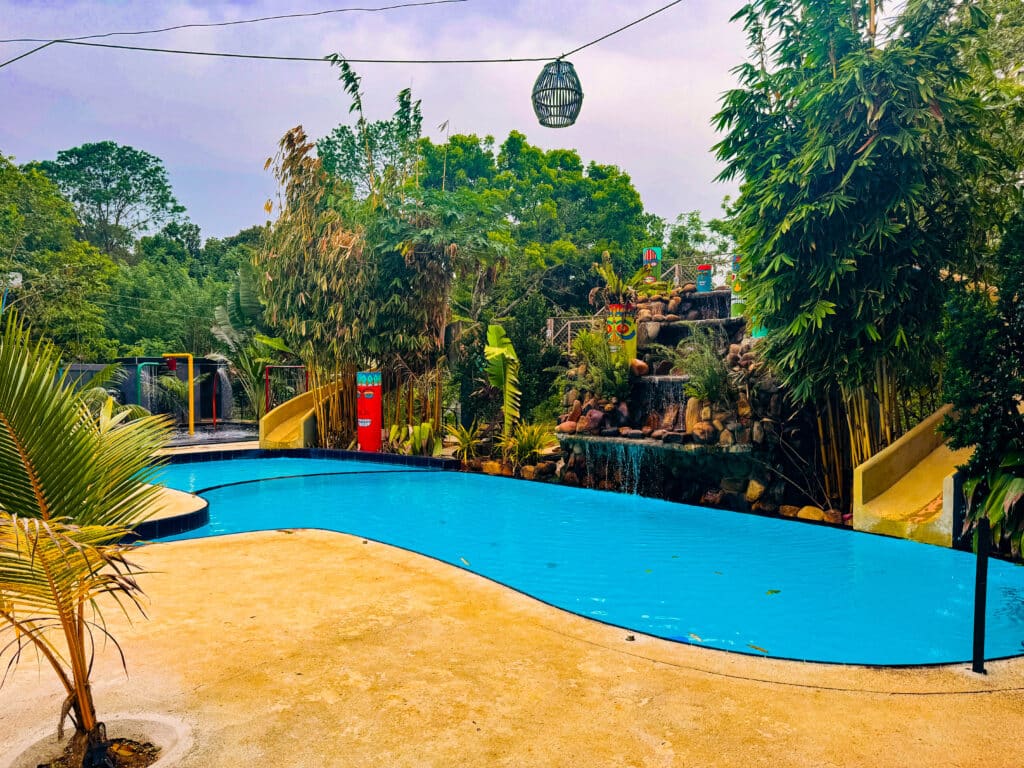
That said, service was noticeably slow during our visit, slower than anywhere else we ate in Sri Lanka. If you’re not in a hurry and value a casual setting over efficiency, it can still be a pleasant place to eat. If timing matters, dining at your hotel may be the more practical choice.
Overall, Udawalawe is not a destination you visit for its food scene. Treat dinner here as a functional part of your stay rather than a highlight, and you’re unlikely to be disappointed.
Where to Stay: Accommodation Options Near the Park
Finding a good place to stay in Udawalawe is generally straightforward, but there are a few things worth knowing before you book. The area offers everything from very basic guesthouses to comfortable safari lodges and small boutique-style hotels. For more options near the park, see our best safari lodges in Sri Lanka guide.
One practical consideration: some of the cheapest accommodations rely heavily on selling safaris rather than rooms. In those cases, guests may feel pressured to book their safari through the hotel, or experience sudden cancellations if they choose another provider. This doesn’t apply everywhere, but it happens often enough to be aware of.
Tip: When booking budget accommodation, read recent reviews carefully and look for mentions of safari pressure, last-minute cancellations, or unexpected extra charges.
All accommodations listed below allow you to choose your own safari provider, even if they also offer on-site booking for convenience.
Luxury Stays
Waraka

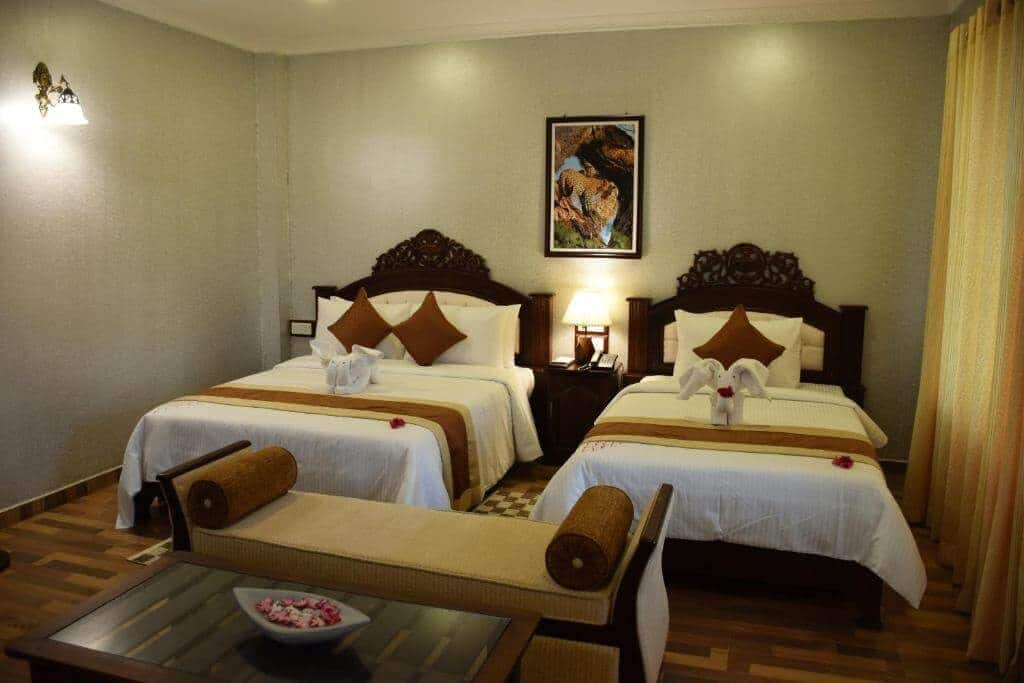
A small-scale luxury lodge surrounded by nature, offering a quiet setting, thoughtful design, and a relaxed atmosphere before or after your safari.
- Rating (Booking.com): 9.1
- Price per night (2 people): approx. $175
- Family rooms: Yes, up to 4 people
- Type: Luxury boutique lodge
Best for: travellers looking for privacy, calm surroundings, and a refined stay close to the park.
Trade-off: Less suitable if you’re mainly looking for resort-style facilities or extensive on-site activities.
Centauria Wild Resort
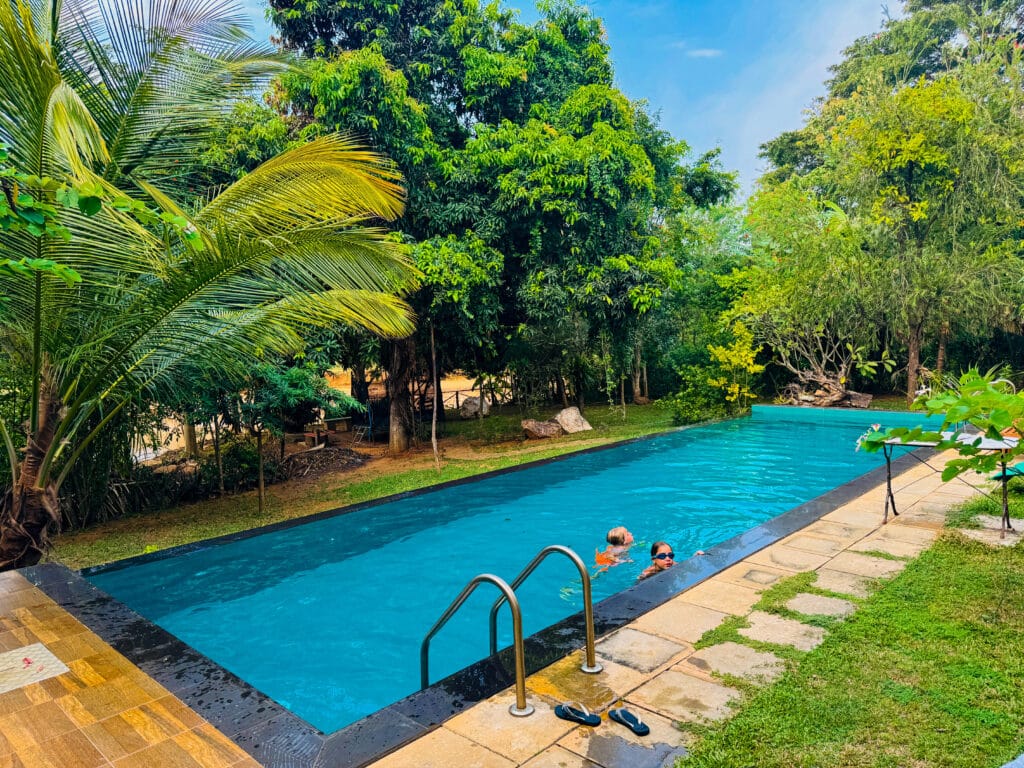
A spacious resort with large rooms, a generous pool, and open views over the surrounding landscape. It’s a comfortable and practical option if you want resort-style facilities near Udawalawe National Park.
- Rating (Booking.com): 8.6
- Price per night (2 people): approx. $160
- Family rooms: Yes, up to 3 people
- Type: Luxury resort
Best for: families or couples who prefer space and full-service facilities.
Trade-off: Larger scale and less intimate than smaller boutique lodges
Mid-Range Options
Grand Udawalawe Safari Resort
A well-known and conveniently located resort close to both the park entrance and the Elephant Transit Home. Rooms are spacious and facilities are reliable, making it a practical base for a short stay.
- Rating (Booking.com): 8.3
- Price per night (2 people): approx. $104
- Family rooms: Yes, up to 3 people
- Type: Mid-range resort
Best for: travellers who prioritise location and ease over boutique character.
Trade-off: Design and atmosphere are more functional than character-driven.
Kalu’s Hideaway
A smaller, garden-style property with a relaxed atmosphere and good on-site dining. It offers a nice balance between comfort and value while staying close to the park.
- Rating (Booking.com): 8.9
- Price per night (2 people): approx. $78
- Family rooms: Yes, up to 3 people
- Type: Mid-range boutique hotel
Best for: travellers who want a quieter, more personal stay without moving into luxury pricing.
Trade-off: Fewer facilities than larger resorts, especially for longer stays.
Budget-Friendly Stays
Vimanra Udawalawe (our stay)
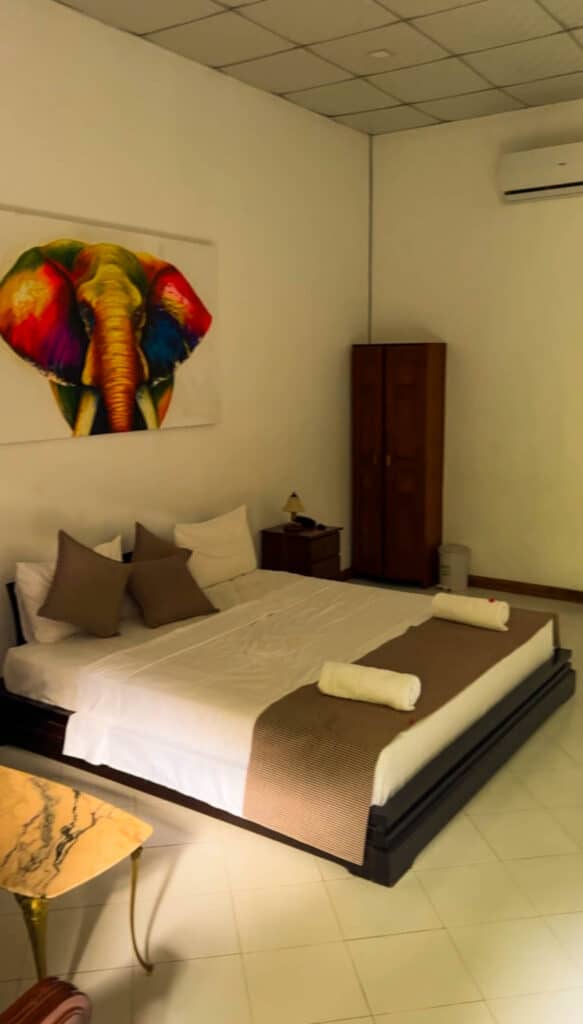
We stayed at Vimanra Udawalawe ourselves and found it to be excellent value for money. The rooms are simple but very spacious, the swimming pool is well maintained, and the Sri Lankan meals were some of the best we had in this price range. It’s a comfortable, no-frills option that works especially well for families.
- Rating (Booking.com): 9.5
- Price per night (2 people): approx. $27
- Family rooms: Yes, up to 4 people
- Type: Budget guesthouse
Best for: budget-conscious travellers who still want space, a pool, and good food.
Trade-off: Simple furnishings and limited amenities compared to mid-range or luxury lodges.
Amba Kola Udawalawa
A small, highly rated property known for its hospitality and calm setting. Rooms are simple but well kept, making it a solid choice if you’re looking for a quiet and affordable stay near nature.
- Rating (Booking.com): 9.9
- Price per night (2 people): approx. $50
- Family rooms: No
- Type: Budget boutique stay
Best for: couples or solo travellers looking for a peaceful, affordable base.
Trade-off: No family rooms and limited on-site facilities.
Considering Other Safari Parks in Sri Lanka?
Udawalawe is particularly well suited to travellers who prioritise elephant sightings, good visibility, and a straightforward safari structure. Its open landscapes and resident wildlife population make it a reliable choice, especially for families and first-time safari visitors.
If your main interest lies in different wildlife or a more predator-focused safari experience, other national parks in Sri Lanka may suit your travel style better. Which park works best depends on what you hope to see, how much time you have, and how you plan to move through the country.
Is Udawalawe Worth to Visit?
Yes — Udawalawe is worth visiting if your priority is seeing elephants in a natural setting with good visibility and a straightforward safari structure. It is not a park known for dramatic predator encounters, but for calm, reliable wildlife viewing that fits easily into most Sri Lanka itineraries.
We genuinely enjoyed our safari here. Our guide was enthusiastic and very skilled at spotting animals, which made the experience engaging from start to finish. If you’re used to safaris in Africa, it does require a shift in expectations — you’ll see fewer large predators and fewer “big five” moments. Still, we found it absolutely worthwhile. The Elephant Transit Home added meaningful context to the visit. Beyond the park and the transit centre, there isn’t much to do in Udawalawe, so it works best as a focused one-night wildlife stop rather than a destination in itself.
What to Book on Udawalawe
Everything worth booking on Udawalawe, all in one place:
🏨 Waraka
🏨 Grand Udawalawe Safari Resort
🏨 Vimanra
🎟️ Udawalawe elephant Transit Home
🐘 Plan Your Sri Lanka Trip
🏨 Still looking for the right stay? Browse all hotels in Sri Lanka — free cancellation on most rooms.
✈️ Flights: Compare routes and prices for flights to Sri Lanka.
🚂 Getting around: Book train tickets in advance (the scenic routes sell out), or arrange a private driver, tuk tuk rental or rental car.
📱 Stay connected: Get a Sri Lanka eSIM from Airalo before you fly. We use Airalo ourselves on every trip.
🔒 Travel insurance: Don't skip travel insurance for Sri Lanka — medical costs for tourists add up fast.
🎟️ Tours & activities: Browse safaris, cooking classes and tours across Sri Lanka.
💳 Money: Avoid card fees abroad with a free Revolut account.
Some links on this page are affiliate links. Booking through them costs you nothing extra and helps us keep this site running — thank you!
Frequently Asked Questions Udawalawe
Is Udawalawe worth visiting?
Udawalawe National Park is worth visiting if you want reliable elephant sightings in an open, natural setting. The landscapes make wildlife easy to spot, and safaris feel structured and calm compared to busier parks. It suits first-time safari visitors, families, and travellers who prefer consistent wildlife encounters over searching for rare predators.
How long does a Udawalawe safari last?
A standard Udawalawe safari lasts around 3–4 hours. This half-day format is usually sufficient due to the park’s compact layout and high visibility. Most travellers choose either the early morning or late afternoon slot, both of which offer strong chances of seeing elephants and other wildlife without needing a full-day drive.
When is the best time to visit Udawalawe?
Udawalawe can be visited year-round because its elephant population is resident. The dry season (May–September) generally offers the best visibility as grass levels are lower and animals gather near water. During wetter months, the scenery is greener and quieter, while wildlife sightings remain consistent thanks to the park’s stable population.
Can you see leopards in Udawalawe?
Leopards live in the wider region, but sightings inside Udawalawe National Park are extremely rare and should not be expected. The park is primarily known for elephants, water buffalo, crocodiles and birdlife. If leopard spotting is your main goal, another Sri Lankan national park may be a better fit for your itinerary.
Is Udawalawe suitable for families with children?
Yes. Udawalawe is one of the most family-friendly safari parks in Sri Lanka. The open terrain, frequent elephant sightings and relatively short safari duration make it manageable and engaging for children. The pace is steady rather than rushed, which helps keep the experience enjoyable without long hours waiting for wildlife.
Is Udawalawe or Yala better for a safari?
Udawalawe is generally better for reliable elephant encounters and a calmer, more predictable safari experience. Yala is better known for leopards but can be busier and less consistent in sightings. The right choice depends on your priorities: steady elephant viewing and visibility, or the possibility of spotting elusive predators.
Do I need a SIM card or eSIM for Sri Lanka?
Mobile data is cheap and reliable across Sri Lanka, and having it on arrival makes the safari region easier — for maps, booking game drives and arranging transfers. The simplest option is to set up an eSIM for Sri Lanka before you fly. Prefer a local SIM? You can buy a Dialog or Mobitel SIM at Colombo airport.
Related Blogs
Other Cities & Destinations
Best Cities to Visit in Sri Lanka: A Practical Guide to Regions, Routes & City Bases
Kandy Sri Lanka: The Cultural Capital Known for Sacred Temples and Scenic Lake Views
Sigiriya Sri Lanka: Complete Guide to Nature, Culture, Lion Rock & Village Life
Ella Sri Lanka: The Scenic Hill Town with Stunning Views and Adventure for All Travellers
Negombo City: A Coastal Charm Blending Culture and Beaches
Nuwara Eliya: Sri Lanka’s Cool Hill Station Rich in Tea Plantations and Colonial Elegance
Unawatuna: Sri Lanka’s Tropical Paradise Known for Pristine Beaches and Vibrant Marine Life
Galle Sri Lanka: Explore the Historic Fort City’s Colonial Heritage and Coastal Vibes
Other Sri Lanka Blogs
Best Hotels in Sri Lanka: How to Choose Where to Stay
Where to Stay in Sri Lanka: Best Hotels by Travel Style
Sri Lanka Regions Explained: How to Choose the Best Areas for Your Trip
Sri Lanka Travel Itinerary: Custom Plans for Beach Lovers, City Explorers, and Wildlife Adventurers
Top Things to Do in Sri Lanka: The Most Rewarding Experiences on the Island
Best Time to Visit Sri Lanka: Weather, Seasons & Travel Tips
Sri Lanka Weather by Month: What to Expect Each Season as a Traveller
Getting Around Sri Lanka: Ultimate Guide to Transport, Trains, Tuk-Tuks & Easy Trip Planning
Is Sri Lanka Expensive to Travel? Budget, Costs & Money-Saving Tips for Your Trip
Sri Lanka Travel Guide: Visa Requirements, Vaccination & Local Travel Tips