Table of Contents
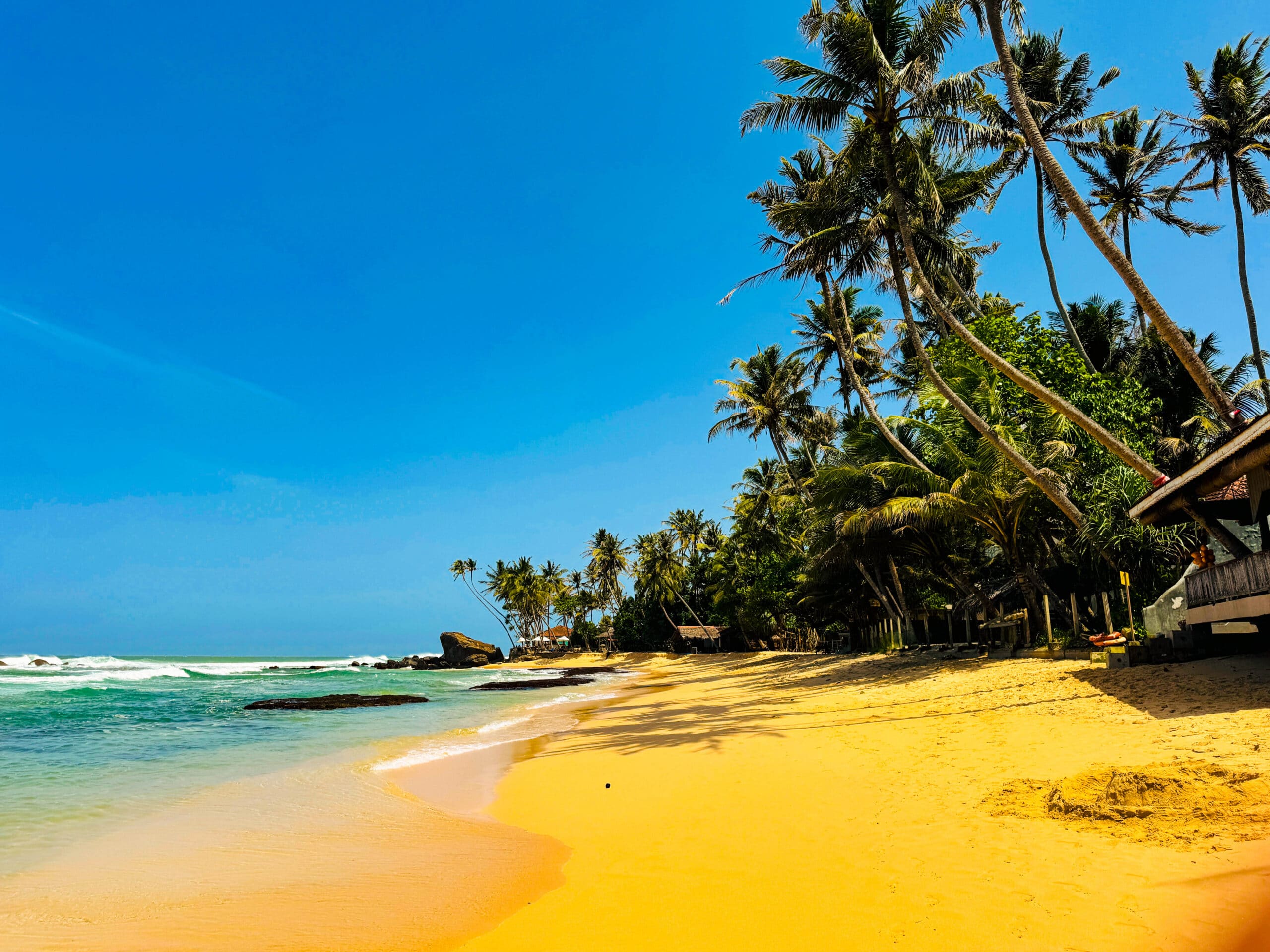
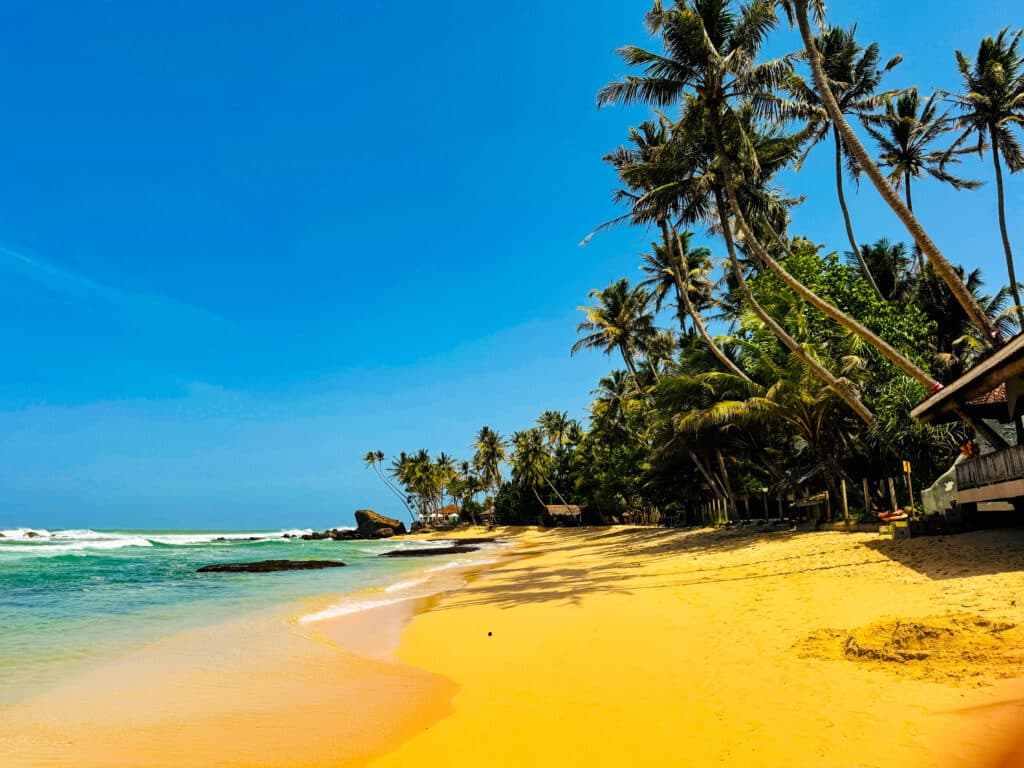
Sri Lanka's South Coast is where the island finally exhales. After ancient temples in dry plains and winding mountain roads lined with tea, the coast arrives as a complete reset: wide bays, salt air, the kind of slow mornings where you drink your coffee while watching fishing boats come in. It's the part of the trip that almost everyone extends — and rarely regrets.
What makes the Sri Lanka South Coast distinctive is how much variety it packs into a relatively short stretch of coastline. You can eat your way through the narrow lanes of Galle Fort, surf beginner waves in Weligama, snorkel above coral gardens in Unawatuna, watch blue whales breach offshore near Mirissa, and find a quiet bay in Tangalle where you might be the only swimmer for hundreds of metres. The pace shifts from place to place, the crowd changes, but the quality of light and the warmth of the Indian Ocean stay constant throughout. This guide covers the five key bases along Sri Lanka's southern shore, the best hotels at every budget, what to do and when to go.
In a Rush?
These are my Favourite Hotels on the Sri Lanka South Coast
⭐️⭐️⭐️ The Six Weligama – Check prices and availability
⭐️⭐️ Kurulu Bay Ahangama – Check prices and availability
⭐️ Rockside Cabanas – Check prices and availability
Sri Lanka South Coast at a Glance
Five bases, one coastline — but they feel like completely different worlds. The table below lets you compare them side by side so you can find the base that matches your travel style before you read any further. Most travellers choose one or two and stay long enough to actually slow down.
| Galle & Unawatuna | Weligama & Mirissa | Ahangama | Hiriketiya | Tangalle | |
|---|---|---|---|---|---|
| Best for | History lovers, families, first-timers | Ocean experiences, surfers, whale watchers | Boutique stays, seclusion | Surf culture, slow travel | Space, quiet, off-the-beaten-track |
| Vibe | Colonial & lively | Beachy & active | Residential & intimate | Laid-back surf village | Wild & undeveloped |
| Swimming | Good (sheltered reef at Unawatuna) | Exposed — better for surfing than swimming | Calm bays, season-dependent | Protected horseshoe bay | Long wild beaches, check conditions |
| Must-do | Sea turtles at Wijaya Beach + Galle Fort | Whale watching from Mirissa | Settle in and do nothing well | Sunrise surf session | Long beach walks at low tide |
| Distance from Colombo | ~2.5 hrs | ~3 hrs | ~2.5–3 hrs | ~3.5 hrs | ~4 hrs |
| Not ideal if… | You want a quiet, undeveloped beach | You want calm, reliable swimming | You want lots of restaurants and nightlife | You want easy access to Galle or cultural sights | You're short on time or want more amenities |
| Typical stay | 2–3 nights | 2–3 nights | 1–2 nights | 2–3 nights | 2–3 nights |
Understanding the Sri Lanka South Coast
Before you choose your base, it helps to understand what kind of coastline this actually is.
The Sri Lanka South Coast isn't one continuous beach with a resort strip running the length of it. It's a series of distinct bays, fishing towns and surf spots, each with its own character and infrastructure. Some places are well-developed with restaurants and guesthouses on every corner; others are quiet enclaves where the main activity is watching the tide come in. The right base depends entirely on what you're looking for.
Galle and Unawatuna occupy the western end and deliver the most variety in a small area: colonial history, beach access, snorkelling, dining options and a walkable town layout that works well for families and first-time visitors. Just east of Unawatuna, Ahangama sits quietly between the two more popular zones — less visited than either, with an unusually high concentration of boutique properties and a pace that suits travellers who prefer seclusion over convenience. Further east, Weligama and Mirissa shift the mood toward surf culture and ocean experiences — this is whale watching territory, and the beaches are longer and more exposed. Hiriketiya is the south coast's surf village, compact and increasingly popular but still genuinely laid-back. Tangalle sits at the far eastern end, less developed and less visited — which, for many travellers, is exactly the point.
Seasonality matters more here than in any other region of Sri Lanka. The south coast is at its best between December and April, when the southwest monsoon has passed, the sea is calm and swimming is reliable almost everywhere. From May to October, waves build significantly on many beaches, boat tours become weather-dependent, and some stretches of coast are best left to the surfers who actively seek those conditions. That doesn't mean travel is impossible — Galle Fort is rewarding year-round, and some beaches remain swimmable even in shoulder months — but expectations need to be set honestly. Choosing when to come matters as much as choosing where to stay.
Finally, the south coast rewards travellers who slow down. Moving every night along this stretch means you're always in transit instead of in the water. Most people who love this part of Sri Lanka are the ones who picked one or two bases, stayed long enough to establish a rhythm, and let the days unfold at the pace the ocean suggests.
Galle & Unawatuna: History, Turtles & Beach Life
The western end of the Sri Lanka South Coast is where most journeys begin, and for good reason. Galle Fort and the surrounding area pack an unusual amount of variety into a small geographical footprint — colonial architecture, ocean views, excellent food, a calm snorkelling bay, and the most reliable turtle-spotting on the south coast, all within a few kilometres of each other.
Galle itself sits on a headland and is best understood in two parts: the historic Fort, enclosed by Dutch-built ramparts from the 17th century, and the modern town outside its walls. The Fort is the main reason people come to Galle, and it delivers: lanes of painted colonial villas turned into boutique hotels, jewellery shops and cafés, a lighthouse at the sea wall, and the constant feeling that the place has more depth than a single visit can absorb. Unawatuna sits just a few kilometres to the east — a curved bay with a natural reef offshore creating one of the south coast's most reliable calm swimming spots.
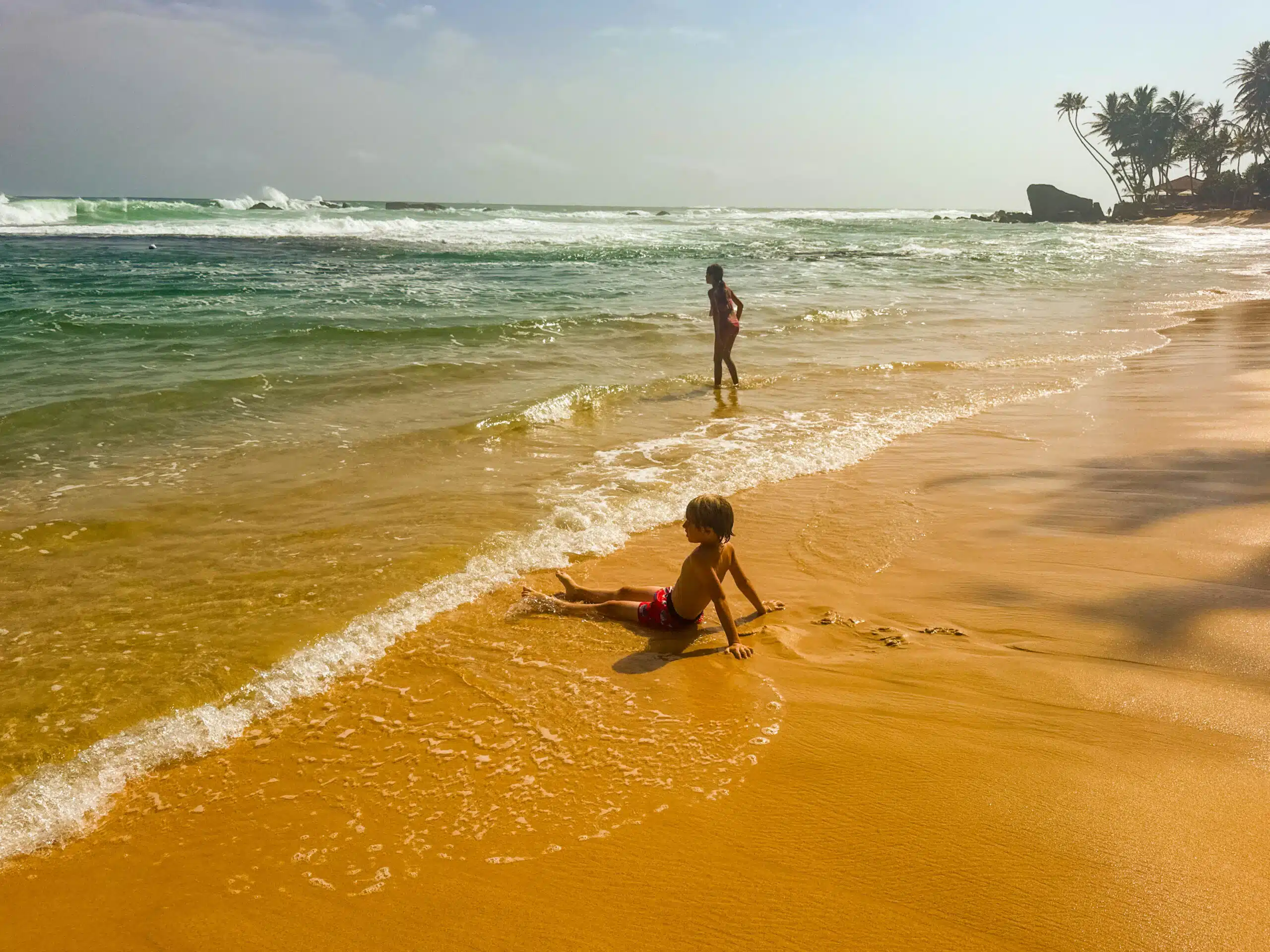
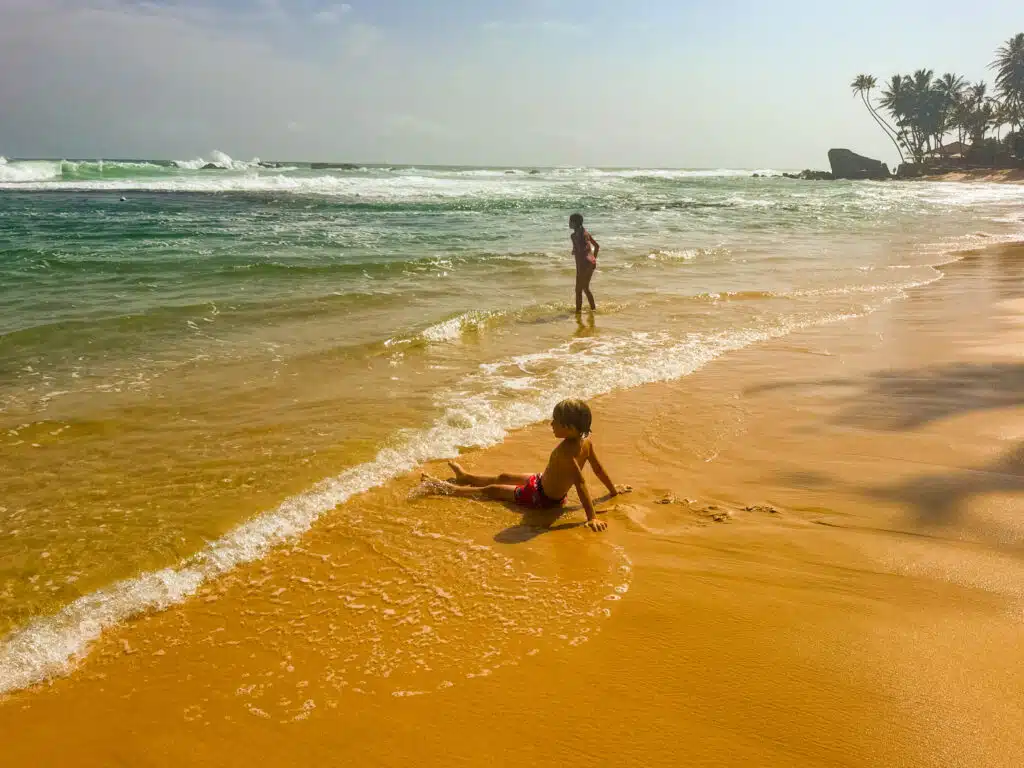
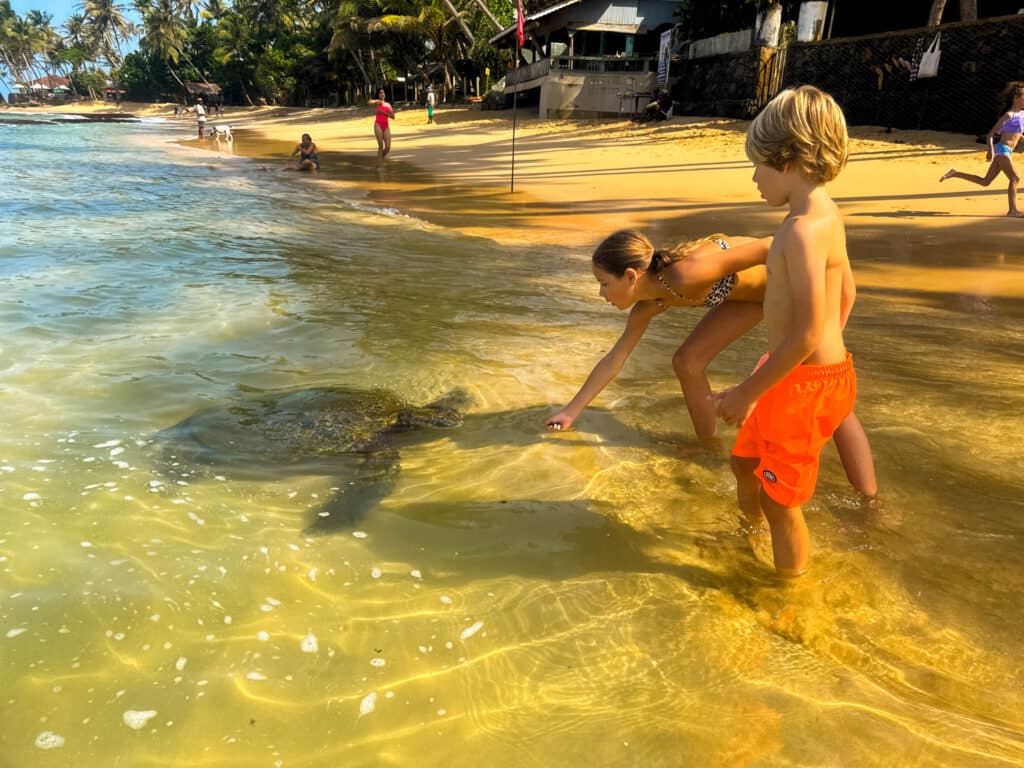
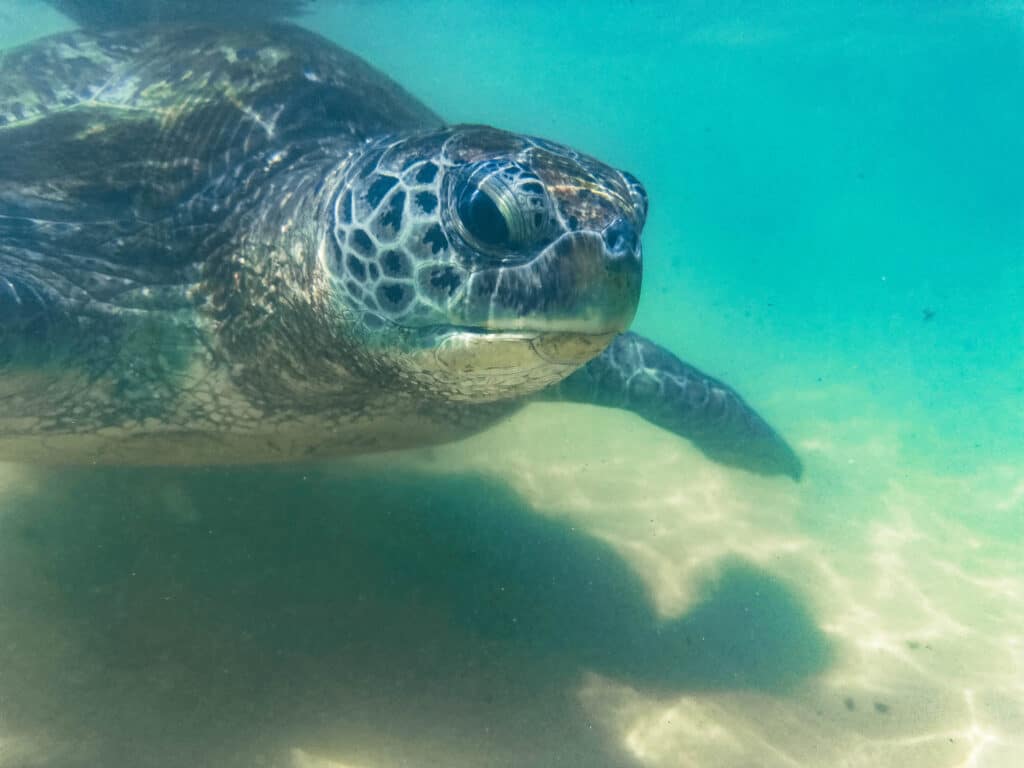
We stayed in Unawatuna on our own trip to Sri Lanka. The area directly in front of our hotel had rough surf, but we quickly discovered that the Wijaya Beach section, just a short walk along the bay, had a natural reef about 50 metres offshore that created a genuinely sheltered lagoon. Every morning there were sea turtles feeding there — sometimes up to ten at once, often within half a metre of the shore. Timing matters: aim to be there around 8am — the organised tour groups start arriving around 10am, and once they do the lagoon becomes noticeably more crowded and the turtles more skittish. The window between 8am and 10am is something else entirely — just a handful of swimmers, calm water, and turtles going quietly about their day.
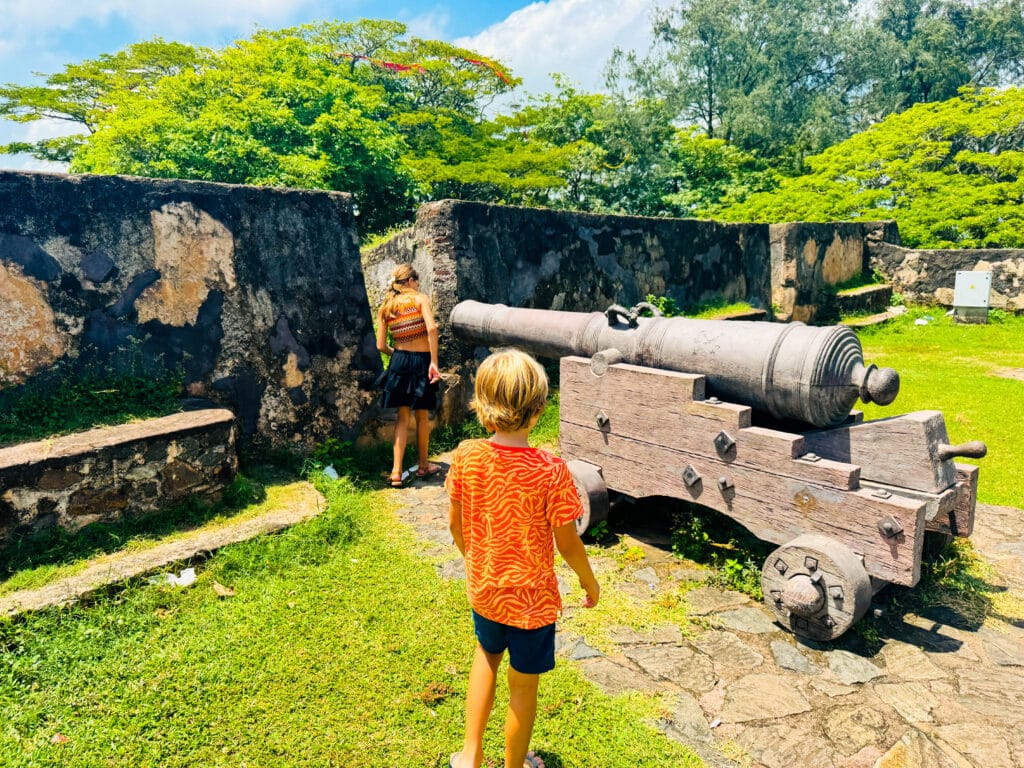
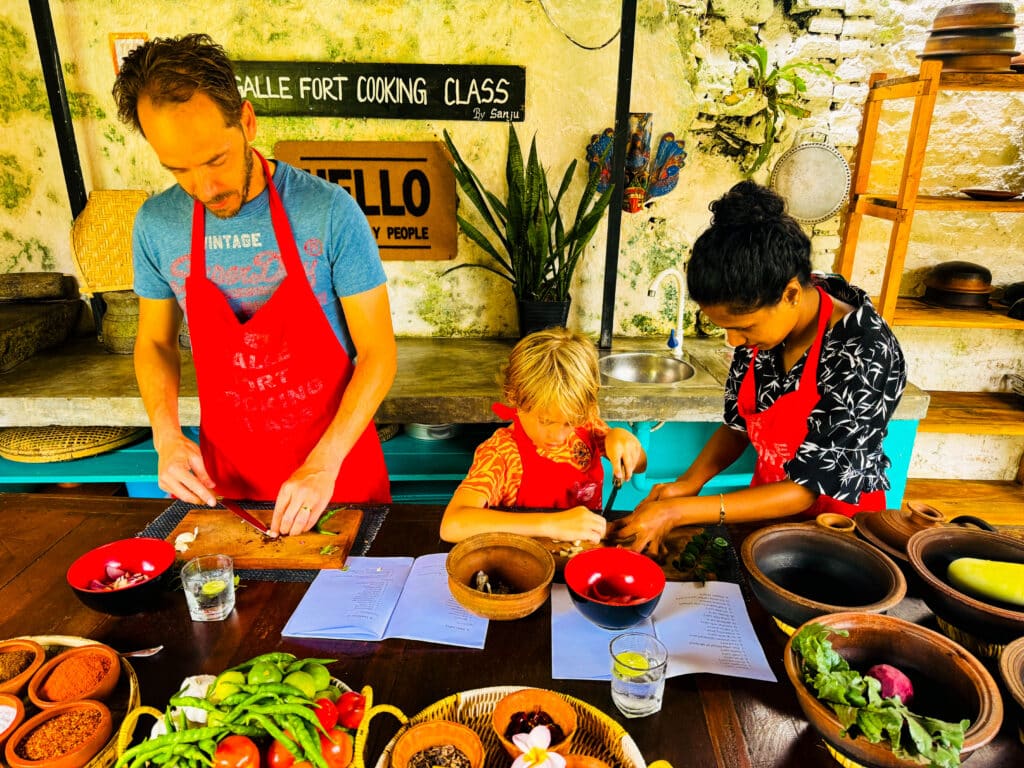
We visited Galle as a day trip and the cooking class at Galle Fort was the highlight of our time there. In about an hour and a half, we learned six traditional Sri Lankan dishes and ate them afterwards — the whole thing was completely manageable even with kids in tow. Walking the fort ramparts was beautiful, though the heat builds fast once the morning has gone: we ended up taking a tuk-tuk back to the hotel rather than completing the circuit on foot.
What to see and do around Galle and Unawatuna
Galle Fort is the south coast's most historically significant destination — a living UNESCO World Heritage Site where the ramparts are used as an evening promenade and the narrow streets inside still feel genuinely inhabited rather than purely touristic. A guided walking tour of Galle Fort adds context that makes the architecture and history far more meaningful than wandering alone.
Sea turtle spotting at Wijaya Beach is one of the most underrated experiences on the south coast. Aim to arrive around 8am — tour groups show up from 10am onwards and the dynamic changes quickly. Enter the water quietly and keep a respectful distance. The turtles are there most mornings but are sensitive to noise and sudden movements. This is a wild encounter, not a managed one — which is exactly what makes it special. We saw tourists attempting to push turtles onto the sand for photos; please don't do this.
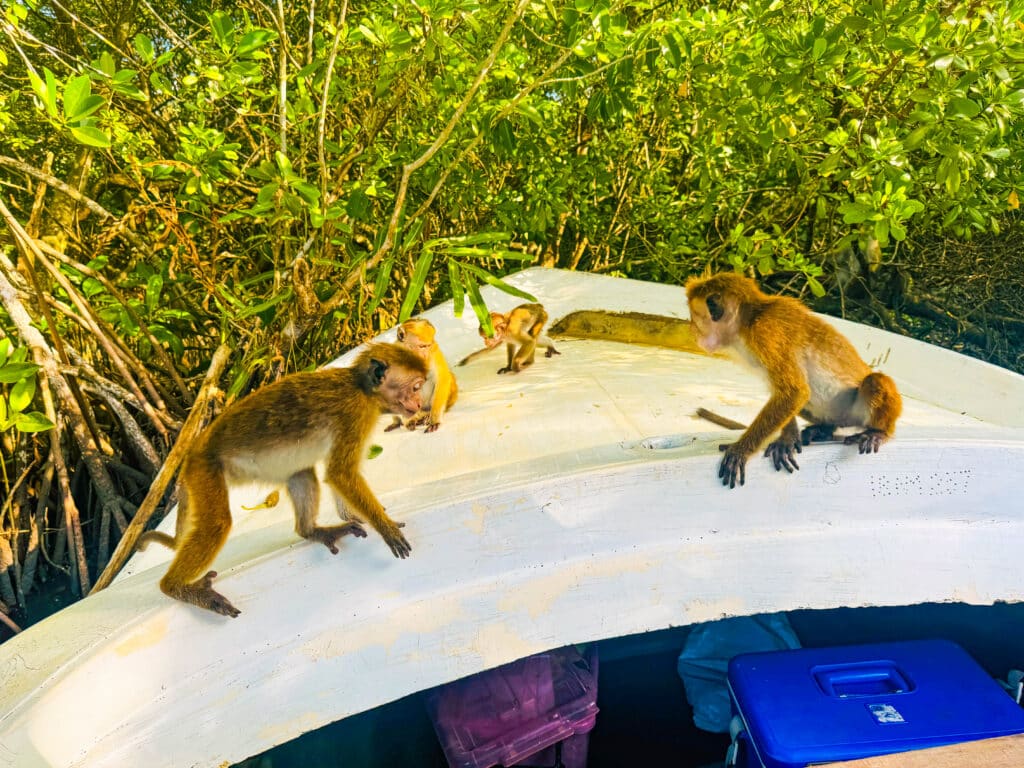
Koggala Lake boat tour is an easy half-day from Unawatuna and significantly better than many travellers expect. We sailed through mangroves, spotted birds, monitor lizards and monkeys along the route, and on one small island a group of monkeys suddenly appeared and climbed directly onto the boat — complete chaos that the kids found absolutely hilarious. The tour also typically stops at a cinnamon-producing island. A Lake Koggala boat safari or the combined city and Koggala tour are both easy to arrange from Unawatuna.
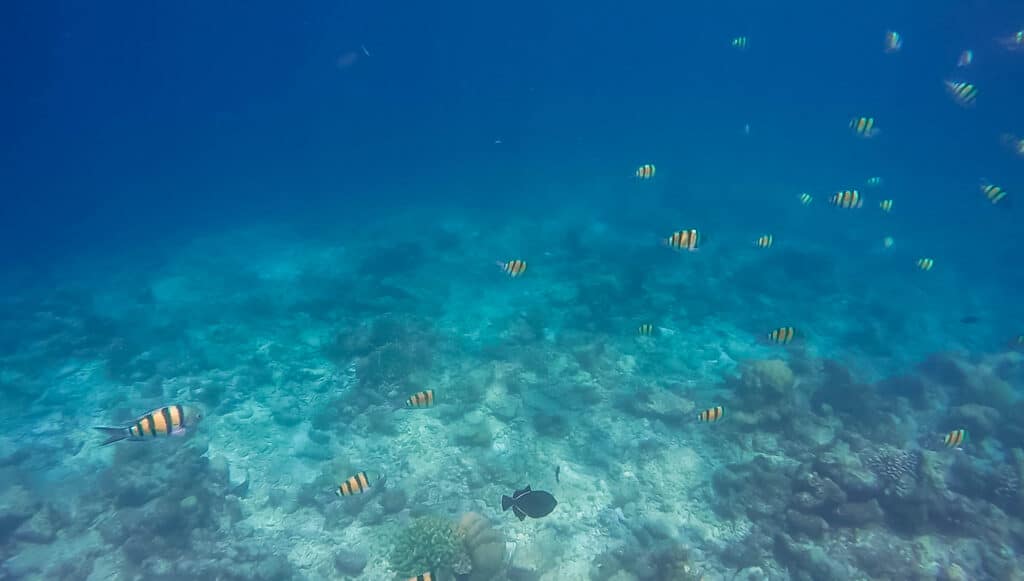
Snorkelling in Unawatuna Bay is most rewarding in the Wijaya Beach section where the reef creates calm conditions. A snorkelling trip from Unawatuna takes you further out to more varied coral gardens.
A cooking class in Galle is one of the most enjoyable activities on the south coast. The Galle Fort cooking class covers traditional Sri Lankan dishes with a market visit and hands-on preparation — a genuine insight into the cuisine beyond what restaurants alone provide.
Where to stay in Galle and Unawatuna
Galle Fort has some of the most characterful accommodation on the south coast: boutique hotels in converted colonial mansions, often with only a handful of rooms and a level of detail that larger properties can't replicate. Unawatuna is more practical and beach-facing, better for direct sea access at a wider range of price points.
$$$$ — Fort Bazaar
Price per night for 2 in shoulder season: from USD 570 (BB) Booking.com rating: 9.4
Fort Bazaar is one of the most acclaimed boutique hotels in Galle Fort — a beautifully restored Dutch colonial townhouse with rooms that feel genuinely individual, a rooftop pool and a location inside the fort walls that puts everything within walking distance. With a 9.4 rating it consistently delivers on the promise of historic atmosphere without sacrificing comfort.
$$$ — Bellini Blue
Price per night for 2 in shoulder season: from USD 815 (BB) Booking.com rating: 9.1
A stylish luxury beachfront hotel in Unawatuna that combines modern design with a calm seaside setting. Unlike the boutique properties inside Galle Fort, Bellini Blue keeps you right on the beach while still offering a refined, comfortable atmosphere. A good middle ground for travellers who want a polished stay with easy access to Unawatuna's restaurants and the water.
$$ — Rockside Cabanas
Price per night for 2 in shoulder season: from USD 142 (BB) Booking.com rating: 8.8
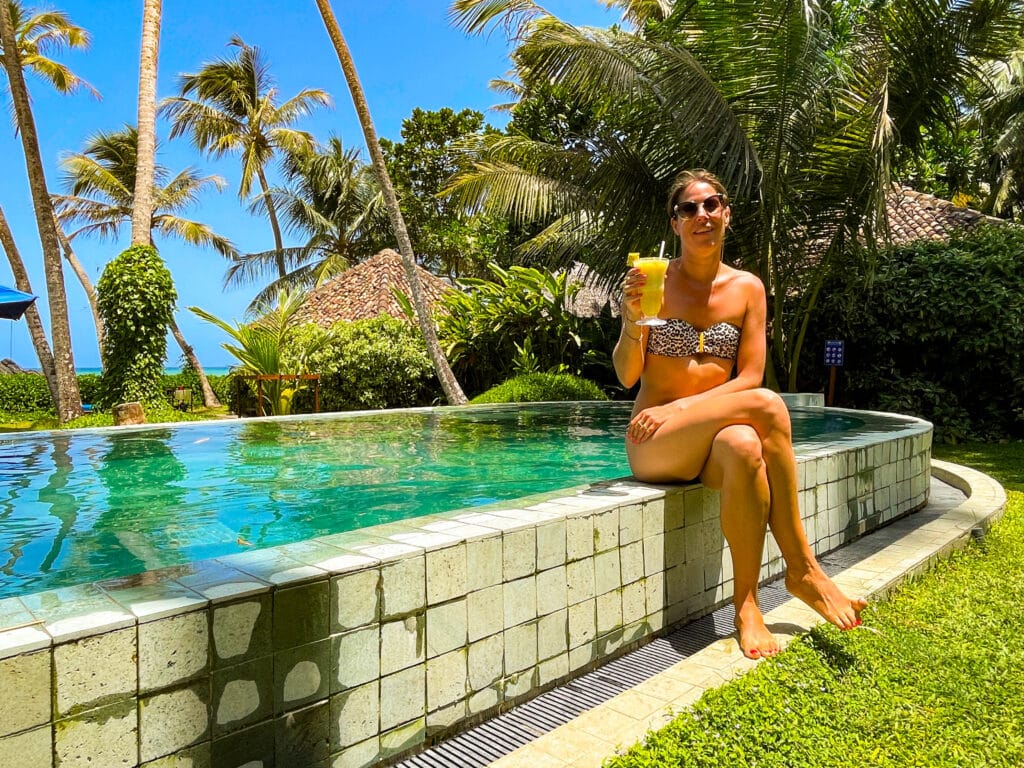
Rockside Cabanas is directly next door to where we stayed in Unawatuna — we noticed it immediately and thought it looked genuinely lovely: a smaller property with cabanas set in a garden, with a pool and direct proximity to the beach. If you want to be in Unawatuna without paying fort prices, this is the most practical and pleasant option we'd point to at this price level.
Our detailed guides to Galle and Unawatuna cover more hotel options across all budgets: Galle Sri Lanka: Explore the Historic Fort City and Unawatuna: Sri Lanka's Tropical Paradise.
Mirissa & Weligama: Whales, Surf & Ocean Life
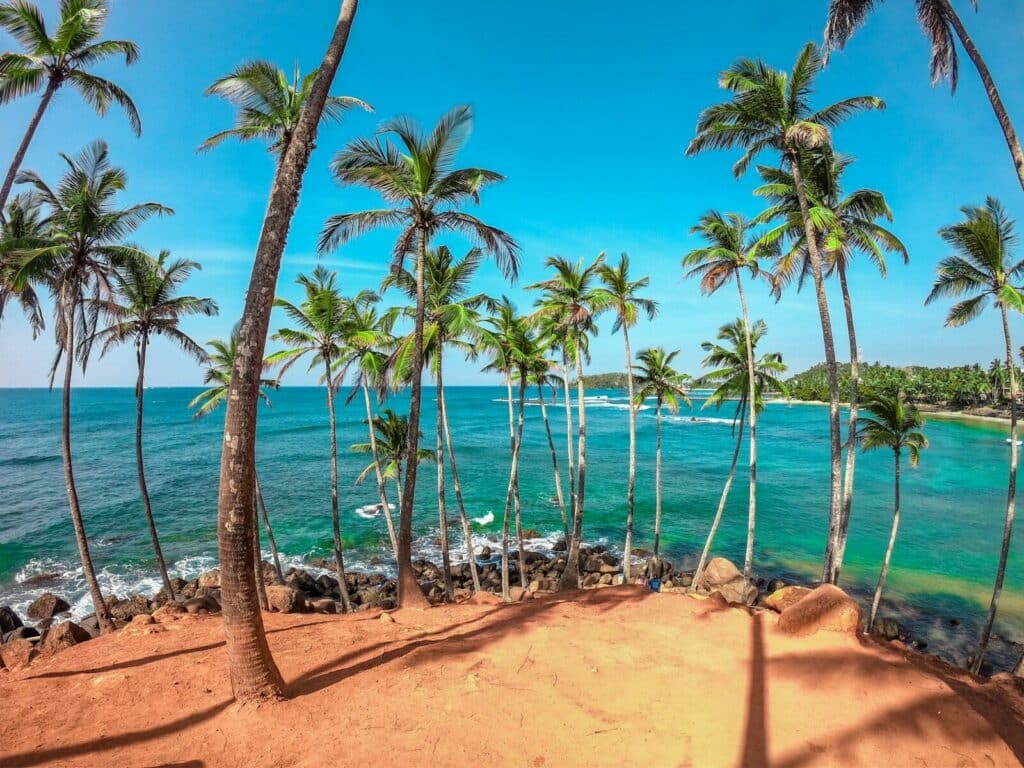
Moving east from Unawatuna, the coast opens up and the character shifts. Mirissa and Weligama sit within a few kilometres of each other and between them cover two of the south coast's most significant draws: whale watching and surf lessons. Both towns have grown considerably in recent years, but they still feel more like beach villages than resort destinations — the pace is noticeably slower than the Galle area, the restaurants are smaller, and the whole atmosphere is more focused on the ocean than on sightseeing.
Weligama Bay is a wide, south-facing arc with gentle rolling waves that have made it one of Sri Lanka's best-known spots for learning to surf. The wave is forgiving, the beach is long, and there are enough surf schools competing for business that instruction is affordable and generally well-organised. At the exclusive end of the market, The Six Weligama perches above the bay as one of the most extraordinary small properties on the entire south coast.
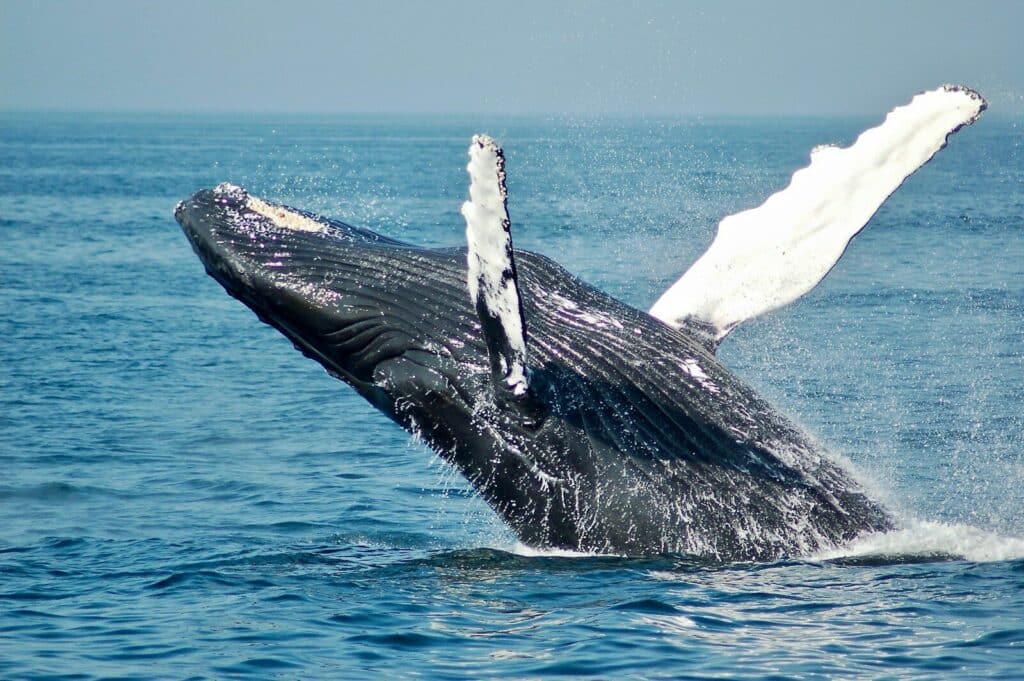
Mirissa sits just east of Weligama and is the departure point for whale watching tours. Between November and April, blue whales feed in the waters off the southern tip of Sri Lanka — these are the largest animals on the planet, and encounters at sea can be genuinely extraordinary. Humpback whales and spinner dolphins are common sightings alongside them. The experience depends heavily on sea conditions and seasonality; outside the November to April window, tours still run but reliability drops significantly.
What to see and do around Mirissa and Weligama
Whale watching from Mirissa is the south coast's most dramatic ocean experience. Blue whales are remarkably common in these waters during peak season, and encounters can involve animals surfacing within metres of the boat. Go in the morning when sea conditions are typically calmer, book with an operator who respects ethical distance guidelines, and keep expectations flexible — the ocean is unpredictable by nature. Book a Mirissa whale watching tour as early as possible during peak season.
Snorkelling with turtles off Mirissa offers a different type of ocean encounter — sea turtles are resident in the waters around the headland and a good snorkelling guide can take you to reliable spots. The Mirissa snorkelling and turtle tour is a practical way to combine both.
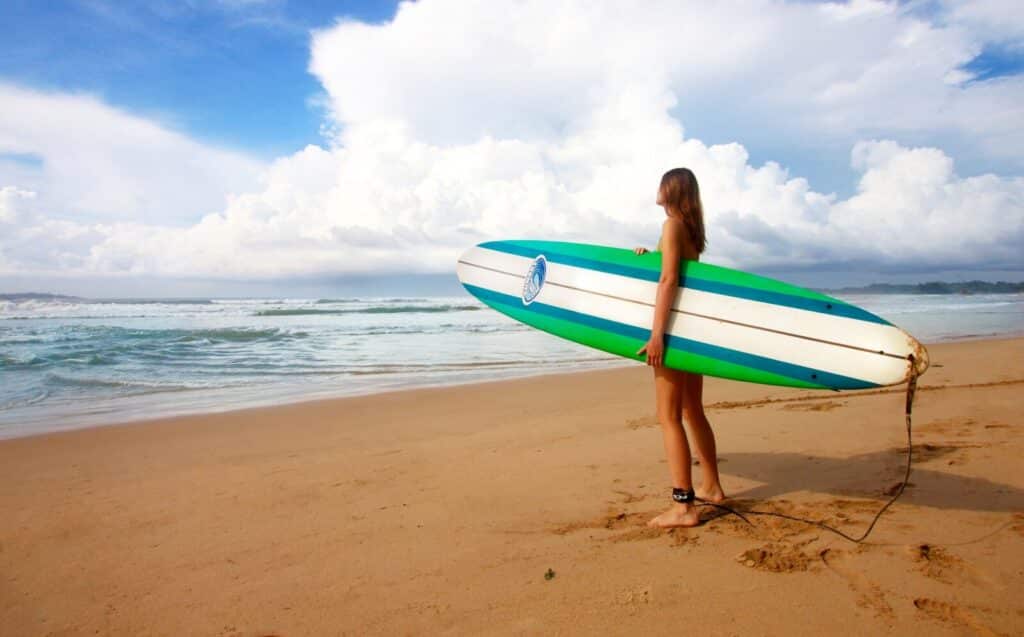
Surf lessons in Weligama are accessible for complete beginners, and the bay's long gentle break means there's space to practice without feeling crowded into one corner. Most schools offer half-day lessons that cover theory, safety and several hours in the water. Book surf lessons in Weligama in advance during high season when schools fill quickly.
A cooking class in Mirissa makes a pleasant alternative to a morning on the water and gives insight into Sri Lanka's coastal cuisine. The Mirissa cooking class typically includes market shopping and hands-on preparation.
Where to stay in Mirissa and Weligama
$$$$ — The Six Weligama
Price per night for 2 in shoulder season: from USD 2050 (BB) Booking.com rating: 9.8
The Six Weligama is a private villa property with only six suites — hence the name — offering extraordinary levels of privacy and personalised service above the bay. The 9.8 rating is one of the highest on the entire south coast. At this price point you're paying for exclusivity as much as comfort, and it delivers on both counts. If you're looking for one truly special night on the south coast, this is where to spend it.
$$$ — Nisala Villas Mirissa
Price per night for 2 in shoulder season: from USD 825 (BB) Booking.com rating: 9.0
A boutique villa property in Mirissa with a strong rating and a focus on quality over scale. Well-positioned for early whale watching departures and evening beach time. A good choice for travellers who want Mirissa's ocean access with a level of comfort and privacy above the standard guesthouse offering.
$$ — Beach Villa Mirissa
Price per night for 2 in shoulder season: from USD 110 (BB) Booking.com rating: 9.3
Beach Villa Mirissa delivers genuine quality at a very accessible price point — a 9.3 rating at USD 110 with breakfast is difficult to argue with on this stretch of coast. A practical, well-regarded base for travellers who want to be in Mirissa for the whale watching and beach life without spending resort prices to do it.
Ahangama: Boutique South Coast at Its Best
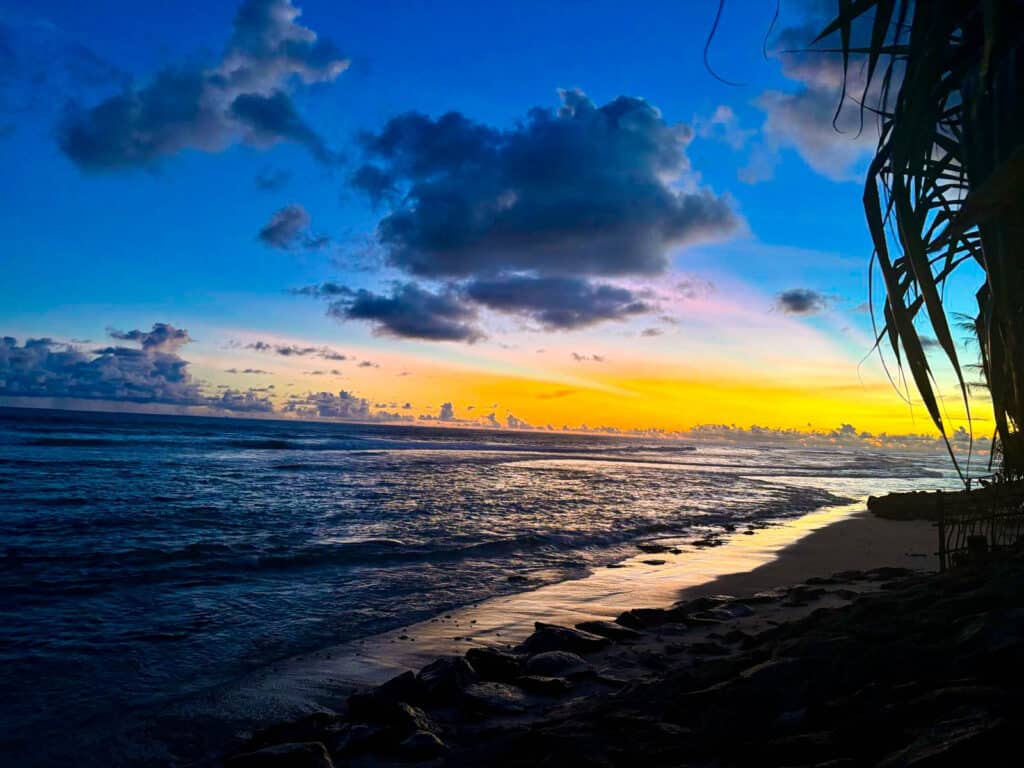
Ahangama sits between Unawatuna and Weligama and tends to attract a slightly different traveller than either — one who knows the south coast well enough to choose somewhere quieter, or who values seclusion and design over convenience and activity density. The town itself is small and unpretentious, but the accommodation quality is unusually high for its size, with some of the south coast's best boutique properties clustered around its small bay and surrounding rice paddies.
It's a place to settle into rather than use as a base for constant day trips. Days here revolve around the beach, the pool and the slower rhythms of Sri Lankan coastal life. It's close enough to Galle (about 20 minutes by tuk-tuk) for a half-day visit, and close enough to Weligama and Mirissa for a whale watching morning, but Ahangama itself is the reason to stay — not those other places.
Where to stay in Ahangama
$$$ — Kurulu Bay
Price per night for 2 in shoulder season: from USD 300 (BB) Booking.com rating: 9.5
Kurulu Bay is one of the south coast's most consistently praised boutique stays — a small property with a pool, genuine design character and a warmth of service that guests repeatedly highlight. At 9.5 and USD 300 with breakfast, it represents very strong value for what it delivers.
$$ — Villa Alba
Price per night for 2 in shoulder season: from USD 140 (BB) Booking.com rating: 9.7
Villa Alba is one of those properties that punches well above its price — a 9.7 rating at USD 140 with breakfast is exceptional value anywhere on the south coast. A small, intimate stay with the kind of warmth and attention that larger hotels rarely manage. Ideal for travellers who want quality and character without the boutique price tag.
$ — The Oasis Villa
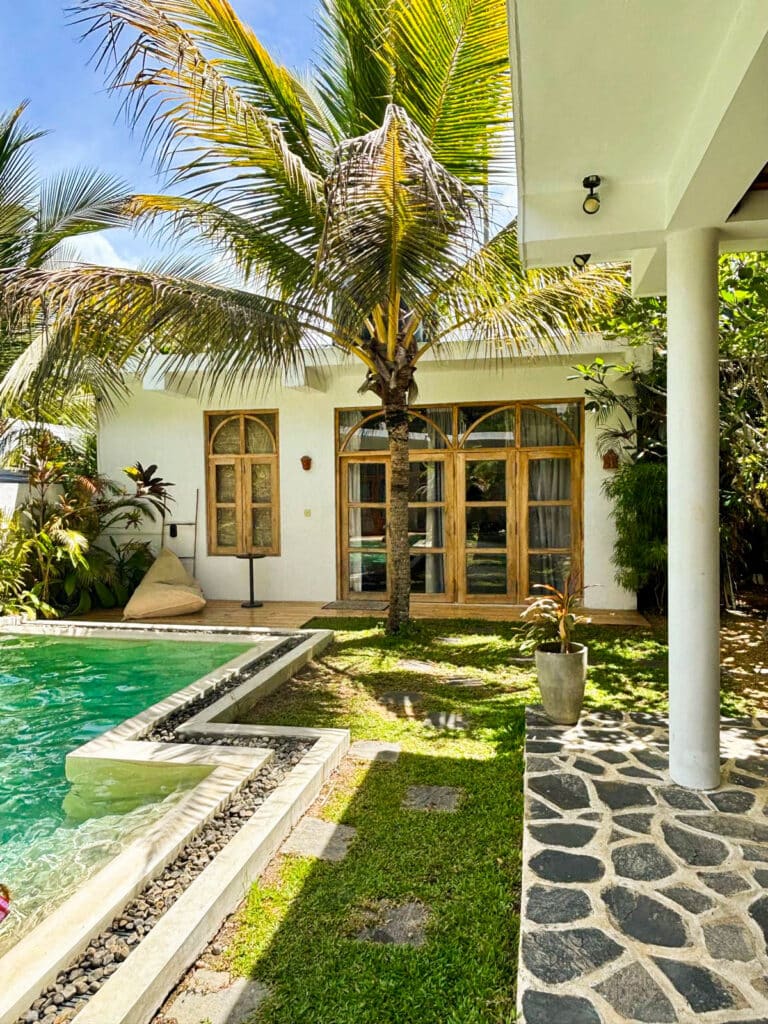
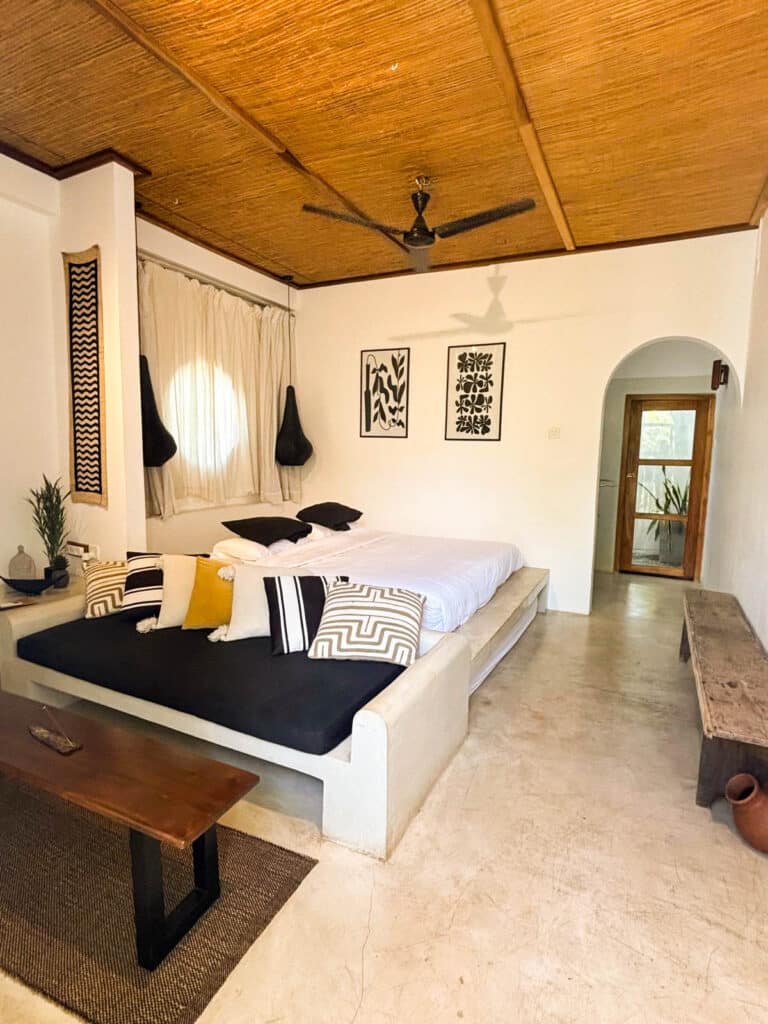
Price per night for 2 in shoulder season: from USD 55 (bed) Booking.com rating: 8.5
A simple, affordable base in Ahangama for travellers who want to be in this part of the coast without spending much on accommodation. At USD 55 it's one of the most budget-friendly options on the south coast, and the rating suggests a comfortable enough stay for the price.
Hiriketiya: The South Coast Surf Village
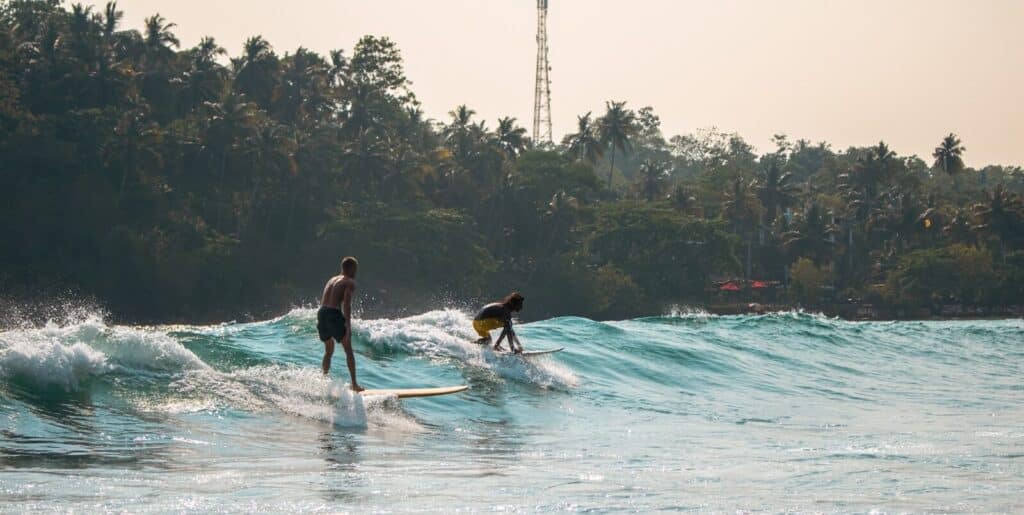
Hiriketiya is a horseshoe-shaped bay about an hour east of Mirissa that has spent the last several years becoming the south coast's most talked-about destination among surfers and the slow-travel crowd — and somehow maintaining most of its charm in the process. The bay is compact and protected, giving it waves that work for intermediate surfers on the inside and more powerful swells on the outer reef, plus enough calm water for swimmers.
The vibe is relaxed, slightly alternative, and — compared to the more developed stretches to the west — refreshingly unpretentious. There are good cafés, a few surf schools, yoga studios and a handful of small hotels. Days begin early with surf sessions, transition through café breakfasts and lazy pool hours, and end with sunset views over the bay. It suits travellers who want an unhurried coastal life rather than a packed itinerary.
Where to stay in Hiriketiya
$$$$ — Ginger Palm Villa
Price per night: from USD 4750 (BB) Booking.com rating: 10.0
Ginger Palm Villa is a fully private villa rental near Hiriketiya — a perfect 10.0 on Booking.com. For groups or families who want complete privacy, their own pool and a villa experience rather than a hotel, this is one of the most extraordinary properties in the area.
$$ — Gaia Soul
Price per night for 2 in shoulder season: from USD 120 (BB) Booking.com rating: 9.2
Gaia Soul sits just above the bay with a pool and direct access to everything Hiriketiya offers. At USD 120 with breakfast and a 9.2 rating, it's among the best value-for-money stays on the entire south coast — a relaxed, well-run property that suits the atmosphere of the village perfectly.
Tangalle: Space, Calm & the Quiet East
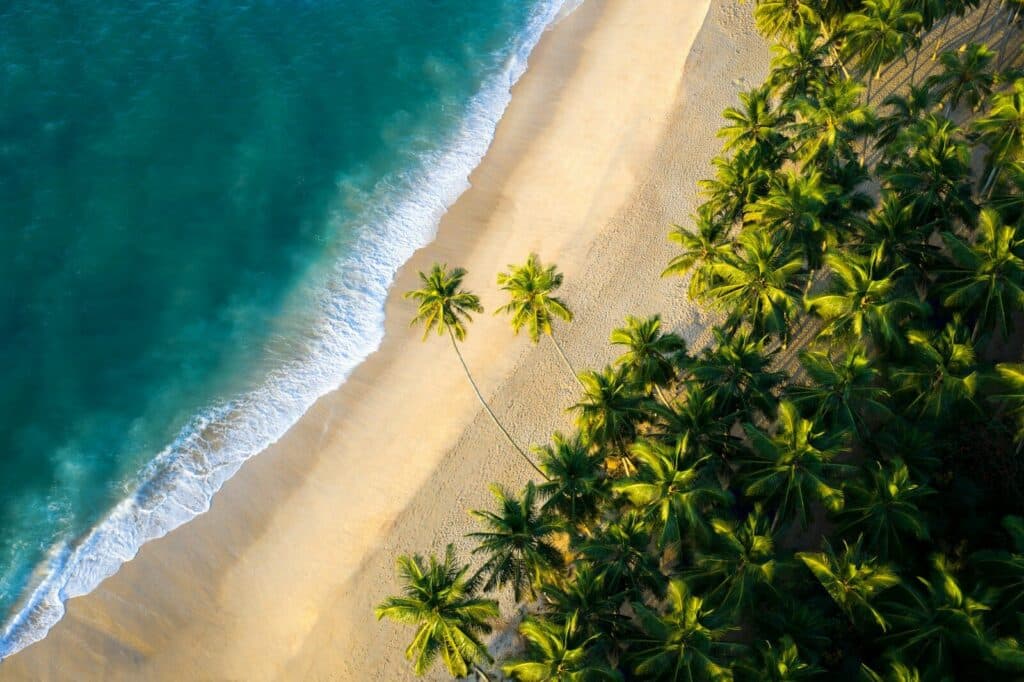
Tangalle marks the eastern boundary of most south coast itineraries and the beginning of a very different Sri Lanka. There are fewer tourists here, the beaches are longer and wilder, the infrastructure is simpler, and the whole atmosphere slows further. It's the right destination if you find the western end of the south coast too developed, or if you want to spend several nights somewhere and feel genuinely settled rather than passing through.
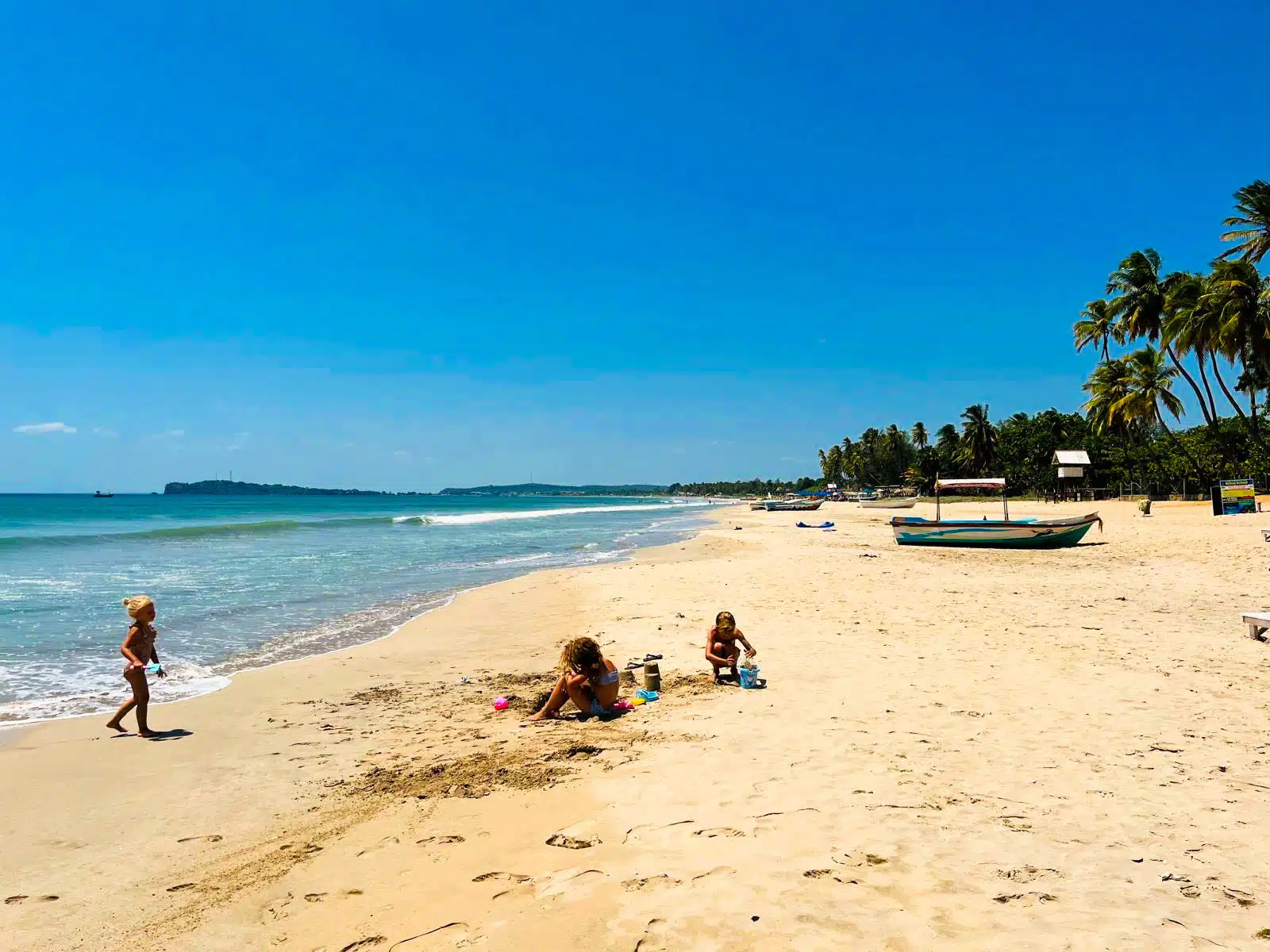
The coastline around Tangalle is genuinely stunning — long sandy bays backed by lagoons and coastal vegetation, with the kind of scale that makes you realise how much space Sri Lanka actually contains. Swimming can be rough on exposed stretches, so it's worth asking about conditions locally before committing to any particular beach.
Tangalle also sits within practical reach of Yala and Udawalawe — making it a natural pairing for travellers who want to combine a wildlife experience with time on the south coast without long back-and-forth travel days.
Where to stay in Tangalle
$$$$ — Anantara Peace Haven
Price per night for 2 in shoulder season: from USD 1130 (BB) Booking.com rating: 9.3
Anantara Peace Haven sits on a clifftop above its own private beach — one of the most dramatic coastal positions on the entire south coast. Multiple pools, a spa, several restaurants and a scale of grounds that feels genuinely generous. It also appears in our wellness hotel recommendations for Sri Lanka, and is well equipped for families too. If you want to splurge once on this coast, this is one of the strongest cases for doing it.
$$ — Seven Turtles
Price per night for 2 in shoulder season: from USD 145 (BB) Booking.com rating: 9.5
Seven Turtles is a well-rated mid-range stay in Tangalle with an excellent rating at a very accessible price point. At 9.5 it clearly delivers on comfort and service, making it the most practical choice for travellers who want to experience the quieter eastern end of the south coast without a large accommodation budget.
Practical Information: Sri Lanka South Coast
Best time to visit
December to April is the south coast's prime season. The southwest monsoon has cleared, the sea is calm, whale watching tours run reliably, and swimming is excellent across almost all beaches. January, February and March offer the most consistent conditions.
From May to September, the southwest monsoon affects the south coast directly. Seas build significantly, swimming becomes difficult on many beaches, and boat-based activities become weather-dependent. Some areas — particularly more sheltered bays — remain swimmable, but it requires more flexibility.
For a full month-by-month breakdown of Sri Lanka's weather patterns across all regions, our best time to visit Sri Lanka guide covers everything in detail.
Getting to and around the South Coast
The south coast is well-connected to Colombo by road — Galle is about 2.5 hours from the airport, less if traffic cooperates. From the Hill Country, transfers take around 3 hours from Ella to the south coast, passing through gradually flatter terrain. The airport transfer to Galle/Unawatuna via 12Go is a practical pre-booked option for arrivals.
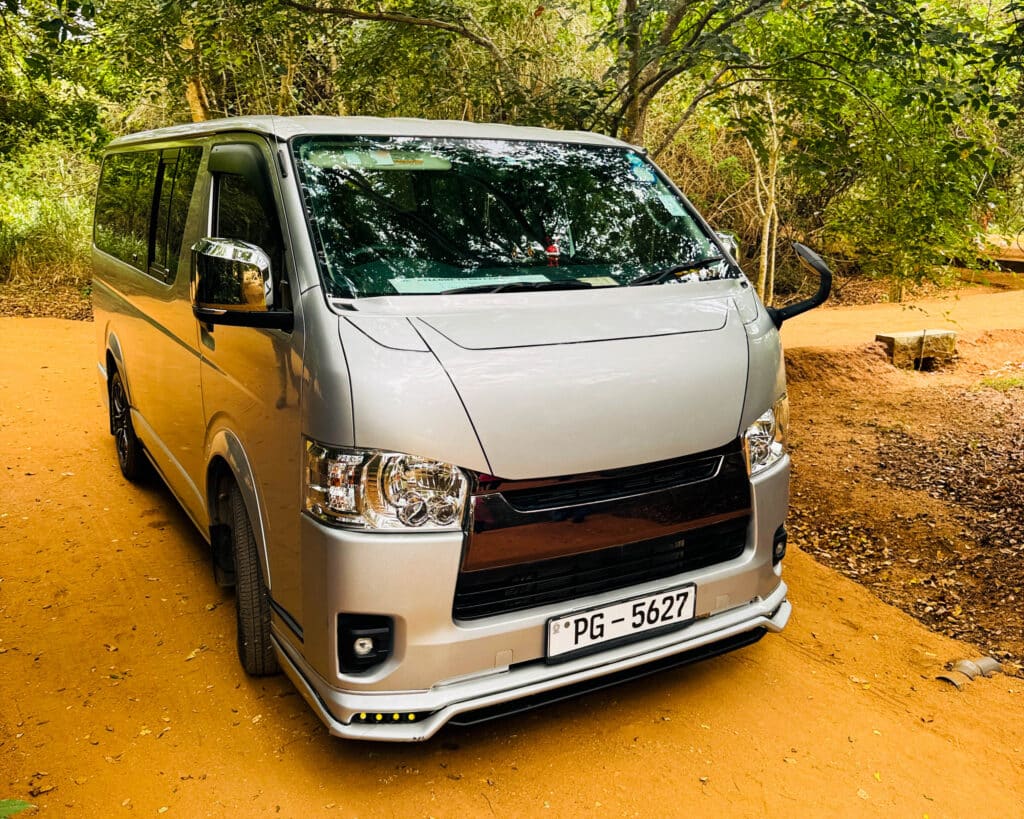
Once on the south coast, tuk-tuks handle short hops between towns well — Galle to Unawatuna, Unawatuna to Mirissa, Weligama to Ahangama are all easy tuk-tuk distances. For longer stretches or luggage-heavy transfers, a private driver is more comfortable.
We used Sri Lanka Personal Tour Drivers throughout our Sri Lanka trip and found it made the south coast particularly easy — no logistics to arrange, flexible timing for morning activities, and the ability to pull over whenever something caught our eye.
How the South Coast fits into a Sri Lanka itinerary
The south coast pairs most naturally with the Hill Country and the Cultural Triangle in classic routes. Coming down from Ella, the most direct route runs toward Udawalawe (often combined as a one-night safari stop) and then continues west toward the coast. For day-by-day planning that shows how the south coast connects to the rest of the island, both our 10 Days Sri Lanka Itinerary and 2 Week Sri Lanka Itinerary show the most logical routing options.
Final Thoughts on the Sri Lanka South Coast
The Sri Lanka South Coast is the part of the trip that most people say they'd extend if they could. It has a quality that's hard to articulate — something about the combination of warm water, unhurried days and the specific light of the Indian Ocean that makes you want to stay longer than you'd planned.
The variety along this stretch is part of what makes it work for so many different travellers. History lovers find their footing in Galle Fort; ocean enthusiasts get their whale encounters off Mirissa; surfers find the right break in Weligama and Hiriketiya; and those who simply want a genuinely beautiful beach with no particular agenda can find that in Ahangama or Tangalle. None of these places feel like they've been manufactured for tourists. The fishing boats still go out before dawn. The turtles feed in the bay every morning regardless of who's watching.
If you're building your first Sri Lanka itinerary, the south coast deserves at least three nights — and is best placed after the Hill Country as a natural wind-down before the journey home. Give it proper time, pick a base that suits your pace, and let the coast do the rest.
🐘 Plan Your Sri Lanka Trip
🏨 Still looking for the right stay? Browse all hotels in Sri Lanka — free cancellation on most rooms.
✈️ Flights: Compare routes and prices for flights to Sri Lanka.
🚂 Getting around: Book train tickets in advance (the scenic routes sell out), or arrange a private driver, tuk tuk rental or rental car.
📱 Stay connected: Get a Sri Lanka eSIM from Airalo before you fly. We use Airalo ourselves on every trip.
🔒 Travel insurance: Don't skip travel insurance for Sri Lanka — medical costs for tourists add up fast.
🎟️ Tours & activities: Browse safaris, cooking classes and tours across Sri Lanka.
💳 Money: Avoid card fees abroad with a free Revolut account.
Some links on this page are affiliate links. Booking through them costs you nothing extra and helps us keep this site running — thank you!
Frequently Asked Questions: Sri Lanka South Coast
What is the best time to visit the Sri Lanka South Coast?
December to April is the south coast's prime season — the southwest monsoon has passed, seas are calm, and whale watching from Mirissa operates reliably. January, February and March are the most settled months. From May to October, waves build significantly on exposed beaches, and swimming becomes more difficult in many spots, though sheltered bays like Unawatuna's reef area often remain usable. If your travel dates fall between May and October, the east coast has the opposite weather pattern and makes a better alternative.
How many days do you need on the Sri Lanka South Coast?
Three to five nights is the most common stay and usually feels about right. Three nights lets you cover Galle, Unawatuna and one ocean activity (turtles, whale watching or a snorkelling trip). Five nights gives you space to slow down significantly — a full day in Galle Fort, morning turtles, a whale watching trip, a Koggala Lake boat tour and still have proper beach time. Anything less than two nights makes it hard to feel settled rather than just passing through.
Is Galle Fort worth staying in?
Yes, especially for first-time visitors to the south coast. Staying inside the Fort walls puts you within walking distance of everything, means you experience the quieter early mornings before day visitors arrive, and gives the stay a completely different character from a beachfront guesthouse. The trade-off is beach access — the Fort has no swimming beach of its own, so you'll need a tuk-tuk to reach Unawatuna. For travellers who want both, staying in Unawatuna and visiting the Fort on a day trip is the more practical compromise. Inside the Fort, Fort Bazaar is a standout stay.
Can you swim on the Sri Lanka South Coast during the monsoon?
It depends on the specific beach and month. Some sheltered bays — particularly Unawatuna's reef area — can remain swimmable even during the southwest monsoon period. More exposed beaches in Mirissa, Weligama and Tangalle become rough and unsafe for swimming from May onwards. If you're visiting during monsoon months, always check local conditions on arrival rather than assuming any beach is safe. The east coast is a far better option for beach swimming between May and September. In sheltered Unawatuna, Bellini Blue is an easy beachside base.
Is whale watching from Mirissa reliable?
Between November and April, blue whale and sperm whale sightings are genuinely common — these are among the best conditions for seeing blue whales anywhere in the world. Outside this window, sightings become less predictable. The experience also depends on sea conditions: rough mornings can make the boat trip uncomfortable and sightings harder. Morning departures in calmer conditions give the best results. Book with a reputable operator and keep expectations honest — wildlife encounters are never guaranteed, but Mirissa during peak season gives strong odds.
What is the difference between Weligama and Mirissa?
They're about 8 kilometres apart and complement each other more than they compete. Weligama is better for surfing, with a long sheltered bay that produces beginner-friendly waves, and has the larger beach. Mirissa is the whale watching hub and has a slightly more intimate, party-adjacent atmosphere in the evenings. Most travellers find it easy to stay in one and visit the other in a half-day. Weligama is the better base for surfers; Mirissa suits those who want the ocean activities more than surf instruction specifically. In Mirissa, Nisala Villas is a relaxed option.
Can you combine the south coast with a safari?
Easily, and it's one of the most popular combinations in Sri Lanka. Udawalawe National Park sits about 2.5 hours inland from the coast and is one of the best places in the country for elephant sightings. Many travellers spend one to two nights near Udawalawe between the Hill Country and the south coast, which keeps the route logical without requiring backtracking. Yala National Park is also accessible from the eastern end of the south coast, though it's a longer drive.
Related Blogs
Other Region Blogs
Sri Lanka Regions Explained: How to Choose the Best Areas for Your Trip
Sri Lanka Cultural Triangle: Ancient Cities, Temples & Where to Stay
Sri Lanka Hill Country: Tea Plantations, Train Rides & Cool Climate Escapes
Sri Lanka East Coast: Best Beaches, Bases & When to Go
Northern Sri Lanka: Culture, Travel & What to Expect
Sri Lanka West Coast: Colombo, Negombo & Your Gateway to the Island
Other Sri Lanka Blogs
Best Hotels in Sri Lanka: How to Choose Where to Stay — by Region & Value
Where to Stay in Sri Lanka: Best Hotels by Travel Style
Best Cities to Visit in Sri Lanka: A Practical Guide to Regions, Routes & City Bases
Sri Lanka Travel Itinerary: Custom Plans for Beach Lovers, City Explorers, and Wildlife Adventurers
Top Things to Do in Sri Lanka: The Most Rewarding Experiences on the Island
Best Time to Visit Sri Lanka: Weather, Seasons & Travel Tips
Sri Lanka Weather by Month: What to Expect Each Season as a Traveller
Getting Around Sri Lanka: Ultimate Guide to Transport, Trains, Tuk-Tuks & Easy Trip Planning
Is Sri Lanka Expensive to Travel? Budget, Costs & Money-Saving Tips for Your Trip
Sri Lanka Travel Guide: Visa Requirements, Vaccination & Local Travel Tips