Table of Contents
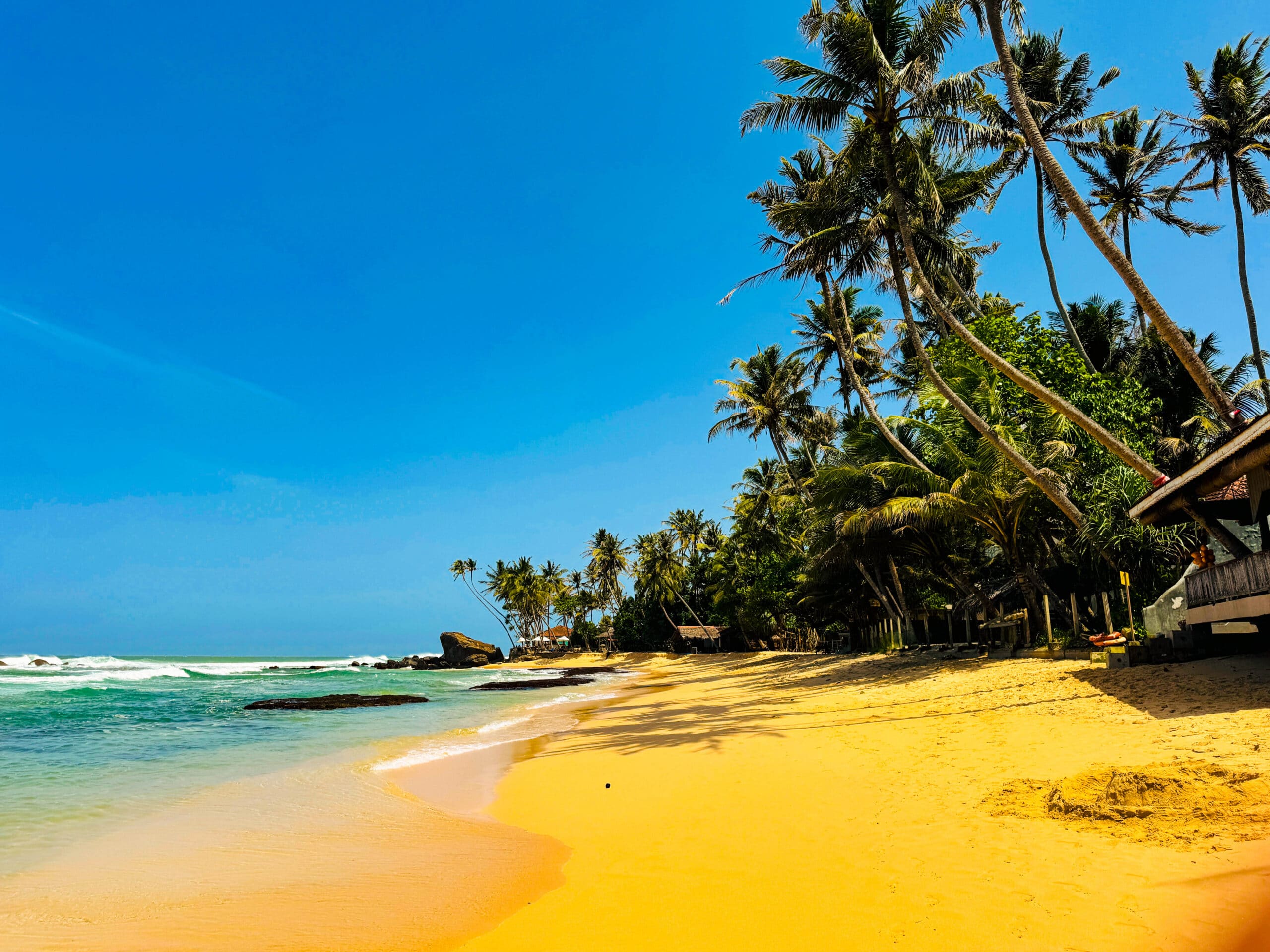
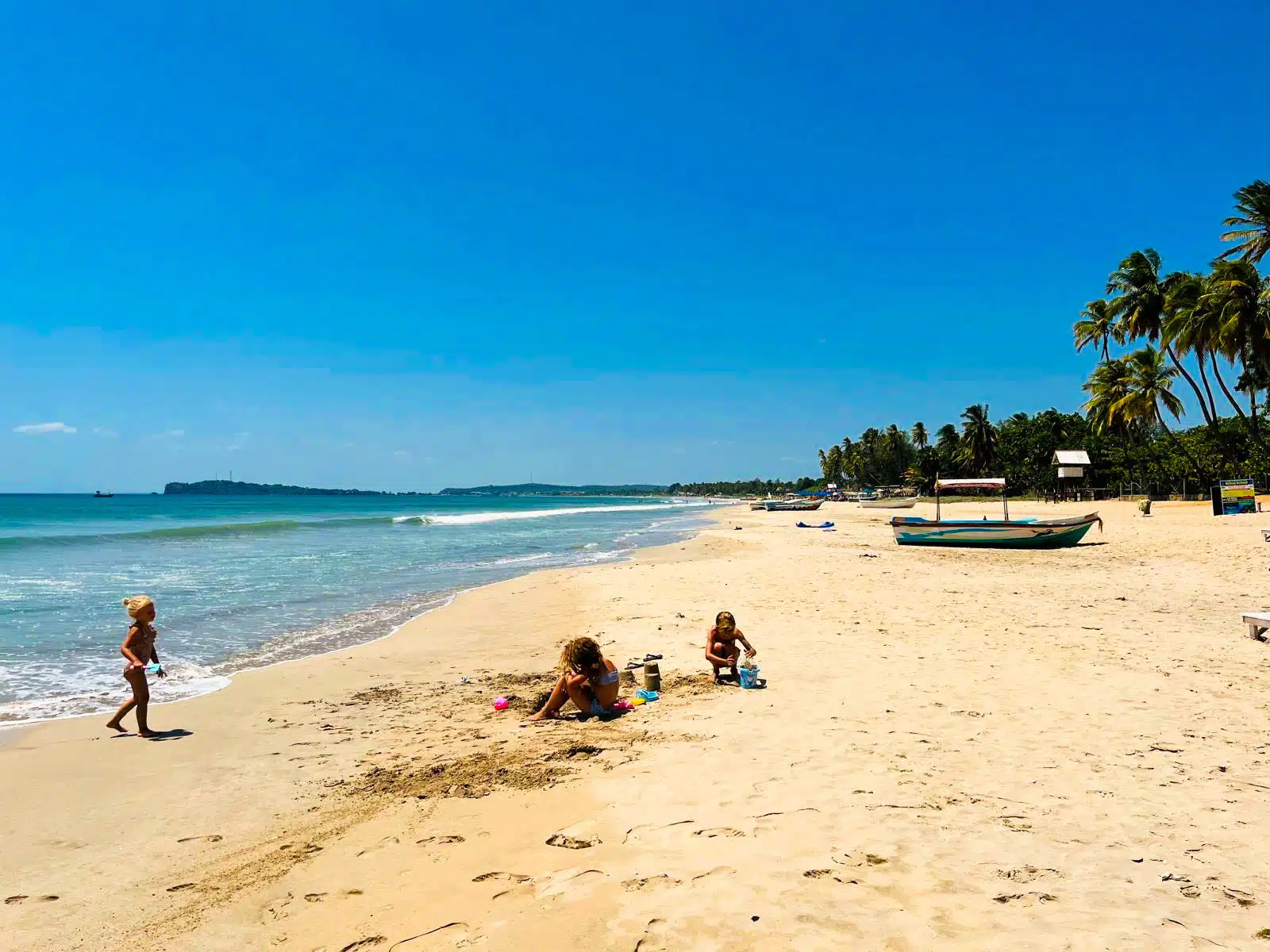
Sri Lanka's east coast is where the island shows a completely different face. While the south draws the crowds from December to April with its colonial forts and whale watching tours, the east quietly comes alive — wide, uncrowded beaches stretching for kilometres, fishing boats pulled up on golden sand, and a warm Indian Ocean that turns flat and clear from May onwards. If you’ve ever felt like you were slightly ahead of the crowd in a place, that’s the feeling the Sri Lanka east coast gives you.
What makes this coast particularly special is its seasonal logic. When the southwest monsoon hammers the south and west from May to September, the east coast sits in a weather shadow — calm seas, clear skies, and conditions that make it one of the best swimming destinations in Asia during the European summer months. It’s the coast that rewards smart timing over popular timing, and the travellers who make it here tend to be the ones who come back.
In a Rush?
These are my Favourite Hotels on the Sri Lanka East Coast
⭐️⭐️⭐️ Uga Bay Passikudah – Check prices and availability
⭐️⭐️ Sun Siyam Pasikudah – Check prices and availability
⭐️ Regina Beach Bungalow – Check prices and availability
Sri Lanka East Coast at a Glance
The east coast is less a single destination than a collection of very different places — a naval town with world-class diving, a luxury resort bay with waist-deep lagoon waters, a sleepy surf village, and a quiet enclave that most travellers still haven’t discovered. Here’s how they compare.
| Trincomalee | Nilaveli & Uppuveli | Pasikudah | Kalkudah | Arugam Bay | |
|---|---|---|---|---|---|
| Best for | Whale watching, diving, history | Snorkelling, Pigeon Island, calm beaches | Shallow lagoon swimming, luxury stays | Quiet beach seekers, seclusion | Surfing, backpacker vibe |
| Vibe | Port city with beaches | Relaxed coastal strip | Flat-water resort bay | Wild and undeveloped | Surf village, laid-back |
| Swimming | Good at Uppuveli/Nilaveli beaches | Excellent — calm and sheltered | Outstanding — waist-deep for 200m | Excellent but limited facilities | Better for surfing than swimming |
| Season | May–September | May–September | May–September | May–September | May–October |
| Typical stay | 2–3 nights | 2–3 nights | 2–4 nights | 1–2 nights | 3–5 nights |
| Not ideal if… | You want luxury resort infrastructure | You want nightlife or city atmosphere | You want a local, authentic feel | You want lots of restaurants and nightlife | You want calm water swimming |
| Distance from Colombo | ~5–6 hrs by road | ~5.5 hrs by road | ~5.5 hrs by road | Close to Pasikudah | ~7 hrs by road |
Understanding the Sri Lanka East Coast
Before choosing your base, it helps to understand what makes this coastline structurally different from the rest of Sri Lanka.
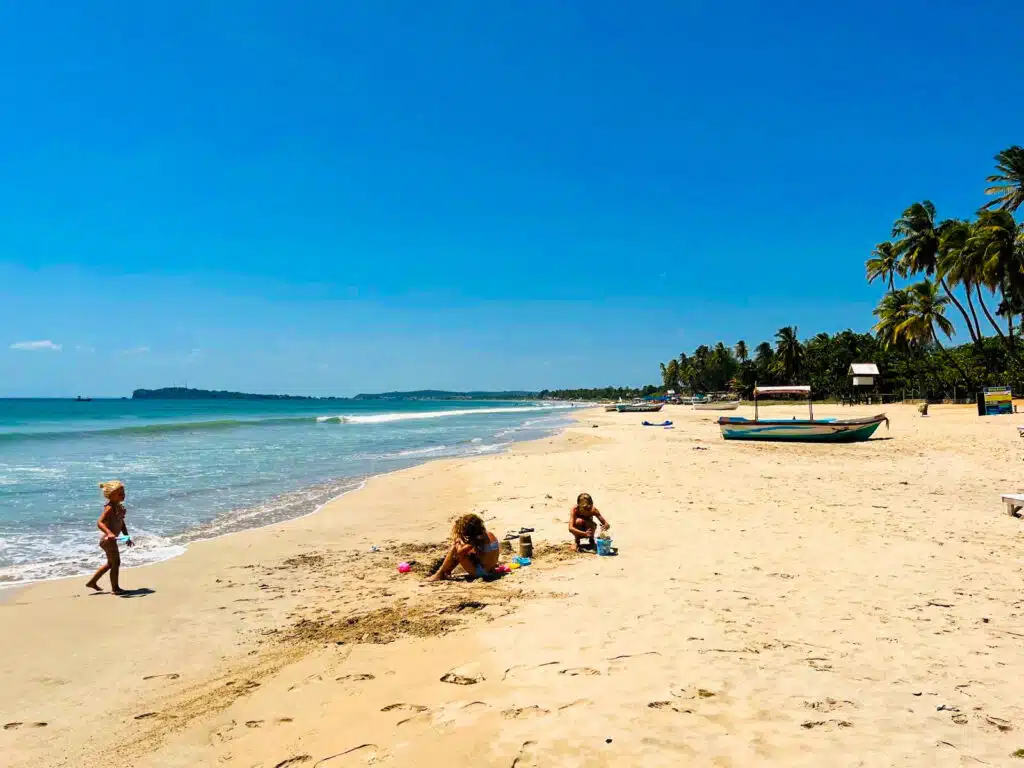
The east coast runs for several hundred kilometres, from the Trincomalee peninsula in the north to Arugam Bay and Pottuvil in the south. Along this stretch, the terrain changes considerably — from the rocky bays around Trincomalee to the extraordinary flat lagoons of Pasikudah, the open surf beaches of Arugam Bay and the wilder reaches beyond. These aren’t interchangeable. Choosing the wrong base for what you actually want can make the entire coast feel underwhelming.
The first thing to understand is the season. The Sri Lanka east coast operates on the opposite monsoon cycle from the rest of the island. While the southwest monsoon (May to September) creates rough conditions on the south and west coasts, it’s blocked from reaching the east by the central highlands. This means the east coast enjoys its best weather from May to September — which is exactly when the south coast is at its worst for swimming. For European travellers visiting in the summer months, the east coast isn’t a compromise: it’s the right coast.
The second thing is infrastructure. The east coast is significantly less developed than the south. Outside Passikudah, most beaches have a limited range of accommodation, fewer restaurants, and minimal nightlife. Distances between towns are greater, and public transport is more limited than in the south. This isn’t a warning so much as a calibration: the east coast rewards travellers who value space, authenticity and calm over convenience. The fewer crowds, the emptier beaches and the more genuine local feel are features, not bugs.
The third thing is how to use the east coast within a Sri Lanka itinerary. Because of the distances involved, the east coast works best when chosen deliberately rather than tacked onto a south-coast-focused route as an afterthought. It connects naturally with the Cultural Triangle and the northern wildlife parks, and a dedicated east-focused itinerary — Colombo → Cultural Triangle → Trincomalee → Pasikudah → Arugam Bay — is one of the most rewarding ways to structure a two-week trip during the European summer.
Trincomalee: The North’s Natural Harbour
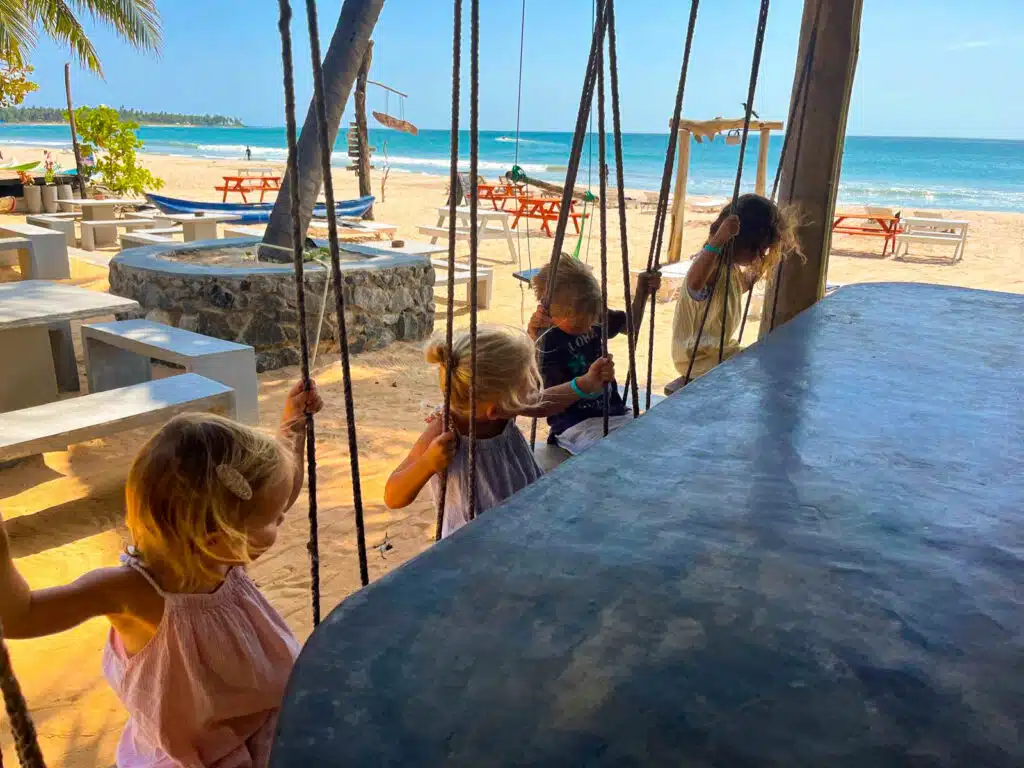
Trincomalee is the east coast’s main hub — a proper town with history, temples, markets and beaches, rather than a purely tourist zone. Its enormous natural harbour, one of the deepest in the world, has attracted traders, colonisers and navies for centuries, and the layered history of the place gives it a character that pure beach destinations often lack.
For travellers, Trincomalee works as both a destination in its own right and a gateway to the beaches and diving spots to the north. Fort Frederick, sitting on a headland above the harbour, contains the ancient Thirukoneshwaram Hindu temple — one of the most sacred Shaivite sites in Sri Lanka — with views over the bay that few other positions on the east coast can match.
The beaches immediately north of the town — Uppuveli and Nilaveli — are significantly better for swimming than the town beaches themselves. Nilaveli in particular is one of the longest, flattest white-sand beaches in Sri Lanka, with calm clear water during the east coast season and a pleasantly unhurried atmosphere. Pigeon Island, just offshore from Nilaveli, offers some of the best shallow-water snorkelling in the country: blacktip reef sharks, sea turtles and extraordinary coral coverage in water calm enough for swimmers of any level.
What to do around Trincomalee
Whale and dolphin watching is one of the great east coast experiences, and Trincomalee is the best departure point on this coast for it. Blue whales and sperm whales feed in the deep waters offshore between May and September, with spinner and bottlenose dolphins encountered on almost every trip. Book a whale and dolphin watching tour from Trincomalee well in advance during peak season.
Pigeon Island National Park sits roughly 1km offshore from Nilaveli Beach and is best visited by snorkelling tour from Trincomalee. The marine life here is extraordinary for the effort involved — blacktip reef sharks are common in the shallows, and the hard coral coverage around the island is among the best in Sri Lanka.
For divers, the waters around Trincomalee hold several notable wreck sites from the Second World War. The HMS Hermes, a British aircraft carrier sunk in 1942, is one of the most significant wreck dives in Asia. Scuba diving in Trincomalee is best arranged with a local operator who knows the conditions.
A sightseeing boat trip around the harbour is a relaxed way to understand Trincomalee’s extraordinary geography — the scale of the natural harbour only becomes apparent from the water, and the views of Fort Frederick and the surrounding coastline are best seen from the sea.
Canoeing on the lagoons and waterways south of Trincomalee is an excellent option for early mornings, with birdlife and mangrove scenery that most visitors completely miss. Book canoeing in Trincomalee for the most peaceful way to start a day on the east coast.
Where to stay in Trincomalee
Staying in Trincomalee town itself puts you close to Fort Frederick, the harbour and the Thirukoneshwaram temple — and within easy tuk-tuk reach of Uppuveli and Nilaveli for beach days. The options here are more guesthouse in character than resort, which suits the town’s authentic, non-touristic atmosphere well.
$$ — Mangalam House
Price per night for 2 in shoulder season: from USD 125 (bed) Booking.com rating: 9.8
Mangalam House is a beautifully preserved ancestral home in the heart of Trincomalee — over a hundred years of history, colonial architecture and a private plunge pool. The 9.8 rating reflects exactly what you’d expect from a property this characterful: genuine warmth, attentive hosting and an atmosphere that no generic hotel can replicate. The clear standout if you want to stay in the town itself.
$$ — Calm Guest
Price per night for 2 in shoulder season: from USD 100 (bed) Booking.com rating: 9.6
Calm Guest sits close to Trincomalee town centre and the railway station, making it a practical base for both sightseeing and onward travel. The 9.6 rating at USD 100 represents strong value — a well-run, welcoming property that punches well above its price.
$ — Trinco Vistara Guest House
Price per night for 2 in shoulder season: from USD 45 (bed) Booking.com rating: 9.2
At USD 45 with a 9.2 rating, Trinco Vistara is the budget pick for travellers who want a base in the town without spending much. Simple, clean and well-reviewed — exactly what you need for a couple of nights exploring Trincomalee before heading to the beaches north of town.
Nilaveli & Uppuveli: The Beach Strip North of Trinco
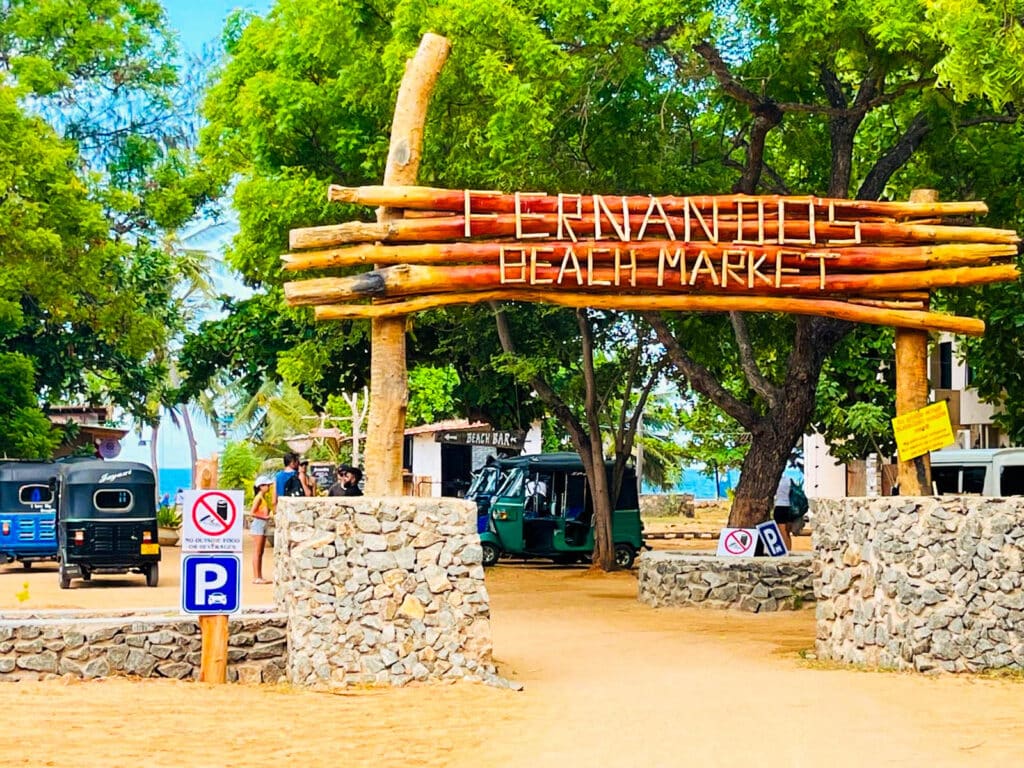
Nilaveli and Uppuveli are the two beach stretches that run along the coast immediately north of Trincomalee town, and for most visitors they’re the main reason to base themselves in the Trincomalee area at all. The two beaches are distinct in character: Uppuveli is closer to town, a little livelier and the most popular base for diving and snorkelling day trips. Nilaveli lies further north — quieter, longer and more open, with one of the most beautiful white-sand beaches on the entire east coast.
Both beaches face west-ish and benefit from the same calm conditions during the east coast season. The water is warm, clear and — on most days between May and September — flat enough for comfortable swimming. Most accommodation sits directly on or very close to the sand, making it easy to spend mornings in the water and afternoons doing very little at all.
Pigeon Island, the main snorkelling destination in the area, departs from the Nilaveli shore and takes around 10 minutes by boat. Early departures (before 9am) give you the best chance of calm conditions and fewer other groups on the water. Blacktip reef sharks are reliably seen around the island’s shallow edges, which surprises many visitors — they’re harmless but genuinely exciting to encounter.
Where to stay in Uppuveli
$$$$ — Uppuveli Beach by DSK
Price per night for 2 in shoulder season: from USD 450 (BB) Booking.com rating: 9.1
Uppuveli Beach by DSK is the most upmarket option on this stretch — a 5-star beachfront property with a pool, fitness centre and direct beach access, steps from Uppuveli beach. At 9.1 and USD 450 including breakfast, it’s the choice for travellers who want resort-level comfort close to Trincomalee town without driving all the way to Nilaveli.
$$$ — Amaranthe Bay Resort & Spa
Price per night for 2 in shoulder season: from USD 200 (bed) Booking.com rating: 9.2
Amaranthe Bay sits just north of Trincomalee town in Uppuveli, combining a spa and resort atmosphere with a strong location for both beach time and town visits. At USD 200 with a 9.2 rating, it represents solid mid-range value with more amenities than you’d typically find at this price on the east coast.
Price per night for 2 in shoulder season: from USD 70 (BB) Booking.com rating: 9.3
RKM Hotel is the budget pick in Uppuveli — USD 70 including breakfast with a 9.3 rating is exceptional value anywhere on Sri Lanka’s east coast. Simple and unpretentious, but clearly well-run and warmly reviewed. The right choice for travellers who want to spend their money on activities rather than accommodation.
Where to stay in Nilaveli
$$$$ — Heavenly Hideaway
Price per night for 2 in shoulder season: from USD 375 (bed) Booking.com rating: 9.9
Heavenly Hideaway lives up to its name — a 9.9 rating at this price point speaks for itself. Direct beach access on Nilaveli’s quietest stretch, with the kind of personalised attention that only small, owner-run properties deliver. The luxury pick for Nilaveli, and one of the highest-rated stays on the entire east coast.
$$$ — Nilaveli Beach Resort
Price per night for 2 in shoulder season: from USD 210 (BB) Booking.com rating: 9.0
Nilaveli Beach Resort is one of the longest-established properties on this stretch — spacious grounds, two restaurants, a pool and direct beach access on Nilaveli’s wide white sands. At USD 210 including breakfast, it’s a solid mid-range choice for travellers who want familiar resort infrastructure at a manageable price.
$$ — US Cabanas
Price per night for 2 in shoulder season: from USD 90 (bed) Booking.com rating: 9.3
US Cabanas is a well-reviewed budget-adjacent stay right in Nilaveli — USD 90 with a 9.3 rating makes it one of the better-value options on this stretch. A practical, well-located base for Pigeon Island day trips and beach mornings, without paying mid-range prices.
Pasikudah & Kalkudah: The Flat Lagoon Coast
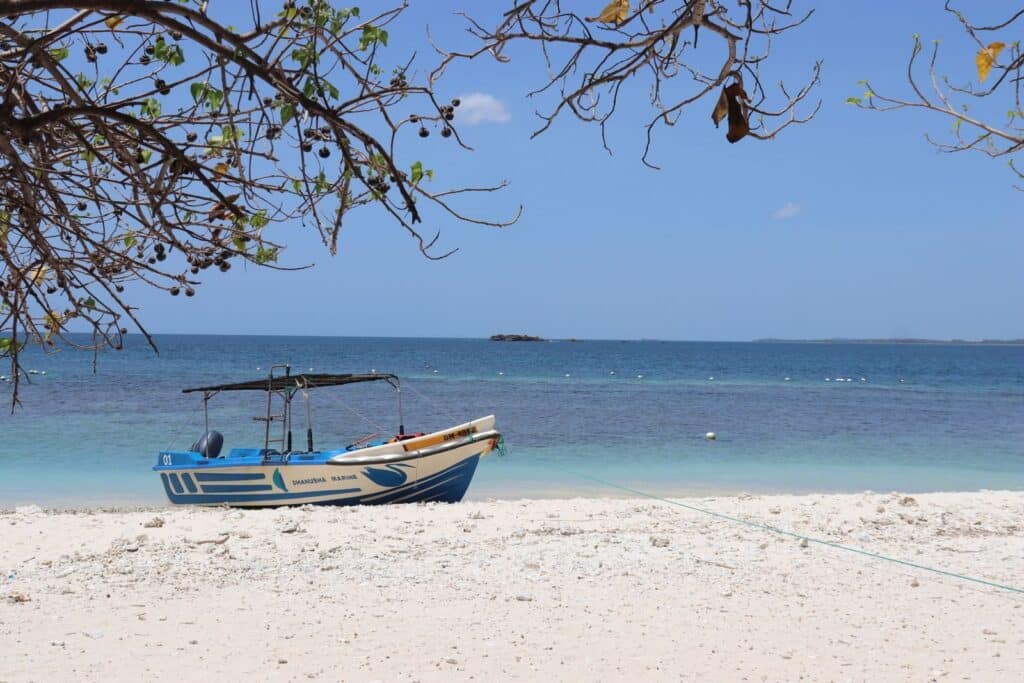
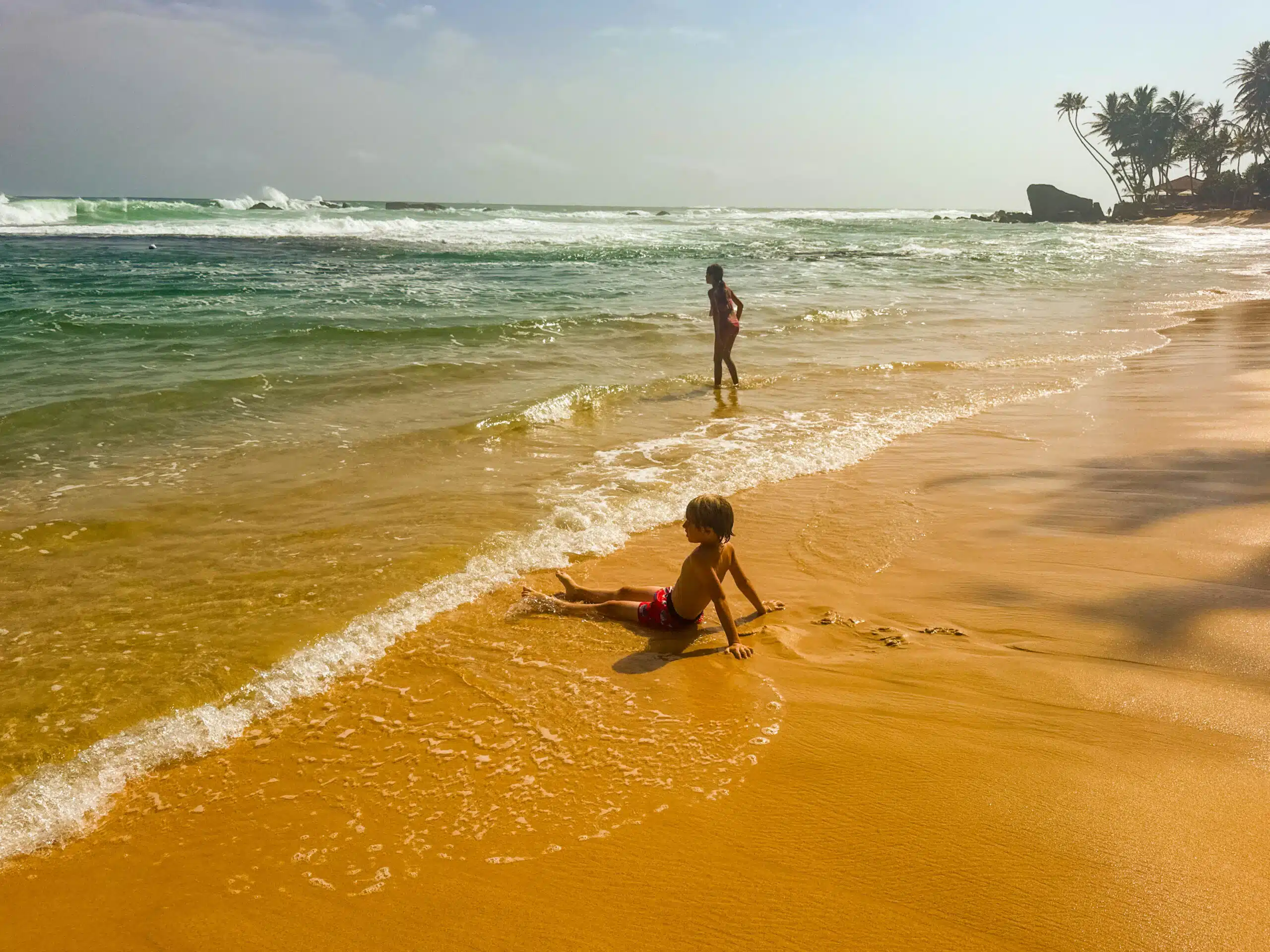
About 120 kilometres south of Trincomalee, the coast curves into a wide, protected bay that creates some of the most unusual swimming conditions in Sri Lanka. Pasikudah is famous for one thing above all others: the shallow lagoon that extends 200 to 300 metres offshore before reaching waist depth. The water is flat, warm and clear — perfect for non-swimmers, children and anyone who simply wants to walk into the ocean rather than fight surf.
This geography has attracted Sri Lanka’s most upmarket east coast resorts, and Pasikudah now has a cluster of larger properties that feel more like the Maldives than most Sri Lanka beaches — with beachside sun loungers, water sports facilities and the kind of flat turquoise water that photographs beautifully in any light. It’s the east coast base for travellers who want comfort and predictable swimming conditions over authenticity and local atmosphere.
Immediately south of Pasikudah lies Kalkudah — a longer, wilder stretch of beach that most visitors to the east coast still miss completely. Where Pasikudah has manicured resort infrastructure and watersports operators, Kalkudah has space: wide sands, coconut palms, fishing boats at dawn and the kind of quiet that’s genuinely hard to find on Sri Lanka’s more developed coasts. The two beaches are just 20 minutes apart by tuk-tuk, which means you can easily combine them — base yourself in Kalkudah for the calm and visit Pasikudah’s resorts and water sports on a day trip, or the reverse.
Where to stay in Pasikudah
$$$$ — Uga Bay Pasikudah
Price per night for 2 in shoulder season: from USD 385 (BB) Booking.com rating: 9.3
Uga Bay is Pasikudah’s most refined stay — a boutique-scale property with a strong design sensibility, private pool villas and the kind of personalised service that the larger resorts can’t quite replicate. At 9.3 and USD 385 with breakfast, it represents the east coast’s best combination of quality and intimacy. It also appears in our broader best hotels selection for Sri Lanka, and for good reason.
$$$ — Sun Siyam Pasikudah
Price per night for 2 in shoulder season: from USD 170 (HB) TripAdvisor rating: 4.7/5
Sun Siyam Pasikudah is one of the east coast’s most acclaimed resort experiences — a large, full-facility property set directly on the flat lagoon that Pasikudah is known for. The half-board rate includes breakfast and dinner, which makes the pricing considerably more competitive than it first appears. With a 4.7/5 TripAdvisor rating, it consistently delivers on the promise of the setting.
Where to stay in Kalkudah
Kalkudah is just 20 minutes south of Pasikudah by tuk-tuk, but it feels like a completely different world. There are no resort strips here — just a long, wide beach backed by coconut palms, a handful of guesthouses and fishing boats pulled up on the sand. The boutique property below is the clearest reason to choose Kalkudah as your base rather than visiting it on a day trip from Pasikudah.
$$$ — Kalkudah Beach House
Price per night for 2 in shoulder season: from USD 300 (BB) Booking.com rating: 9.6
Kalkudah Beach House is a small, characterful boutique stay on a wide, almost deserted beach — a 9.6 rating that reflects genuine quality rather than marketing. For travellers who want the flat lagoon swimming conditions of this part of the coast without the resort scale of Pasikudah, Kalkudah is the right choice: more space, fewer people and a pace that matches the east coast’s natural rhythm perfectly.
Arugam Bay: Sri Lanka’s Surf Capital
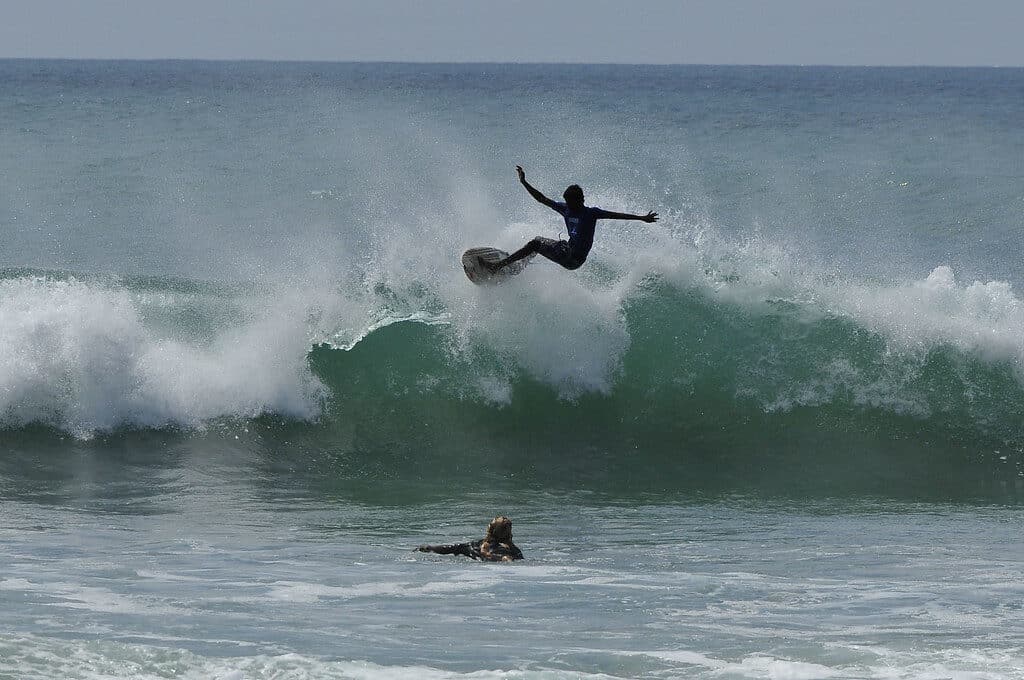
Arugam Bay sits at the southern end of the east coast, roughly 320 kilometres from Colombo, and it has a completely different identity from anything else on this stretch of coastline. Where Trincomalee has history and Passikudah has flat-water luxury, Arugam Bay has surf culture — and a particular kind of easy, unpretentious energy that draws surfers, slow travellers and backpackers in roughly equal measure.
The bay itself faces south and catches swells from May onwards that produce a right-hander wave at the main point break — one of Asia’s most consistent beginner-to-intermediate surf spots. The wave is forgiving enough for complete beginners on most days, while the outer breaks provide more serious walls for experienced surfers. This makes Arugam Bay one of the most democratic surf destinations in Asia: everyone from first-timers to seasoned riders can find something useful in the water.
The town is small and increasingly popular, but it hasn’t lost the character that made it appealing in the first place. The main strip has good cafés, surf schools and simple guesthouses. Days here follow a natural rhythm: early morning surf sessions, slow breakfasts, afternoons either in the water or doing very little, and evenings that end at a reasonable hour. If the south coast’s café culture moves at the pace of a swell, Arugam Bay moves at the pace of a long right-hand point break — slow, rolling and worth settling into.
Beyond surfing, the surrounding area offers genuine natural diversity. Kumana National Park (an extension of Yala, with significantly fewer visitors) sits just south and is excellent for birdwatching. Elephant Rock — a granite outcrop with views over the bay — is an easy walk and one of the best sunrise spots on the east coast. Muhudu Maha Viharaya, an ancient Buddhist temple on a headland overlooking the sea, provides cultural depth that pure beach destinations rarely have.
What to do in Arugam Bay
Surf lessons are available from multiple schools along the main break and are the single most popular activity in Arugam Bay. Most schools offer half-day sessions that cover both theory and water time. Book surf lessons in Arugam Bay in advance during peak season (July to September), when the bay is at its busiest.
Yoga is a strong part of the Arugam Bay culture — several studios run morning and sunset sessions that fit naturally into a surf-focused routine. A yoga class with sea views is one of the most popular non-surf activities in the bay.
Kumana National Park is worth a half-day for anyone interested in wildlife. It’s far less visited than Yala but shares much of the same ecosystem — leopards, elephants and an extraordinary variety of waterbirds in the seasonal lagoons. Arrange a jeep safari through your accommodation rather than trying to organise transport independently.
Elephant Rock and Muhudu Maha Viharaya are both walkable from the main bay and reward an early start when the light is good and the heat hasn’t built yet. Both offer views over the coast that put Arugam Bay’s geography into clear perspective.
Where to stay in Arugam Bay
$$$ — Stay Golden
Price per night for 2 in shoulder season: from USD 155 (bed) Booking.com rating: 9.5
Stay Golden is Arugam Bay’s standout mid-range option — a 9.5 rating at USD 155 reflects a property that genuinely delivers on comfort and atmosphere without the boutique-resort price tag. Well-positioned for both the main break and the town’s cafés and restaurants, it’s the natural choice for travellers who want quality without compromising on the laid-back surf village feel.
$$$ — Lucky Bay
Price per night for 2 in shoulder season: from USD 140 (BB) Booking.com rating: 9.6
Lucky Bay edges Stay Golden on rating — 9.6 with breakfast included at USD 140 is excellent value for Arugam Bay. A relaxed, well-reviewed property that suits the pace of the bay perfectly: good food, friendly hosting and direct access to everything the village offers.
$$ — Whisky Point Resort
Price per night for 2 in shoulder season: from USD 75 (BB) Booking.com rating: 9.7
Whisky Point Resort sits just outside the main bay at its own surf break — wooden cabanas and open-air pagodas with ocean views, a beach bar and a restaurant known for its pizza. At USD 75 with breakfast and a 9.7 rating, it’s one of the best-value stays on the entire east coast. The location is slightly quieter than the main strip, which suits travellers looking for a more relaxed alternative to Arugam Bay’s busier centre.
Practical Information: Sri Lanka East Coast
Best time to visit
The Sri Lanka east coast is at its best from May to September, when the southwest monsoon passes over the highlands and leaves the east coast largely sheltered. June, July and August are the peak months — calm seas, reliable sunshine and the full range of water-based activities operating without weather disruption.
Between October and April, the northeast monsoon affects the east coast with increased rainfall and rougher seas. Some beaches remain swimmable in lighter conditions, but this is broadly the off-season for east coast travel. If you’re visiting Sri Lanka between October and April, the south and west coasts are the better choice. Understanding this pattern helps you choose the right coast for your travel dates — our full guide on Sri Lanka’s best time to visit breaks down every month across all regions.
The seasonal flip also makes the east coast one of the most useful tools for trip planning. Sri Lanka doesn’t have a single “good season” — it has two complementary ones. A trip in June or July that focuses on the east coast and the Cultural Triangle can be just as rewarding as a classic December trip focused on the south, with the added advantage of significantly fewer tourists and lower accommodation prices at many properties.
Getting to and around the East Coast
Getting to the east coast takes time — this is the main logistical reality to plan around. Trincomalee is approximately 5 to 6 hours from Colombo by road; Pasikudah is a similar distance; Arugam Bay is around 7 hours. There is a train to Trincomalee from Colombo (changing at Gal Oya junction) that takes a similar time and is worth considering for the journey itself, though a private driver offers more flexibility for the onward route.
Once on the east coast, distances between bases are significant. Trincomalee to Pasikudah takes around 2 to 2.5 hours; Pasikudah to Arugam Bay takes another 2.5 to 3 hours. This means the east coast works best when you choose one or two bases rather than trying to cover the whole stretch in a week.
Tuk-tuks work well for local exploration within each town. For day trips, inter-town transfers and early morning starts, arranging a driver is the most practical option. We recommend booking ahead through Sri Lanka Personal Tour Drivers for a fully flexible arrangement that handles both the long drives from Colombo and the shorter hops along the coast.

How the East Coast fits into a Sri Lanka itinerary
The east coast connects most naturally with the Cultural Triangle — the route from Colombo via Sigiriya and Dambulla to Trincomalee is logical and flows well geographically. This makes an east-focused loop particularly suited to travellers visiting Sri Lanka in the European summer months (May to September), when the south coast is in its monsoon period.
A typical 10 to 14 day east coast route might run: Negombo (1 night) → Cultural Triangle (2–3 nights) → Trincomalee and Nilaveli (2–3 nights) → Pasikudah or Kalkudah (2–3 nights) → Arugam Bay (3–4 nights) → back via Ella and the Hill Country to Colombo. This is a full and rewarding trip that avoids backtracking and takes full advantage of the east coast season.
For detailed day-by-day planning across both routes, our 10 Days Sri Lanka Itinerary and 2 Week Sri Lanka Itinerary show how the east coast integrates with the rest of the island.
Final Thoughts on the Sri Lanka East Coast
The Sri Lanka east coast is one of those destinations that travel writing consistently underserves. It doesn’t have the famous postcard images — no Nine Arch Bridge, no Galle Fort, no lion’s rock rising from the plains. What it has instead is space: empty beaches that feel genuinely large, flat water so calm you forget you’re swimming in an ocean, a surf scene that’s still relaxed enough to feel welcoming and wildlife experiences that outperform anything on the south coast during the same months.
Timing is everything here. Visit the Sri Lanka east coast between May and September and you’ll find a coast operating at full brightness — calm seas, strong sun and the kind of uncrowded conditions that most travellers assume don’t exist in Sri Lanka. Visit outside this window and you’ll wonder what all the fuss is about. The east coast rewards the travellers who plan for it specifically rather than discover it accidentally.
If you’re building a Sri Lanka itinerary for the European summer, consider building your route around the east coast from the start rather than treating it as an add-on. Combined with the Cultural Triangle, it makes for one of the most rewarding and least-crowded routes on the island — and the beaches of Nilaveli and Passikudah in clear-sky season are as good as any coastline Sri Lanka has to offer.
🐘 Plan Your Sri Lanka Trip
🏨 Still looking for the right stay? Browse all hotels in Sri Lanka — free cancellation on most rooms.
✈️ Flights: Compare routes and prices for flights to Sri Lanka.
🚂 Getting around: Book train tickets in advance (the scenic routes sell out), or arrange a private driver, tuk tuk rental or rental car.
📱 Stay connected: Get a Sri Lanka eSIM from Airalo before you fly. We use Airalo ourselves on every trip.
🔒 Travel insurance: Don't skip travel insurance for Sri Lanka — medical costs for tourists add up fast.
🎟️ Tours & activities: Browse safaris, cooking classes and tours across Sri Lanka.
💳 Money: Avoid card fees abroad with a free Revolut account.
Some links on this page are affiliate links. Booking through them costs you nothing extra and helps us keep this site running — thank you!
Frequently Asked Questions: Sri Lanka East Coast
When is the best time to visit the Sri Lanka east coast?
The east coast is best from May to September, when the southwest monsoon affects the south and west coasts but leaves the east largely sheltered. June, July and August are the peak months for calm seas and reliable sunshine. From October to April, the northeast monsoon affects the east coast with more rainfall and rougher conditions — during this period, the south coast is the better choice for beach travel. If you’re planning a trip between May and September, the east coast isn’t a compromise: it’s specifically the right coast for that time of year.
Is the Sri Lanka east coast worth visiting?
Yes — particularly for travellers who visit between May and September, when the south coast is in its monsoon season and the east coast is at its best. Beyond the seasonal advantage, the east coast offers genuinely different experiences: the flat lagoon of Passikudah, world-class diving around Trincomalee, consistent surf at Arugam Bay and a far less touristic atmosphere than most of the south coast. It rewards travellers who value space and authenticity over convenience and nightlife.
What is the best base on the Sri Lanka east coast?
It depends entirely on what you’re looking for. Trincomalee is the best base for diving, whale watching and combining beach time with a working town atmosphere. Passikudah or Kalkudah suits travellers who want the flattest, calmest water and a more resort-style experience. Arugam Bay is the obvious choice for surfers and those who want a relaxed, slow-travel surf village atmosphere. Most travellers who have enough time combine two of these bases — a north-to-south flow from Trincomalee through Passikudah to Arugam Bay is the most natural route. In Trincomalee, Regina Beach Bungalow is a comfortable base.
How do you get to the Sri Lanka east coast?
The most practical way is with a private driver, which offers flexibility for the long road transfers and onward connections. Trincomalee is approximately 5 to 6 hours from Colombo; Passikudah is a similar distance; Arugam Bay is around 7 hours. There is a train from Colombo to Trincomalee (with a change at Gal Oya), which takes a similar time and is a genuine experience in itself. Tuk-tuks handle local distances well once you’re based on the coast. A private driver in Sri Lanka is the easiest way to reach the east coast.
Can you snorkel on the Sri Lanka east coast?
Yes — the east coast has some of the best snorkelling in the country, particularly around Pigeon Island near Nilaveli. The marine park here has excellent coral coverage and regular blacktip reef shark sightings in shallow water, making it accessible for swimmers of all levels. The Passikudah lagoon also has reasonable snorkelling directly from the beach. Trincomalee’s diving conditions extend to strong snorkelling around the rocky headlands north of town.
Is the east coast good for families?
Passikudah and Kalkudah are exceptionally good for families specifically because of the shallow lagoon — the water is so flat and warm that it’s ideal for young children who aren’t confident swimmers. Trincomalee works well for families who want both beach time and activities like whale watching and snorkelling at Pigeon Island. Arugam Bay is better suited to older children and teenagers with an interest in surfing or a slower, more relaxed travel style. The east coast as a whole is significantly less crowded than the south, which makes it a comfortable choice for families who prefer space. For families, Uga Bay Passikudah sits on a calm, shallow bay.
How does the east coast compare to the south coast?
The two coasts offer very different experiences and are best understood as complementary rather than competing. The south coast (Galle, Mirissa, Unawatuna) has more infrastructure, more restaurants and nightlife, more tourism history and better year-round access from October to April. The east coast is quieter, less developed, has better beaches in absolute terms (wider, emptier, calmer in season) and is the right choice from May to September. If you’re visiting Sri Lanka for the first time in peak season (December to March), the south coast is the natural choice. If you’re visiting in summer or want fewer crowds, the east coast earns its place clearly.
Related Blogs
Other Region Blogs
Sri Lanka Regions Explained: How to Choose the Best Areas for Your Trip
Sri Lanka Cultural Triangle: Ancient Cities, Temples & Where to Stay
Sri Lanka Hill Country: Tea Plantations, Train Rides & Cool Climate Escapes
Sri Lanka South Coast: Beaches, Surf Towns & Coastal Travel
Sri Lanka East Coast: Best Beaches, Bases & When to Go
Northern Sri Lanka: Culture, Travel & What to Expect
Sri Lanka West Coast: Colombo, Negombo & Your Gateway to the Island
Other Sri Lanka Blogs
Best Hotels in Sri Lanka: How to Choose Where to Stay — by Region & Value
Where to Stay in Sri Lanka: Best Hotels by Travel Style
Best Cities to Visit in Sri Lanka: A Practical Guide to Regions, Routes & City Bases
Sri Lanka Travel Itinerary: Custom Plans for Beach Lovers, City Explorers, and Wildlife Adventurers
Top Things to Do in Sri Lanka: The Most Rewarding Experiences on the Island
Best Time to Visit Sri Lanka: Weather, Seasons & Travel Tips
Sri Lanka Weather by Month: What to Expect Each Season as a Traveller
Getting Around Sri Lanka: Ultimate Guide to Transport, Trains, Tuk-Tuks & Easy Trip Planning
Is Sri Lanka Expensive to Travel? Budget, Costs & Money-Saving Tips for Your Trip
Sri Lanka Travel Guide: Visa Requirements, Vaccination & Local Travel Tips