Table of Contents
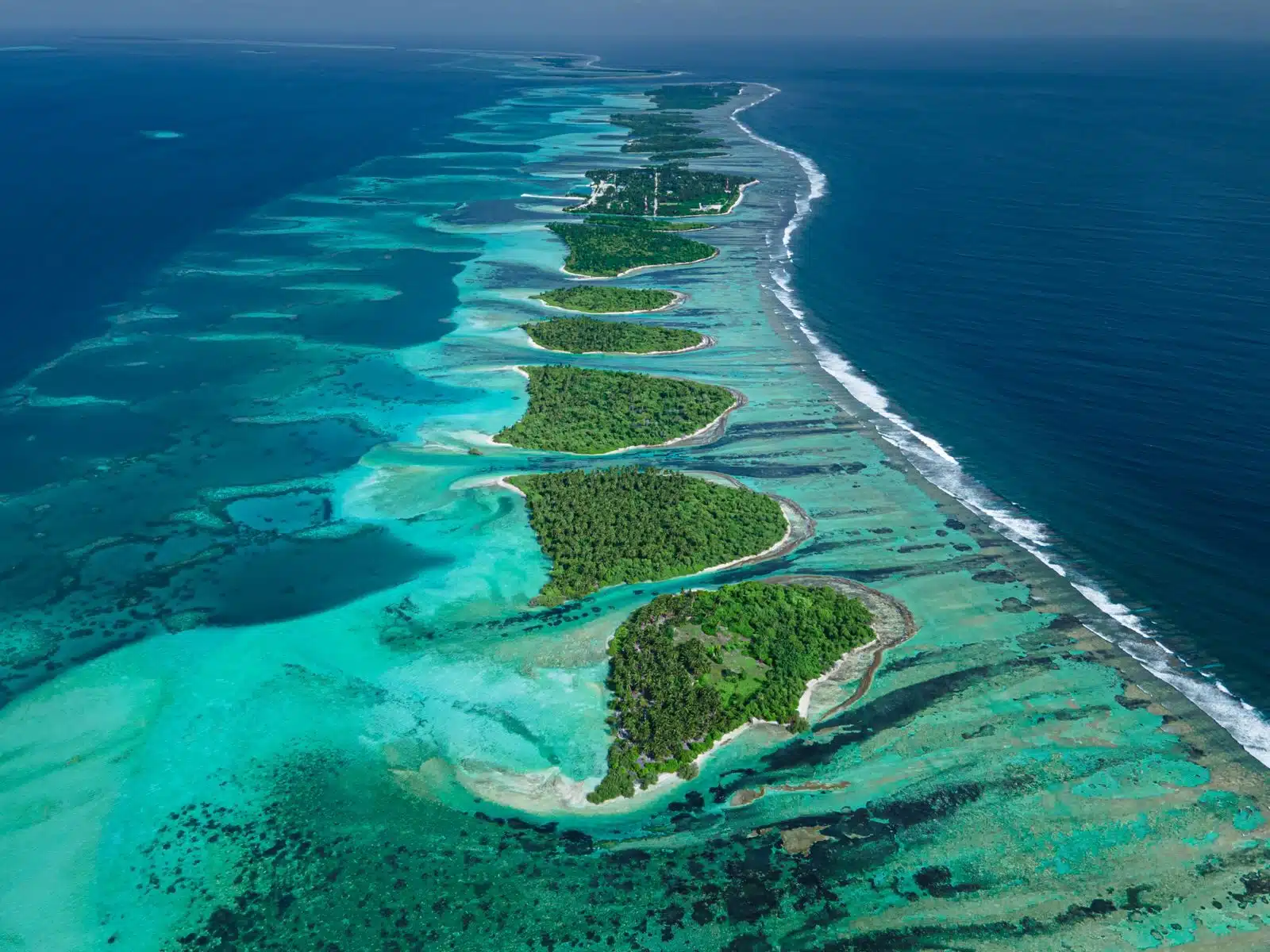
Far from the speedboats and seaplane queues of the central Maldives, the southern atolls stretch out into a different kind of ocean. Here, the reefs are less dived, the lagoons less photographed, and the sense of remoteness is real — not a marketing promise. The Southern Atolls of the Maldives include Gaafu Alifu, Gaafu Dhaalu, Laamu, Thaa, Haa Alifu and a handful of lesser-known atolls that rarely make it into mainstream travel guides. That's precisely what makes them worth knowing about.
If you're the kind of traveller who has already ticked off North Malé and wonders what else the Maldives holds, or someone who wants to skip the crowds entirely and go straight for one of the most pristine marine environments on earth, this guide is for you. We cover everything you need to plan a stay in the southern Maldives: which atolls are right for you, how transfers work, all the resorts worth considering, local island life in the south, and the practical details that will save you time and confusion.
In a Rush?
These are my Favourite Resorts in the Southern Atolls
⭐⭐⭐ Park Hyatt Maldives Hadahaa — Check prices and availability
⭐⭐ NH Collection Maldives Havodda Resort — Check prices and availability
⭐ Mercure Maldives Kooddoo — Check prices and availability
At a Glance: Southern Atolls Maldives
The southern Maldives covers a vast stretch of ocean south of the central atolls. Fewer tourists reach this part of the country, which means healthier reefs, emptier beaches, and a level of quiet that the busier northern atolls simply can't offer anymore. Getting here takes effort — all transfers involve a domestic flight plus speedboat — but the reward is a Maldives that feels genuinely remote.
| Vaavu | Gaafu Alifu | Gaafu Dhaalu | Laamu | Thaa | Haa Alifu | |
|---|---|---|---|---|---|---|
| Location | South-central | Far south | Far south | South-central | South | Far north |
| Transfer | Speedboat from Malé | Domestic flight + speedboat | Domestic flight + speedboat | Seaplane 65 min | Seaplane 60 min | Domestic flight + speedboat |
| Transfer time from Malé | ~2 hrs | ~1.5 hrs total | ~2.0 hrs total | ~65 min seaplane | ~60 min seaplane | ~2.0 hrs total |
| Transfer cost (2p, approx.) | ~$200–$400 | $1,220–$1,400 | $1,000–$1,520 | $2,400 | $2,400 | $888–$1,330 |
| Best for | Divers, local island explorers | Luxury couples, divers | Ultra-luxury, seclusion | Eco-luxury, wellness | Wellness, remote retreat | Couples, families, groups |
| Not ideal for | Those wanting a resort | Budget travellers, short stays | Budget travellers, short stays | Short stays | Short stays | Those who want a quick escape |
| # Resorts (in this blog) | 0 | 3 | 2 | 1 | 1 | 1 |
| Local islands | Yes (Fulidhoo, Felidhoo, Keyodhoo, Rakeedhoo) | Yes (Fuvahmulah nearby) | Yes (Thinadhoo, Gadhdhoo) | Yes (Gan, Maamendhoo, Isdhoo) | Yes (Buruni) | Yes (Utheemu, Vashafaru, Dhidhdhoo) |
| Best time to visit | Nov–Apr | Nov–Apr | Nov–Apr | Nov–Apr | Nov–Apr | Dec–Apr |
How the Southern Atolls Work
Geography
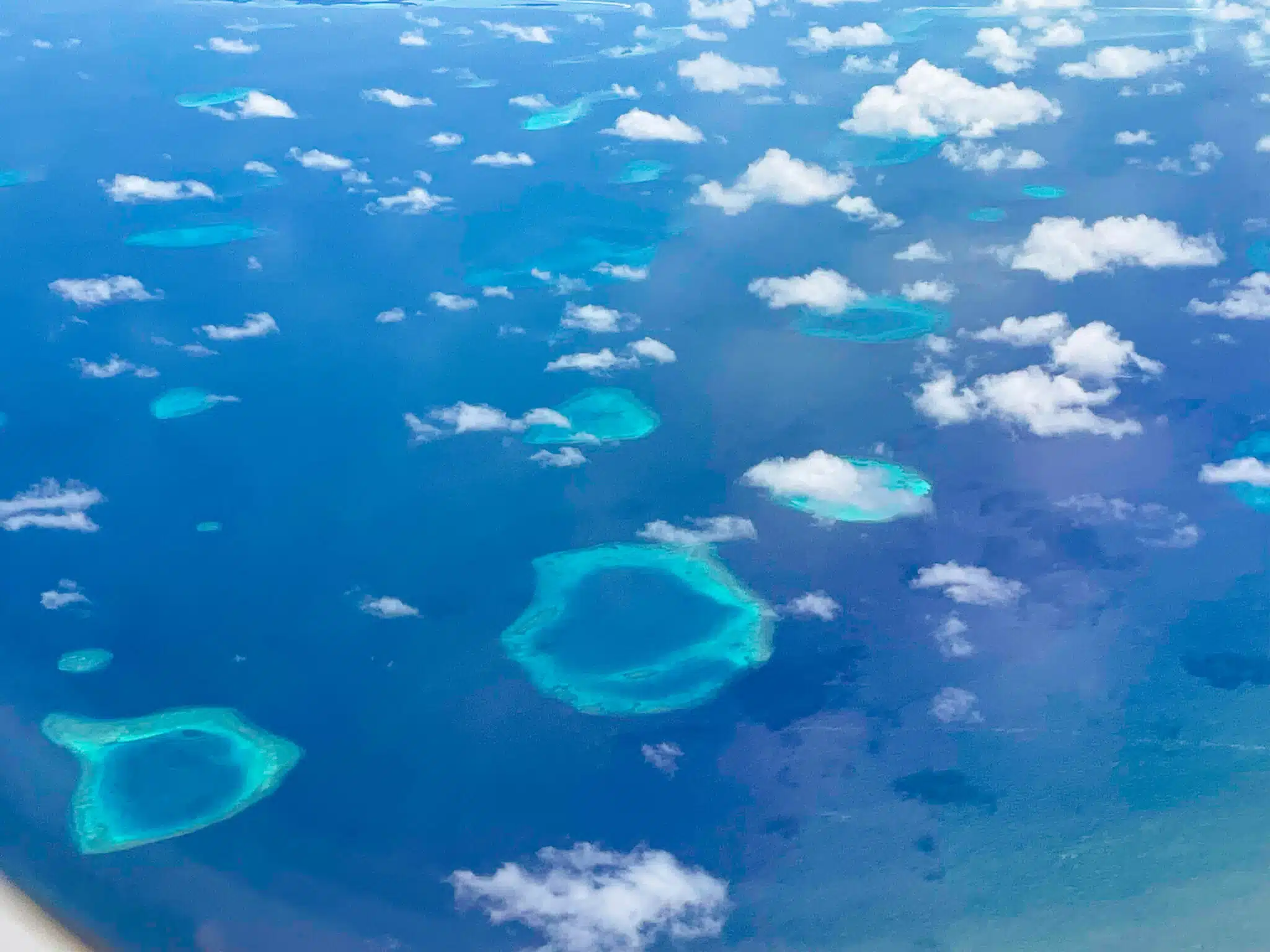
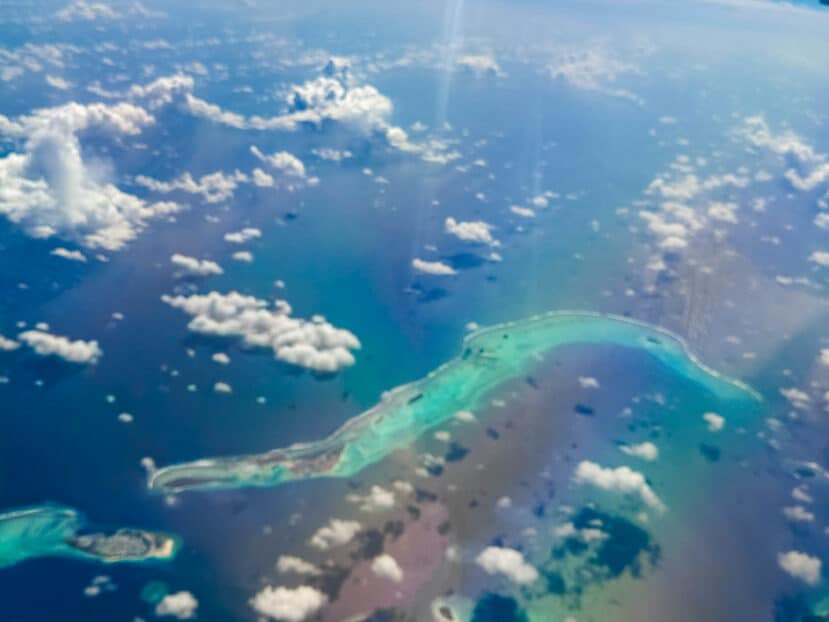
The southern Maldives is made up of a cluster of atolls that lie significantly further from Velana International Airport than the islands most visitors stay on. Gaafu Alifu (also written as Huvadhu Atoll North) and Gaafu Dhaalu (Huvadhu Atoll South) together form the largest natural atoll in the world by area — a single enormous lagoon system spanning over 11,000 square kilometres, separated from the central Maldives by the One-and-a-Half Degree Channel. Laamu Atoll sits just to the north of Gaafu Alifu, while Thaa lies a step further up. Haa Alifu, on the other hand, is located at the far northern tip of the Maldives archipelago, making it as remote in the opposite direction.
These atolls have far fewer resort islands than the central Maldives. The inhabited islands in the south are less oriented around tourism infrastructure, which means a more authentic Maldivian experience if you choose to combine a resort stay with local island time.
Getting There: Transfers in the Southern Atolls
This is the most important practical point for the southern Maldives: there is no speedboat transfer from Malé. The distance is too great. All resorts in these atolls require either a domestic flight to a regional airport followed by a speedboat, or a seaplane transfer.
For Gaafu Alifu and Gaafu Dhaalu, the domestic flight goes to Kooddoo Airport (GKK) — a journey of roughly 65–75 minutes. From there, a speedboat transfer of 20–90 minutes reaches the individual resort. Total journey time from Malé: typically 2.5 to 3 hours. Importantly, Kooddoo Airport serves multiple resorts in the southern Gaafu atolls, which makes this the main gateway for the region.
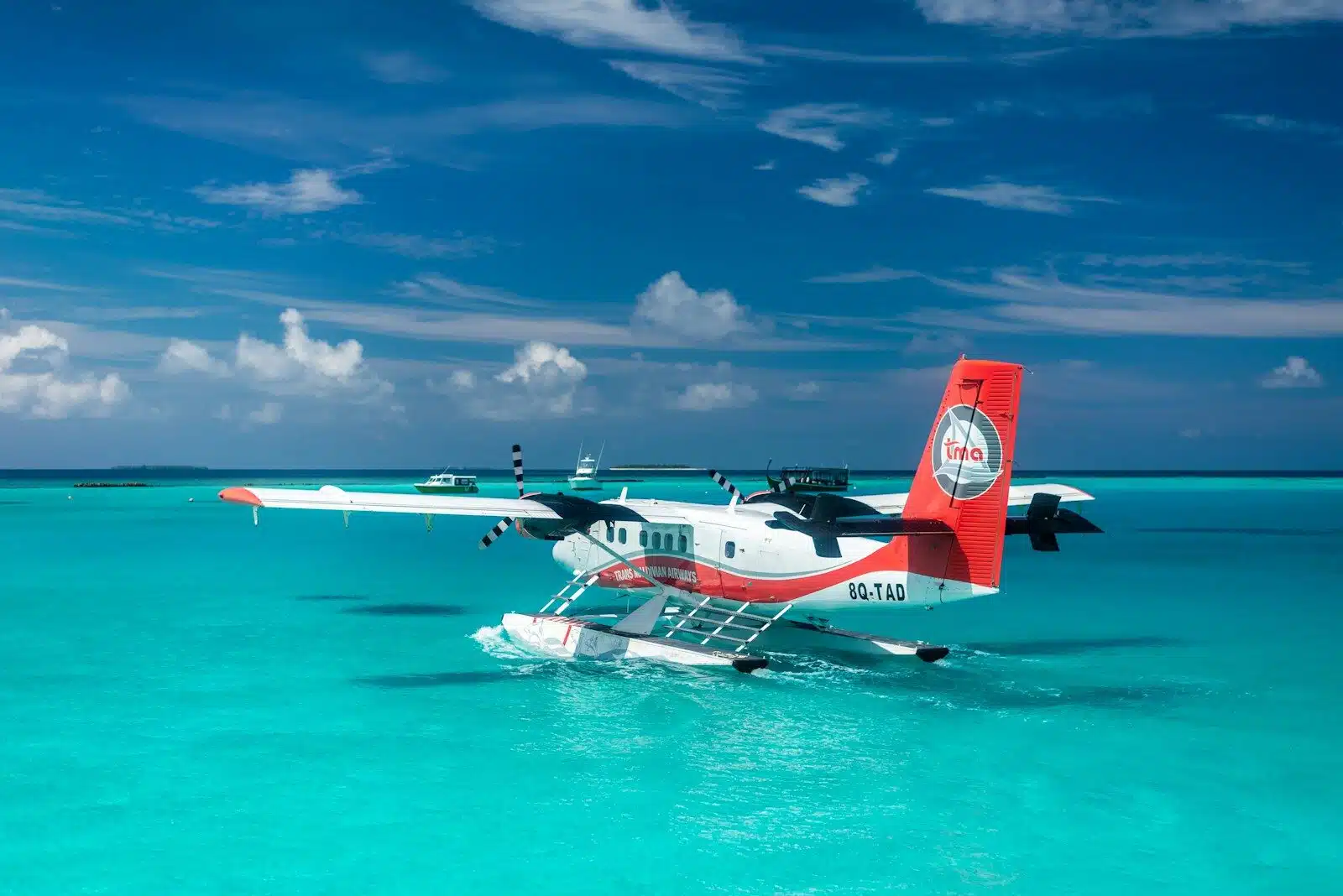
For Laamu Atoll, the transfer is a seaplane of approximately 65 minutes from Malé. Six Senses Laamu operates this exclusively. Seaplanes only fly in daylight, so if your international flight arrives late in the afternoon or evening, you will need to overnight in Malé and continue the following morning. Always factor this in when booking flights.
For Thaa Atoll, Como Maalifushi also uses a seaplane transfer of around 60 minutes. The same daylight restriction applies.
For Haa Alifu in the far north, Hideaway Beach Resort & Spa uses a combination of a domestic flight to Hanimaadhoo Airport (HAQ) — roughly 50 minutes — followed by a speedboat of about 75 minutes. A seaplane option is also available.
Because of the logistics involved, stays of fewer than 5 nights are generally not worth it for any of these atolls. The travel time alone makes a three-night stay feel rushed, and resorts in the south are designed for guests who come to genuinely disconnect, not pass through.
Marine Life & Underwater World
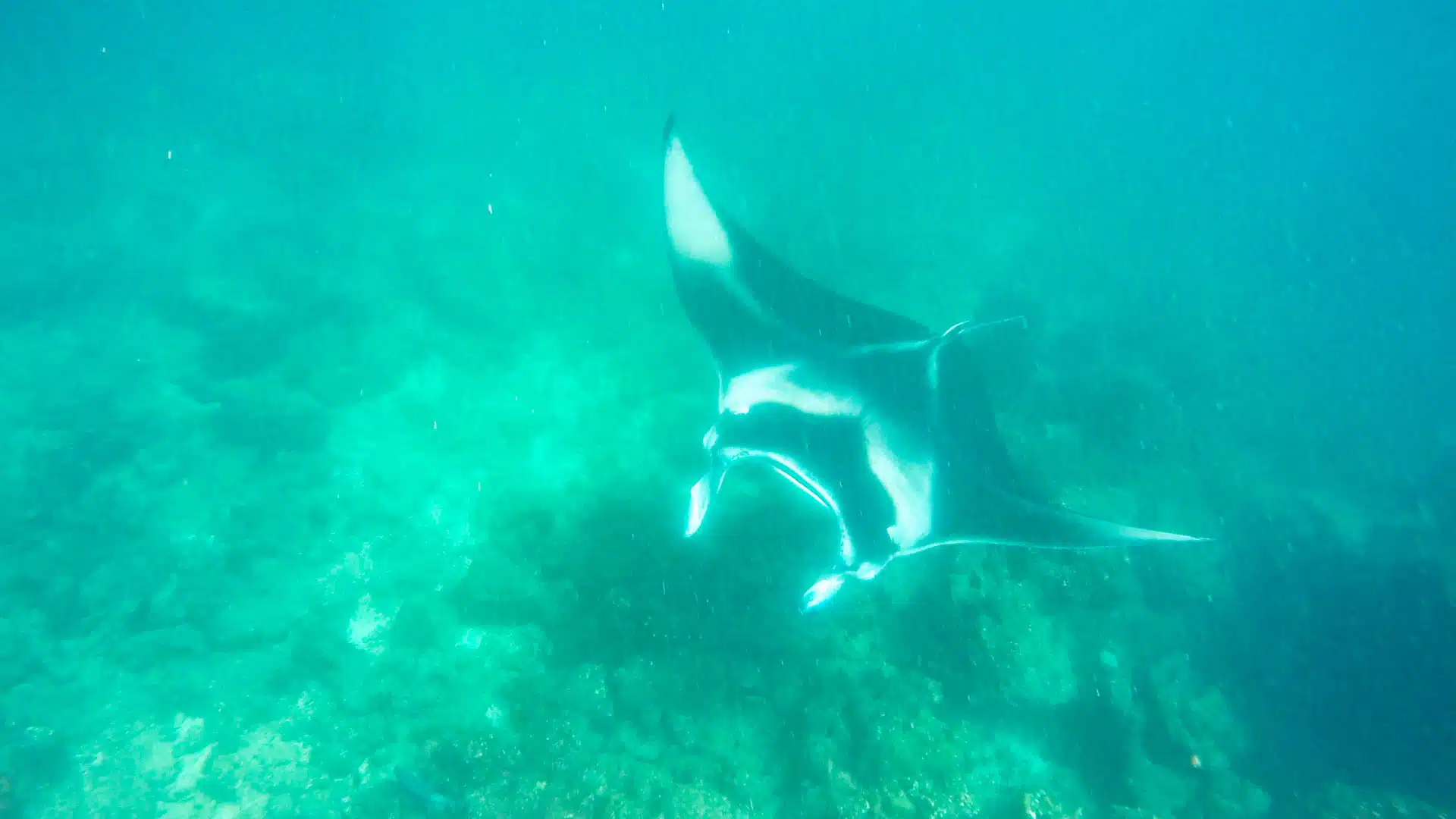
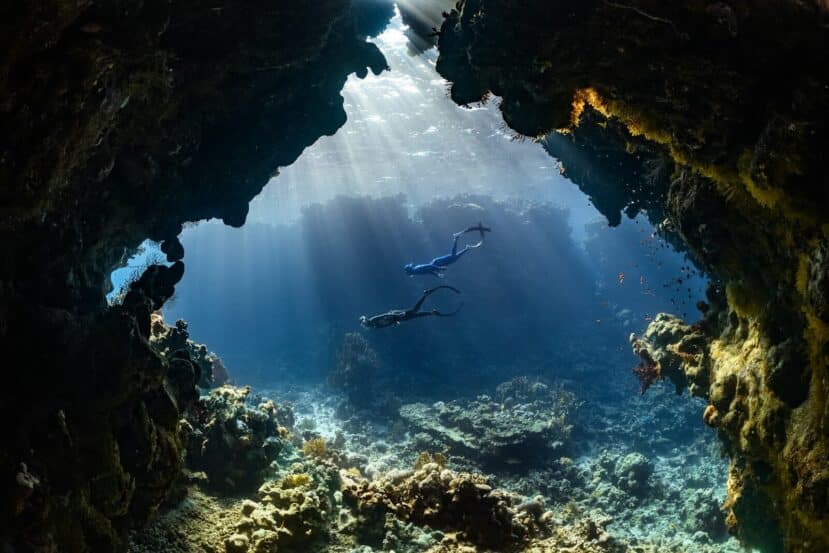
The southern atolls are considered among the best dive destinations in the entire Maldives, and for good reason. The large-scale ocean channels that separate the southern atolls from the central part of the archipelago create strong currents that bring in rich nutrients — and with them, extraordinary marine life. Hammerhead sharks are regularly spotted in Gaafu Alifu. The Fuvahmulah Channel, near the southern tip of the atoll chain, is famous for tiger sharks and thresher sharks, as well as rare oceanic manta rays. Whale sharks are frequently encountered throughout the Gaafu atolls, particularly around Kooddoo and Hadahaa.
In Laamu Atoll, the marine environment around Six Senses is exceptional — the house reef is among the best in the Maldives, with turtles, reef sharks and manta rays all reliably present. Como Maalifushi in Thaa Atoll sits close to Kolhufushi surf break, and the nearby reefs offer pristine diving with less boat traffic than the more popular central atolls.
The underwater visibility throughout the southern Maldives is typically excellent, and coral health is generally better here than in the more heavily visited northern atolls. If marine life and diving quality are priorities, the south is hard to beat.
Above Water: The Character of the South
Life in the southern atolls is quieter. There are no large resort clusters or speedboat highways. The islands here are more lushly vegetated than some of the smaller northern reef islands, and the sense of space — both on the island and on the ocean — is palpable.
Resorts in the south tend to attract guests who know what they're coming for: seclusion, nature, and high-end service without the social buzz of larger central atoll properties. The vibe is generally calm and barefoot-luxurious rather than lively. That said, individual resorts vary — Park Hyatt Hadahaa is almost austere in its minimalism and privacy, while Ayada Maldives and NH Collection Havodda offer a broader range of activities and dining. Como Maalifushi and Six Senses Laamu both attract wellness-minded travellers looking for a genuine retreat.
The southern Maldives is also where you're most likely to experience the islands at their most authentic. Local island life here is less shaped by tourist arrivals, and Maldivian culture and traditions feel more present.
Resort Landscape
The resorts of the southern atolls sit at the upper-mid to ultra-luxury end of the spectrum. There are no budget all-inclusive chains here, no large party resorts. The properties are typically small to mid-sized, high-end, and designed for privacy. This is not the place to look for value speedboat options under $1,500 for three nights — but it is the place to find world-class snorkelling, uncrowded beaches, and resorts where the staff remember your name by day two.
Local Island Life in the South
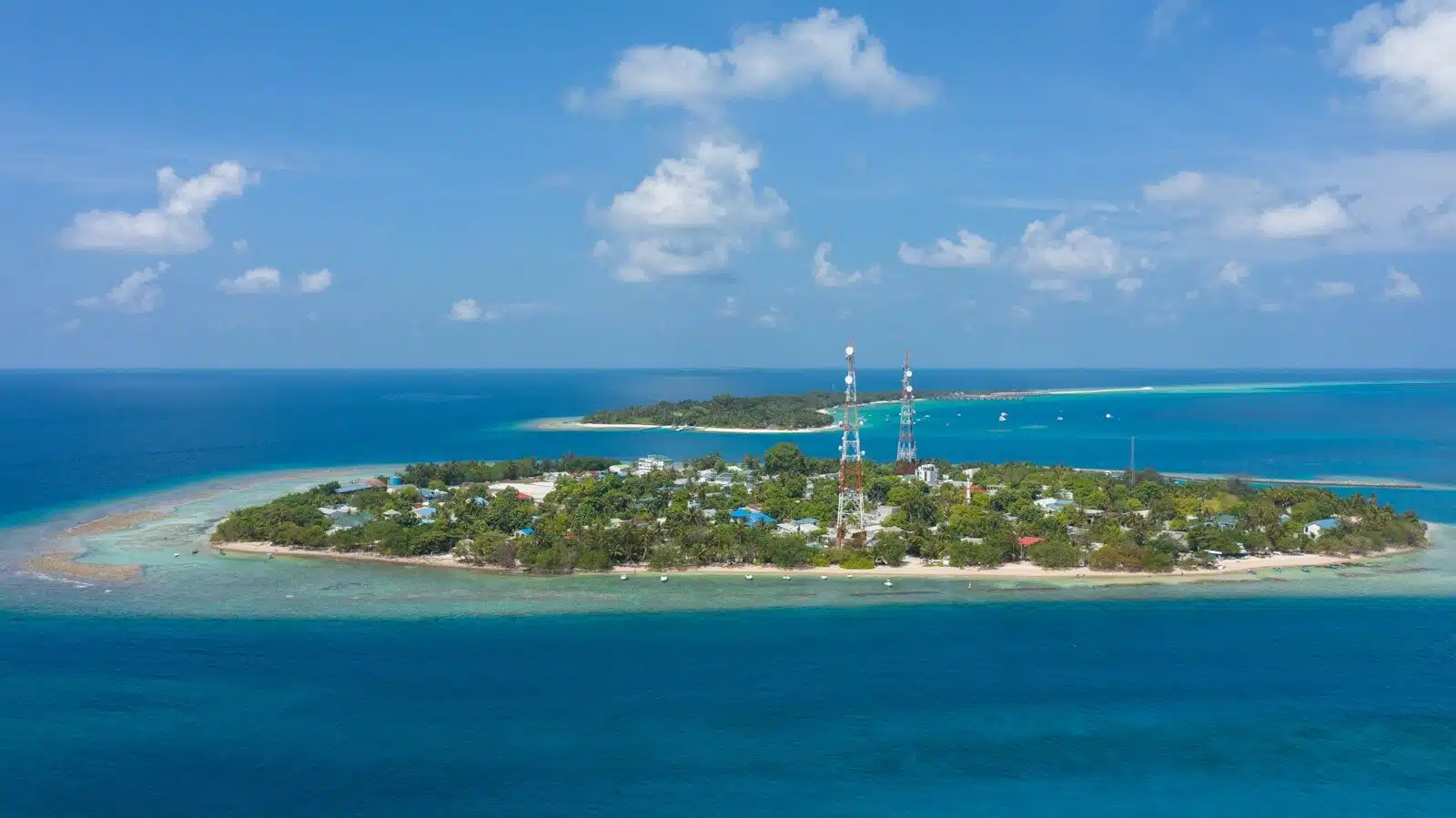
Local island tourism in the southern atolls is less developed than in the central Maldives, but it does exist. The main hub for local life in the far south is Fuvahmulah, a unique single-island atoll just south of Gaafu Dhaalu that has become known among divers for its extraordinary marine life — tiger sharks, thresher sharks and whale sharks all in one location. Thinadhoo is the capital of Gaafu Dhaalu and the most populated island in the south. In Laamu Atoll, Gan and Maamendhoo both have small guesthouse scenes. These islands offer a real window into Maldivian daily life, but tourism infrastructure is basic — this is for travellers who are comfortable finding their own way.
Best for / Not Ideal for
The southern atolls are best for travellers who want genuine remoteness, top-tier marine life, and a high-end resort experience without sharing the ocean with dozens of other resort islands. They work particularly well for honeymooners and couples who want full privacy, and for serious divers or snorkellers who want to make the most of the underwater world.
They are not ideal for travellers on a tight budget, anyone planning a short four-night or under stay, families with very young children who need maximum flexibility on transfers, or first-time Maldives visitors who haven't yet figured out what kind of experience they want. For those groups, the central atolls close to Malé are a better starting point. You can always come back south later — and when you do, it will feel even more special.
Resorts in Gaafu Alifu Atoll
Mercure Maldives Kooddoo
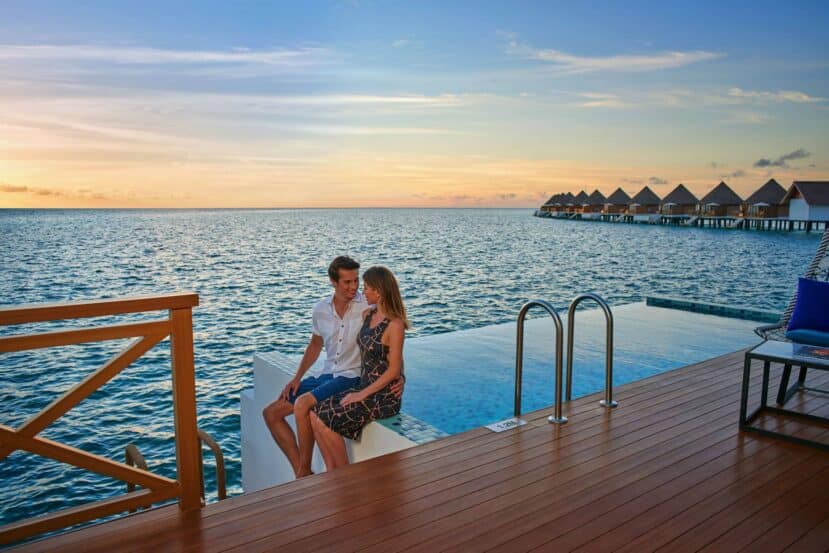
The most accessible resort in the southern atolls — literally, since it sits adjacent to Kooddoo Airport, meaning almost no speedboat time after landing. Mercure Kooddoo offers a couples-focused experience with good snorkelling, overwater villas, and a quieter atmosphere than the big central atoll properties. It's not ultra-luxury, but it is well-priced for the south and offers excellent value if you're looking for a genuine Maldives escape without breaking the budget on transfer costs. The shorter speedboat leg is a real practical advantage.
📍 Domestic flight + short speedboat (~1.5 hrs total) | 💰 From $2,600 based on B&B for 3 nights (2p, incl transfer | ⭐ 8.8
Park Hyatt Maldives Hadahaa
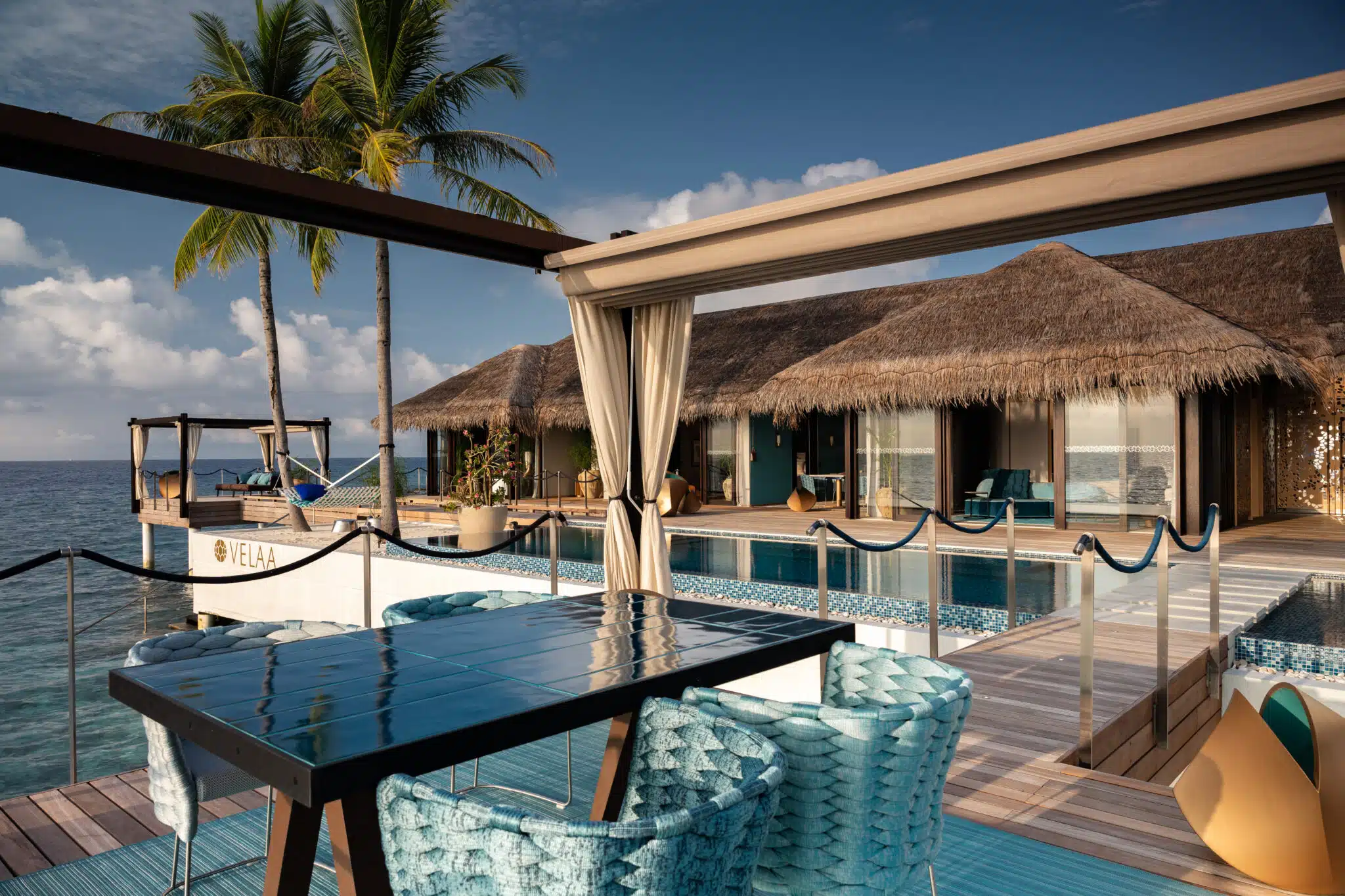
If understated ultra-luxury is what you're after, Park Hyatt Hadahaa is one of the strongest choices in the entire Maldives. The resort sits on its own island in the southern Gaafu Alifu Atoll, with one of the best-rated house reefs in the country — snorkellers and divers can step directly off the beach or jetty into a thriving reef ecosystem with exceptional visibility. The island is adults-focused, the villas are spacious and private, and the overall atmosphere is one of serene minimalism. Transfer via domestic flight to Kooddoo Airport, then speedboat.
📍 Domestic flight + speedboat (~1.5 hrs) | 💰 From $5,600 per room for 3 nights (2p, incl. transfer) | ⭐ 9.2
Pullman Maldives Maamutaa Resort
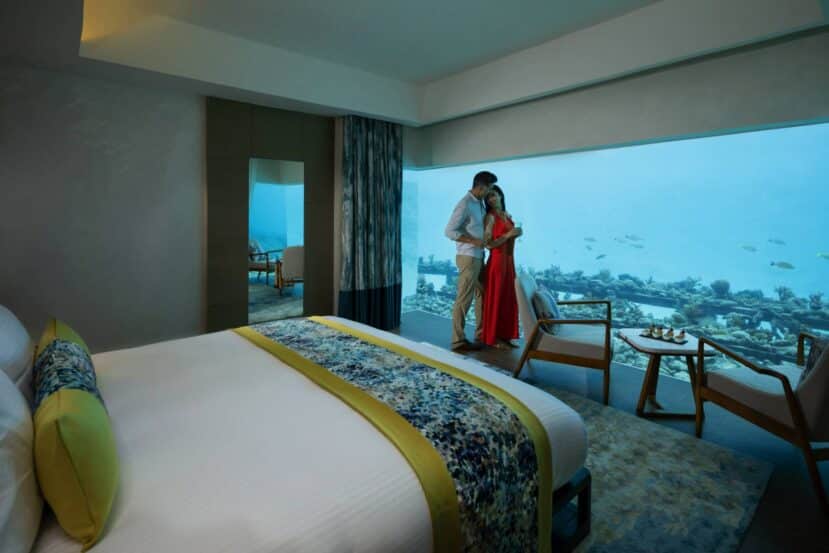
A more accessible entry into the southern Maldives, Pullman Maamutaa is an all-inclusive resort in Gaafu Alifu that punches above its chain-hotel expectations. The snorkelling is excellent and the house reef is well worth exploring, the villas are comfortable with strong design, and the AI concept means your costs are contained from the moment you arrive. It's a good choice for couples or families who want the remoteness of the south without the ultra-luxury price tag of Park Hyatt or Ayada. Transfer is via Kooddoo Airport.
📍 Domestic flight + speedboat (~1.5 hrs) | 💰From 3,000 based on AI for 3 nights (2p, incl transfer | ⭐ 9.2
Resorts in Gaafu Dhaalu Atoll
Ayada Maldives
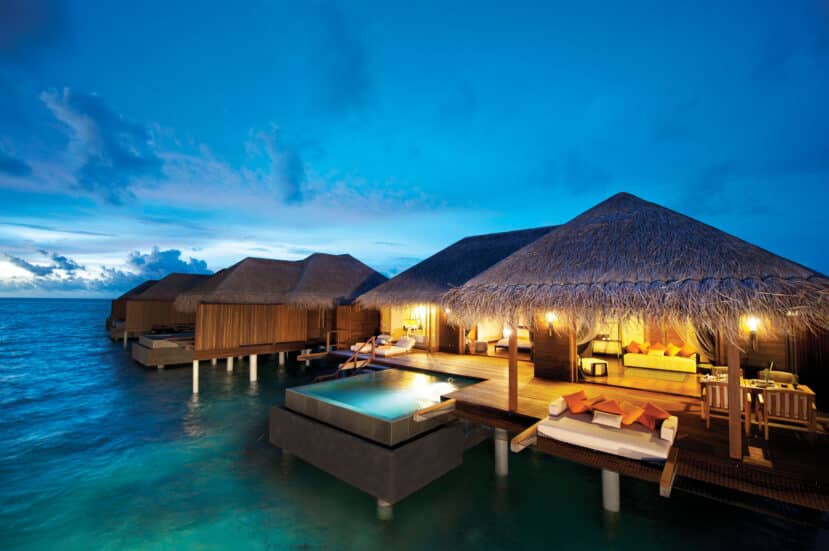
Ayada is a genuinely remote ultra-luxury resort that earns its near-perfect rating with substance. The house reef is excellent, the villas are large and generously designed, and the seven-restaurant dining programme gives it genuine foodie credentials. With a privacy score of 9/10, strong wellness facilities, and an exceptional snorkelling environment, it consistently ranks among the best resorts in the southern Maldives for couples and honeymooners. The serenity here is real — this is not a resort that organises pool parties. Transfer via Kaadedhdhoo Airport (KDO) and speedboat.
📍 Domestic flight + speedboat (~2 hrs) | 💰 From $3,800 based on B&B for 3 nights (2p, incl transfer) | ⭐ 9.4
NH Collection Maldives Havodda Resort
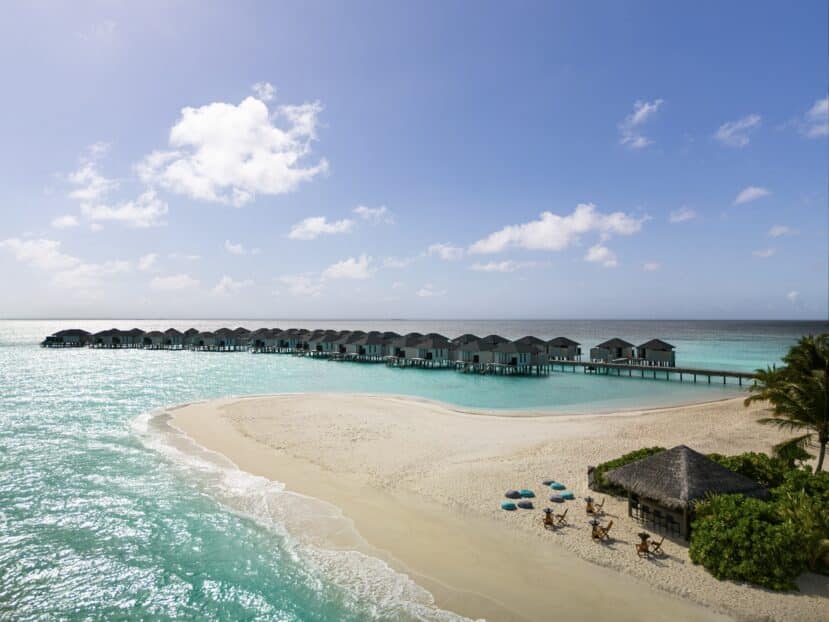
NH Collection Havodda is one of the best-value luxury resorts in the southern Maldives, offering excellent house reef quality and pristine marine life at price points significantly lower than its northern competitors at the same standard. The resort attracts couples and families who want top-tier snorkelling and a high-end experience, and the Booking.com rating of 8.9 reflects consistent guest satisfaction. The remote setting feels genuinely away from it all, and the underwater world here is among the most biodiverse in Gaafu Dhaalu. Transfer via Kaadedhdhoo Airport and speedboat.
📍 Domestic flight + speedboat (~2 hrs) | 💰 From $4,500 based on B&B for 3 nights (2p, incl transfer | ⭐ 8.5
Resorts in Laamu Atoll
Six Senses Laamu
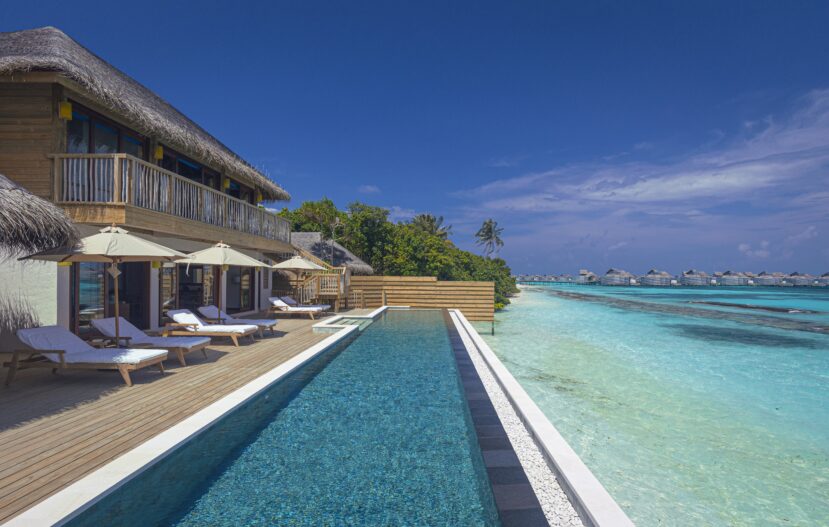
Six Senses Laamu is one of those resorts that gets talked about in hushed tones by people who've been. The combination of an exceptional house reef, strong Six Senses wellness credentials, a commitment to sustainability that goes beyond branding, and a remote island setting makes it one of the most complete resort experiences in the Maldives. The house reef is among the best in the country — turtles, manta rays, reef sharks and a thriving coral ecosystem are all accessible directly from the beach. Villas are overwater or beachside, large and beautifully designed, and the dining scene across seven outlets keeps food-focused guests very happy. Works well for couples, honeymooners, and families who want a meaningful experience rather than a party resort.
📍 Seaplane 65 min | 💰 From $9,000 based on B&B for 3 nights (2p, incl transfer | ⭐ 9.8
Resorts in Thaa Atoll
Como Maalifushi
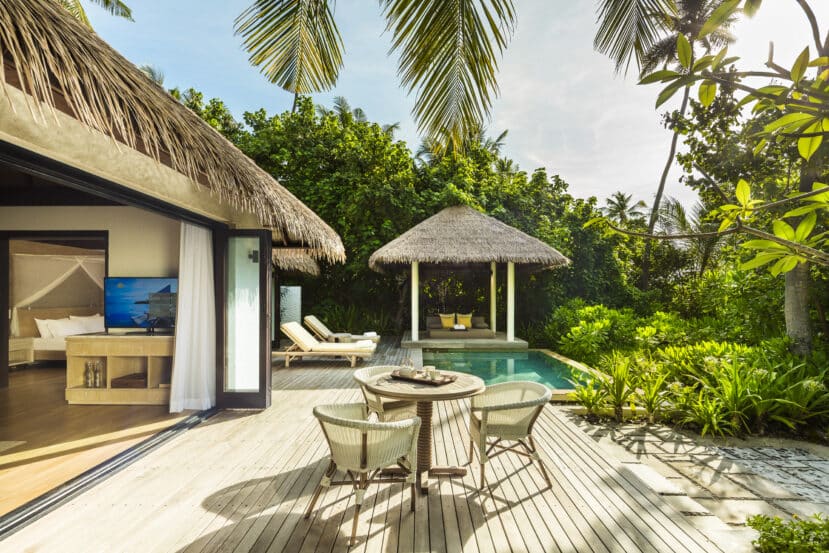
Thaa Atoll is one of the least-visited in the Maldives, and Como Maalifushi makes the most of that. This is a refined, high-design resort in the COMO Hotels tradition — understated, beautifully considered, and focused on wellness through the COMO Shambhala spa programme. The snorkelling around Maalifushi is excellent, the house reef is good, and the wider region offers some of the Maldives' best surf nearby at Kolhufushi break. With only three restaurants the dining is more intimate than some larger resorts, but the quality is high. Best for couples and wellness-focused travellers who want seclusion and design over spectacle.
📍 Seaplane 60 min | 💰 From $6,200 based on HB for 3 nights (2p, incl transfer) | ⭐ 9.3
Resorts in Haa Alifu Atoll
Hideaway Beach Resort & Spa
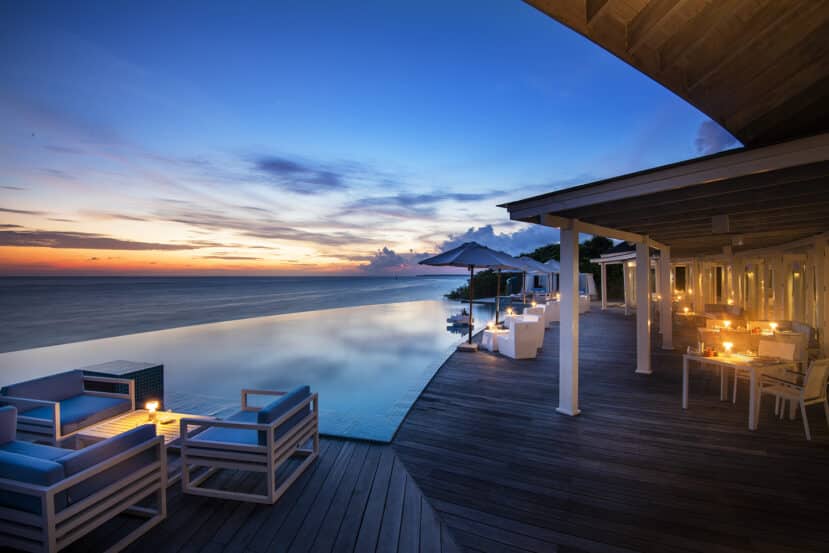
At the opposite end of the Maldives archipelago from the Gaafu atolls, Hideaway Beach is the standout resort in the far north. It's a large, generously designed property for its remoteness, with spacious overwater and beach villas, a kids club, and strong wellness facilities — making it one of the few southern/northern atoll resorts that genuinely works for families as well as couples. The house reef is good, the snorkelling is reliable, and the sense of space on the island is excellent. A good choice for groups and families who want seclusion without giving up resort amenities.
📍 Domestic flight to Hanimaadhoo + speedboat (~2.5 hrs) | 💰 From $3,860 based on HB for 3 nights (2p, incl transfer) | ⭐ 9.3
A Note on Meemu Atoll
Meemu Atoll lies between Thaa and the central atolls.
Medhufushi Island Resort.
It's a mid-range Crown & Champa property offering a quieter, more traditional resort experience with beach and water villas, good value, and a relaxed atoll setting. If you're looking for a mid-range option in a less visited part of the Maldives, it's worth considering — though it has fewer facilities than the larger resorts in Gaafu or Laamu. 📍 Seaplane or speedboat from Malé (~40 min) | 💰 From approx. $546 BB per room | ⭐ 8.2
Local Islands in the Southern Atolls
Vaavu Atoll
Vaavu Atoll — also known as Felidhe Atoll — sits closest to Malé of all the atolls in this guide, lying roughly 65 kilometres southeast of the capital. It's a relatively small atoll but one of the best in the Maldives for local island tourism, with several well-established guesthouse islands and a strong diving and snorkelling reputation. The channels between Vaavu's islands are famous for hammerhead sharks, grey reef sharks and manta rays, and the current-driven diving here is considered some of the best in the country.
Fulidhoo (Vaavu Atoll)
Fulidhoo is one of the most beloved local islands in the Maldives — a small, photogenic island with a wide bikini beach, calm turquoise waters, and a very particular attraction: tame stingrays that gather near the jetty each evening at feeding time. The island has a well-developed guesthouse scene by local island standards, is easy to reach by speedboat from Malé, and has a relaxed, genuinely friendly atmosphere that keeps repeat visitors coming back. It's a great introduction to local island life in the Maldives. If you want to know more about Fulidhoo, read our full guide: Fulidhoo: Quiet Local Island for Couples & Snorkelling in Vaavu Atoll
Felidhoo (Vaavu Atoll)
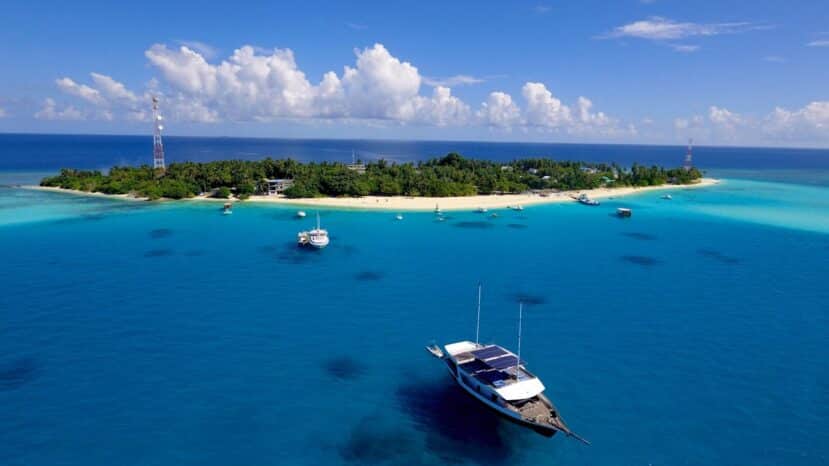
Felidhoo is the capital of Vaavu Atoll — a quiet, authentically Maldivian village island with a guesthouse scene that has grown slowly and stayed small. It's the kind of place where life moves at the pace of a fishing community rather than a tourist destination, and that's precisely its appeal. Divers use Felidhoo as a base for exploring the famous Vaavu channels, and anyone who wants to experience the real rhythm of Maldivian island life away from the resort world will find it here.
Keyodhoo (Vaavu Atoll)
Keyodhoo is a traditional fishing village island in Vaavu, and it wears that identity proudly. Several guesthouses here offer dhoni fishing packages — full days out on a traditional boat with local fishermen — which gives travellers a completely different experience from the typical snorkelling excursion. The island is small, authentic and unhurried, and it's the right choice for travellers who want their local island time to feel like genuine cultural immersion rather than a beach holiday with a local flavour.
Rakeedhoo (Vaavu Atoll)
Tiny Rakeedhoo sits at the southernmost tip of Vaavu Atoll, surrounded by some of the most highly regarded dive sites in the region. The island itself is extremely small — more a diving outpost than a village — but the current-driven reef systems around it attract serious divers specifically for the concentration of sharks and pelagic life. For non-divers, the snorkelling is also excellent. This is not an island for those who want beach cafés and evening strolls; it's for people who want the reef on their doorstep.
Haa Alifu Atoll
Haa Alifu is the northernmost atoll in the Maldives and the least visited of all the atolls in this guide. It has a handful of local islands with slowly growing guesthouse infrastructure, and it offers an authenticity that even the more developed local island destinations in the central atolls can no longer match.
Utheemu (Haa Alifu Atoll)
Utheemu is arguably the most historically significant island in the entire Maldives. It is the birthplace of Sultan Mohamed Thakurufaanu Al-Auzam, the national hero who liberated the Maldives from Portuguese occupation in the 16th century — an event that is still celebrated as a national holiday. The island is home to a beautifully preserved traditional wooden palace, Utheemu Ganduvaru, which is one of the oldest surviving wooden structures in the country and well worth making time for. For culturally curious travellers, Utheemu offers a window into Maldivian history that no resort island can replicate.
Vashafaru (Haa Alifu Atoll)
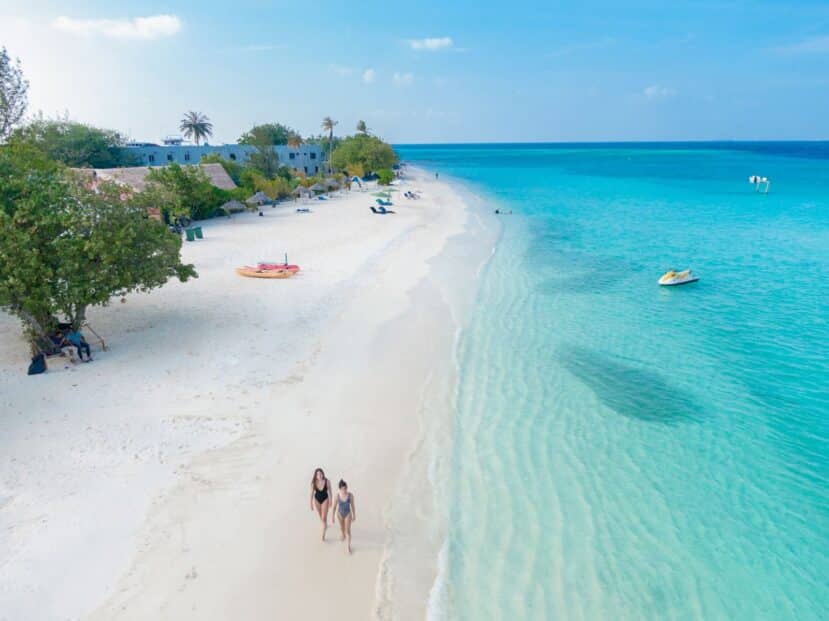
Vashafaru is known for one thing above all else: its beach. The island has an unusually wide, white-sand shoreline and a beautiful shallow lagoon, and it's increasingly attracting travellers who want a local island experience that combines natural beauty with basic tourist infrastructure. Guesthouses here are simple but growing in quality, and the island makes a good base for exploring the quieter reefs of the far northern atolls.
Dhidhdhoo (Haa Alifu Atoll)
Dhidhdhoo is the capital of Haa Alifu Atoll and the largest and most developed island in the region. It has better facilities than the smaller local islands — shops, a hospital, local restaurants — and is the administrative and logistical hub of the far north. It's not a beach destination in the conventional sense, but travellers who want to understand the infrastructure and daily life of a regional Maldivian capital will find it interesting. It also serves as a practical base for exploring other Haa Alifu islands.
Laamu Atoll
Gan (Laamu Atoll)
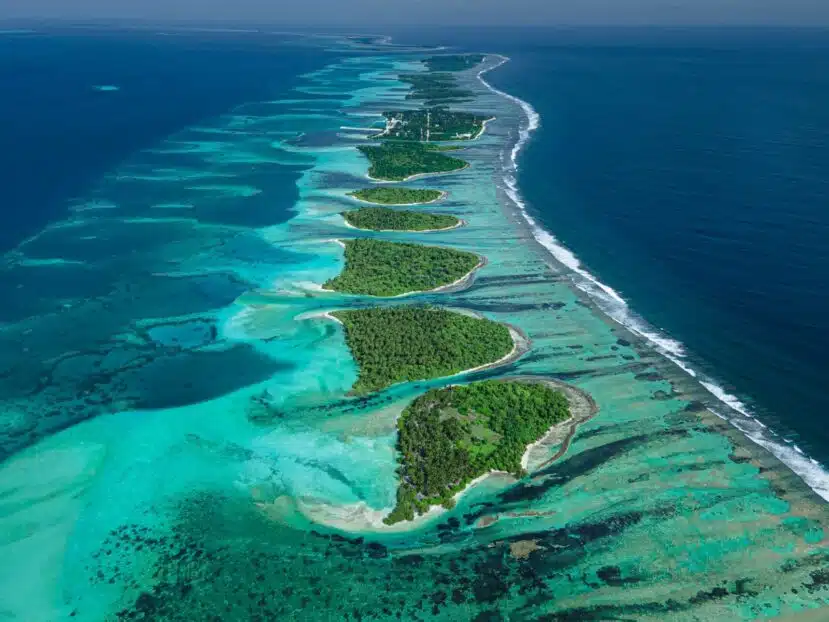
Gan is the most accessible local island in Laamu Atoll and also one of the largest inhabited islands in the Maldives. It has a domestic airport (GAN) which serves as the regional gateway, a small but growing guesthouse scene, and good local beaches. What makes Gan particularly special is its landscape: it's connected to several neighbouring islands by a causeway road, meaning you can actually cycle or walk between islands — a rare experience in the Maldives. The island also has freshwater lakes and Buddhist ruins that hint at the archipelago's pre-Islamic history. Arrangements for snorkelling and diving excursions can be made from here.
Maamendhoo (Laamu Atoll)
A small and increasingly visited local island in Laamu, Maamendhoo has developed a modest guesthouse scene and is known for its accessible reef and relaxed pace. It's often combined with a stay at Gan for travellers who want to explore the local island side of Laamu before or after time at Six Senses. The beach is quiet, the snorkelling around the island is good, and the community feel is warm and unhurried.
Isdhoo (Laamu Atoll)
Isdhoo is a historically rich island in Laamu that holds some of the most significant pre-Islamic archaeological sites in the Maldives, including a large ancient mosque believed to date back to the 13th century and old Islamic gravestones with inscriptions in a script that predates the modern Maldivian language. For travellers with an interest in the deeper history of the archipelago — before the resort island era, before the modern tourism economy — Isdhoo is a genuinely fascinating stop. It's not a conventional beach destination, but it rewards curiosity.
Gaafu Alifu & Gaafu Dhaalu Atolls
Fuvahmulah (Gnaviyani Atoll)
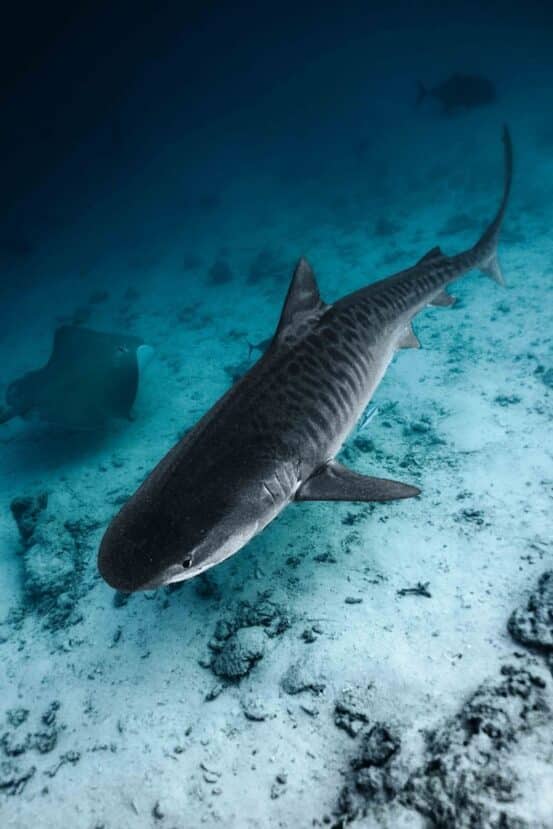
Fuvahmulah is unlike any other island in the Maldives. Technically its own single-island atoll — officially Gnaviyani Atoll — it sits just south of Gaafu Dhaalu and has no lagoon, which creates uniquely powerful ocean conditions right at the shoreline. That quirk of geography is what makes it one of the most extraordinary dive destinations on earth: tiger sharks, thresher sharks, whale sharks, hammerheads and oceanic manta rays have all been recorded here, often in the same dive. It's also a proper inhabited island with freshwater lakes — the only ones in the Maldives — a local population of around 12,000, and a slowly growing guesthouse scene for travellers willing to go well off the beaten path. Getting there requires a domestic flight to Fuvahmulah Airport (FVM).
Gadhdhoo (Gaafu Dhaalu Atoll)
Gadhdhoo is the surf island of the southern Maldives. The famous Tiger Stripes break sits just off the coastline and draws experienced surfers who make the journey south specifically for the waves. Outside of surfing, the island has a relaxed local character and some guesthouse accommodation. It's also known for Buddhist archaeological remains — hawitthas (ancient mounds) — that are among the better preserved in the southern atolls. For surfers who want to combine serious waves with an authentically remote setting, Gadhdhoo is one of the most interesting local island destinations in this part of the Maldives.
Thinadhoo (Gaafu Dhaalu Atoll)
Thinadhoo is the capital of Gaafu Dhaalu Atoll and the largest city in the southern Maldives. It's a functioning Maldivian town rather than a tourism hub — you'll find local restaurants, mosques, schools and markets here rather than beach bars and snorkelling excursions. For travellers who want to understand what daily life in the Maldives actually looks like outside of a resort island, a short stop in Thinadhoo on the way to or from a Gaafu resort can be genuinely eye-opening. Transport from Kooddoo Airport is by speedboat.
Thaa Atoll
Buruni (Thaa Atoll)
Buruni is one of the few local islands in Thaa where a small guesthouse scene has developed, and it's worth knowing about for travellers staying at Como Maalifushi who want to combine resort time with local island life. The island has good beaches and accessible snorkelling directly from the shore — one of the more straightforward snorkelling spots among Thaa's local islands. Tourism infrastructure is basic, which is precisely the point: this is as close to an undiscovered local island experience as the Maldives currently offers.
Practical Tips for the Southern Maldives
Best Time to Visit
The best time to visit the southern atolls is during the dry season: November through April. This period brings the calmest seas, the best visibility for diving and snorkelling, and the most reliable weather. December, January and February are peak season — the water is flat, the skies are blue, and underwater visibility can reach 30 metres or more.
May through October brings the southwest monsoon and rougher conditions across the southern Maldives. Rain is more frequent, seas can be choppy, and some dive sites become less accessible. That said, the south is less affected by the full force of the monsoon than some other parts of the Indian Ocean, and June–July still brings respectable conditions on many days.
For Haa Alifu in the far north, the pattern is slightly different — the best conditions run from December through April, with June through August generally the most difficult period due to the southwest monsoon.
A note on marine life timing: tiger sharks and thresher sharks are year-round residents at Fuvahmulah, but visibility and sea conditions for accessing them are most favourable between October and May. Manta rays can be encountered throughout the year in Gaafu Alifu, though sightings peak between November and April.
Because of the transfer logistics, a minimum of 5–7 nights is recommended for any resort stay in the southern atolls. Most guests stay 7 nights.
Getting There
All travel to the southern Maldives begins at Velana International Airport (MLE) in Malé.
For Gaafu Alifu and Gaafu Dhaalu: Book a domestic flight to Kooddoo Airport (GKK) with Maldivian Airlines or FlyMe. Flight time is approximately 65–75 minutes. From Kooddoo, your resort arranges a speedboat transfer. Total journey time: 2.5–3 hours. If your international flight arrives late, you may need to overnight in Malé.
For Laamu Atoll: The transfer is a seaplane from Male's seaplane terminal, taking approximately 65 minutes. Seaplanes only operate in daylight hours (roughly 6am–4pm). If you arrive at MLE after mid-afternoon, plan to stay overnight in Malé.
For Thaa Atoll (Como Maalifushi): Seaplane transfer of approximately 60 minutes. Same daylight restriction applies.
For Haa Alifu (Hideaway Beach): Domestic flight to Hanimaadhoo Airport (HAQ), approximately 50 minutes, then a speedboat of around 75 minutes.
Always confirm transfer arrangements directly with your resort when booking.
Tips & Good to Know
- Alcohol is only available at resort islands. Local islands in the southern atolls follow standard Maldivian rules: no alcohol on inhabited islands.
- Mobile coverage is generally available on inhabited islands but can be patchy on remote resort islands. Most resorts offer WiFi, though some charge for it or deliberately limit access as part of the digital-detox experience.
- Cash vs card: Resort islands are largely cashless — everything goes on your room bill. Bring some local currency (Maldivian Rufiyaa or USD) if you plan to spend time on local islands.
- Respect on local islands: Dress modestly when visiting local island communities. Bikinis and swimwear are for resort beaches only.
- Plan flights carefully around seaplane operating hours, especially if your international connection is tight or risks running late.
Final Thoughts on the Southern Atolls of the Maldives
The southern atolls aren't for everyone — and that's exactly what makes them special. They demand more planning, more travel time, and a bigger transfer budget than the central islands. But in return, they offer something that is becoming genuinely rare in the Maldives: a reef ecosystem that isn't overcrowded, a pace of island life that hasn't been diluted by mass tourism, and resorts where the natural environment is still the main event.
Whether you choose Park Hyatt Hadahaa for its extraordinary underwater world, Six Senses Laamu for barefoot eco-luxury that goes beyond the marketing, Ayada Maldives for the seclusion of the far southern atolls, or Como Maalifushi for design and wellness in a forgotten corner of Thaa — you'll be choosing a Maldives experience that takes more effort to reach and gives more back in return.
If you're planning a trip to the southern Maldives and want to compare resort options more broadly, our guides to the best Maldives luxury resorts and best Maldives honeymoon resorts are a good next step.
🌴 Plan Your Maldives Trip
🏨 Still looking for the right stay? Browse all resorts in the Maldives or hotels & guesthouses on local islands — free cancellation on most rooms.
✈️ Flights: Compare routes and prices for flights to the Maldives.
📱 Stay connected: Skip the airport SIM queue — get a Maldives eSIM from Airalo before you fly. We use Airalo ourselves on every trip.
🔒 Travel insurance: Medical help in the Maldives often means evacuation by seaplane — don't skip travel insurance for the Maldives.
🤿 Tours & activities: Browse snorkelling trips, dolphin cruises and excursions across the Maldives, or check liveaboard diving trips.
💳 Money: Avoid card fees abroad with a free Revolut account.
Some links on this page are affiliate links. Booking through them costs you nothing extra and helps us keep this site running — thank you!
Frequently Asked Questions: Southern Atolls Maldives
How far are the southern atolls from Malé?
The southern Gaafu atolls lie approximately 400–500 kilometres south of Malé, making them some of the most remote inhabited and resort islands in the Maldives. Getting there takes between 2.5 and 3 hours including a domestic flight plus speedboat, or 60–65 minutes by direct seaplane for Laamu and Thaa atolls. Haa Alifu is in the far north and requires a similar domestic flight plus speedboat combination in the opposite direction.
Is the southern Maldives good for diving and snorkelling?
Yes — the southern atolls are considered among the best dive destinations in the entire Maldives. The reefs are less dived than the central atolls, coral health is generally excellent, and the marine life is extraordinary. Gaafu Alifu is known for hammerhead sharks. Fuvahmulah, just south of Gaafu Dhaalu, attracts divers specifically for tiger sharks, thresher sharks and oceanic manta rays. House reefs at Park Hyatt Hadahaa, NH Collection Havodda, Six Senses Laamu and Ayada Maldives are all rated excellent. Reef-rich resorts like Park Hyatt Maldives Hadahaa are a top pick for diving and snorkelling here.
How do I get to the southern atolls from Malé?
There is no speedboat connection from Malé to the southern atolls — the distance is too great. Travel to Gaafu Alifu and Gaafu Dhaalu involves a domestic flight to Kooddoo Airport (GKK), roughly 70 minutes, followed by a speedboat to your resort. Laamu Atoll uses a seaplane transfer of 65 minutes. Thaa Atoll also requires a seaplane of around 60 minutes. Seaplanes only fly in daylight, so if your international flight arrives late in the day, plan to overnight in Malé.
How long should I stay in the southern atolls?
Given the transfer times, a minimum of 5 nights is recommended — 7 nights is ideal for most travellers. The journey to reach these atolls takes half a day in each direction, so short stays of 3–4 nights don't give you enough time to make the most of the location or to fully unwind. Most resorts in the south are designed for guests who want to properly disconnect, which requires time.
Are the southern atolls good for families?
Some resorts are well-suited to families, particularly Hideaway Beach Resort & Spa in Haa Alifu, NH Collection Havodda in Gaafu Dhaalu, and Six Senses Laamu. Ayada Maldives and Como Maalifushi lean more adult and couples-focused. The transfer logistics (long domestic flights, seaplanes) can be challenging with very young children, so families should factor in the journey before committing to the south. All-inclusive island resorts like Mercure Maldives Kooddoo work well for families.
Are there local islands to visit in the southern atolls?
Yes — and there are more options than most travellers realise. Vaavu Atoll has a well-developed local island scene with Fulidhoo (famous for tame stingrays), Felidhoo, Keyodhoo and Rakeedhoo all offering guesthouses and diving. In the far south, Fuvahmulah is extraordinary for diving, while Gadhdhoo in Gaafu Dhaalu attracts surfers. Laamu has Gan (with its causeway cycling roads and Buddhist ruins), Maamendhoo and the historic island of Isdhoo. In Haa Alifu, Utheemu is historically unmissable. Tourism infrastructure varies widely — some islands are well set up, others are very basic.
Is it worth going to the southern atolls if I've never been to the Maldives before?
For first-time visitors, the central atolls near Malé (North and South Malé Atoll) or Ari Atoll are usually the better starting point — easier transfers, more resort choice, lower entry costs. The southern Maldives rewards travellers who have a clear idea of what they want: top-tier marine life, seclusion, and high-end stays. If that's already your brief on a first trip and you have a minimum of 7 nights, the south can absolutely work.
What is the best resort in the southern Maldives?
This depends on priorities. For the best house reef and ultra-luxury couples experience, Park Hyatt Hadahaa in Gaafu Alifu consistently earns top rankings. For a broader high-end experience with strong wellness credentials and exceptional marine life, Six Senses Laamu in Laamu Atoll is outstanding. For best value at the luxury end, NH Collection Havodda in Gaafu Dhaalu offers excellent snorkelling at more accessible price points than its neighbours. Standout stays like NH Collection Maldives Havodda are among the best in the south.
Related Blogs
Other Atoll Guides
How to Choose the Best Atoll in Maldives: A Complete Area & Stay Guide
North and South Malé Atoll Guide (Kaafu Atoll): Resorts, Local Islands & Everything You Need to Know
Baa Atoll Maldives: The Complete Guide to Baa and Raa Atoll
Lhaviyani Atoll Maldives: A Complete Guide to Three Stunning Atolls
Other Maldives Blogs
How to Choose a Maldives Resort: The Complete Decision Guide
Best Hotels on Local Islands in Maldives (By Budget): Complete Guide for 2026
Top Activities in Maldives: Snorkelling, Diving & Swimming with Manta Rays
Liveaboard Diving Trips in Maldives: Explore Top Dive Sites & Underwater Life with Maldive Dreamers
Maldives Vacation: How to Plan Your Dream Island Escape for Adventure and Relaxation
Trip to Maldives: Essential Information on Islands, Visa, Vaccinations & Entry Requirements
Best Time to Go to Maldives: Weather, Climate & Seasonal Tips for Your Perfect Island Vacation
Best Hotel in Maldives Island: Top Luxury, Boutique & Affordable Stays for Every Traveller