Table of Contents
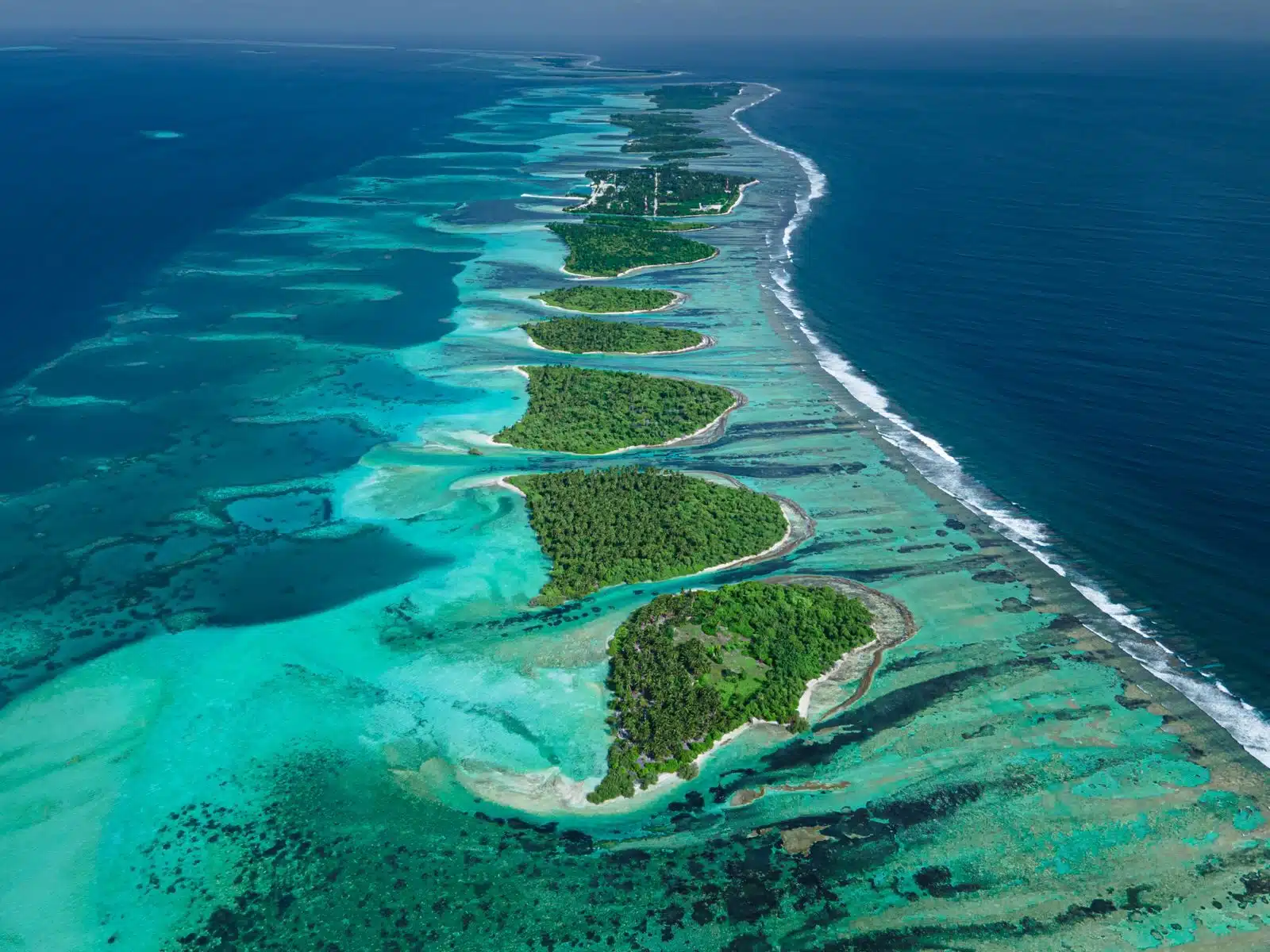
Turquoise lagoons and powder-white sand make the Maldives feel timeless, yet the season you choose can shape your experience far more than many travellers expect. Sunshine, ocean visibility, marine life activity, resort prices and even the atmosphere on the islands all shift throughout the year, which is why understanding the best time to go to Maldives can make a significant difference when planning your trip.
Many first-time visitors assume the islands follow a simple “good weather vs bad weather” pattern. In reality, the Maldives runs on two monsoon seasons that bring surprisingly different advantages depending on what you value most — whether that’s calm seas for snorkelling, encounters with manta rays and whale sharks, quieter islands, or better resort rates.
Knowing how these seasons work makes it much easier to choose the right moment for your island escape. The sections below break down the Maldives climate, compare dry and wet season travel, and highlight the months that best match different priorities, from marine wildlife and surfing to budget-friendly travel and peak-season sunshine.
In a Rush?
These are my Favourite Resorts in Maldives
- ⭐️⭐️⭐️ Joali Maldives – Check Prices and Availability
- ⭐️⭐️ Hard Rock Hotel Maldives – Check Prices and Availability
- ⭐️ Kandolhu Maldives – Check Prices and Availability

Best Time to Go to Maldives at a Glance
If you don’t want to read the full seasonal breakdown, this quick overview shows when to visit based on weather, budget, marine life, and travel style.
| Travel Priority | Best Months | Why |
|---|---|---|
| Most sunshine and calm seas | January – March | Lowest rainfall, best visibility, calm lagoons |
| Best diving and snorkelling visibility | January – March | Clear water, minimal plankton |
| Manta rays (Hanifaru Bay) | June – November | Plankton season attracts large groups |
| Whale sharks (South Ari Atoll) | Year-round (peak May – Nov) | Resident population, higher food availability in wet season |
| Best surfing | May – October | Southwest swells create reliable reef breaks |
| Lowest prices | May, September, October | Resort discounts, fewer crowds |
| Shoulder season balance | April and November | Warm weather with better availability and moderate prices |
| Festive atmosphere | Mid-December – early January | Events, celebrations, peak-season conditions |
Maldives Dry Season vs. Wet Season: An Essential Comparison
Understanding the Maldives’ climate is simple once you stop thinking in European seasons. When choosing when to visit, it helps to know that instead of spring, summer, autumn, and winter, the islands follow two main weather patterns driven by monsoon winds.
The choice between dry season and wet season largely determines whether you’ll pay peak prices for guaranteed sunshine or find exceptional deals with a bit more weather variability.
The Dry Season (Peak Season): November to April
The dry season is widely considered the best time to go to Maldives, especially if this is your first visit. During these months, the northeast monsoon brings stable weather, low rainfall, and plenty of sunshine.
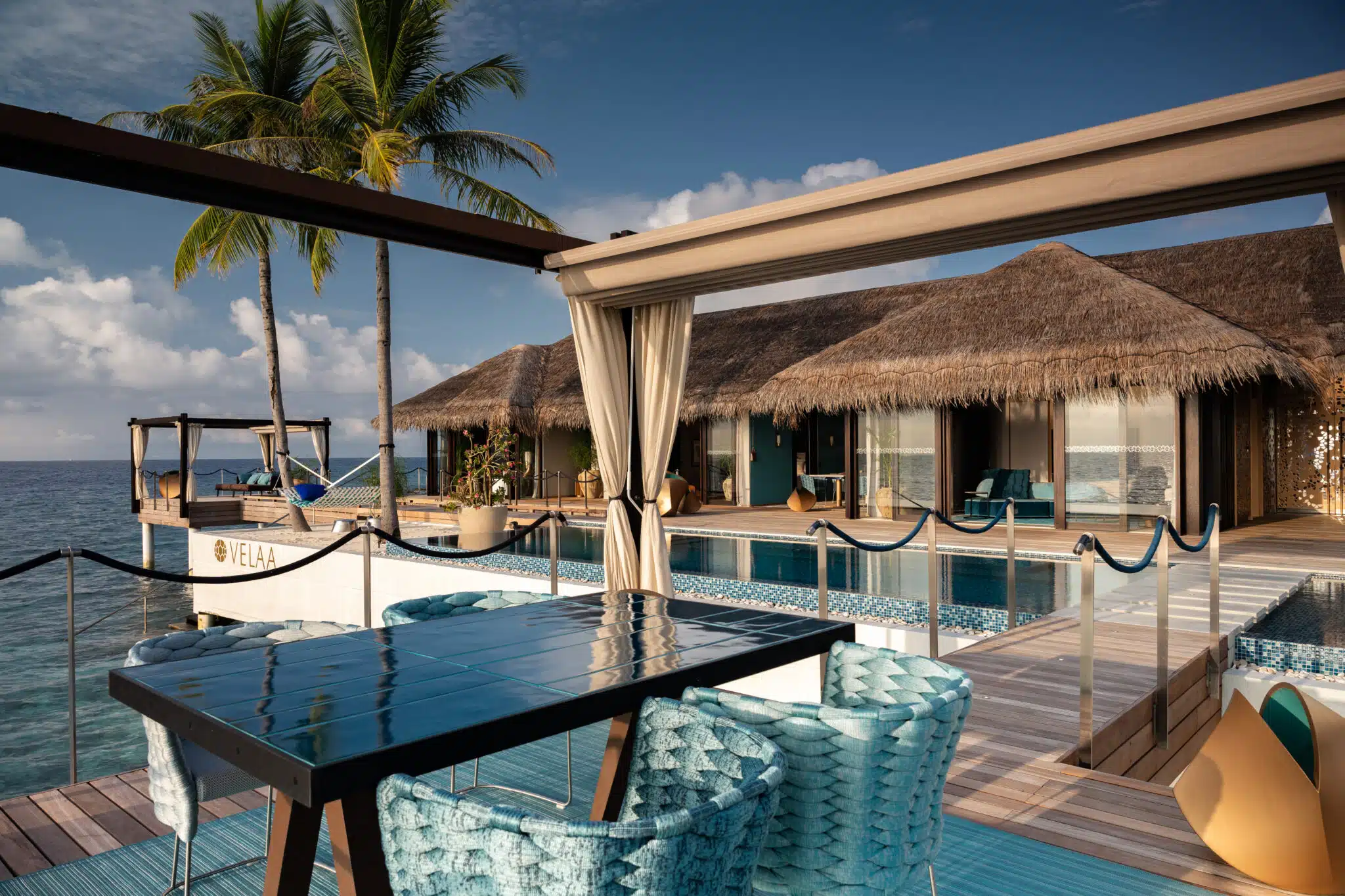
Expect bright blue skies, calm seas, and excellent underwater visibility — perfect for snorkelling, diving, and lagoon activities. For travellers planning a classic dry-season stay, Hard Rock Hotel Maldives is a strong option if you want easy transfers, family-friendly facilities and reliable lagoon time in one of the most popular periods of the year.
Best Months for Scenery and Calm Seas (January–March)
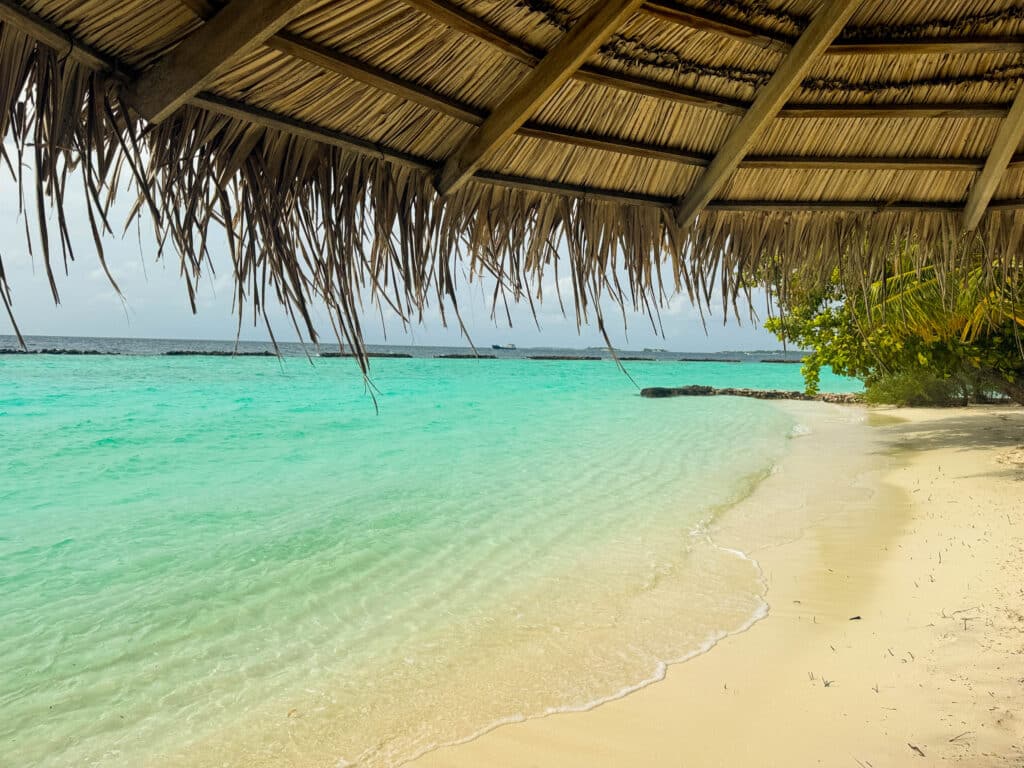
January, February, and March are the driest and most reliable months of the year. Rainfall is minimal, humidity is lower, and the ocean is usually glassy and clear. These months consistently rank as the best time to go to Maldives for postcard-perfect conditions.
Visibility for diving and snorkelling is at its peak, making it easier to spot reef sharks, turtles, and colourful coral gardens right from the house reef.
What to Expect: High Prices, High Demand
The downside of the dry season is cost. Resorts often sell out months in advance, especially from Christmas through March. Flights are more expensive, minimum-stay requirements are common during holidays, and discounts are rare. If you want a full breakdown of accommodation, transfers and daily expenses, read How Much Does It Cost to Travel to Maldives? Budgeting for Resorts, Local Islands & Activities before choosing your travel dates.
If you plan to travel during this period, booking 6–12 months ahead is strongly recommended.
Christmas & New Year: The Most Expensive Time to Visit the Maldives
Christmas and New Year mark the absolute peak of the Maldives travel calendar. From mid-December to early January, resorts operate at near-full capacity, prices are at their highest, and minimum-stay requirements are common — often five to seven nights.
This period offers excellent weather, calm seas, and festive resort programs including beach dinners, fireworks, and holiday events. However, it is also the most expensive period when choosing the best time to go to Maldives.
For travellers focused on dry-season weather without festive-season prices, early December or late January are often smarter alternatives.
If you’re considering this period, booking 9–12 months in advance is strongly recommended. For travellers who want dry-season weather without festive-season prices, early December or late January are often smarter alternatives when deciding on the best time to go to Maldives.
The Wet Season (Low Season): May to October
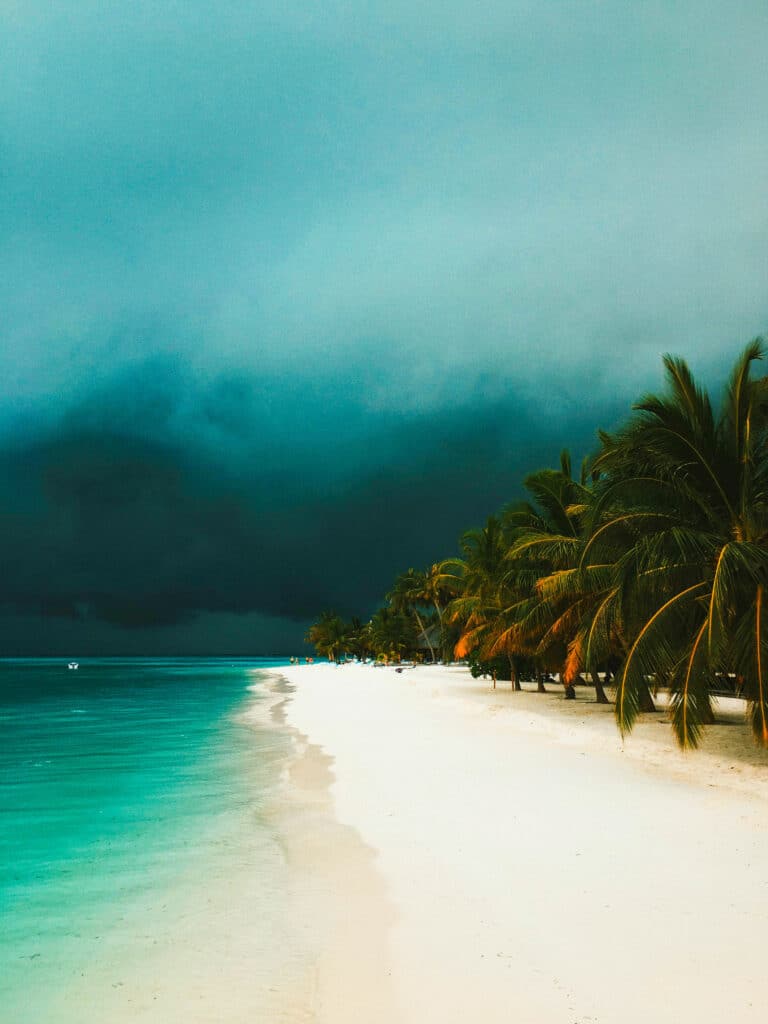
The wet season has an undeserved reputation. While it’s true that this period brings more humidity and rainfall, it’s far from constant rain or daily storms.
From our own experience, this really shows. We spent 8 days in the Maldives in August and had just four short rain showers, each lasting no more than 10 minutes. In between, the sun was out, the lagoon stayed warm, and most days felt no different from peak season.
Rain usually falls in short, intense tropical showers — often in the afternoon or overnight — followed by sunshine. Entire days of rain are possible but not the norm.
Best Months for Budget Travel (May & September–October)
May and the tail end of the monsoon season (September and October) are often the sweet spots for value. Resorts can be up to 30–40% cheaper compared to peak season, and added perks like free transfers, upgrades, or meal-plan incentives are common. If you are comparing accommodation options, see Best Hotel in Maldives Island: Top Luxury, Boutique & Affordable Stays for Every Traveller to explore different resort styles and price levels.
For travellers prioritising value, this period can still offer an excellent island experience without sacrificing quality. If you are travelling in the shoulder or low season, Kandolhu Maldives can be worth checking for quieter dates when rates and availability are often more favourable.
The Surfing Advantage
The southwest monsoon creates stronger swells, making May to October the best time for surfing in the Maldives. Central and northern atolls are especially popular, and several resorts offer on-site surf schools.
The Shoulder Months: April & November
April and November sit between the two main seasons and are often overlooked — unfairly so. For many travellers deciding on the best time to go to Maldives, these shoulder months combine consistently warm temperatures with noticeably fewer crowds and more flexible pricing than peak season.
April is typically the hottest month of the year, with long sunny days and very warm sea temperatures, making it ideal for swimming, snorkelling, and relaxed beach time. November, on the other hand, marks the transition back into drier conditions, with improving weather, fresher breezes, and better visibility returning toward the end of the month.
When weighing up the best time to go to Maldives, shoulder season often offers the best balance between weather and cost — especially for travellers who want near-dry-season conditions without peak-season prices, or who value availability, upgrades, and a more relaxed island atmosphere.
Comparison Overview by Month
| Month | Weather & Sea Conditions | Prices & Crowds | Best For |
|---|---|---|---|
| January | Dry, low humidity, calm seas | Very high | Snorkelling, diving, first-time visitors |
| February | Driest month, excellent visibility | Very high | Beach weather, diving |
| March | Hot, dry, calm lagoons | High | Diving, snorkelling, honeymoons |
| April | Hotter, slightly more humid | Moderate | Shoulder season value |
| May | Start of wet season, short showers | Lower | Budget travel, fewer crowds |
| June | More rain, plankton increases | Low | Manta rays, whale sharks |
| July | Humid, short heavy showers | Low | Surfing, marine life |
| August | Warm, humid, mixed weather | Low | Budget trips, wildlife |
| September | Wetter, fewer visitors | Lowest | ” Marine life, deals” |
| October | Wettest month, variable weather | Lowest | Value seekers |
| November | Transition to dry season | Moderate | Shoulder season balance |
| December | Dry season returns | Very high | Festive travel, sunshine |

When to Visit the Maldives to Save Money
If budget plays a role in your planning, timing becomes even more important. While the dry season offers the most predictable weather, the best time to go to Maldives for savings almost always falls outside the peak dry season, when demand is highest and prices are at their peak. By travelling in the wet season or shoulder months, you can often access significantly lower resort rates, more flight availability, and added perks such as free transfers, complimentary upgrades, or discounted meal plans — all without a major compromise on the overall experience. If budget plays a role in your planning, timing becomes even more important.
Seasonal Price Breakdown: Flights, Resorts, and Activities
| Cost Component | Peak Season (Jan–Mar) | Shoulder Season (Apr/Nov) | Low Season (May–Oct) |
|---|---|---|---|
| Resort prices | Very high | Moderate | Lowest and best deals |
| Local island hotel prices | Low to moderate | Low to moderate | Low |
| Flight prices | High | Moderate | Moderate to low |
| Availability | Limited | Good | Excellent |
| Diving visibility | Excellent | Very good | Reduced (plankton) |
Speedboat vs Seaplane Transfers: How Timing Affects Your Budget
When deciding on the best time to go to Maldives, transfer costs are often overlooked — yet they can make a huge difference to your total budget. The Maldives uses two main transfer types: speedboats and seaplanes, and your choice is closely linked to both season and location.
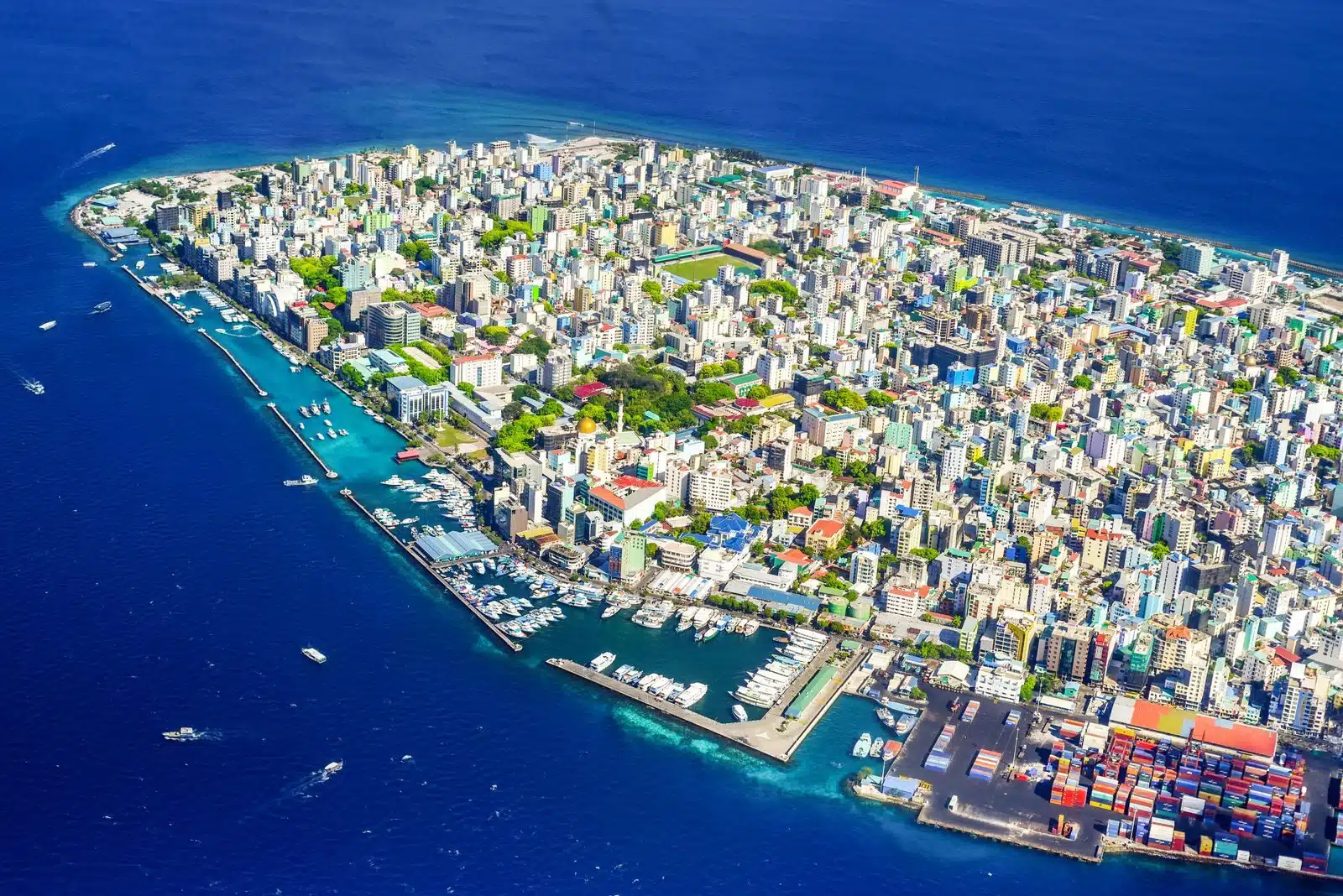
Speedboat transfers are the most budget-friendly option and are available year-round. They typically serve resorts and local islands close to Malé, especially in North Malé Atoll, South Malé Atoll, and nearby areas. Many speedboat transfers are included in the room rate, particularly during the low and shoulder seasons, making them ideal for travellers looking to save money.
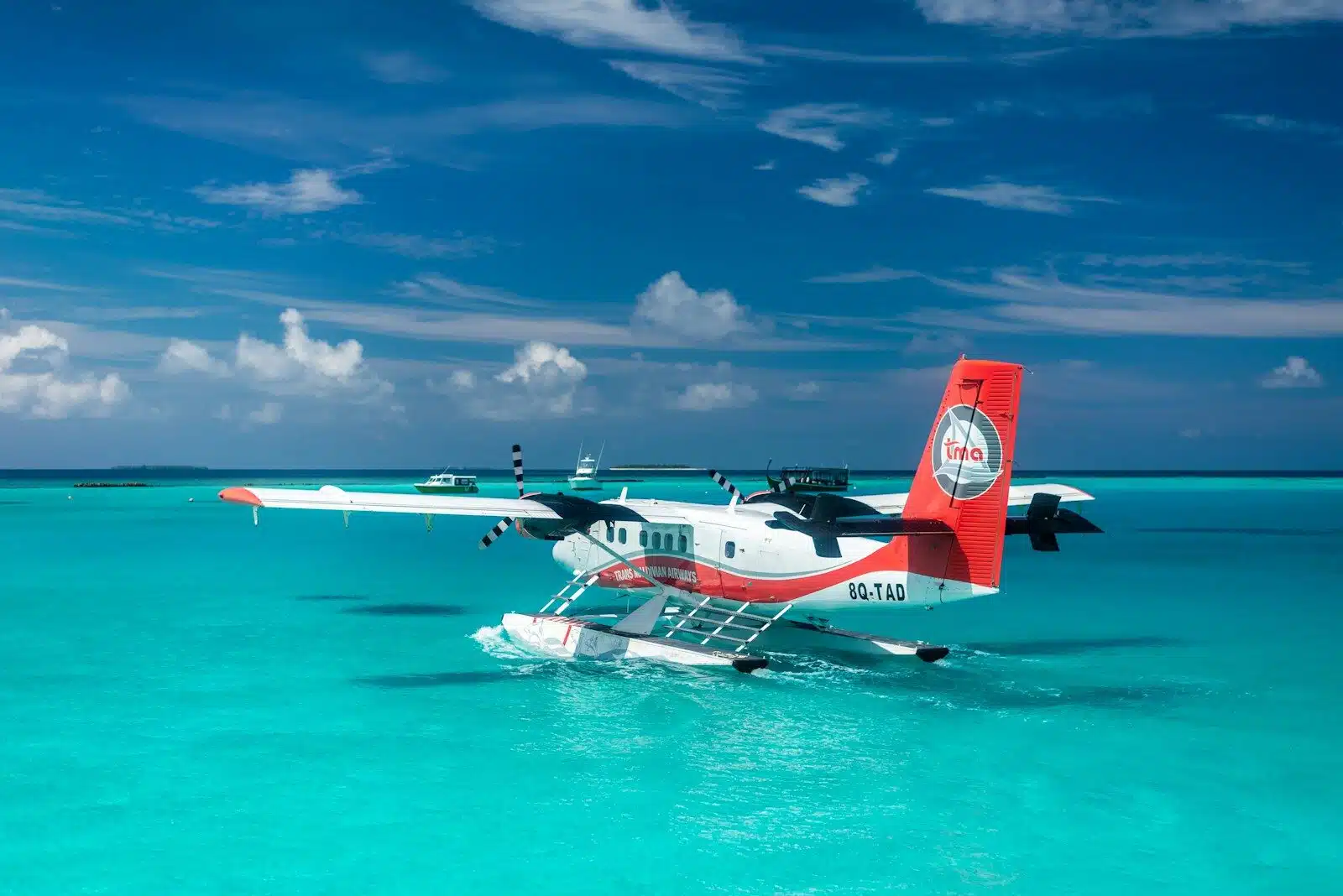
Seaplane transfers, on the other hand, are significantly more expensive and are required for many remote resorts in outer atolls such as Baa, Raa, Noonu, and Laamu. Prices are fixed per person and rarely discounted — even during the wet season. During peak months like January to March and Christmas, seaplane schedules can also be busier, adding to the overall travel cost.
For many travellers, choosing the right transfer type is a key part of planning a trip without exceeding their budget.

Resorts vs Local Islands
A smarter way to control costs when deciding on the best time to go to Maldives is to choose local islands instead of private resorts during peak season. Guesthouse prices on local islands are far less affected by seasonal price swings, meaning the difference between high season and low season is relatively small — while resort prices can easily double or even triple during the dry months. If you are comparing different resort styles and price levels, see Best Maldives Resorts by Budget: Top Affordable, Mid-Range & Luxury Island Escapes.
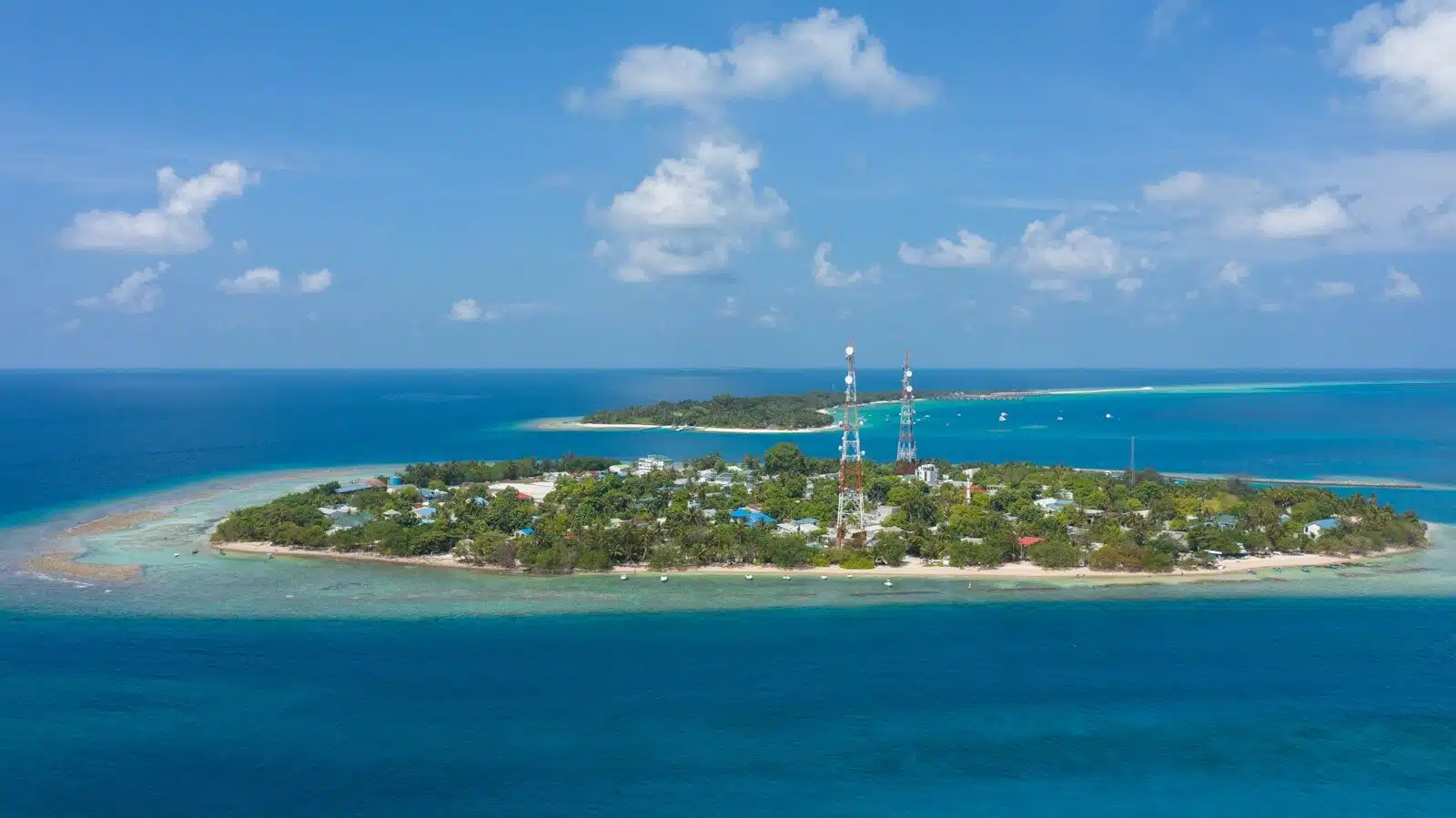
This makes local islands an excellent option if you want dry-season weather without paying peak-season resort prices. You still benefit from blue skies, calm seas, and great snorkelling conditions, but at a fraction of the cost of a private island resort. For a deeper look at the best inhabited islands for independent travel, read Top 10 Local Islands in the Maldives: The Best Inhabited Islands for Beaches, Snorkelling & Budget Stays.
Another advantage is accessibility. Most local islands are reached by public ferry or speedboat rather than expensive seaplanes, keeping transfer costs low year-round. Combined with affordable guesthouses, local restaurants, and excursions priced for independent travellers, this approach allows you to experience the best time to go to Maldives while keeping your overall budget firmly under control.
For a detailed breakdown of accommodation, transfers and daily spend, read How Much Does It Cost to Travel to Maldives? Budgeting for Resorts, Local Islands & Activities before choosing your season.

Visiting the Maldives During Ramadan
Ramadan follows the lunar calendar and shifts each year. For travellers staying at private resorts, Ramadan has little to no impact, as meals, alcohol, and services continue as normal.
On local islands, however, some restaurants may operate limited daytime hours, and visitors are expected to dress more modestly in public areas. Alcohol is not served on local islands at any time of year.
Travelling during Ramadan can still be a great option for budget travellers and those seeking a quieter experience, and it can still be the best time to go to Maldives for local-island travel.
Best Time for Specific Maldives Activities
Different experiences shine in different seasons, which is why the best time to go to Maldives depends on what you want to do once you arrive. While some travellers plan their trip around guaranteed sunshine and calm lagoons, others prioritise marine wildlife, surfing conditions, or budget-friendly travel — all of which peak in different months throughout the year. For a broader overview of excursions and marine life experiences, see Top Activities in Maldives: Snorkelling, Diving & Swimming with Manta Rays.
Manta Ray & Whale Shark Encounters
Manta ray and whale shark encounters are one of the biggest reasons travellers carefully choose the best time to go to Maldives, and timing does vary by region.
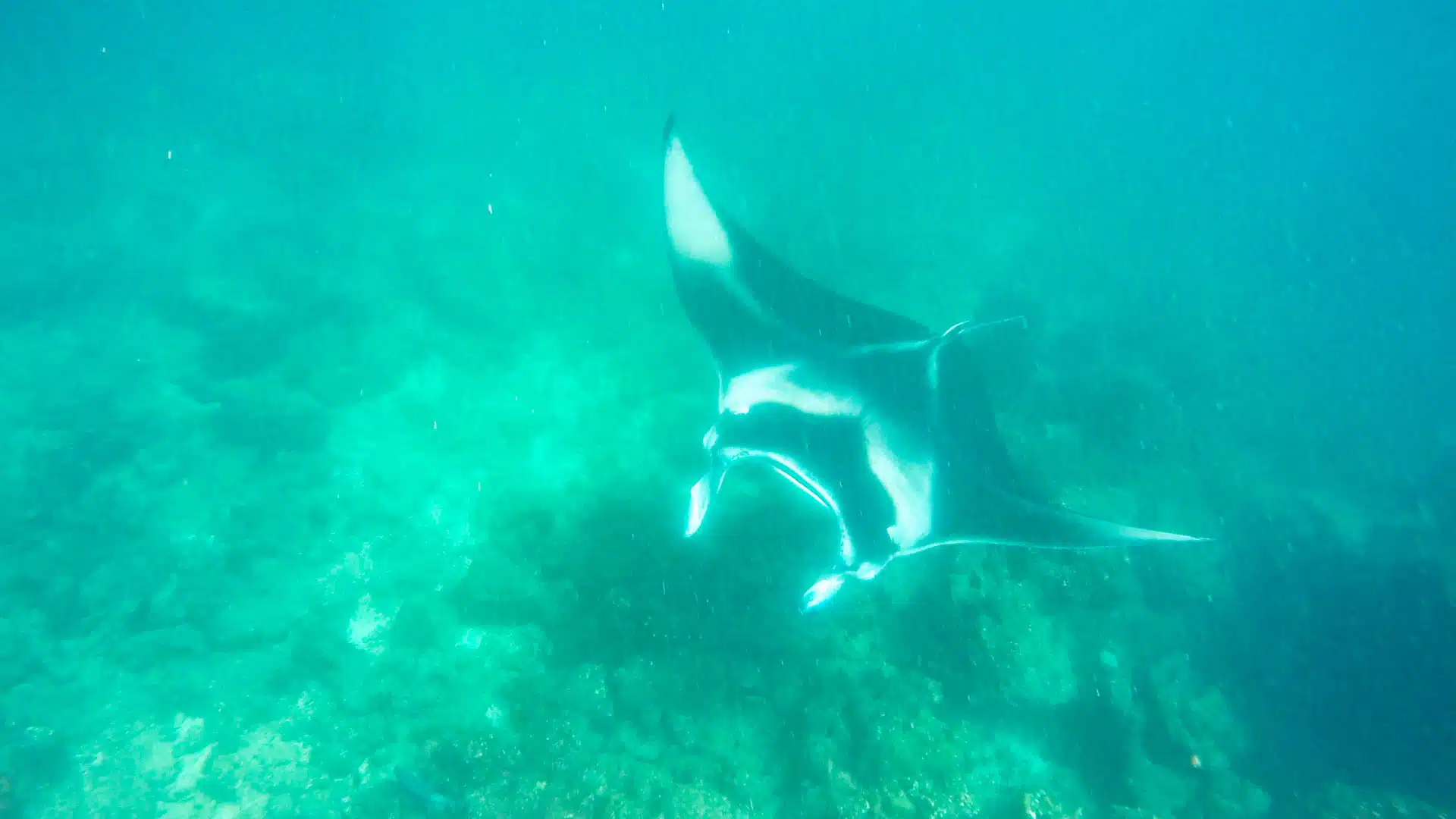
Hanifaru Bay (Baa Atoll) is the most famous manta ray hotspot and is at its absolute best from June to November, when plankton blooms attract hundreds of feeding manta rays in one place. This natural phenomenon is one of the most spectacular wildlife experiences in the Maldives. Hanifaru Bay is located just off Dharavandhoo. a local island in Baa Atoll that is often used as a base for manta ray excursions. Read more about it in our blog Dharavandhoo: Maldives’ Best Local Island for Authentic Culture, Budget Stays & Hanifaru Bay Adventures. Well-known resorts close to Hanifaru Bay include Four Seasons Landaa Giraavaru and Milaidhoo Maldives, both offering regular guided trips to the bay during manta season. If you are staying near South Malé Atoll, you can also join this manta ray snorkelling trip from Maafushi, which takes travellers to known manta cleaning stations depending on seasonal conditions.
Beyond Baa Atoll, manta rays can also be spotted in Raa Atoll, North Malé Atoll, and Ari Atoll, with sightings generally increasing during the wet season as plankton levels rise. In Raa Atoll, good bases include local islands like Ungoofaaru and resorts such as InterContinental Maldives Maamunagau Resort and You & Me Maldives. In North Malé Atoll, manta encounters are often combined with stays on local islands like Thulusdhoo or Dhiffushi, or resorts such as Baros Maldives and Huvafen Fushi. In Ari Atoll, manta sightings are frequently linked to trips from Maafushi and Dhigurah, as well as nearby resorts on Ari Atoll that offer manta-focused excursions during the wet season. For a deeper dive into where and how to experience these encounters, see our detailed guide Manta Rays in Maldives: Best Places, Season & Ethical Snorkelling Guide.

Whale sharks are present year-round in the Maldives, but the most reliable location is South Ari Atoll, where resident populations are seen throughout the year. Sightings tend to increase during the wetter months, particularly from May to November, when food availability is higher. Popular local islands in South Ari Atoll include Dhigurah and Maamigili, both well known for daily whale shark excursions. Travellers staying in North Ari Atoll can also join this whale shark snorkelling trip from Ukulhas, which focuses on spotting the gentle giants in nearby feeding zones. Nearby resorts such as LUX South Ari Atoll, Conrad Maldives Rangali Island, and Vilamendhoo Island Resort regularly organise guided trips to known whale shark zones. For a complete overview of locations and tours, read our guide Whale Shark Encounters in the Maldives: Best Spots and Tours for Unforgettable Encounters.

Other areas with regular whale shark sightings include Fuvahmulah Atoll, famous for its deep-water encounters with large pelagic species. The local island Fuvahmulah itself is the main base here, with specialised dive centres, while travellers looking for more comfort often combine it with resort stays elsewhere in the Maldives before or after visiting this atoll.
For travellers whose main goal is marine wildlife, the wet season can be an excellent choice, especially when combined with lower prices and fewer crowds.
Diving and Snorkelling Visibility
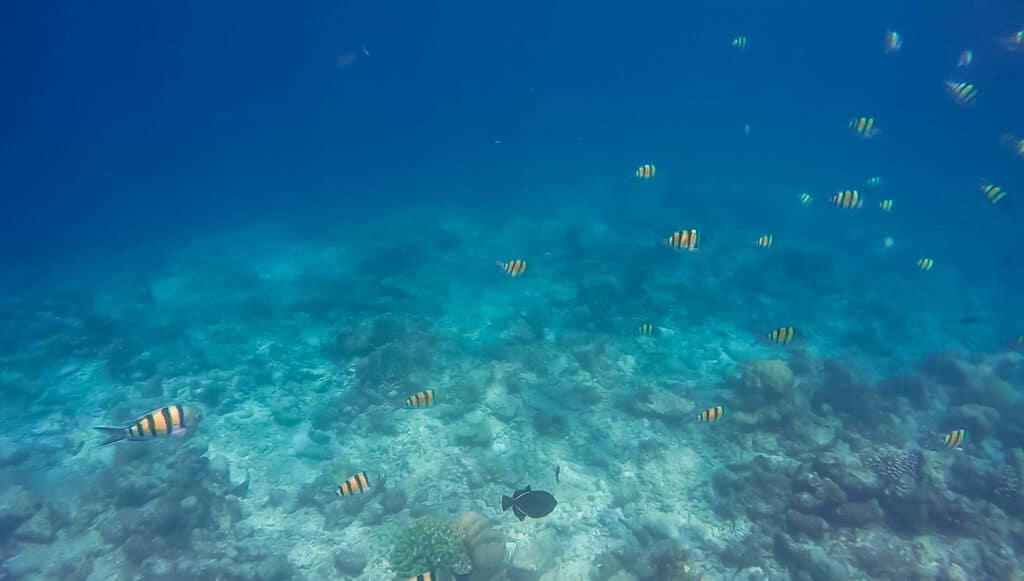
For the clearest water, January to March is unmatched and is often considered the ideal period for snorkelling and diving. Calm seas and minimal plankton result in exceptional visibility, making it easier to spot coral details, reef sharks, turtles, and rays.
This period is ideal for house-reef snorkelling at both resorts and local islands. Excellent local-island bases include Dhigurah, Maafushi, and Thulusdhoo, where calm conditions allow for easy boat trips to nearby reefs. Resorts known for outstanding visibility and accessible reefs during these months include Vilamendhoo Island Resort, Baros Maldives, Kandolhu Maldives, and Four Seasons Landaa Giraavaru.
Diving remains possible year-round, but during the wet season visibility can be slightly reduced due to plankton. In return, this season offers more chances to see larger marine life.
For a full overview of the best snorkelling and dive locations, see our guide to Maldives’ Best Places to Go: Ultimate Guide to Snorkeling and Marine Life Hotspots.
Best Time for Surfing
The monsoon months from May to October deliver the strongest waves, making this period ideal for surfers. During these months, consistent swells roll in from the southwest, creating reliable reef breaks that attract surfers from around the world.
Laamu Atoll is widely considered the heart of surfing in the Maldives, with famous breaks like Yin Yang and a strong surf culture supported by resorts and local guides. While Laamu Atoll has fewer local islands geared toward tourism, surfers often base themselves at resorts such as Six Senses Laamu, which offers direct access to nearby breaks and experienced surf guides.
North Malé Atoll is another top choice, especially for intermediate surfers, thanks to its wide variety of reef breaks and easy access from Malé airport. Popular local islands for surfers here include Thulusdhoo, known for the famous Coke’s break, and Himmafushi, both offering affordable guesthouses and easy boat access to surf spots. Nearby surf-friendly resorts include Cinnamon Dhonveli Maldives and Hudhuranfushi Surf Resort, which cater specifically to surfers.
For travellers whose trip revolves around surfing rather than guaranteed sunshine, this season combines great wave conditions with lower accommodation prices.
Travellers based around South Malé Atoll can try this kite surfing and windsurfing experience from Maafushi, which works best during the southwest monsoon when winds are stronger.

Bioluminescence (Sea of Stars) in the Maldives
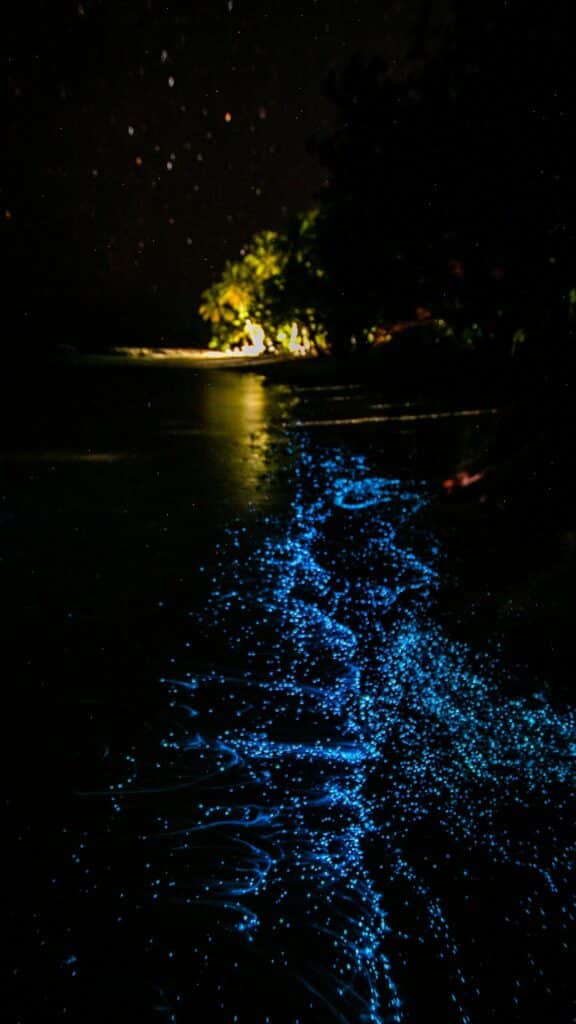
Bioluminescence, often called the “Sea of Stars,” is a natural phenomenon caused by glowing plankton in the water. When disturbed by movement, the ocean lights up with a magical blue glow — especially visible at night along beaches and shallow lagoons.
In the Maldives, bioluminescence is most commonly spotted during the wet season, roughly from June to November, when plankton levels are higher. However, sightings are unpredictable and depend on water temperature, tides, and light pollution rather than a specific month.
While it should never be the sole reason to plan a trip, travellers visiting during the wet season may be lucky enough to experience this phenomenon — adding another reason why this period can still be a compelling time to visit.
Conclusion
The best time to go to Maldives ultimately depends on what kind of island experience you want. Travellers dreaming of calm lagoons, clear skies and exceptional snorkelling conditions often favour the dry months from January to March, while those drawn to marine wildlife, surfing or quieter islands may find the wet season just as rewarding.
For many visitors, the real sweet spot lies in understanding how each season shapes the experience — balancing weather, crowd levels, prices and the activities that matter most during your stay.
Once you know when to travel, the next step is deciding where to stay and how to shape your itinerary, whether that means choosing between local islands and private resorts, planning marine wildlife excursions, or mapping out your ideal Maldives route.
🌴 Plan Your Maldives Trip
🏨 Still looking for the right stay? Browse all resorts in the Maldives or hotels & guesthouses on local islands — free cancellation on most rooms.
✈️ Flights: Compare routes and prices for flights to the Maldives.
📱 Stay connected: Skip the airport SIM queue — get a Maldives eSIM from Airalo before you fly. We use Airalo ourselves on every trip.
🔒 Travel insurance: Medical help in the Maldives often means evacuation by seaplane — don't skip travel insurance for the Maldives.
🤿 Tours & activities: Browse snorkelling trips, dolphin cruises and excursions across the Maldives, or check liveaboard diving trips.
💳 Money: Avoid card fees abroad with a free Revolut account.
Some links on this page are affiliate links. Booking through them costs you nothing extra and helps us keep this site running — thank you!
Frequently Asked Questions about the Best Time to Go to Maldives
What is the rainiest month in the Maldives?
September and October are typically the rainiest months in the Maldives, as they fall within the southwest monsoon season. Rainfall is higher during this period, but it rarely means constant storms. Showers are usually short tropical bursts followed by sunshine. Even during these wetter months, travellers can still enjoy warm sea temperatures, occasional clear days, and good opportunities for marine wildlife encounters.
Is the Maldives hot all year round?
Yes, the Maldives stays warm throughout the year due to its tropical climate near the equator. Average daytime temperatures usually range between 28°C and 31°C, with warm ocean water year-round. Seasonal differences are mainly related to rainfall, humidity, and wind patterns rather than temperature. This means the best time to go to Maldives is usually determined by weather stability, visibility for snorkelling, and travel budget rather than heat.
Is it worth going to the Maldives in July or August?
Yes, visiting the Maldives in July or August can still be worthwhile, particularly for travellers seeking lower prices and fewer crowds. These months fall within the wet season, so expect higher humidity and occasional short rain showers. However, long sunny periods are common, and marine life activity is often strong. The southwest monsoon also brings reliable waves, making this period popular for surfing.
Is March or April better for visiting the Maldives?
Both months are excellent, but they offer slightly different conditions. March usually provides the most stable weather with very low rainfall and clear ocean visibility, making it ideal for snorkelling and diving. April is typically hotter and more humid but can offer better availability and slightly lower prices as the season transitions. When deciding the best time to go to Maldives, both months remain strong choices.
Related Blogs
Other Maldives Travel Tips
Maldives Vacation: How to Plan Your Dream Island Escape for Adventure and Relaxation
Trip to Maldives: Essential Information on Islands, Visa, Vaccinations & Entry Requirements
How Much Does it Cost to Travel to Maldives? Budgeting for Resorts, Local Islands & Activities
Maldives Culture & Religion: What Every Traveller Should Know Before Visiting Local Islands
Do You Need Vaccinations to Go to Maldives? Health and Safety Checklist for Travellers
Maldives Travel Visa Guide: Requirements, Process & Tips for Hassle-Free Entry
How to Plan a Trip to Maldives Like a Pro: Insider Tips for Easy Local Island Transfers
Is Maldives Worth the Money? Honest Comparison with Sri Lanka
Maldives Local Islands vs Resorts: What Should You Choose?
Maldives with Kids: Resorts vs Local Islands
Other Maldives Blogs
How to Choose a Maldives Resort: The Complete Decision Guide
Best Maldives Resorts by Budget: Top Affordable, Mid-Range & Luxury Island Escapes
Best Hotels on Local Islands in Maldives (By Budget): Complete Guide for 2026
How to Choose the Best Atoll in Maldives: A Complete Area & Stay Guide
Top Activities in Maldives: Snorkelling, Diving & Swimming with Manta Rays
Best Hotel in Maldives Island: Top Luxury, Boutique & Affordable Stays for Every Traveller