Table of Contents
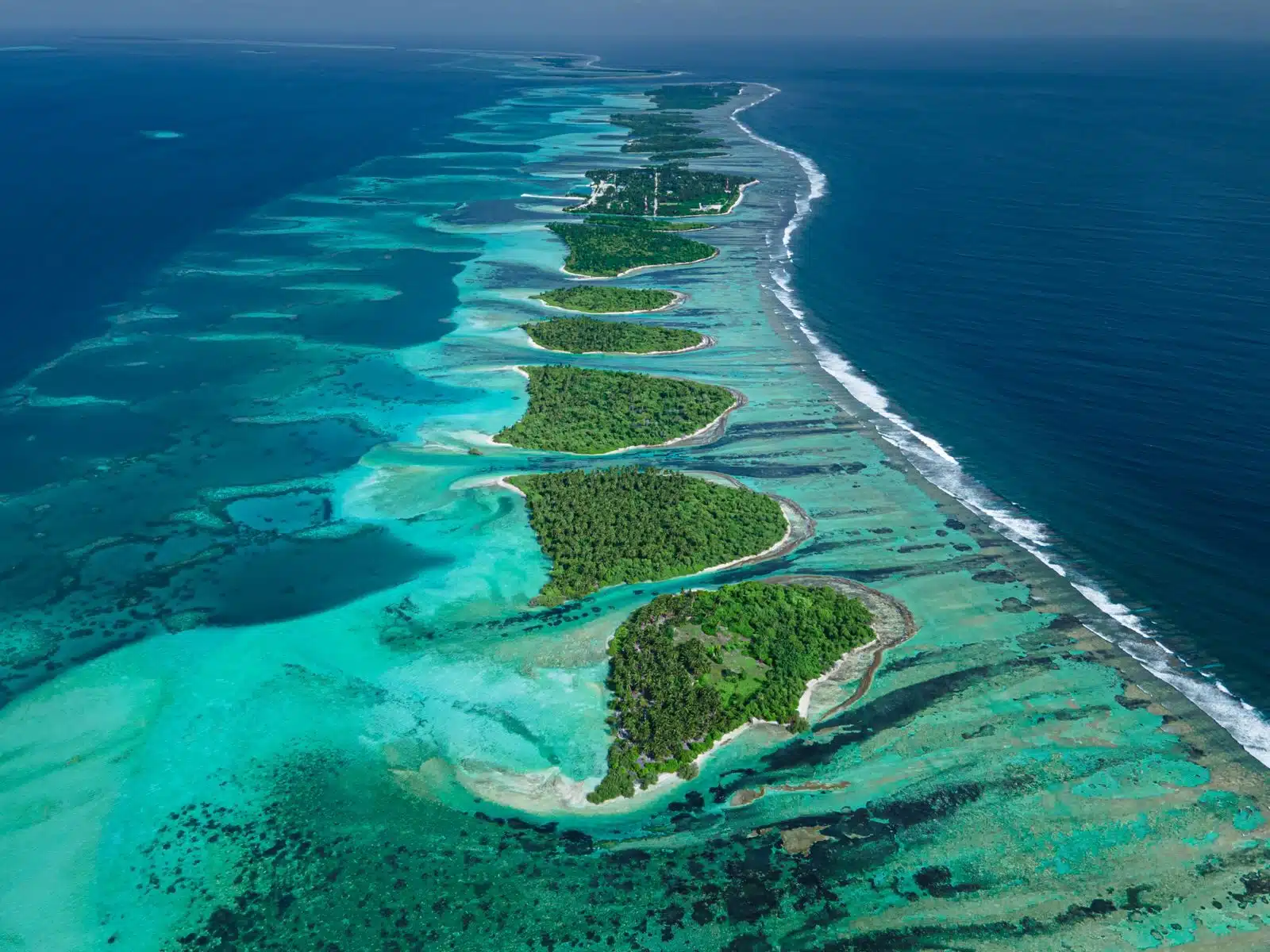
A Maldives vacation often begins with a simple image: calm turquoise lagoons, soft white beaches, and villas standing above clear water. Yet behind that picture lies a destination made up of hundreds of islands, each offering a different experience. Some travellers choose private resort islands for privacy and comfort, while others prefer local islands where daily life and culture shape the atmosphere.
Understanding how the Maldives works makes planning far easier. The type of island you choose influences everything — from your budget and transfer options to the activities available around you. Once those decisions become clear, the destination starts to feel much simpler and the excitement of planning a Maldives vacation truly begins.
In a Rush?
These are my Favourite Resorts in Maldives
- ⭐️⭐️⭐️ Soneva Jani – Check Prices and Availability
- ⭐️⭐️ Kuramathi Maldives – Check Prices and Availability
- ⭐️ Kurumba Maldives – Check Prices and Availability
Maldives Vacation at a Glance
Planning a Maldives vacation becomes much easier when you understand the essentials at a glance. Below is a quick overview of the key decisions and practical details that shape your trip — from season and budget to transfers and island types.
| Category | Key Information |
|---|---|
| Best Time to Visit | December–April (dry season, calm seas, highest prices) |
| Budget Range | From $70 per night (local guesthouses) to $6.500+ per night (luxury resorts) |
| Main Accommodation Choice | Private resort island vs local island guesthouse |
| Transfer Types | Speedboat (near Malé), seaplane (remote atolls), domestic flight + boat |
| Visa | Free 30-day visa on arrival for most nationalities |
| Alcohol | Available only on resort islands and licensed floating bars |
| Ideal Trip Length | 4–7 nights for one island, 8–12 nights if combining islands |
Maldives Vacation Basics: Essential Facts for First-Time Visitors
Before choosing an island or comparing prices, there are a few essential details that shape how your trip will unfold.
Best Time to Go: Weather & Seasons
Your experience will look and feel different depending on your travel month. The dry season (December–April) brings warm sunshine, gentle waves, and clear snorkelling conditions. It’s also peak travel season—expect higher prices.
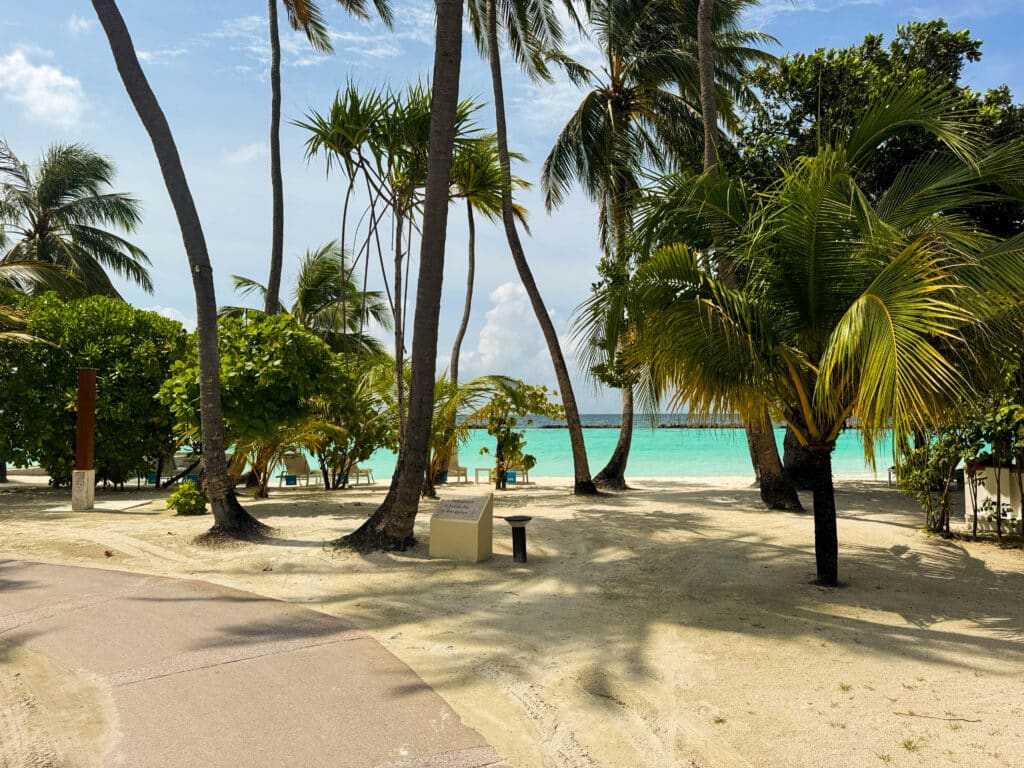
The wet season (May–November) brings a mix of sun and occasional showers. Rain often arrives in short bursts, and prices drop significantly. This season is also famous for manta ray sightings. Use this best time to go to Maldives guide to balance sunshine, lower prices, and calmer seas for your dates. It breaks down monsoon seasons, visibility for snorkelling, and high-demand months in detail.
Visa and Currency Essentials
Most nationalities receive a free 30-day visa on arrival—no pre-application required. You’ll need a passport valid for six months, proof of accommodation, and an onward ticket. Before you confirm your flights, make sure you understand the Maldives travel visa rules, how long you can stay, and what to submit on IMUGA so you avoid last-minute surprises.
The Maldivian Rufiyaa (MVR) is the local currency, but USD is widely accepted at resorts and on many local islands. ATMs are limited on smaller islands, so withdraw in Malé if needed.
Vaccinations and Health Basics
No mandatory vaccinations are required for most travellers. However, standard travel health advice recommends staying up to date with routine vaccines such as DTP (diphtheria, tetanus, polio) and hepatitis A.
Depending on your travel style and planned activities, additional vaccines—like hepatitis B or typhoid—may be advised. There is no malaria risk in the Maldives, but mosquito protection is still important, especially on local islands or during evening activities.
Travellers arriving from yellow fever–risk countries must show proof of vaccination. Always check your local health authority’s recommendations before departure. Pair your travel insurance with this health and vaccinations checklist for Maldives so you know exactly what to prepare before flying.
Culture and Religion
The Maldives is a Muslim country, and understanding a few cultural basics will make your trip smoother—especially if you plan to visit local islands. Islam plays a central role in daily life, and this influences dress codes, public behavior, and the availability of alcohol.
- Dress code: On local islands, modest clothing is required. Shoulders and knees should be covered, especially in villages and public areas. Bikini beaches exist but are designated and clearly marked.
- Alcohol: Alcohol is prohibited on local islands and can only be purchased at resorts or on licensed floating bars.
- Prayer times: You may hear the call to prayer throughout the day. Some shops and services may briefly pause during these moments.
- Friday closures: Friday is the holy day, meaning ferries, shops, and offices may operate on limited schedules. Resorts are not affected.
Understanding these customs helps travellers show respect—and ensures your trip feels relaxed and culturally aware. If you are considering a guesthouse stay, learn about Maldives culture and religion on local islands so you know how to dress, act, and plan your days respectfully.
Where to Stay: Resort Island vs. Local Island (The Critical Choice)
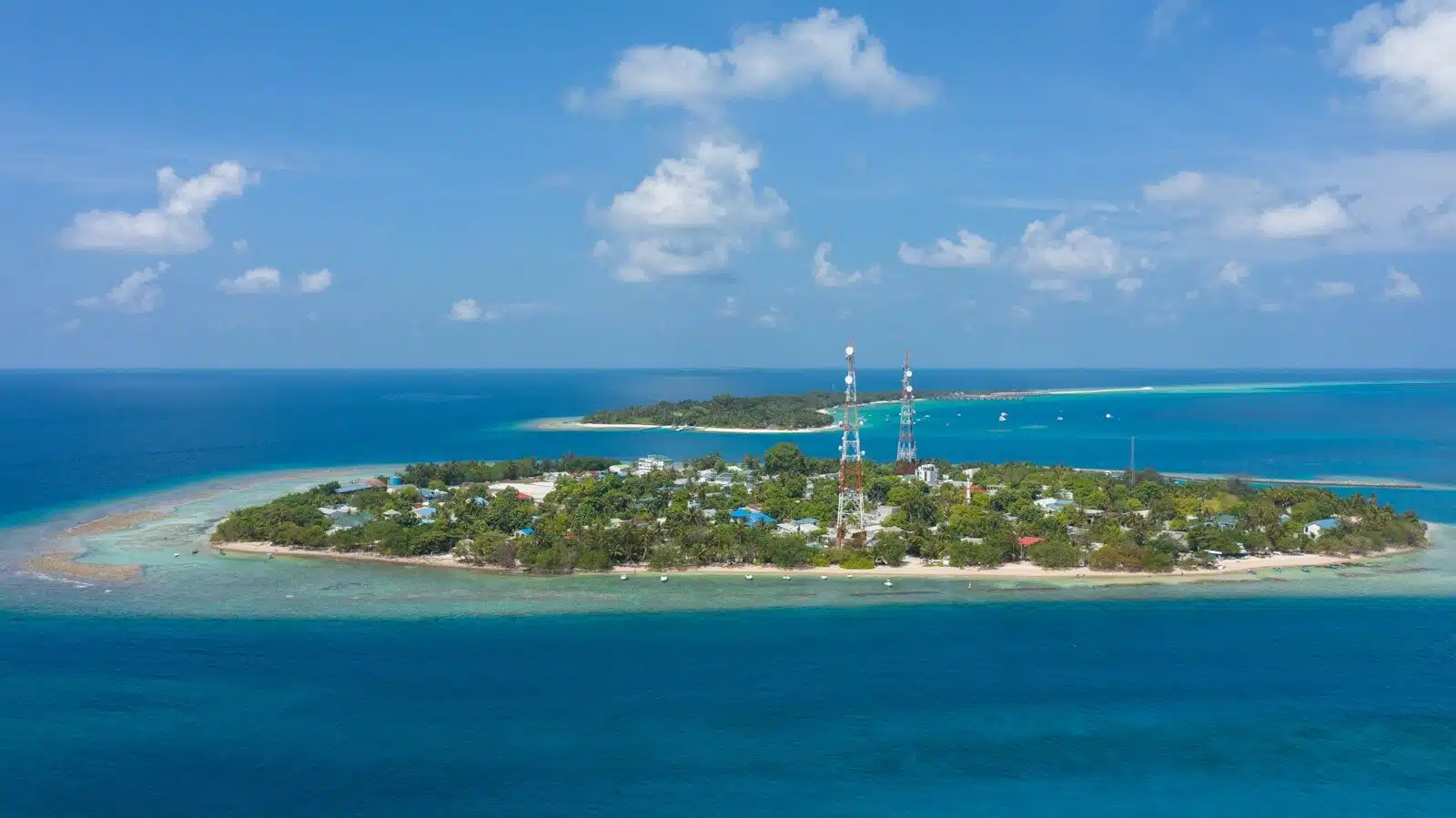
Choosing between a resort island and a local island is the heart of planning your Maldives vacation. Each offers a completely different experience, shaping everything from your budget and daily activities to the atmosphere you’ll enjoy. This choice determines whether your days feel private and luxurious or lively and culturally immersive—making it one of the most important decisions for first-time visitors.
Not sure whether to book a resort or a guesthouse? Start with this local islands in Maldives vs resorts comparison to see the real differences in budget, culture, and experience. It’s also very common to combine both experiences: many travellers start on a local island for culture and affordability, then finish with a few nights at a resort close to Malé to ensure a smooth and stress-free departure for their return flight. For inspiration, explore nearby resort options such as Kurumba Maldives and Hard Rock Hotel Maldives, which are perfect for ending your trip in comfort.
Choosing Your Maldives Experience (Comparison Table)
| Feature | Resort Island | Local Island |
|---|---|---|
| Price | $$$–$$$$$ | $–$$ |
| Atmosphere | Private, luxury | Cultural, budget-friendly |
| Alcohol | Allowed | Not allowed (except on floating bars) |
| Beaches | Private, pristine | Shared beaches + bikini beach |
| Activities | Spa, diving, upscale excursions | Same activities available, often far cheaper on local islands |
Tip: On local islands, you can still book nearly all the same activities you’d do at a resort—snorkelling trips, sandbank visits, dolphin cruises, diving—but usually at a fraction of the price.
Water Villa vs. Beach Villa: Which is Worth the Splurge?
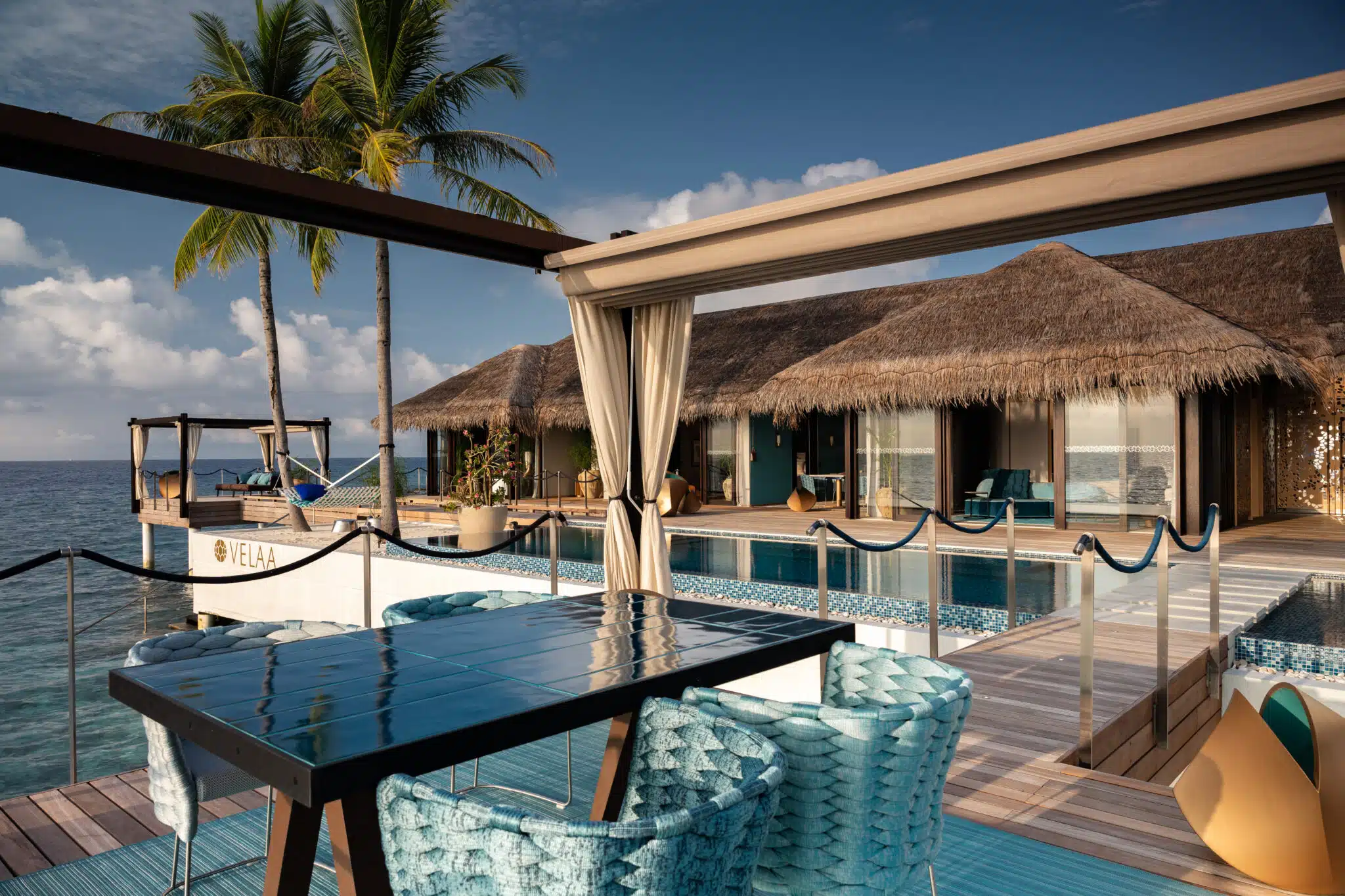
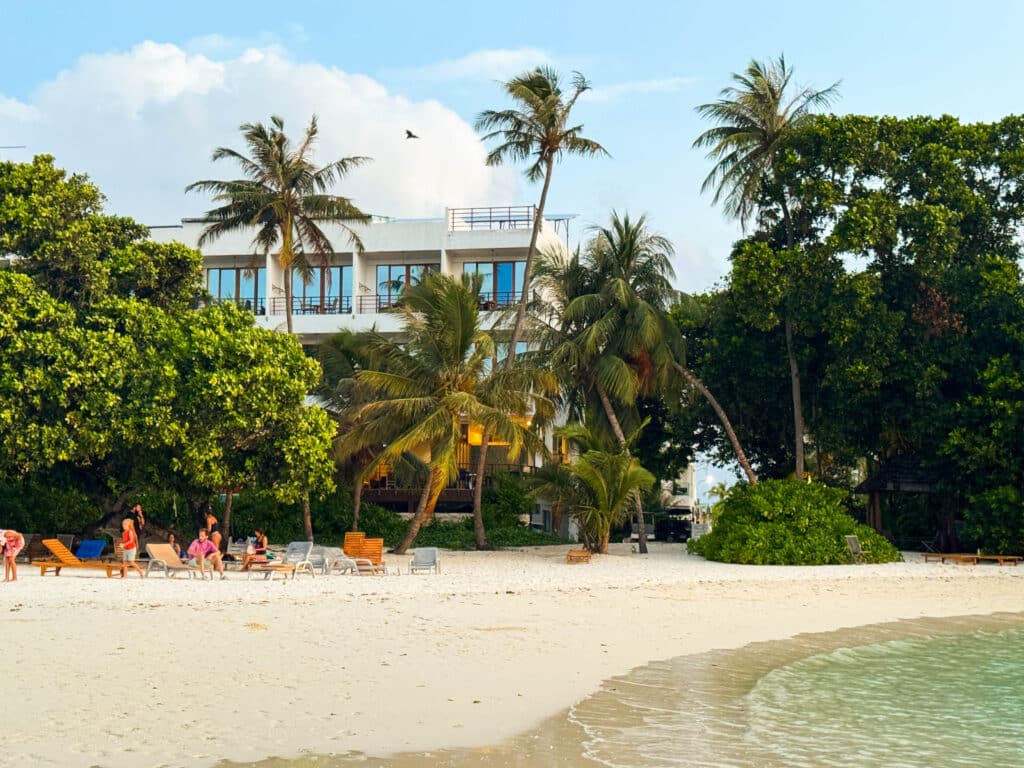
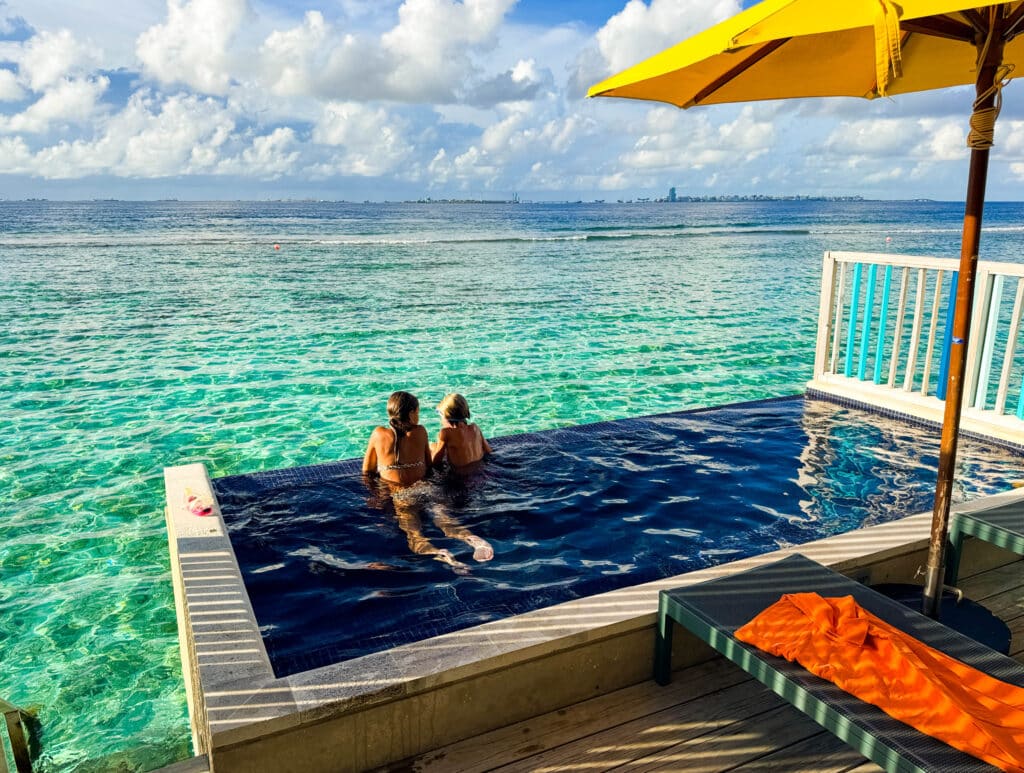
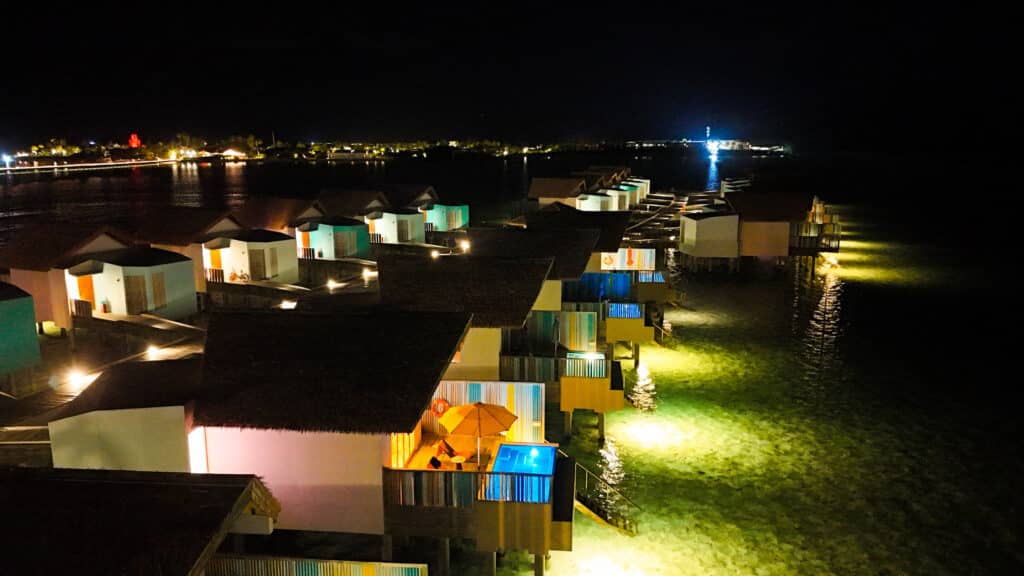
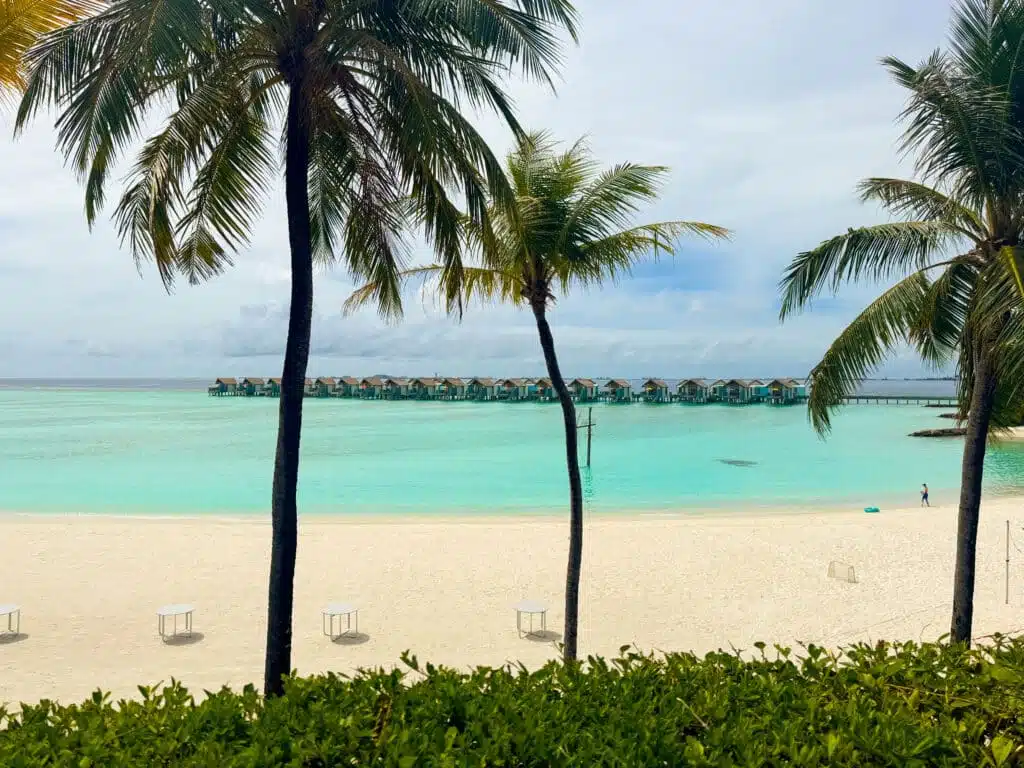
Water villas and beach villas are two of the most iconic accommodation types in the Maldives, and both are found exclusively on resort islands. This is what many people dream of for their Maldives Vacation. Local islands don’t offer overwater villas, and their beach options look and feel completely different—so it’s helpful to understand what each type offers before choosing.
Water Villas
- Signature Maldives experience
- Direct access to the lagoon
- Ideal for couples, honeymooners, and photography lovers
- More exposed to weather and can feel less stable during storms
Beach Villas
- Spacious, shaded, and surrounded by greenery
- Great for families and longer stays
- Steps from the beach with more natural shade
- Usually more affordable than water villas

Recommendation: Many first-time visitors combine both—starting with a night or two in a water villa for the classic photos, then switching to a beach villa for comfort and value.
Accommodation on Local Islands: Beach Hotel vs. Inland Hotel
Local islands don’t have water villas, but they offer two main accommodation types that work beautifully for travellers on a budget or those wanting a cultural experience.
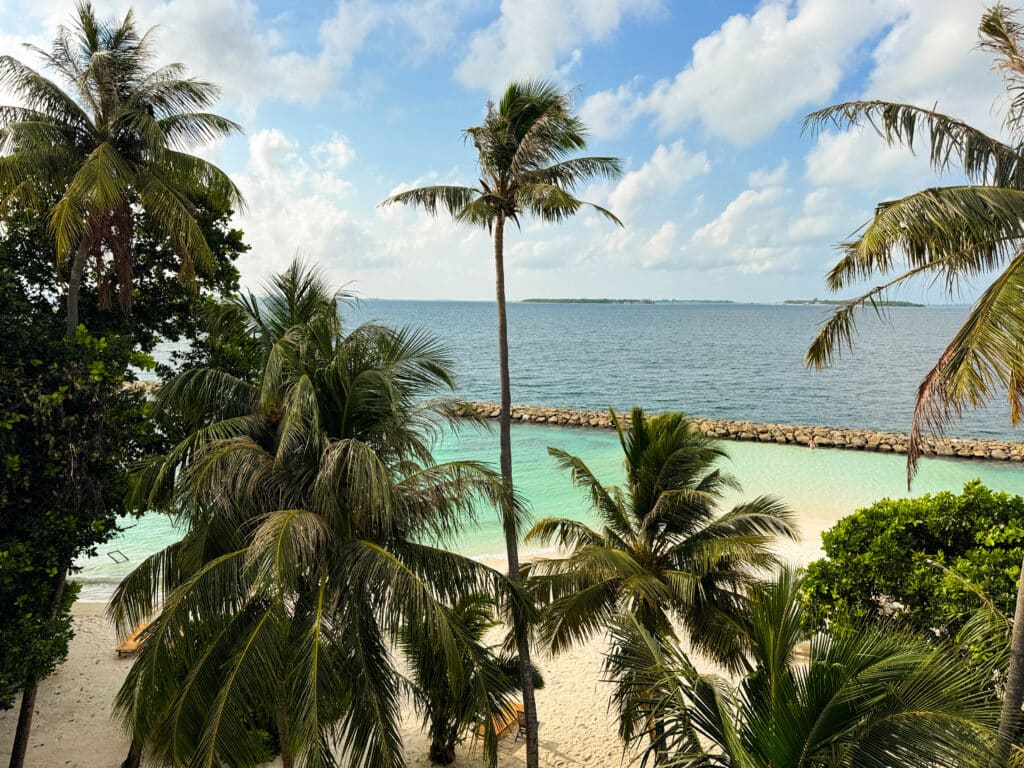
Beach Hotels
- Located directly on, or very close to, the island’s bikini beach
- Easy access to snorkelling, boat trips, and restaurants
- Often feature balconies, small pools, or sea-view rooms
- Best choice if beach time is your focus
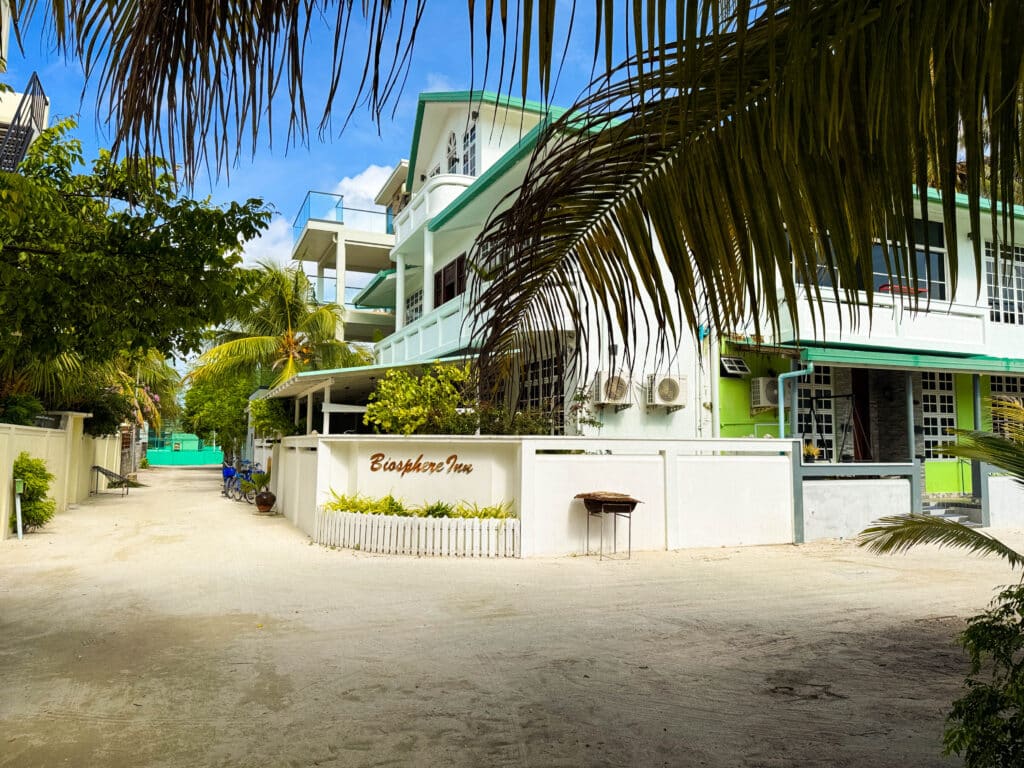
Inland Hotels & Guesthouses
- Set within the village streets, usually a short walk from the beach
- More affordable than beach hotels
- Great for travellers who want to experience daily Maldivian life
- Expect simpler views (gardens or local homes rather than the sea)
Breaking Down the Budget: How Much Does a Maldives Trip Cost?
Budget is one of the biggest concerns for first-time travellers—and it’s often the factor that shapes the entire feel of your Maldives vacation. Because every island operates almost like a self-contained ecosystem, prices can vary dramatically between local islands and private resorts. Understanding these tiers helps you plan realistically and avoid unexpected costs. If you want to know more about the costs you can check this full guide: How Much Does It Cost to Travel to Maldives? Budgeting for Resorts, Local Islands & Activities.
Accommodation Cost Tiers (From $70 to $2,000+ per Night)
Guesthouses (Budget: $70–$150/night)
These accommodations are found exclusively on local islands, making them the best choice for travellers who want to keep their Maldives vacation affordable while experiencing authentic island life, local culture, and small-scale hospitality. Guesthouses often sit near the island’s bikini beach, and you can book all the classic Maldives activities—snorkelling trips, sandbank visits, diving, dolphin cruises—usually at a fraction of resort prices.
You’ll also experience more local culture and island life.
Budget Resorts ($200–$400/night)
Budget resorts are private resort islands that offer a more affordable entry into the resort experience. They’re often located closer to Malé, which means transfers are usually done by speedboat instead of seaplane, keeping overall costs lower.
While these resorts are simpler than mid-range or luxury properties, they still deliver the core Maldives vacation experience: white-sand beaches, lagoons, snorkelling trips, pools, and organized excursions. Expect fewer restaurants, smaller villas, and less personalisation—but excellent value for money if you want a resort island without a luxury price tag. Looking for a good budget resort? Check out full guide: Best budget resorts in Maldives: Top 10 Affordable Picks.
Mid-Range Resorts ($500–$2,000/night)
The sweet spot for many first-time travellers. These resorts offer comfortable villas, good amenities, pools, and house reefs without the ultra-luxury price tag. Just be sure to check how you’ll get there—some mid-range resorts look affordable at first, but if they require a seaplane transfer instead of a speedboat, your total Maldives vacation cost can increase significantly.
Luxury Resorts ($2,800–$6,500+/night)
For travellers seeking privacy, elevated design, fine dining, and world-class service. Expect private pools, spacious villas, curated experiences, and exceptional staff attention—perfect for honeymoons or a once-in-a-lifetime Maldives vacation. Read all about it in our full guide: Top 10 Best Maldives Luxury Resorts.
Food and Drink: All-Inclusive vs. Half-Board (Plus Local Island Prices)
Meals can surprise travellers with their cost—especially on private resort islands where everything must be imported and where you have no alternative restaurants to choose from.
All-Inclusive (Resorts)
- Best for first-timers who want predictable costs
- Includes breakfast, lunch, dinner, snacks, soft drinks, and alcoholic beverages (varies per resort)
- Often includes non-motorized water sports and selected excursions
- Typical price: USD 120–200+ per person per day
- Check here the top 10 All inclusive resorts: Best Maldives All Inclusive Resorts | Ultimate Guide to Stress-Free Island Stays.
Half-Board (Resorts)
- Includes breakfast and dinner only
- Ideal for travellers planning many daytime excursions or those who snack lightly at lunch
- Drinks are usually not included (including water at some resorts)
- Typical price: USD 60–120 per person per day
Tip: Always check what is not included in your meal plan—water, premium cocktails, à la carte restaurants, and espresso-based coffees may come at an extra cost.
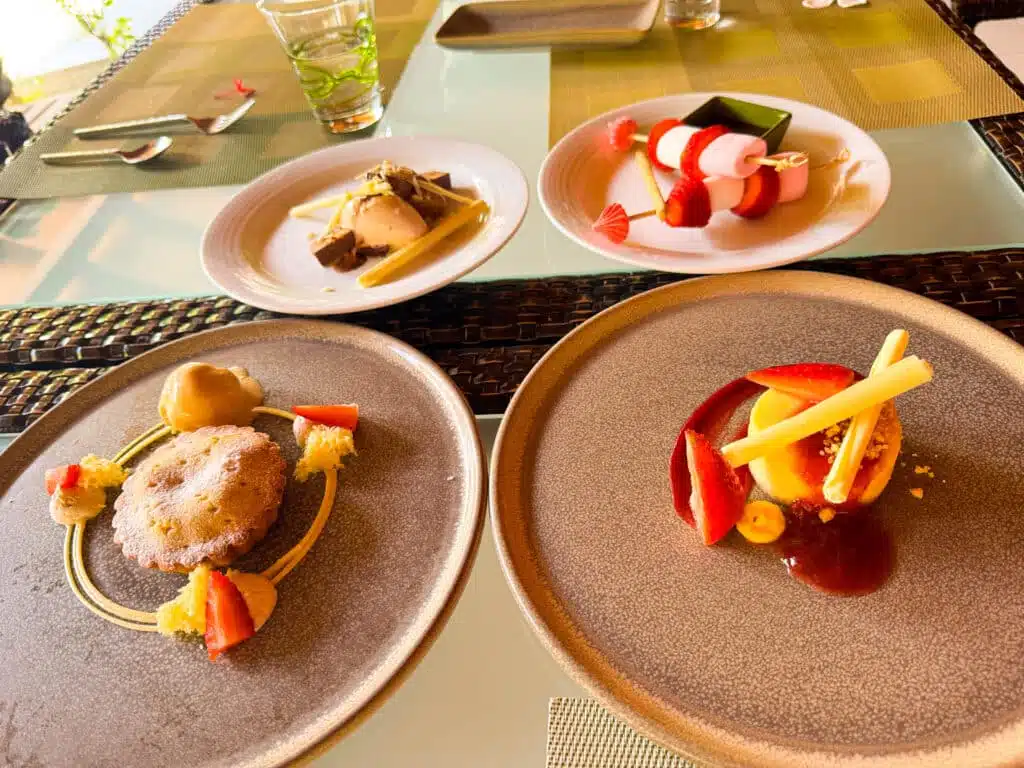
Food Prices on Local Islands
Eating on local islands is significantly cheaper than on resorts, making it a great way to keep your Maldives vacation budget-friendly.
Average Meal Prices on Local Islands
- Local cafés (hedhikaa, short eats): USD 1–3 per snack
- Simple lunch plates (fried rice, noodles, curry): USD 4–7
- Tourist-friendly restaurants: USD 8–15
- Fresh juices: USD 2–4
- Coffee: USD 1–3
Local islands have multiple restaurants and cafés to choose from, giving you flexibility and variety—something you won’t find on a private resort island.
Good to know: Alcohol is not available on local islands. If you want drinks, you can take a short boat trip to a licensed floating bar.
Bottom line: Food on local islands is budget-friendly and varied, while resort dining—especially dinner—can easily become one of the biggest expenses of your Maldives vacation.
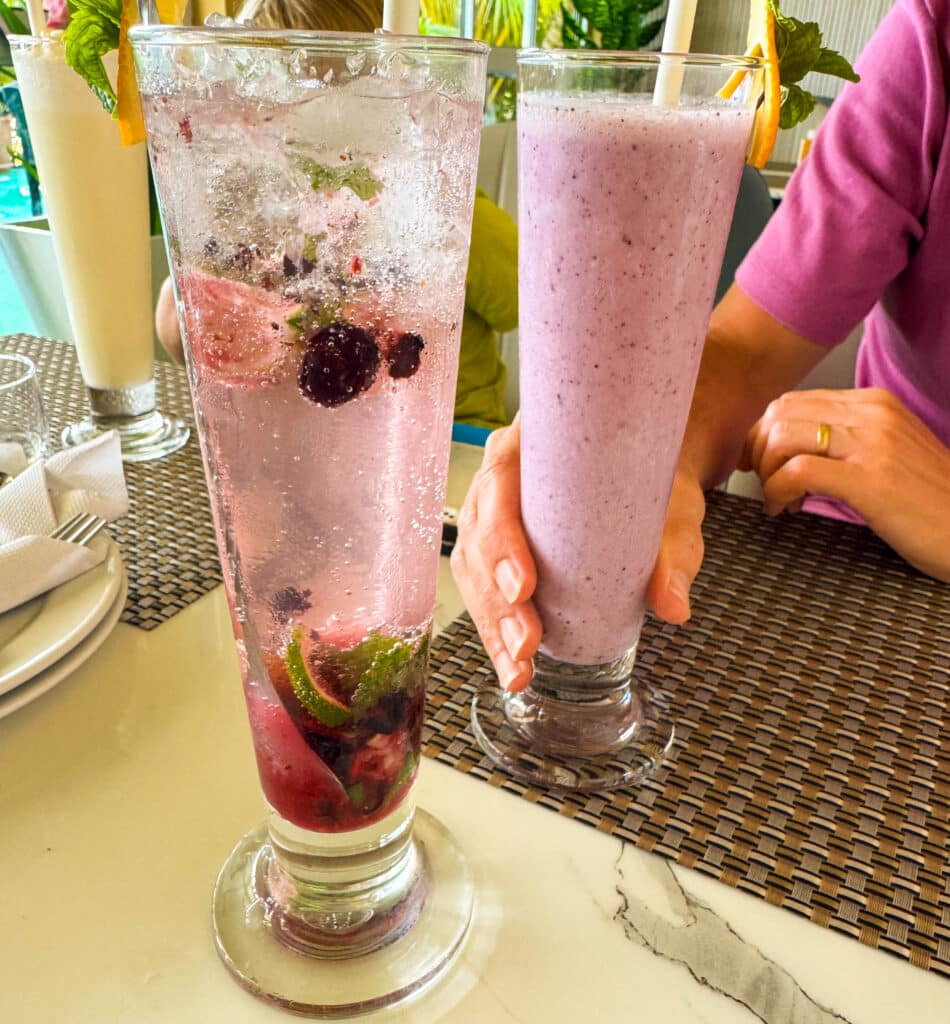
Transfers in Maldives
Transfers are unique in the Maldives—you can’t simply take an Uber. For any Maldives vacation, it’s important to know that how you reach your island depends entirely on the type of island you’re staying on. Transfers can significantly influence both your timing and overall budget.
Transfers for Resorts
Resort islands arrange all transfers for you. You cannot book them independently, and the cost is set by the resort. Most of the times it comes on top of the resort price, even if you book all-inclusive.
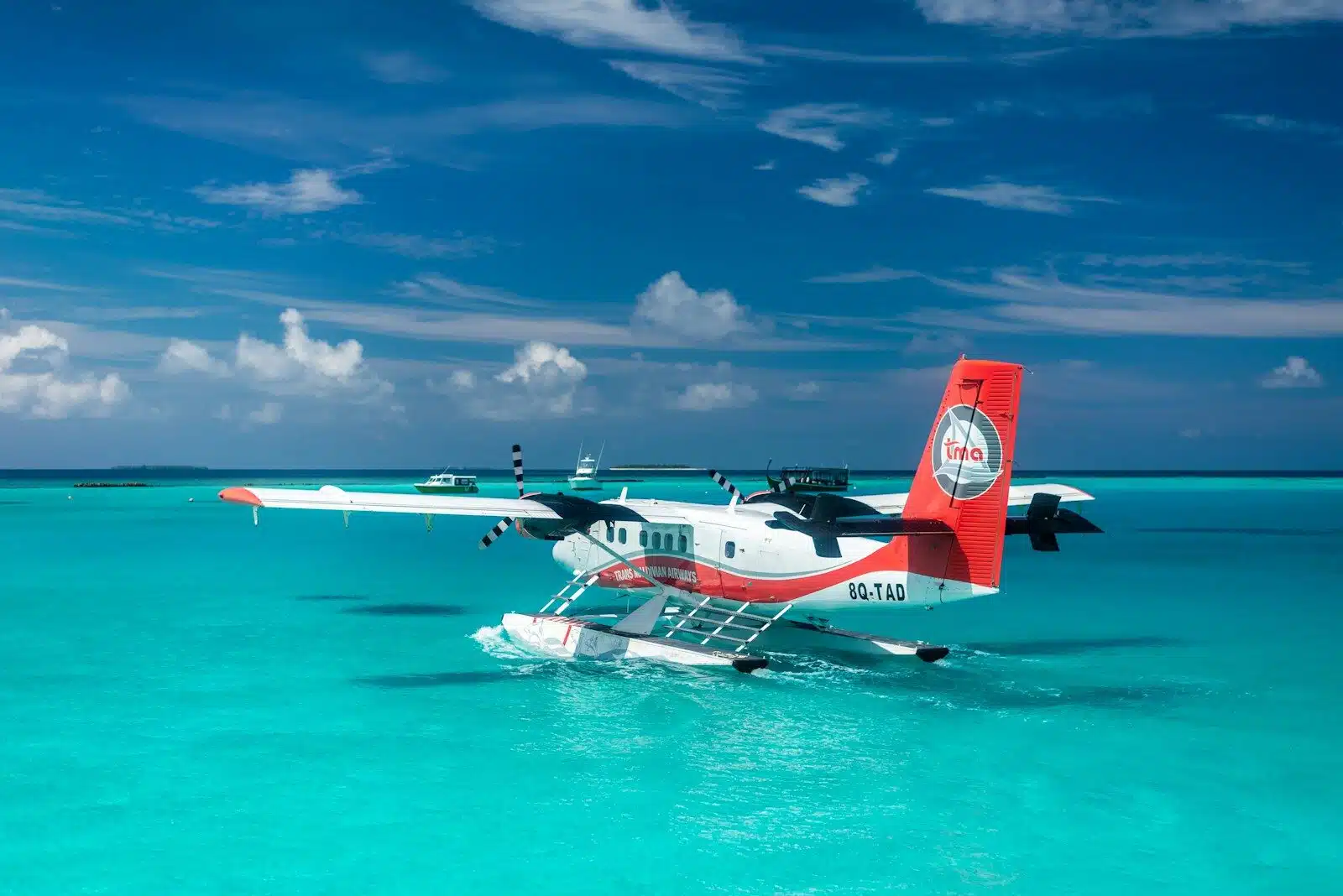
Seaplane Transfers (USD 300–600+ per person)
- A scenic, once-in-a-lifetime experience
- Limited to daylight hours
- Luggage limits apply (usually 20 kg)
- Often used for islands farther from Malé
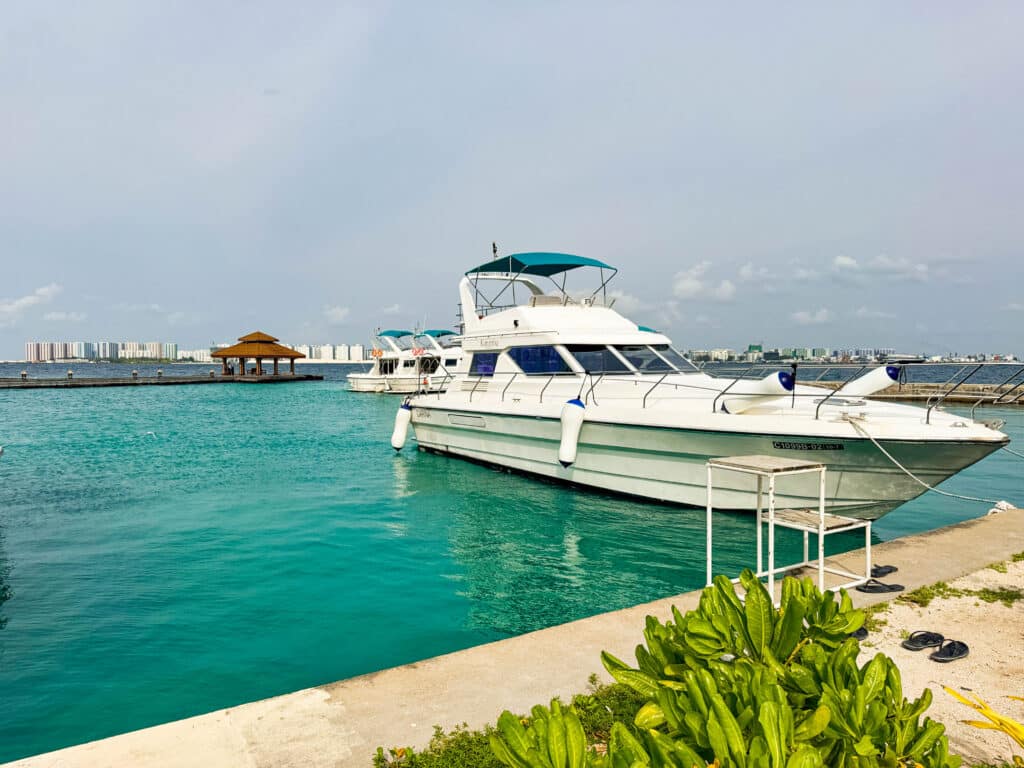
Speedboat Transfers (USD 25–200 per person)
- Fast and straightforward
- Only for islands close to Malé
- Operate day and night, depending on weather
Note: A resort may seem affordable at first, but if it requires an expensive seaplane transfer, your total Maldives vacation cost can increase quickly.
Transfers for Local Islands
Local islands offer several transfer options, usually far cheaper and more flexible than resort transfers.
Public Speedboats (USD 20–50 per person)
- Fixed daily schedules
- Popular routes to islands like Maafushi, Fulidhoo, Thoddoo, Ukulhas
Local Ferries (USD 1–5 per person)
- Very inexpensive
- Much slower (can take several hours)
- Do not operate on Fridays
Private Speedboats (USD 150–300 per boat)
- Best for groups or late-night arrivals
- Can be arranged through your guesthouse
Domestic Flights + Speedboat Transfers
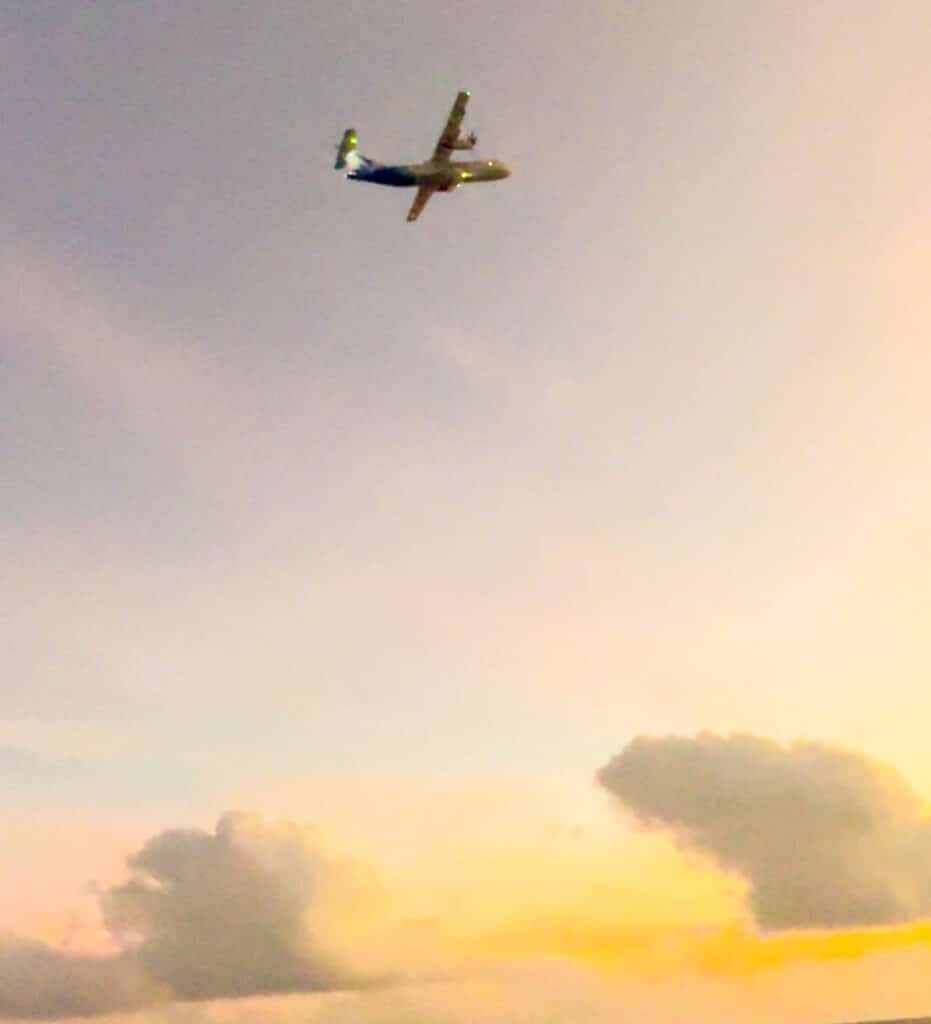
Some local islands—especially those farther from Malé—are easiest to reach via a domestic flight to a regional airport, followed by a short speedboat ride.
- Popular airports include Dharavandhoo (Baa Atoll), Ifuru (Raa Atoll), and Gan (Addu Atoll)
- Domestic flights cost USD 80–200 one way, depending on distance
- Speedboats from the airport to your island usually cost USD 10–40 per person
This option is ideal when the island is too far for a public speedboat or ferry, but you want to avoid expensive seaplane transfers. It’s a great middle-ground solution for keeping your Maldives vacation affordable while still reaching remote atolls.
Navigating Malé International Airport (MLE)
MLE can feel busy, but it’s straightforward once you know where to go. The process differs slightly depending on whether you’re heading to a resort island or a local island, so here’s what to expect:
For Resorts
- Look for your resort’s counter in the arrival hall; staff will handle check-in and transfer coordination.
- If you’re taking a seaplane, you’ll be transferred to the dedicated seaplane terminal for luggage drop-off.
- Seaplane passengers should expect waiting time—especially during peak season.
For Local Islands
- Head to the public speedboat counters at the exit of the arrival hall; staff will guide you to the correct jetty.
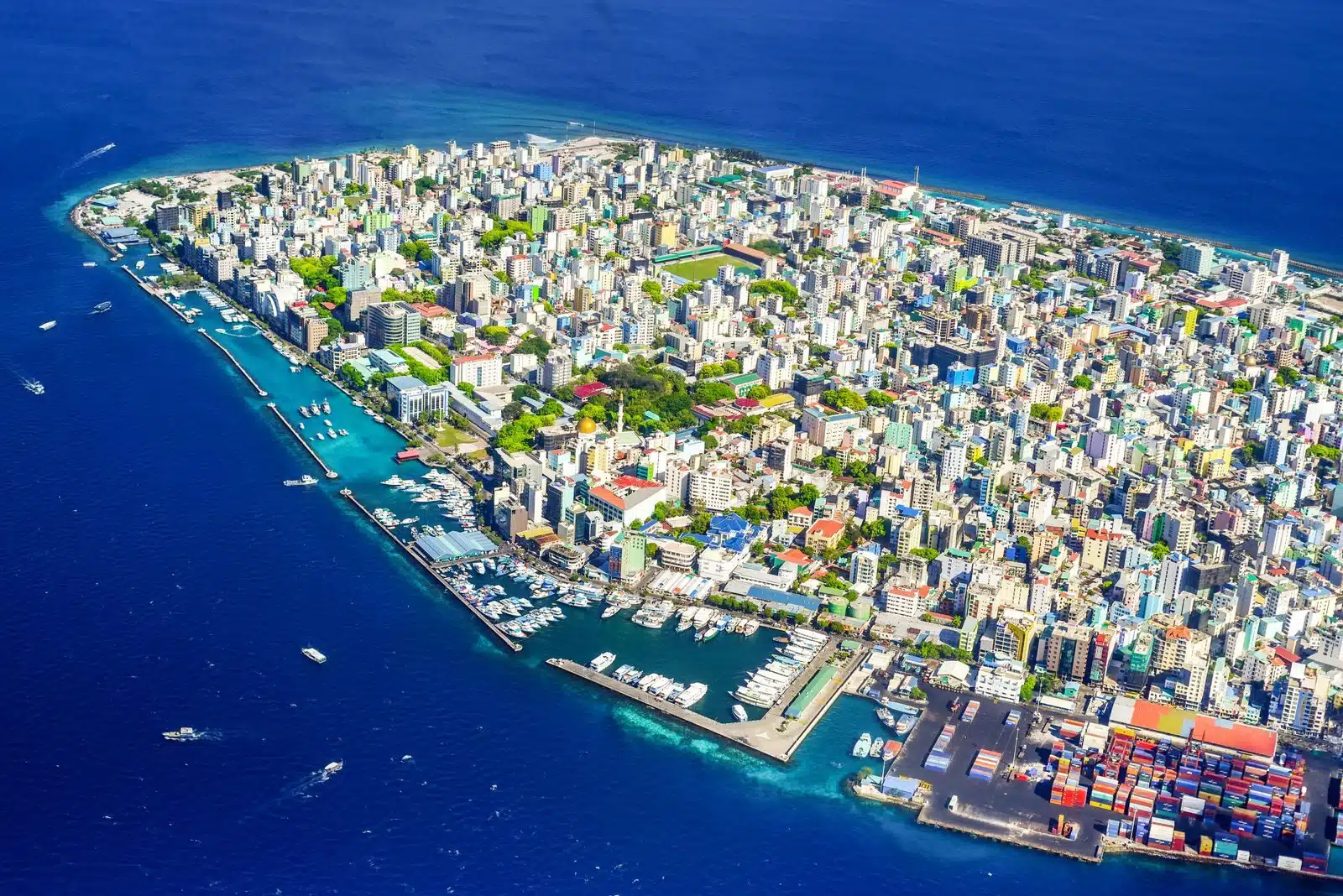
- For public ferries, you’ll need a short taxi ride to the Hulhumalé or Malé ferry terminal.
- Travellers taking a domestic flight will follow signs to the Domestic Terminal, located in the same airport complex.
For All Travellers
- Buy a local SIM or eSIM at the telecom counters in the arrival hall for the best rates, or many travellers now activate a Maldives travel eSIM before arrival, so they have mobile data the moment they land. Popular choices include Airalo and BNESIM, with BNESIM offering 20% off using the code ESIMKGT.
- ATMs are available if you need cash for local islands (resorts generally don’t require it).
The Best Things to Do on Your Maldives Vacation
Even the most relaxing island escape includes moments of adventure. Whether you’re staying on a resort island or a local island, you’ll find plenty of ways to get out on the water, meet marine life, and experience Maldivian culture. f you prefer booking excursions in advance, you can browse popular Maldives snorkelling trips, dolphin cruises, sandbank tours and diving experiences below.
Experiencing the Reefs: Snorkelling, Diving & Swimming with Marine Life
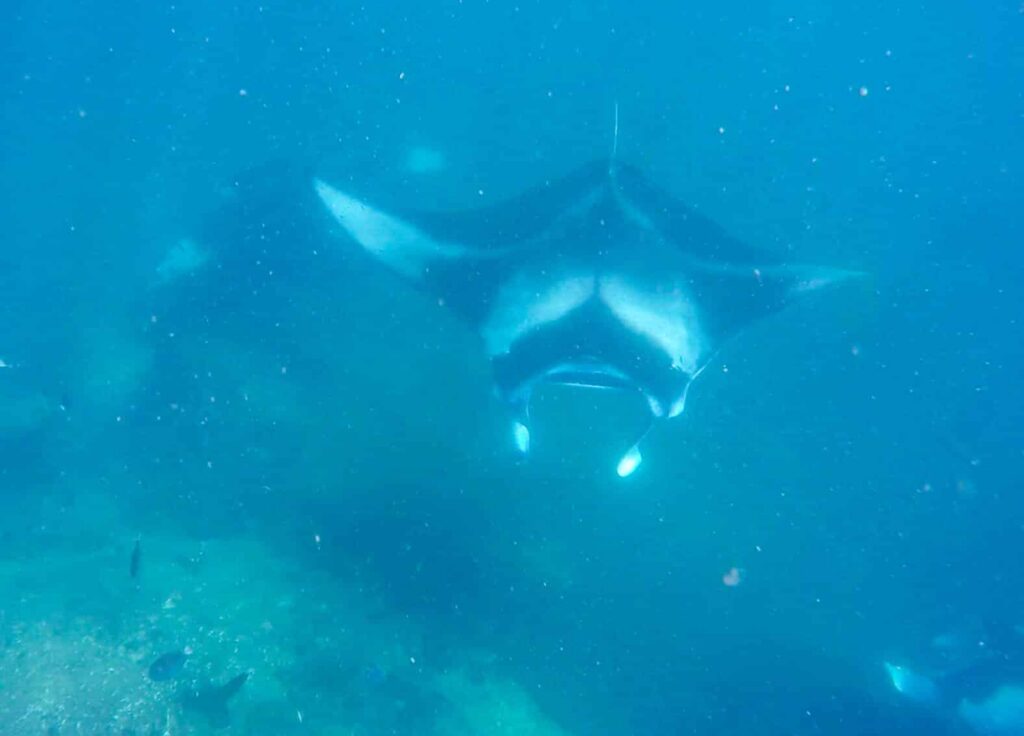
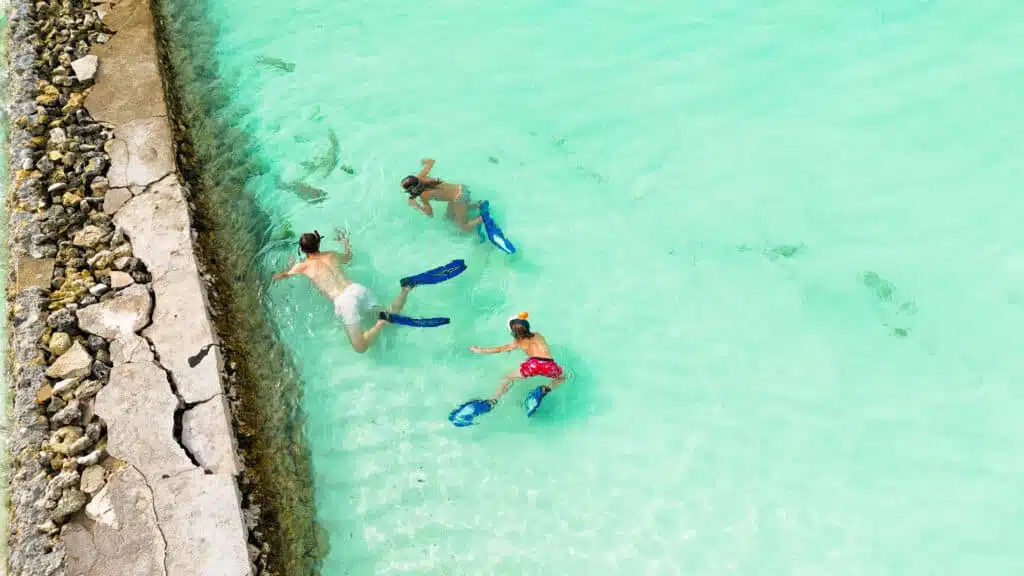
The Maldives is a world-class destination for underwater life, and exploring the reefs is often the highlight of a Maldives vacation. A good house reef makes it easy to step straight into the water and discover colorful coral, reef fish, and turtles—but you can also join boat trips to reach outer reefs and famous channels. Many travellers also book a guided Maldives snorkelling trip to outer reefs and turtle hotspots, which often includes multiple snorkel stops and a chance to see rays or reef sharks.
Popular marine experiences include:
- Snorkelling from the beach on a house reef with coral gardens and reef fish
- Swimming with sea turtles on shallow reefs or turtle cleaning stations. For the best islands and reef locations where sightings are most reliable, read the full Maldives sea turtles snorkelling guide.
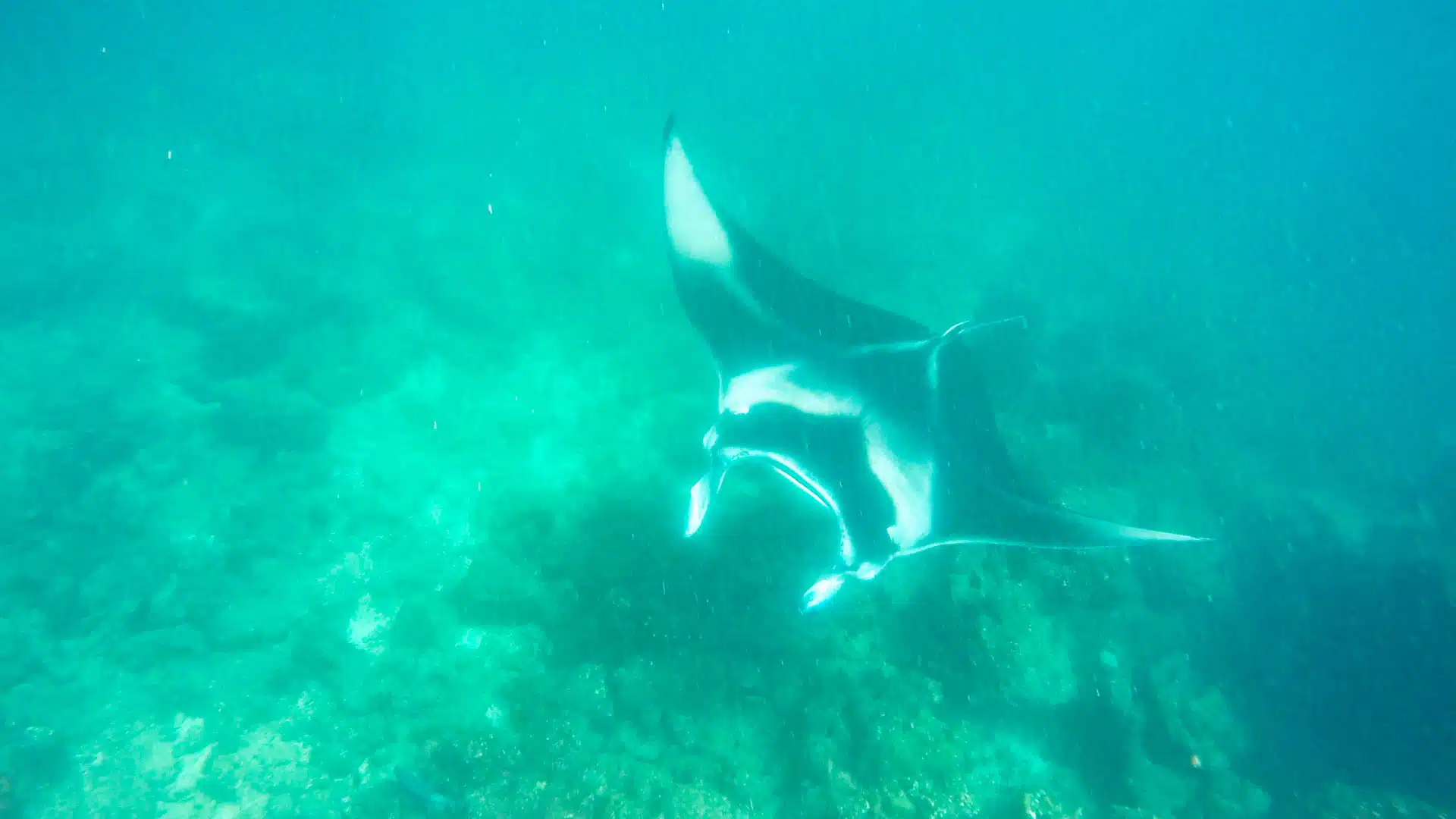
- Swimming with manta rays during season in selected atolls. For the best locations and seasons, read the full Maldives manta ray snorkelling guide.
- Swimming with whale sharks in known hotspots like South Ari Atoll. For the best seasons and locations to see them, explore the Maldives whale shark snorkelling guide.
- Swimming with nurse sharks on dedicated excursions from both resorts and local islands
- Diving at channels, pinnacles, and wrecks for experienced and beginner divers. Divers can explore the best sites, seasons, and marine life in the complete Maldives diving guide.
If seeing whale sharks is high on your bucket list, consider this whale shark snorkelling excursion from Ukulhas, which usually travels south to the famous whale shark area in South Ari Atoll.
These activities can often be booked from both resort islands and local islands, with prices usually lower on local islands. If underwater life is a priority, use this Maldives diving guide to pick atolls and islands known for sharks, mantas, and strong house reefs.
Iconic Excursions, Boat Trips & Cultural Experiences
Beyond the reefs, there’s a whole list of classic experiences that turn a simple beach stay into a truly memorable Maldives vacation.
Some of the most popular things to do include:
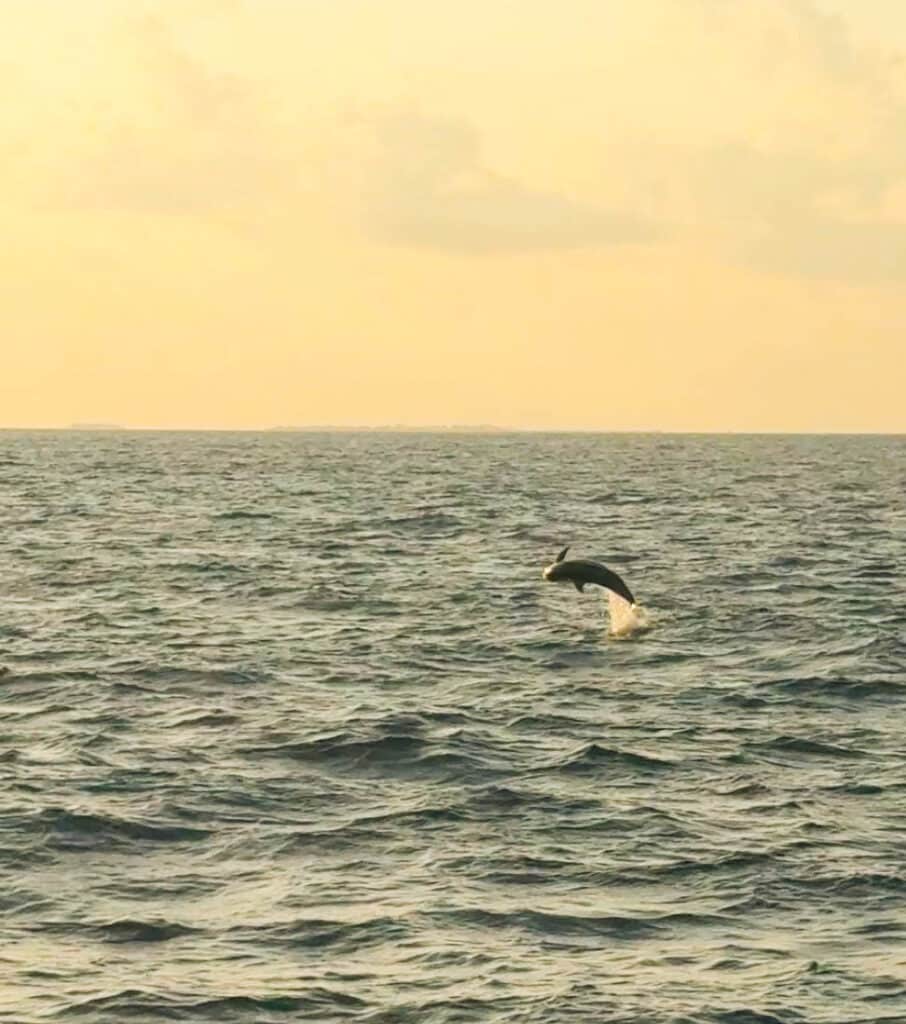
- Sunset cruises — often combined with a dolphin cruise to spot pods playing in the wake of the boat. A favourite evening activity is this Maldives sunset dolphin cruise, where boats search for pods that often play in the waves at sunset.
- Sandbank visits — spending a few hours on a tiny strip of white sand in the middle of a turquoise lagoon. Many visitors combine this with snorkelling or a picnic — this Maldives sandbank snorkelling tour is one of the most popular ways to experience it.
- Picnics on a sandbank — complete with umbrellas, cushions, and simple meals or BBQs
- Local island visits from a resort — to experience Maldivian village life, mosques, cafés, and shops
- Resort day visits from a local island — using a day pass to enjoy pools, bars, and facilities at a nearby resort
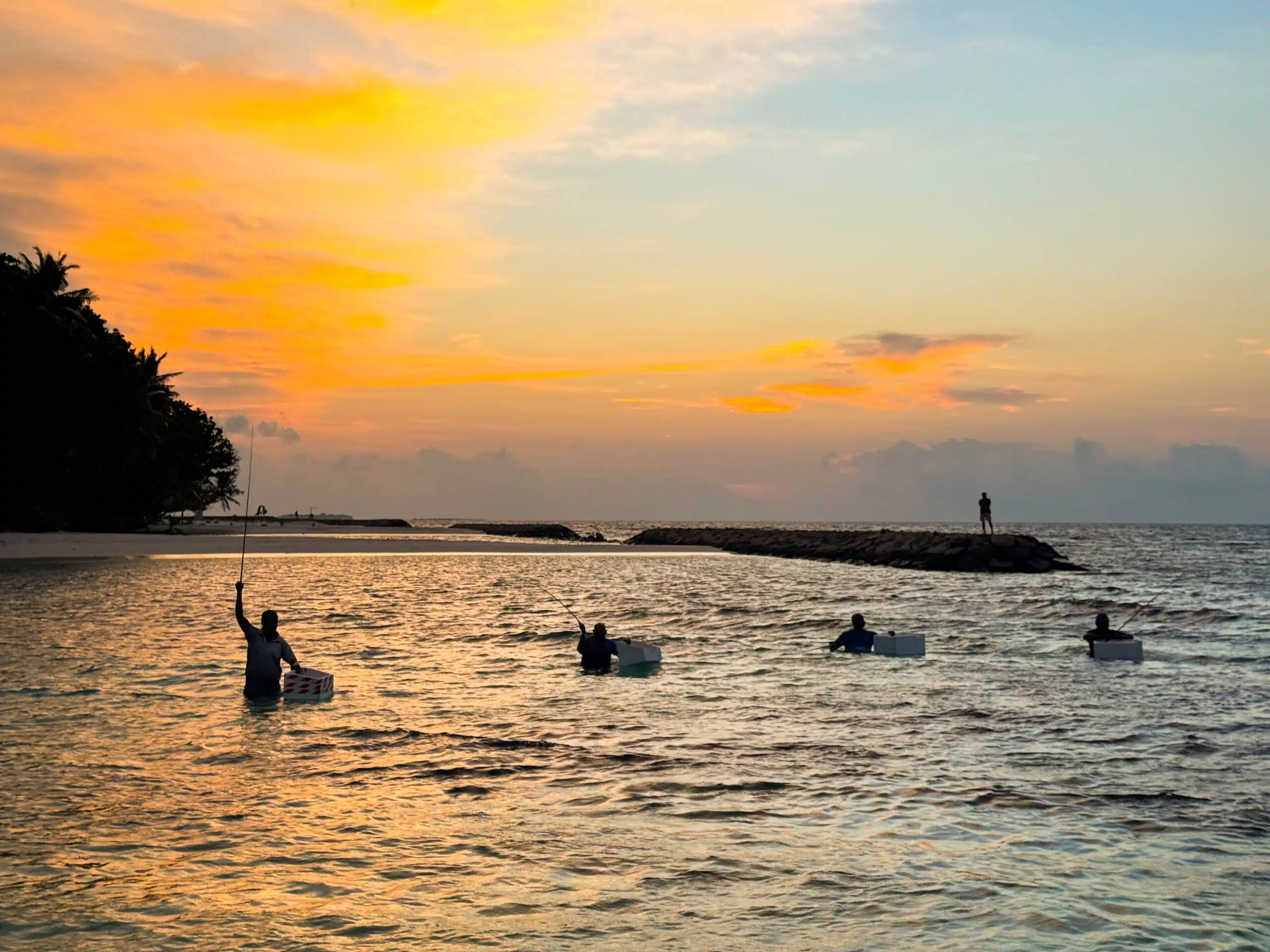
- Fishing trips — from traditional sunset fishing to night fishing and big game trips
- Dedicated photoshoots — with a local or resort photographer on the beach, at a sandbank, or in the water
Many of these excursions can be booked whether you’re staying on a private resort or a local island; the main difference is often the level of comfort and the price.
Essential First-Timer Tips and What to Pack
Your Maldives vacation will feel smoother with a few practical tips.
Cultural Dos and Don’ts
- Dress modestly on local islands
- Alcohol is only available at resort islands or floating bars
- Fridays are slower-paced across the country
The Ultimate Maldives Packing List
Packing for a Maldives vacation depends on whether you’re staying on a resort island, a local island, or a combination of both. While resort islands allow typical beachwear everywhere, local islands follow modest dress guidelines—so packing consciously makes your trip much easier.
Here’s what to bring:
- Reef-safe sunscreen (a must!) – The sun is intense year-round, and many resorts require reef-safe options.
- Quick-drying clothing – Light dresses, shorts, T-shirts, linen shirts.
- Swimwear + cover-ups – Perfect for resorts and bikini beaches.
- Modest clothing for local islands – Think:
- Knee-length dresses or skirts
- Loose trousers or linen pants
- T-shirts or tops that cover shoulders
- A lightweight scarf to throw over shoulders when walking through villages
- Underwater camera – Essential for snorkel trips with turtles, manta rays, or nurse sharks.
- Water shoes – Useful on coral-heavy beaches or during sandbank visits.
- A light shawl or cardigan – For breezy evenings or boat rides.
Tip: Even if you spend most of your trip on a resort island, pack at least one modest outfit—you may visit a local island or pass through one during a transfer.
Conclusion
A Maldives vacation becomes far easier to shape once you understand how the islands, transfers, budgets, and experiences fit together. Whether you are dreaming of a secluded resort stay, a relaxed local island escape, or a combination of both, the key is choosing the setting that matches your travel style.
With the basics clear, planning your Maldives vacation shifts from logistics to inspiration — selecting the island that feels right, deciding which marine encounters you want to experience, and shaping a trip that balances relaxation with adventure.
If you’re still planning your trip, these guides will help you take the next step:
- Find the right resort for your budget in the Best Maldives Resorts by Budget guide
- Discover affordable guesthouse islands in the Top Local Islands in the Maldives guide
- Plan your excursions with the Top Activities in the Maldives guide
🌴 Plan Your Maldives Trip
🏨 Still looking for the right stay? Browse all resorts in the Maldives or hotels & guesthouses on local islands — free cancellation on most rooms.
✈️ Flights: Compare routes and prices for flights to the Maldives.
📱 Stay connected: Skip the airport SIM queue — get a Maldives eSIM from Airalo before you fly. We use Airalo ourselves on every trip.
🔒 Travel insurance: Medical help in the Maldives often means evacuation by seaplane — don't skip travel insurance for the Maldives.
🤿 Tours & activities: Browse snorkelling trips, dolphin cruises and excursions across the Maldives, or check liveaboard diving trips.
💳 Money: Avoid card fees abroad with a free Revolut account.
Some links on this page are affiliate links. Booking through them costs you nothing extra and helps us keep this site running — thank you!
Frequently Asked Questions about Your Maldives Vacation
Is 4 days enough for a Maldives vacation?
Yes, 4–5 days is enough for a Maldives vacation if you stay on one island and focus on relaxing, snorkelling, and enjoying the beach. Many travellers choose this length for a quick tropical escape. However, if you want to combine multiple islands, try diving, or take several boat excursions, a stay of 7–10 days allows for a more balanced and relaxed experience.
Should I book All-Inclusive in the Maldives?
All-inclusive plans are often worth it on resort islands because dining and drinks can be expensive and there are usually no alternative restaurants nearby. An all-inclusive package simplifies budgeting and avoids unexpected costs during your stay. On local islands, meal plans are rarely necessary since guesthouses are surrounded by cafés and small restaurants where you can eat affordably.
Is the Maldives safe for tourists?
The Maldives is widely considered a very safe destination for travellers. Crime affecting tourists is rare, particularly on resort islands where access is controlled. On local islands, the atmosphere is generally relaxed and welcoming. The main safety consideration is the ocean: always respect currents, follow snorkelling guidelines, and listen to advice from local guides or resort staff.
Do you need a visa for a Maldives vacation?
Most nationalities receive a free 30-day visa on arrival when entering the Maldives. Travellers must have a passport valid for at least six months, proof of accommodation, and a confirmed onward or return ticket. You will also need to complete the online IMUGA traveller declaration before arrival. The process is straightforward and usually takes only a few minutes to complete.
What is the best time for a Maldives vacation?
The most popular time for a Maldives vacation is during the dry season from December to April, when the weather is sunny, seas are calm, and visibility for snorkelling is excellent. The wet season from May to November brings occasional tropical showers but also lower prices and fewer crowds. Marine life encounters, including manta rays, can be especially good during these months.
How do you get to your island in the Maldives?
After arriving at Malé International Airport, travellers continue to their island by speedboat, seaplane, or domestic flight followed by a short boat transfer. Resorts arrange transfers for guests automatically, while local island travellers often book public speedboats or ferries. Transfer type depends mainly on distance from Malé and can significantly affect both travel time and overall trip cost.
Related Blogs
Other Maldives Travel Tips
Trip to Maldives: Essential Information on Islands, Visa, Vaccinations & Entry Requirements
Best Time to Go to Maldives: Weather, Climate & Seasonal Tips for Your Perfect Island Vacation
How Much Does it Cost to Travel to Maldives? Budgeting for Resorts, Local Islands & Activities
Maldives Culture & Religion: What Every Traveller Should Know Before Visiting Local Islands
Do You Need Vaccinations to Go to Maldives? Health and Safety Checklist for Travellers
Maldives Travel Visa Guide: Requirements, Process & Tips for Hassle-Free Entry
How to Plan a Trip to Maldives Like a Pro: Insider Tips for Easy Local Island Transfers
Is Maldives Worth the Money? Honest Comparison with Sri Lanka
Maldives Local Islands vs Resorts: What Should You Choose?
Maldives with Kids: Resorts vs Local Islands
Other Maldives Blogs
How to Choose a Maldives Resort: The Complete Decision Guide
Best Maldives Resorts by Budget: Top Affordable, Mid-Range & Luxury Island Escapes
Best Hotels on Local Islands in Maldives (By Budget): Complete Guide for 2026
How to Choose the Best Atoll in Maldives: A Complete Area & Stay Guide
Top Activities in Maldives: Snorkelling, Diving & Swimming with Manta Rays
Best Hotel in Maldives Island: Top Luxury, Boutique & Affordable Stays for Every Traveller