Table of Contents
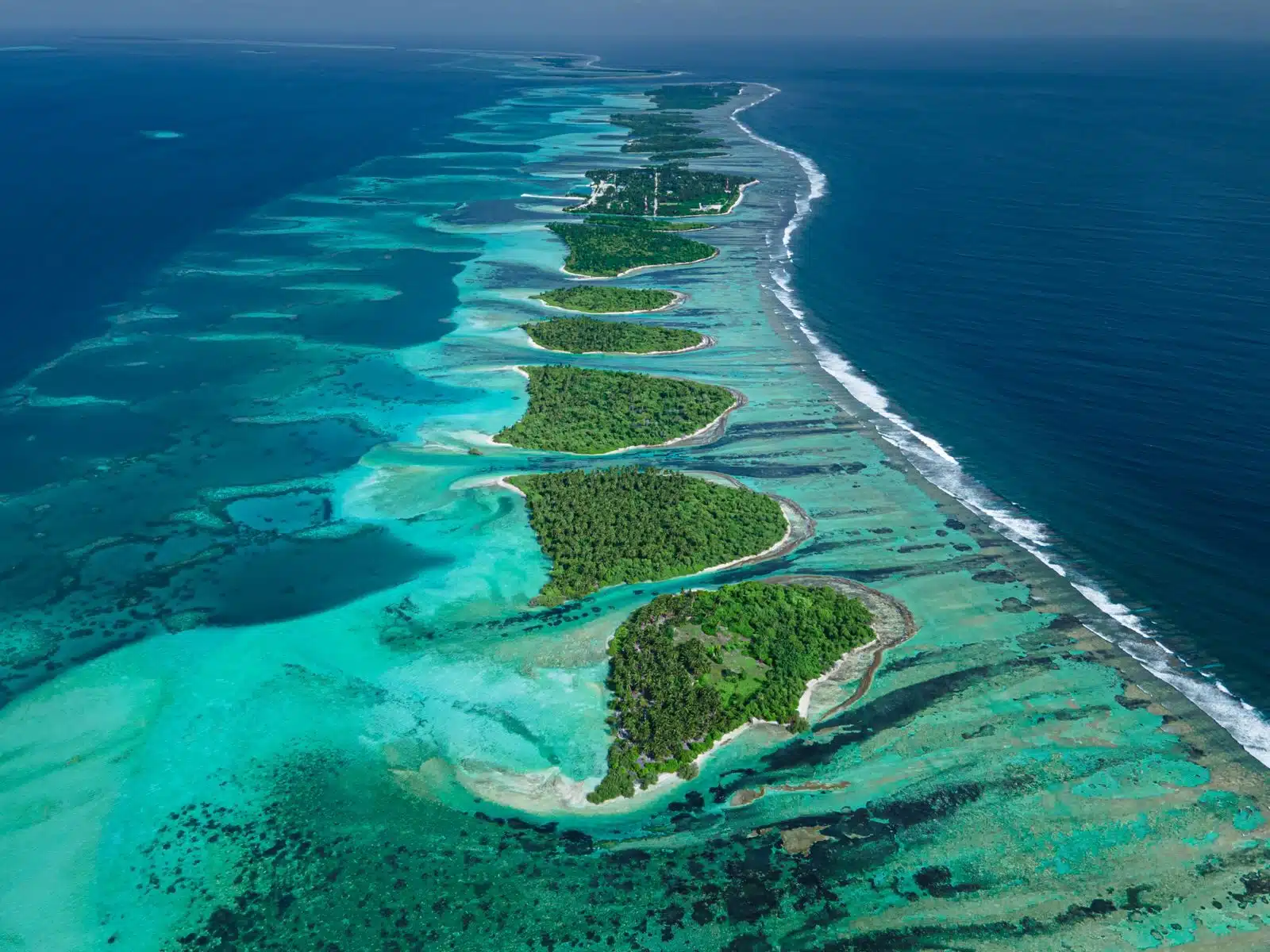
A trip to Maldives often looks simple in photos: white sand, turquoise water and villas above a lagoon. The reality behind those images is a little more layered. More than a thousand islands are scattered across the Indian Ocean, each operating almost like its own tiny world with its own transfers, rules, reefs and rhythms.
That is exactly what makes planning both exciting and slightly overwhelming for first-time visitors. The type of island you choose, how you reach it, what you eat, when you travel and even how strong the house reef is can completely shape the experience once you arrive.
Understanding these pieces early changes everything. When the logistics make sense — from visa rules and entry forms to transfers, meal plans and hidden costs — the Maldives stops feeling complicated and starts to feel exactly as it should: effortless, remote and quietly extraordinary.
In a Rush?
These are my Favourite Resorts in Maldives
- ⭐️⭐️⭐️ Joali Maldives – Check Prices and Availability
- ⭐️⭐️ Hard Rock Hotel Maldives – Check Prices and Availability
- ⭐️ Kandolhu Maldives – Check Prices and Availability
Maldives Trip at a Glance
Before diving into the details, here is a quick overview of the most important planning elements for a smooth Maldives experience.
| Topic | What You Need to Know |
|---|---|
| Visa | Free 30-day tourist visa on arrival for most nationalities |
| Entry Form | IMUGA declaration required within 96 hours before arrival and departure |
| Transfers | Speedboat, seaplane or domestic flight arranged by resort |
| Budget Drivers | Transfers, taxes (20–26%), meal plan, excursions |
| Best Weather | December–April (drier season) |
| Local Rules | Modest dress on local islands, no alcohol outside resorts |
| Stay Style | Private resort islands vs inhabited local islands |
3 Crucial Decisions Before You Book
A successful trip to Maldives starts with three big decisions: whether to stay on a private resort or local island, which meal plan fits your budget and travel style, and what time of year offers the best balance of weather and price. On top of that, you need to understand visa rules, vaccinations, transfers, hidden costs and what you can realistically do on one island so your dream trip to Maldives is both magical and financially under control.
Insider mindset
- Decide what matters most: reef quality, privacy, budget, family facilities or culture; you rarely get all of these at once, so rank them before you search.
- Build a rough “total trip cost” at an early stage by adding room rate + transfers + taxes + estimated food and excursions; this stops the Maldives from turning into a slow-motion budget shock.
Decision 1: Resort Island vs Local Island
The first big choice is whether to stay on a private resort island or a local island with guesthouses. This decision shapes your budget, activities, alcohol availability and how much Maldivian culture you actually experience. If you already know you want the classic private-island experience, Hard Rock Hotel Maldives is a strong first resort to check for easy transfers, family-friendly facilities and a more straightforward first trip to Maldives.
Maldives resort vs local island at a glance
| Factor | Resort Island (Private) | Local Island (Inhabited) |
|---|---|---|
| Budget | Higher nightly rates. 4–5* pricing, food, drinks and activities often priced like luxury city hotels | Guesthouses from budget to boutique, local cafés, bakeries and “short eats” can be very affordable |
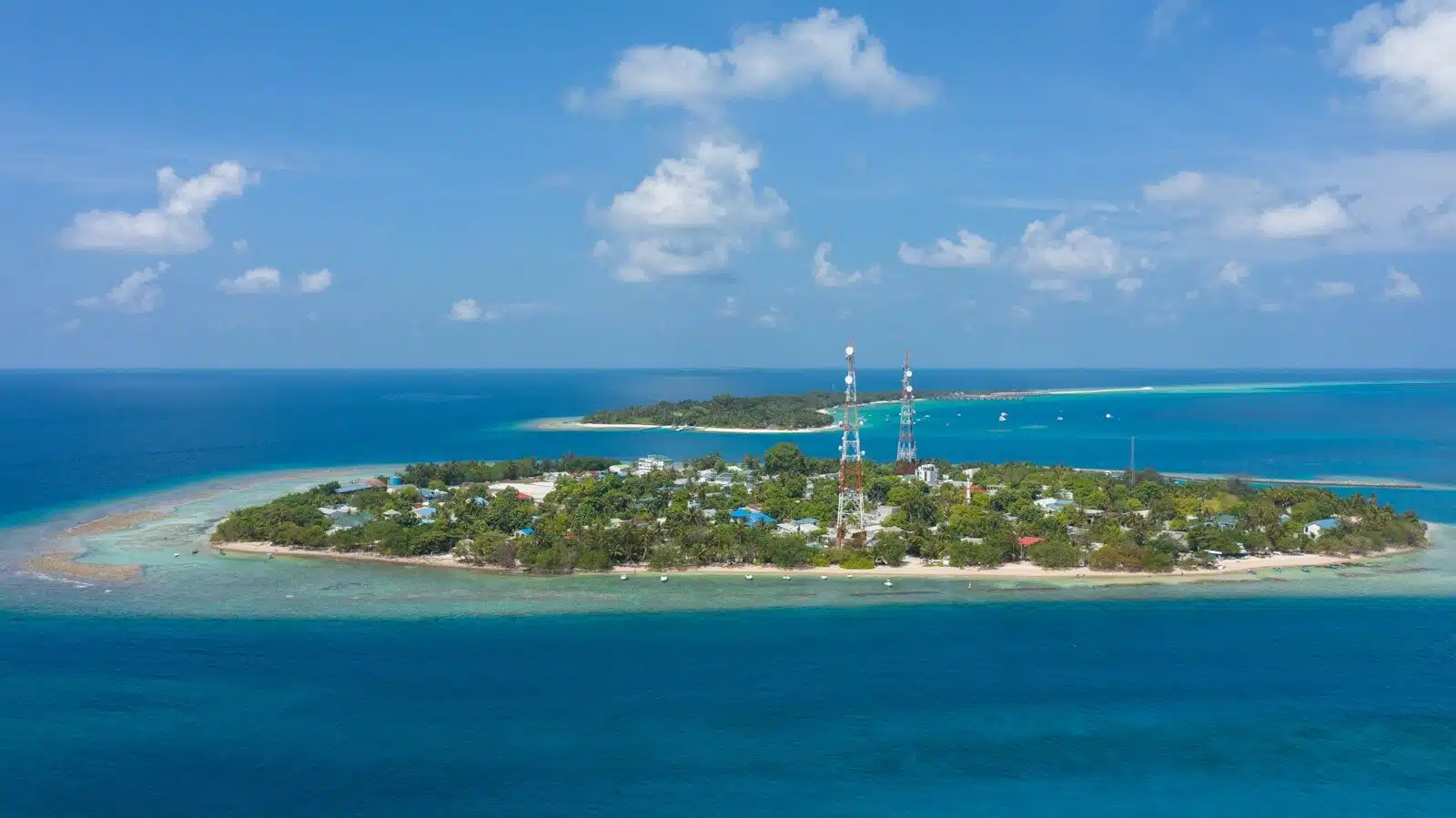
| Atmosphere | Secluded, curated, honeymoon-style, feels like a private bubble | Everyday island life: school children, fishermen, evening strolls on the harbour |
| Alcohol | Freely served in bars and restaurants on resort islands | Not allowed on land, some islands use offshore “floating bars” or boats for tourists |
| Dress code | Bikinis and resort wear everywhere on the beach and by the pool | Modest clothing off the bikini beach, think shoulders and thighs mostly covered |
| Transfers | Private speedboat, seaplane or domestic flight arranged by resort | Public ferries and shared speedboats possible but slower and less frequent |
| Activities | Wide range of excursions, spa, water sports and kids’ clubs on site | Simpler but often cheaper trips run by local operators, great value diving and snorkeling |
Resort Island Pros & Cons

Pros
- Seamless, all-in-one holiday with transfers, meals and activities easily arranged through the resort.
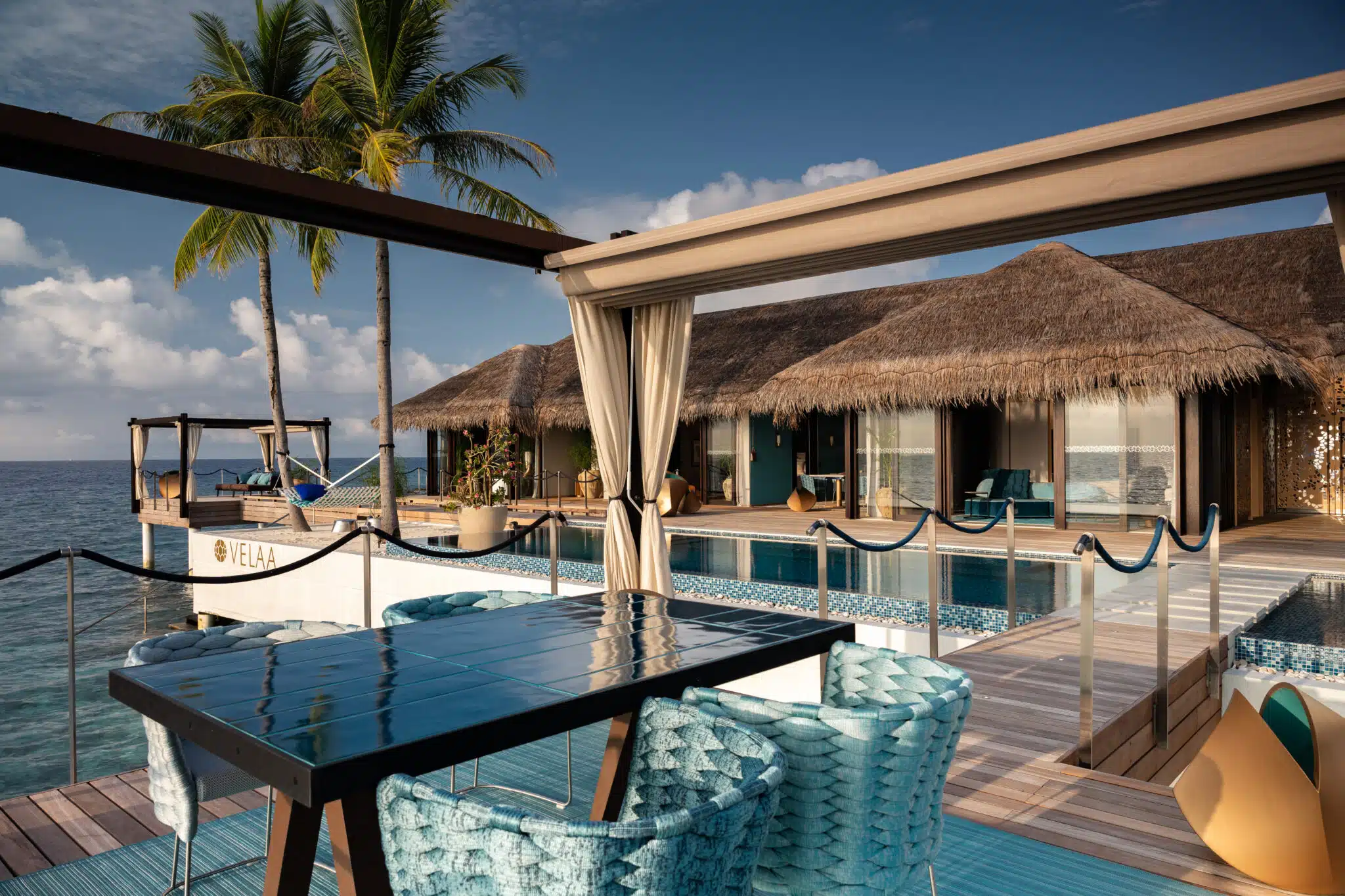
- Overwater villas, infinity pools, private beaches and easy access to house reefs create the iconic Maldives postcard.
- Alcohol and Western-style dining are readily available, with sunset cocktail spots and curated wine lists
Cons
- Prices can escalate quickly once you add seaplane transfers, 20–26% taxes and service charges on every bill plus paid excursions.
- You see less real Maldivian life, as resort islands are often uninhabited islands dedicated purely to tourism.
Insider tips for resorts
- Look for resorts with kids stay/eat free or “seaplane included” offers if travelling as a family; these can significantly cut total costs.
- Check if your resort has “island time” (one hour ahead of Malé) because it affects excursion times and your perception of daylight on short winter trips.
- Many resorts have different “zones” (family, adults-only, quiet reef sides); study the map or ask room-specific questions so you do not accidentally end up near a noisy jet-ski dock.
Local Island Pros & Cons

Pros
- Guesthouses and local cafés make a trip to Maldives much more affordable and sustainable for longer stays.
- You experience Maldivian culture up close: evening football games, tea shops, Maldivian snacks (hedhikaa), mosques and harbour life
Cons
- Alcohol is not served; trying to sneak it in is illegal and leads to confiscation at the airport.
- Restaurants and activities are simpler, and you may need to be flexible with timings due to tides, weather or shared boat schedules.
Insider tips for local islands
- Ask your guesthouse which beach is the bikini beach, and cover up fully as soon as you step off that sand; locals really notice and appreciate this.
- Eat where locals eat: tiny cafés serving curries, tuna dishes and “short eats” are cheap, authentic and often a highlight of a local-island trip.
- Public ferries are extremely cheap but slow; use them if you enjoy the journey itself (snacks, people-watching, sea views) rather than if you are on a tight schedule.
Decision 2: Choosing Your Meal Plan
Your meal plan can make or break your overall budget of your trip to Maldives because food and drinks are expensive due to import costs and high taxes. Resorts typically offer B&B (bed and breakfast), Half Board, Full Board and various All-Inclusive plans. If you are ready to turn the practical planning into an actual booking, you can start by checking Best Hotel in Maldives Island: Top Luxury, Boutique & Affordable Stays for Every Traveller.

All-Inclusive: The Cost-Control King
All-inclusive is often the most predictable option for a trip to Maldives, especially if you enjoy drinks and snacks throughout the day. You usually get three meals plus selected alcoholic and non-alcoholic drinks and sometimes non-motorised water sports or simple excursions.
Insider tips for all-inclusive
- Scrutinize the “AI exclusions” list; premium spirits, à la carte restaurants and room service often cost extra even on all-inclusive plans.
- Calculate how many drinks and “extras” your group realistically consumes per day; if you are light drinkers, a generous Half Board with paid drinks might be better value.
- On local islands, “all-inclusive” usually means all meals and some activities, not alcohol, so check what is actually bundled
All-inclusive makes sense if you:
- Drink alcohol daily or enjoy cocktails and smoothies.
- Prefer not to track every expense during your trip to Maldives.
- Plan to spend most of your time on the island rather than off-island excursions.
Half Board: The Best Balance
For many travellers, Half Board (breakfast + dinner) is the sweet spot for a trip to Maldives. You start with a large breakfast, explore or take excursions at midday, and return for a relaxed dinner. Lunch can be light snacks, a shared dish, or food included on full-day tours.
Insider tips for Half Board
- Prioritise resorts with good breakfast spreads and varied dinner buffets so you do not get “menu fatigue” after a few days.
- Bring a small stash of snacks (nuts, cereal bars, baby food pouches if travelling with kids) from home; this fills the lunch gap without resort prices.
- Check if drinking water is included at meals or chargeable; daily bottled water costs add up surprisingly fast in the Maldives heat.
Half Board works best if you:
- Don’t drink much alcohol or are happy to pay for a few drinks separately.
- Plan to do snorkeling, diving or excursions over lunchtime.
- Want more flexibility than full All-Inclusive without going fully à la carte.
Decision 3: The Right Time to Go
The timing of your visit influences weather, price, visibility for snorkeling and diving and even which marine life you are likely to see. The Maldives has warm temperatures year-round but shifts between a drier northeast monsoon and a wetter southwest monsoon. If your travel dates are still flexible, Best Time to Go to Maldives helps you match weather, prices and marine life to the kind of trip you want.

Dry vs wet season, with local-style nuance
- Best weather (dry season): November to April brings calmer seas and more sunshine, especially January–March.
- Low season (wet season): May to October has more rain and wind, but storms often pass quickly and you get lower prices and emptier resorts.
Insider seasonal tips
- If you are prone to seasickness and rely on speedboats, stick closer to the calmest months or choose islands that are a short transfer from Malé.
- Manta rays and whale sharks can be more seasonal; certain atolls and times of year are known for higher chances of encounters, so divers should time a trip around those windows rather than just “dry season”.
- Shoulder months (late November, early December, late April) often combine good weather with better deals and slightly fewer families or honeymoon crowds.
If your dates are fixed due to school holidays or work, focus on choosing the right atoll, transfer type and island orientation (for example, a lagoon sheltered from dominant winds) rather than chasing perfection.
Getting There: Flights, Transfers and the Seaplane

Arriving at Malé (MLE) and Visa Requirements
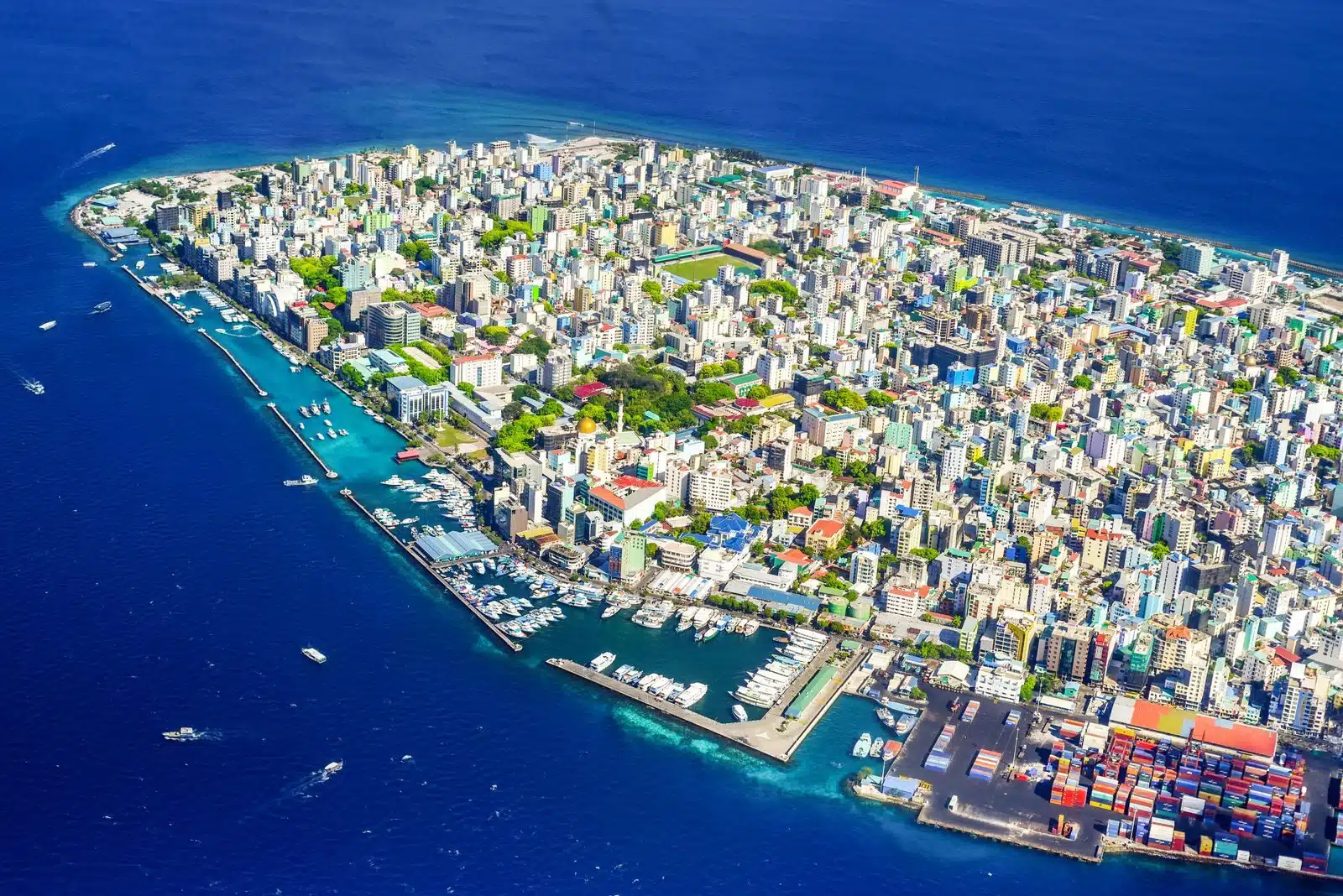
Most international flights land at Velana International Airport (MLE) near Malé, the main entry point for any trip to Maldives. From there, your resort or guesthouse becomes your “second airport” because you must continue by speedboat, seaplane or domestic flight depending on where you stay. For a more detailed breakdown of documents, timing and common mistakes, see our Maldives Travel Visa Guide.
For most nationalities, a free 30-day tourist visa is granted on arrival as long as you have a valid passport, confirmed accommodation and a return or onward ticket. Your passport must be valid for at least one month beyond your stay, although many airlines prefer six months to avoid issues at check-in.
Key entry steps for your trip to Maldives
- Submit the mandatory IMUGA Traveller Declaration online for both arrival and departure within 96 hours of your flight time.
- Have your hotel or resort confirmation (or first guesthouse) handy, plus rough dates and island names for any onward stays.
- Keep proof of onward travel and a working credit card available in case immigration asks about funds.
Insider IMUGA tips
- Use only the official IMUGA website and avoid third-party “form filling” sites that charge fees – the form is free.
- Fill it once your flights are final, but not earlier than 96 hours before arrival; if your flight changes, resubmit a fresh form so the QR code matches your new details.
- Screenshot or print the QR code for each traveller; some airlines check it at boarding, and immigration may ask to see it at MLE.
Insider airport tips
- Pack swimwear and basic toiletries in your cabin bag; if your room is not ready when you reach the island, you can still swim or shower at the resort’s day facilities.
- At arrival, ignore unofficial “helpers” in the hall and go straight to your resort or hotel counter in the arrivals hall; they will coordinate your onward transfer.
Vaccinations and Health Requirements

There are no special routine vaccination requirements for travellers arriving directly from most of Europe, North America or many parts of Asia. However, if you are arriving from or have recently transited through a country with a risk of yellow fever, you must show a valid yellow fever vaccination certificate at entry.
Health authorities recommend that you are up to date with standard travel vaccines such as MMR, diphtheria–tetanus–pertussis and hepatitis A and B before your trip to Maldives. It is also smart to carry a compact travel kit with sea-sickness tablets, pain relief, reef-safe sunscreen, after-sun, plasters and any personal prescription medicines. If you want the full health checklist before departure, read Do You Need Vaccinations to Go to Maldives?
Insider health tips
- Sun and dehydration are bigger real-world issues than exotic diseases in the Maldives; drink water constantly and reapply high-SPF reef-safe sunscreen.
- Many islands have basic clinics but not full hospitals; for anything serious you may be evacuated to Malé or abroad, so good travel insurance is essential.
- If you are prone to motion sickness, bring tablets or patches specifically for boats and seaplanes; lagoon chop and bumpy takeoffs can catch first-timers off guard.
Understanding Resort Transfers and Logistics
Transfers are one of the trickiest parts of planning a Maldives holiday and often feel like a hidden “fourth cost” after flights, accommodation and food. Your resort or guesthouse usually controls the booking of transfers, especially seaplanes, and you almost never book those independently.
Speedboat transfers
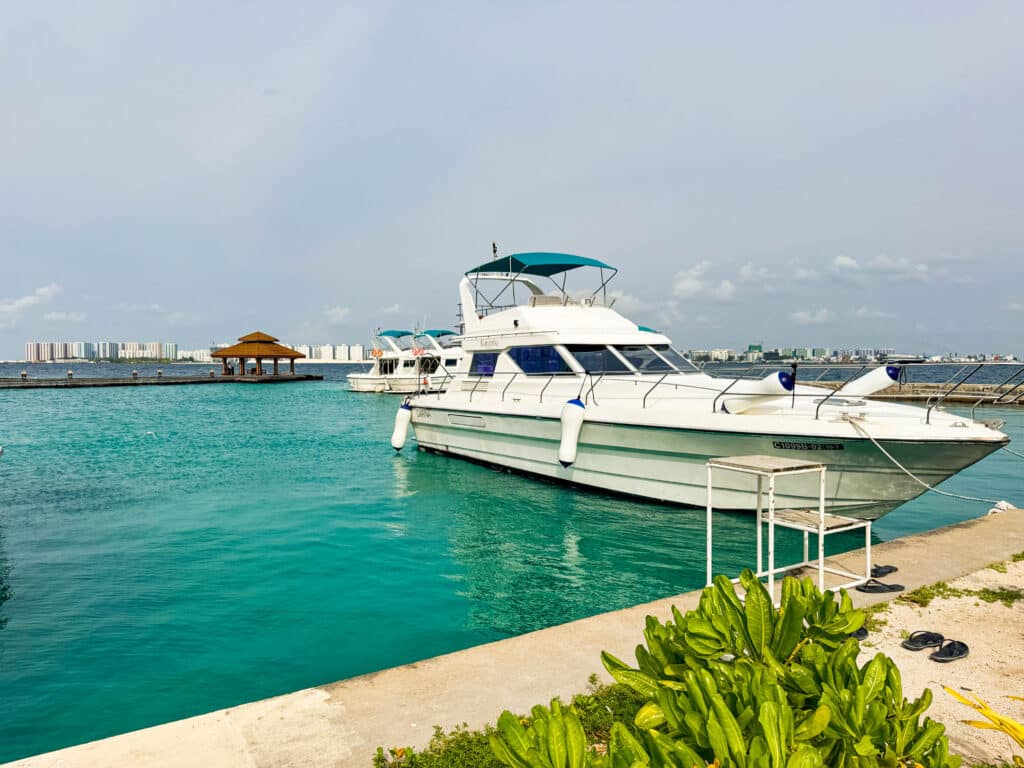
Speedboats serve islands close to Malé, especially in North and South Malé Atolls. They are cheaper than seaplanes and run in most weather, with journey times typically 20–60 minutes depending on distance.
Insider tips for speedboats
- If you get seasick, try to sit near the back where motion can feel slightly gentler and keep your eyes on the horizon.
- Night arrivals are usually handled by speedboat, which is why many first-timers choose a speedboat-accessible island when they cannot avoid a late flight.
- Ask in advance whether your resort provides shared or private speedboats and how often they run; irregular schedules can mean waits of an hour or more at the jetty.

Seaplane transfers
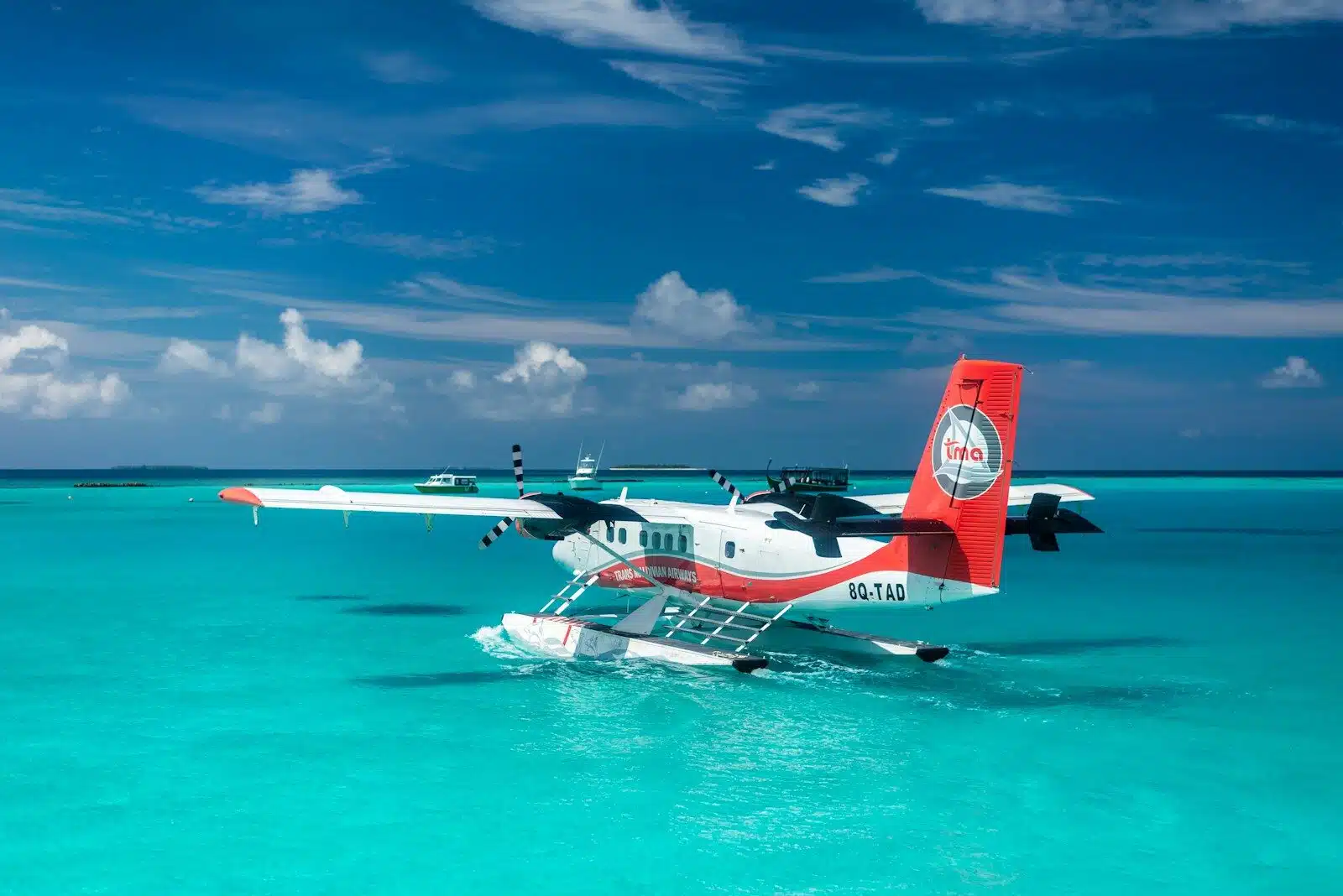
Seaplanes are the iconic way to arrive at more distant resorts and are a highlight of many trips to Maldives. They are more expensive, run only in daylight hours and typically allow around 20–25 kg checked luggage per person plus hand luggage.
What to expect on your first seaplane
- After immigration, staff escort you to a dedicated seaplane lounge at the water aerodrome, often with snacks, drinks and showers.
- Flights are treated like “sea buses” and may stop at multiple islands, so schedules are approximate; short waits are normal, especially midday.
- Cabins are small, warm and loud; earplugs or noise-cancelling headphones make the journey far more comfortable.
Insider seaplane tips
- Wear light, breathable clothing and pack a small face towel or handheld fan – there is no real air conditioning and it can get hot on sunny days.
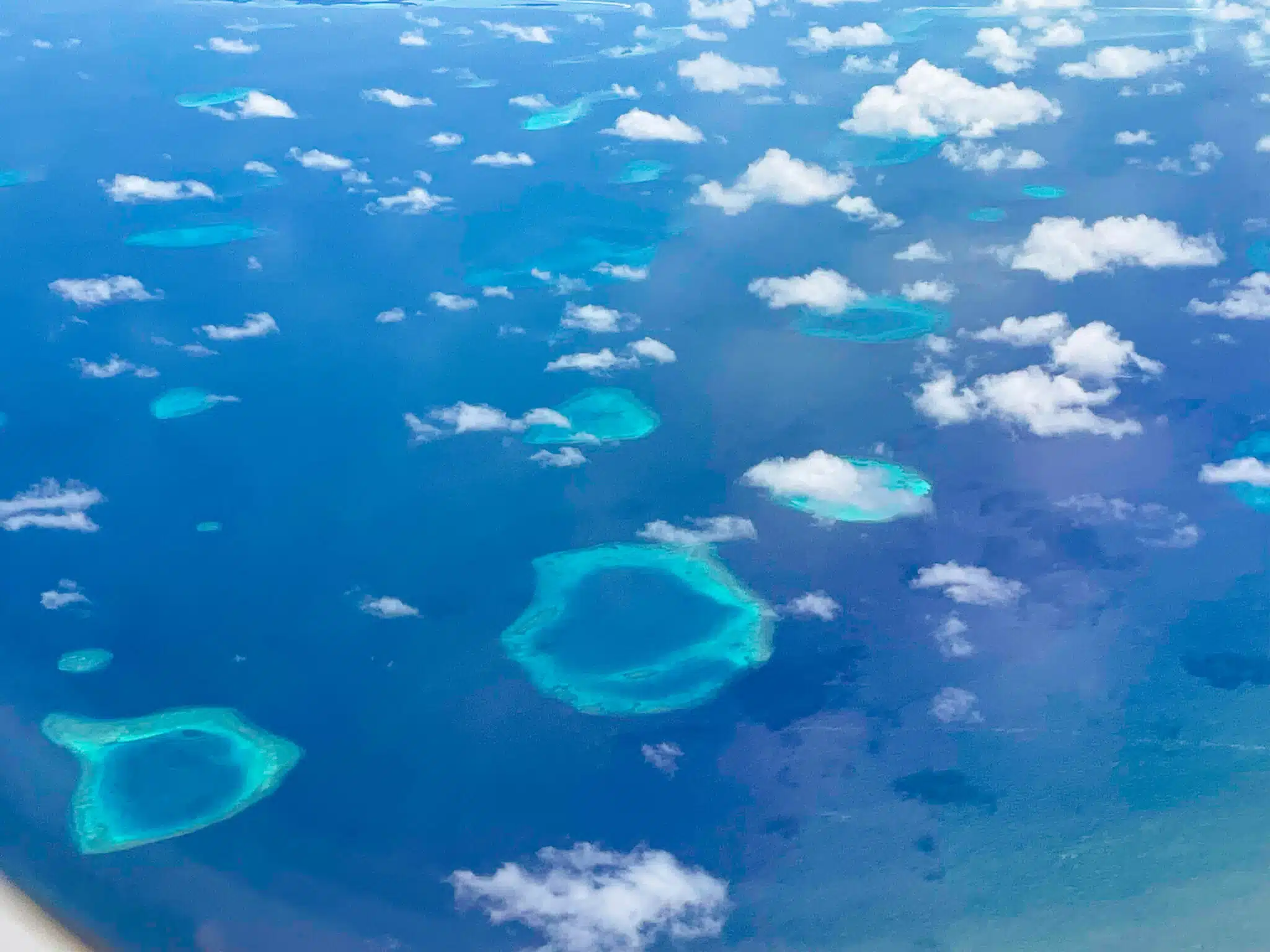
- Grab a window seat if possible; most seats are 1–2 across, so many passengers get a view of the atolls below.
- Build in buffer time between your international flight and seaplane; if your inbound flight is late and you miss the last seaplane, you will need a backup night in Malé or Hulhumalé.

Domestic flight + speedboat
Domestic flights connect Malé with small regional airports, followed by a shorter speedboat ride to remote islands. Travel time is longer than a seaplane but often a bit cheaper and less sensitive to daylight-only restrictions.
Insider tips for domestic routes
- This combo works well if you want quieter, less developed atolls with fewer resorts and more untouched sandbanks.
- Domestic flights typically operate more like regular airlines; delays are possible, so avoid super-tight same-day international connections on the way home.
Timing your arrival
Aim to land in Malé in the morning or early afternoon if your resort uses a seaplane, as seaplanes usually stop operations around sunset. If your flight arrives late at night, expect to stay one night in Malé or Hulhumalé and continue to your island the next morning.
Insider timing tips
- For red-eye arrivals, choose a simple, well-reviewed hotel in Hulhumalé; it is closer to the airport and has beachfront promenades where you can stretch your legs.
- On departure, your resort will typically schedule your transfer so you reach Malé 3–4 hours before your international flight; do not be surprised if you leave the island several hours before you think you “need to”.
Activities and House Reef: Making the Most of One Island
Because islands are remote and transfers between atolls are expensive, most travellers spend their entire stay on a single island. That makes your choice of house reef and on-island activities crucial.

How to Pick an Island with a Great House Reef
For a first-time trip to Maldives, a strong house reef can be the difference between snorkeling once and snorkeling every day. A good house reef means you can walk from the beach or jetty into clear water with coral, fish and sometimes turtles or reef sharks. If house reef access is high on your list, Kandolhu Maldives is one of the strongest options to look at for travellers who want easy snorkelling straight from the island.
What to look for when researching
- Reviews that mention “excellent house reef,” “reef all around the island,” or easy access from the shore, not just boat trips.
- Maps or aerial photos showing dark reef close to the beach rather than only bright sandy lagoons.
- Comments from snorkelers and divers about currents, visibility and whether the reef has good coral regrowth rather than being mostly dead.
Insider reef tips
- Islands on or near the outer edge of an atoll often have more dramatic drop-offs and marine life, while inner lagoon islands can offer gentler, beginner-friendly conditions.
- Bring your own well-fitting mask and snorkel if possible; resort rental gear can be basic and popular sizes may run out at busy times.
- Ask staff about “safe zones,” entry points and best times based on tides; many resorts mark snorkel channels with buoys for easy orientation.
If you travel with kids or weaker swimmers, aim for a reef that starts in shallow water with calm conditions and make sure life jackets or snorkel vests are available.
The Best Must-Do Activities (Stuff to Do in Maldives)
Even if your trip to Maldives is all about relaxing, there are a few must-do activities worth planning (and budgeting) in advance.
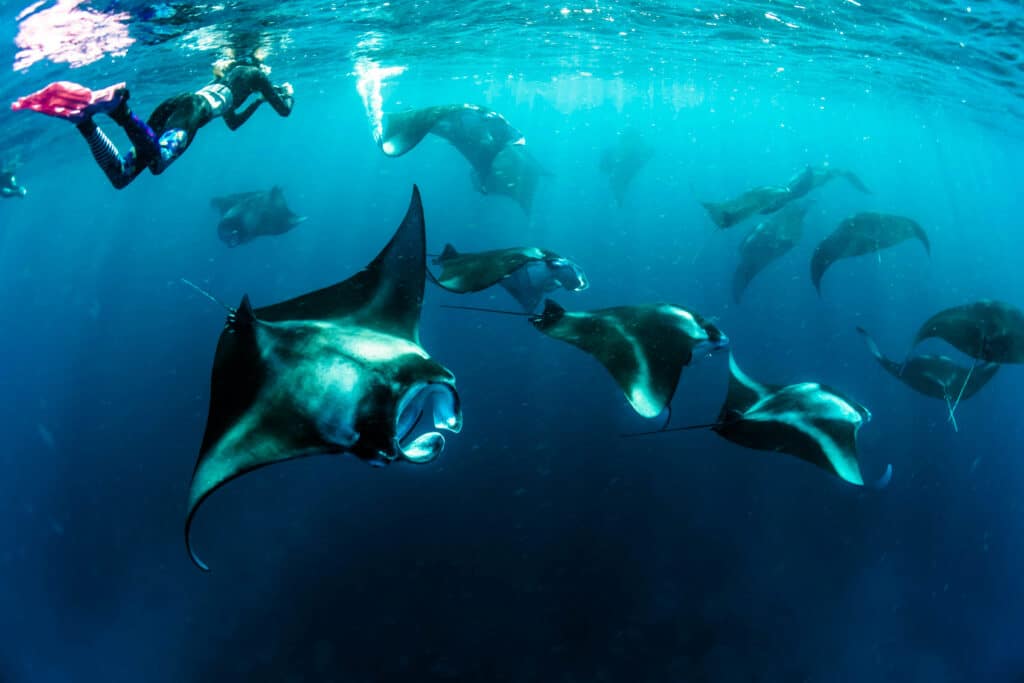
Top activities to consider:
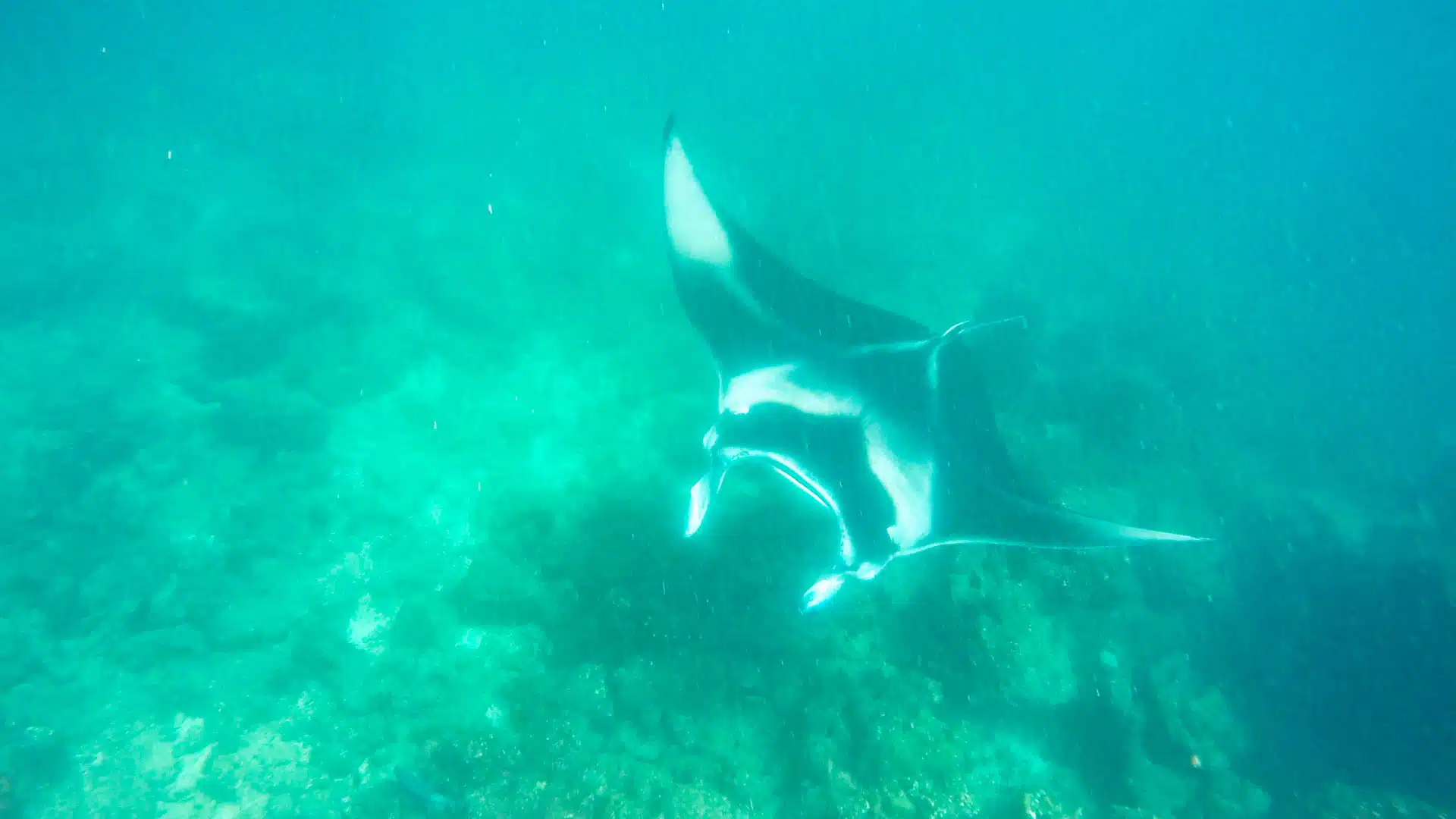
- Snorkeling and diving: Spot turtles, reef sharks, manta rays and, in some atolls and seasons, whale sharks.
- Sunset cruises: Traditional dhoni or speedboat trips to watch the sun melt over the Indian Ocean, often with dolphins.
- Sandbank picnics: Half-day or full-day trips to tiny sandbanks for photos, swimming and private meals.
- Spa treatments: Overwater or jungle spas provide a relaxing highlight of many trips to Maldives.
- Local island visits: From resorts, you can sometimes visit nearby inhabited islands to see daily life and shop for souvenirs
Insider activity tips
- Combine activities to save money and time, for example, a half-day snorkel trip that also stops at a sandbank.
- Always ask about group size and boat type; a smaller group on a traditional dhoni often feels more relaxed than a crowded speedboat.
- For wildlife encounters, choose ethical operators who brief you on keeping distance from animals and never chasing them
First-Timer Budgeting and Essential Costs
A Maldives holiday can be surprisingly expensive once you add everything beyond the room rate. Knowing the main hidden costs helps you build a realistic budget and avoid checkout shock. For a fuller breakdown of daily spend, taxes, transfers and island styles, see How Much Does It Cost to Travel to Maldives?
The three hidden costs
1. Transfers
Speedboats, seaplanes and domestic flights are almost never included in the headline room rate. On some itineraries, return transfers can cost as much as one or two extra nights of accommodation per person.
Insider tip: Ask for a full breakdown of transfer prices before you book and compare resorts with cheaper speedboat access versus more expensive seaplane-only options.
2. Taxes and service charges
Most resorts add a service charge plus tourism taxes and GST to food, drinks and activities, often totaling around 20–26% on top of menu prices. This means a simple burger and drink can end up far more expensive than expected during your trip to Maldives.
Insider tip: When estimating daily food spend, multiply menu prices by roughly 1.25 to get closer to what you will actually pay after taxes and service.
3. Excursions and extras
Diving, private dinners, sunset cruises and spa treatments can add up quickly, especially at luxury resorts. Even rental of kayaks, paddleboards or bicycles may be chargeable depending on the island.
Insider tip: Decide in advance which 2–3 “must-do” activities matter most to you and budget for those, rather than saying yes to every tempting extra once you arrive.
Keeping your trip to Maldives on budget
To keep costs under control:
- Request a detailed PDF or page listing transfer fees, taxes and sample excursion prices from each resort before committing.
- Compare packages where transfers and meals are bundled versus paying everything à la carte; sometimes bundled offers win, especially for families.
- Bring a small “snack kit” from home and reusable water bottles; both help cut down impulse spending on the island.
Practical Things to Know Before You Go

Key things to know before your trip to Maldives:
- The Maldives is a Muslim country; bikinis and alcohol are fine on resort islands and designated bikini beaches on local islands, but modest dress is required elsewhere.
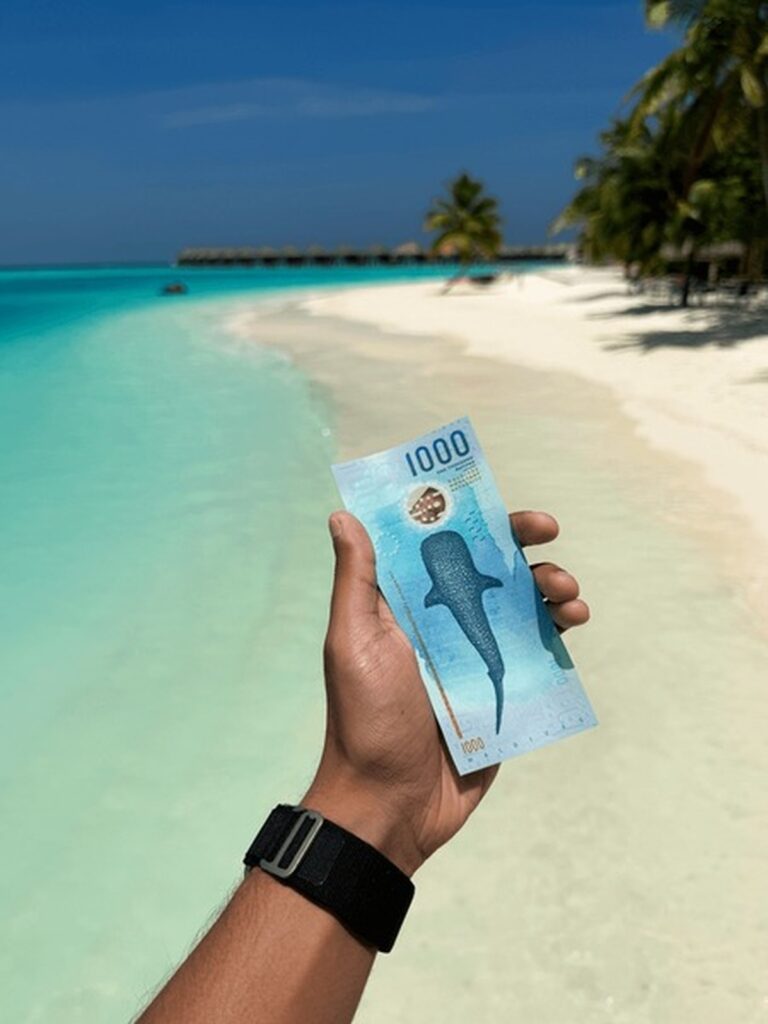
- Local currency is the Maldivian rufiyaa (MVR), but US dollars are widely accepted in resorts; credit cards are standard, and ATMs are mainly on local islands and in Malé.
- Tipping is not mandatory but appreciated; many resorts add a service charge already, but guests often still tip staff who make their trip to Maldives special.
Practical details and local-style tips
- Time zone is UTC+5, and some resorts operate on “island time,” one hour ahead of Malé, to give later sunsets and more evening light.
- Plug types are usually D and G; many resorts have universal sockets, but a lightweight adaptor makes your life easier, especially on local islands.
- Travel insurance that covers medical care, evacuation and water activities is strongly recommended for any trip to Maldives.
Insider etiquette tips
- On local islands, avoid public displays of affection, keep shoulders and knees covered off the bikini beach and ask before photographing people.
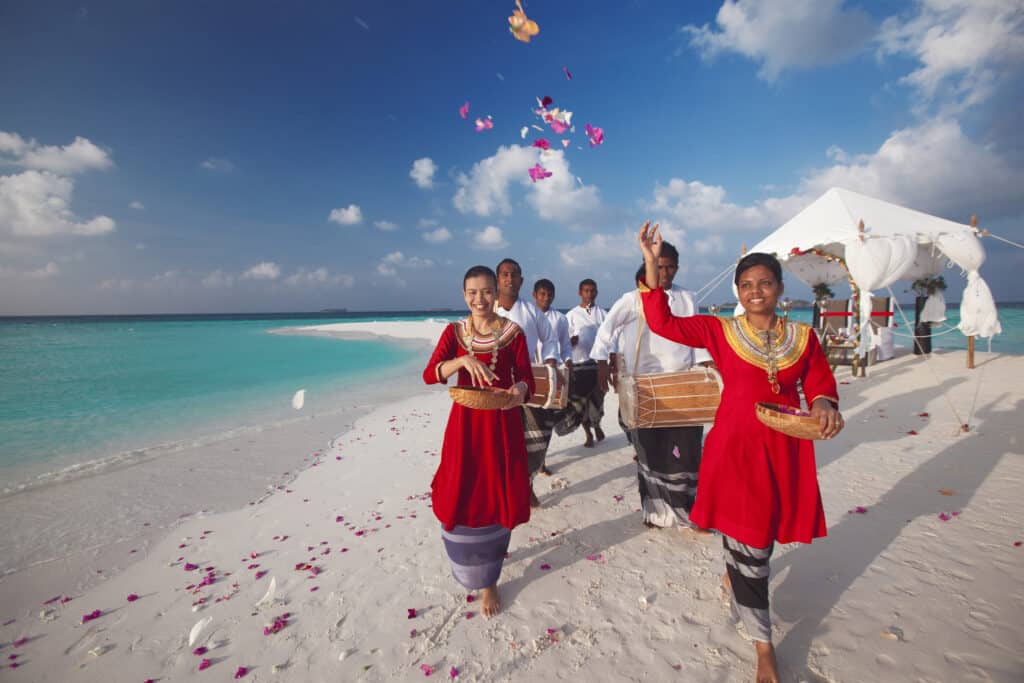
- At resorts, staff often work long shifts away from their home islands; small, thoughtful tips and friendly conversations make a big difference to them and can enrich your understanding of Maldivian life.
Final Thoughts on your Trip to Maldives
A successful trip to Maldives rarely happens by accident. It comes from understanding how the islands work before you book — how transfers shape logistics, how meal plans influence budgets and how the right island can turn a simple stay into days of effortless snorkelling, sunsets and quiet lagoon mornings.
Once those foundations are clear, the Maldives becomes surprisingly straightforward to navigate, whether you are choosing a private resort, a welcoming guesthouse or planning a longer island escape. From there, Best Hotel in Maldives Island is the most useful next step if you want to narrow down where to stay.
From here, the next step is simply deciding where to stay. The right island — whether luxurious, boutique or beautifully simple — is what ultimately transforms a trip to Maldives from a plan on paper into the kind of journey travellers remember long after the sand has washed off their feet.
🌴 Plan Your Maldives Trip
🏨 Still looking for the right stay? Browse all resorts in the Maldives or hotels & guesthouses on local islands — free cancellation on most rooms.
✈️ Flights: Compare routes and prices for flights to the Maldives.
📱 Stay connected: Skip the airport SIM queue — get a Maldives eSIM from Airalo before you fly. We use Airalo ourselves on every trip.
🔒 Travel insurance: Medical help in the Maldives often means evacuation by seaplane — don't skip travel insurance for the Maldives.
🤿 Tours & activities: Browse snorkelling trips, dolphin cruises and excursions across the Maldives, or check liveaboard diving trips.
💳 Money: Avoid card fees abroad with a free Revolut account.
Some links on this page are affiliate links. Booking through them costs you nothing extra and helps us keep this site running — thank you!
Frequently Asked Questions about a Trip to Maldives
Is a trip to Maldives safe for first-time travellers, solo travellers and families?
Yes, a trip to Maldives is generally very safe for first-time travellers, solo travellers and families. Resort islands feel especially easy because access is controlled and staff are used to international guests. Local islands are also comfortable for most travellers as long as you respect local customs, dress modestly away from bikini beaches and follow normal travel precautions.
How many days do you need for a trip to Maldives?
For most travellers, 4–7 nights is ideal for a first trip to Maldives. This allows time to recover from travel, enjoy the island and take a few excursions without feeling rushed. Very short stays can feel dominated by transfers, while longer stays work best if you choose a local island or plan activities like diving or snorkelling.
Do you need a visa and what are the entry requirements for Maldives?
Most travellers do not need to apply for a visa in advance for a trip to Maldives. A free 30-day tourist visa is normally granted on arrival if you have a valid passport, confirmed accommodation and a return or onward ticket. Visitors must also submit the IMUGA Traveller Declaration online within 96 hours before arrival and departure.
Do you need vaccinations for a trip to Maldives?
There are usually no mandatory vaccinations for a trip to Maldives if you arrive from Europe or other low-risk regions. However, routine travel vaccines are recommended, and a yellow fever certificate is required if you have recently been in a yellow-fever risk country. It is wise to check with a travel clinic before departure, particularly when travelling with children.
What is the best time to visit Maldives?
The best time for a trip to Maldives is typically from November to April when the northeast monsoon brings calmer seas, more sunshine and excellent snorkelling conditions. From May to October the weather is wetter and windier, but prices are often lower and resorts quieter, which can appeal to travellers looking for better deals.
Can you wear a bikini and drink alcohol in the Maldives?
Rules depend on where you stay during your trip to Maldives. On resort islands, bikinis and alcohol are freely allowed. On local inhabited islands, swimwear is restricted to designated bikini beaches and alcohol is not permitted due to Islamic law. Visitors should dress modestly away from tourist beaches to respect local culture.
Can you island hop in the Maldives?
Island hopping during a trip to Maldives is possible but not always simple because transport between islands is limited and often controlled by resorts or private transfers. Moving between atolls can be expensive and time-consuming. For a first visit, most travellers choose one island as a base or plan a carefully arranged two-island stay.
Related Blogs
Other Maldives Travel Tips
Maldives Vacation: How to Plan Your Dream Island Escape for Adventure and Relaxation
Best Time to Go to Maldives: Weather, Climate & Seasonal Tips for Your Perfect Island Vacation
How Much Does it Cost to Travel to Maldives? Budgeting for Resorts, Local Islands & Activities
Maldives Culture & Religion: What Every Traveller Should Know Before Visiting Local Islands
Do You Need Vaccinations to Go to Maldives? Health and Safety Checklist for Travellers
Maldives Travel Visa Guide: Requirements, Process & Tips for Hassle-Free Entry
How to Plan a Trip to Maldives Like a Pro: Insider Tips for Easy Local Island Transfers
Is Maldives Worth the Money? Honest Comparison with Sri Lanka
Maldives Local Islands vs Resorts: What Should You Choose?
Maldives with Kids: Resorts vs Local Islands
Other Maldives Blogs
How to Choose a Maldives Resort: The Complete Decision Guide
Best Maldives Resorts by Budget: Top Affordable, Mid-Range & Luxury Island Escapes
Best Hotels on Local Islands in Maldives (By Budget): Complete Guide for 2026
How to Choose the Best Atoll in Maldives: A Complete Area & Stay Guide
Top Activities in Maldives: Snorkelling, Diving & Swimming with Manta Rays
Best Hotel in Maldives Island: Top Luxury, Boutique & Affordable Stays for Every Traveller