Table of Contents
March falls towards the end of the dry season across much of southern and western Sri Lanka, making it one of the most consistently pleasant months to travel in several popular regions. Beach conditions are generally calm, skies are often clear, and rainfall stays relatively limited compared with later months of the year.
That said, the weather in Sri Lanka in March is never uniform across the whole island. While the south and west typically enjoy stable sunshine, other areas, such as the east coast or parts of the hill country, can experience different patterns. Understanding these regional contrasts is essential when planning a balanced itinerary.
March also marks a subtle seasonal transition. The dry southwest monsoon period that shapes travel conditions earlier in the year begins to ease, and the heat starts to build across the island. Days often feel warmer and more humid, especially inland.
For travellers, however, this frequently translates into beautiful beach days, excellent wildlife-spotting conditions and clear mornings for cultural sightseeing.
This guide outlines what to expect in each region, how rainfall patterns develop over the course of the month, and how to build a balanced itinerary around the weather in Sri Lanka in March.
In a Rush?
These are my Favourite Hotels in March
⭐⭐⭐ 98 Acres Resort & Spa – Ella — Check prices and availability
⭐⭐ Water Garden Sigiriya – Sigiriya — Check prices and availability
⭐ Rockside Cabanas – Unawatuna — Check prices and availability
Where to Go in March: Quick Regional Overview
March offers some of the most stable weather conditions of the year across the southern half of Sri Lanka. Beaches are calm, humidity is manageable early in the month, and rainfall stays relatively limited across several key travel regions.
| Region | Weather stability | Best for | Recommendation |
|---|---|---|---|
| South Coast | Very stable | Beaches, whale watching, relaxed travel | Best overall in March |
| West Coast | Stable | City trips, beach breaks, culture | Very reliable |
| Cultural Triangle | Ancient sights, safaris | Good with early starts | |
| Central Highlands | Changeable but pleasant | Tea plantation scenery, train journeys | Changeable but manageable |
| Northern Province | Warmer with occasional showers | Culture, quieter travel | Occasional rain possible |
| East Coast | Unsettled | Surf areas gearing up for the season | Least reliable |
How March Compares to the Rest of the Year
In the wider travel calendar, March falls towards the end of Sri Lanka's main dry season for the south and west. It is often considered a shoulder-to-late-peak month, combining relatively stable weather with slightly quieter travel conditions compared with January and February.
The month is generally favourable for the south coast, west coast and the Cultural Triangle for sightseeing and beach travel. Wildlife safaris remain excellent, and cultural sites can be visited comfortably with early-morning starts. The east coast, by contrast, is still transitioning out of its wetter season and becomes more reliable later in the year.
Weather in Sri Lanka in March: Late Dry-Season Heat & Regional Shifts
In March, Sri Lanka begins to feel noticeably warmer. The stable dry conditions in the south and west persist, but temperatures gradually rise as the island approaches the inter-monsoon period that typically arrives in April.
Humidity also increases slightly compared with earlier months. This means midday sightseeing can feel intense, especially in inland regions such as the Cultural Triangle where shade is limited.
Despite the rising heat, rainfall usually remains relatively low across much of the island. When showers do fall, they are often short and localised rather than prolonged monsoon rains.
Climate overview:
- Daily highs: 29-33°C
- Overnight lows: 22-25°C
- The “feel”: Warm, increasingly humid afternoons
- Rainfall: Mostly limited, with occasional showers in some regions
- Highland relief: Cooler mornings and evenings in the tea country
For many travellers, the weather in Sri Lanka in March offers a very comfortable balance. The island still enjoys long spells of sunshine while avoiding the heavier rainfall patterns that arrive later in spring.
Regional Weather Overview in March
Sri Lanka's climate patterns are strongly influenced by monsoon systems and geography, which means conditions in March vary considerably across the island.
| Region | Avg Temp (°C) | Rainfall (mm) | Travel Notes |
|---|---|---|---|
| South Coast (Galle, Mirissa) | 28-31°C | 50-70 mm | Calm seas and sunny beach days |
| West Coast (Colombo, Negombo) | 29-31°C | 60-80 mm | Reliable city and beach travel |
| East Coast (Trincomalee, Arugam Bay) | 28-33°C | 40-60 mm | Dry but hot sightseeing |
| Central Highlands (Kandy, Ella) | 18-25°C | 80-100 mm | Cooler temperatures, occasional showers |
| North and Northeast (Jaffna, Mannar) | 29-32°C | 100-120 mm | Warmer with scattered rainfall |
| Cultural Triangle (Sigiriya, Dambulla, Anuradhapura) | 28-31°C | 120-150 mm | Still transitioning, less reliable |
1. South Coast (Galle, Mirissa, Unawatuna, Hiriketiya)
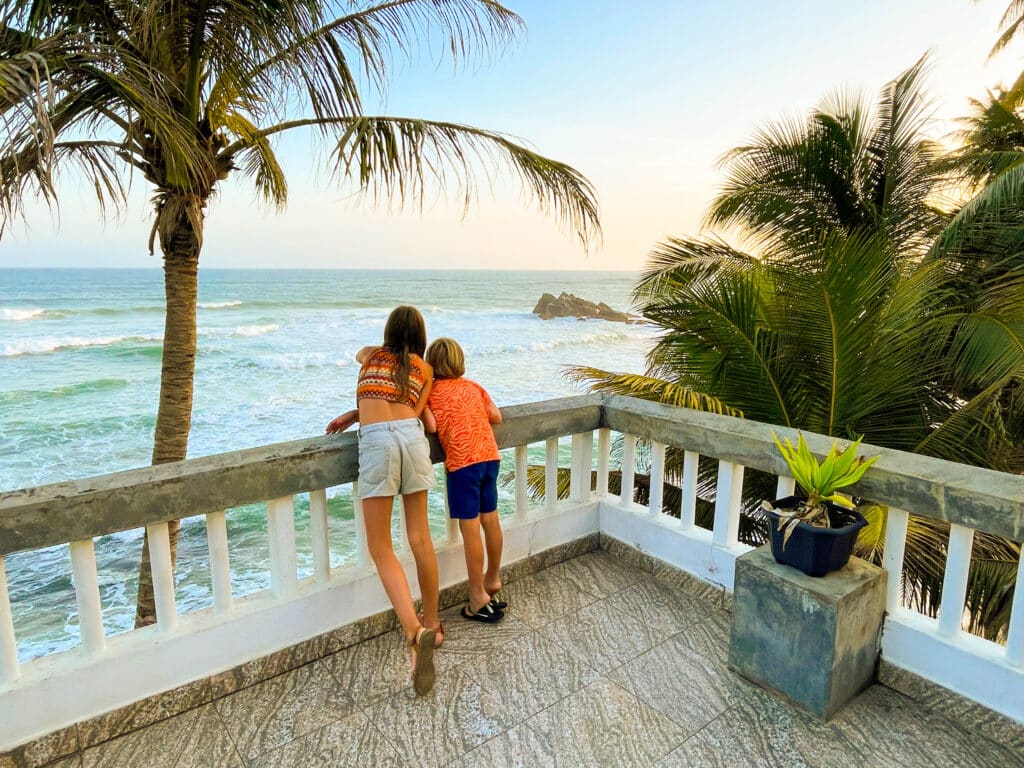
Palm-fringed beaches and calm turquoise water under clear tropical skies.
March is one of the most pleasant months to explore Sri Lanka's south coast. Sea conditions are usually calm, skies are clear, and rainfall typically stays limited compared with later months.
- Verdict: Best region in March
- Temperature: 28-31°C
- Rainfall: 50-70 mm
- Why go: Beach days are reliable, whale watching around Mirissa is still possible, and towns like Galle and Hiriketiya feel lively without being overwhelmingly busy.
Where to stay: Rockside Cabanas near Galle offers a relaxed beachfront setting that works especially well in March, when the south coast typically enjoys calm seas and sunny mornings. The laid-back cabana style and direct ocean access make it an easy base for beach days, early swims and exploring nearby towns like Unawatuna and Mirissa.
2. West Coast (Colombo, Negombo, Kalutara)

Golden beaches stretching north of Colombo with warm sea breezes.
The west coast remains very travel-friendly in March. While occasional tropical showers can occur, they rarely dominate the day and are often brief.
- Verdict: Very reliable
- Temperature: 29-31°C
- Rainfall: 60-80 mm
- Why go: Colombo offers lively dining and colonial history, while Negombo provides convenient beach relaxation near the airport.
Where to stay: Villa Lagoonscape near Negombo offers a peaceful lagoon setting away from the city's humidity, making it a smart short stop before or after flights in March. The airy waterside location feels noticeably calmer during the warmer afternoons typical of this time of year.
3. Cultural Triangle (Sigiriya, Dambulla, Anuradhapura, Polonnaruwa)
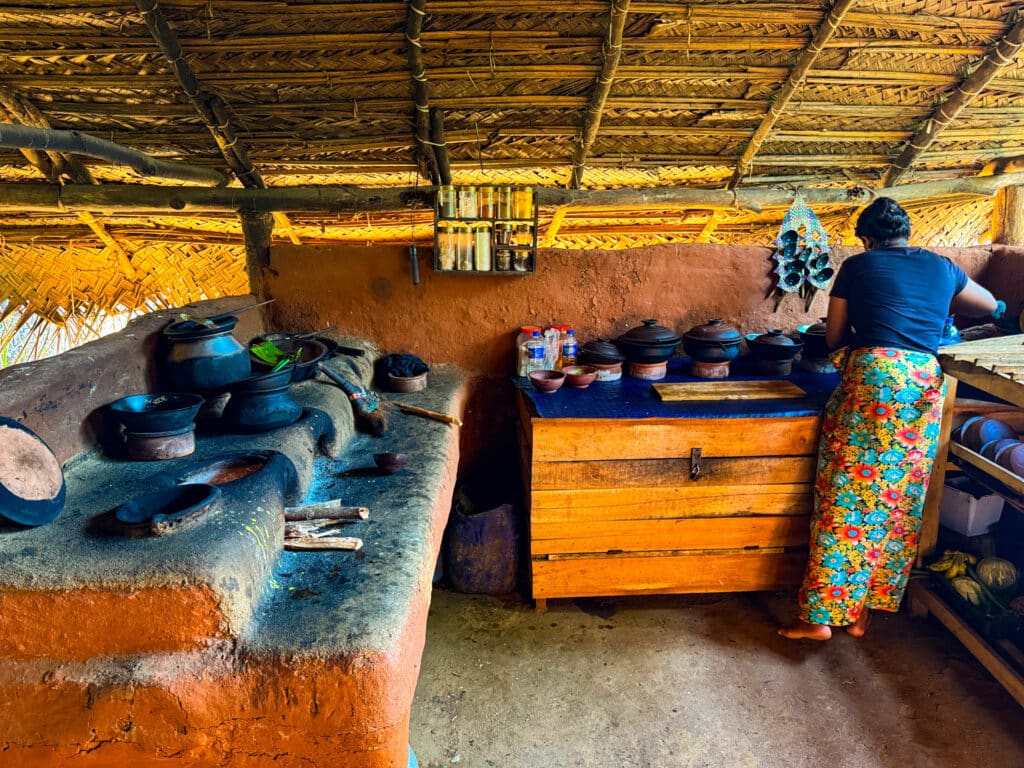
Ancient rock fortresses rising from dry forest landscapes.
March remains a good month to explore Sri Lanka's historic heartland, although daytime temperatures can climb quickly. Early-morning starts make a significant difference when visiting sights such as Sigiriya.
- Verdict: Good with early starts
- Temperature: 28-33°C
- Rainfall: 40-60 mm
- Why go: Dry conditions make exploring archaeological sites easier, and nearby safari parks such as Minneriya and Kaudulla offer rewarding wildlife encounters.
Where to stay: Water Garden Sigiriya combines privacy and space with direct views of Sigiriya Rock, which is especially rewarding during clear March mornings. The spacious villas, private pools and landscaped gardens provide a relaxing retreat after exploring the Cultural Triangle in the warm inland climate.
4. Central Highlands (Kandy, Ella, Nuwara Eliya)
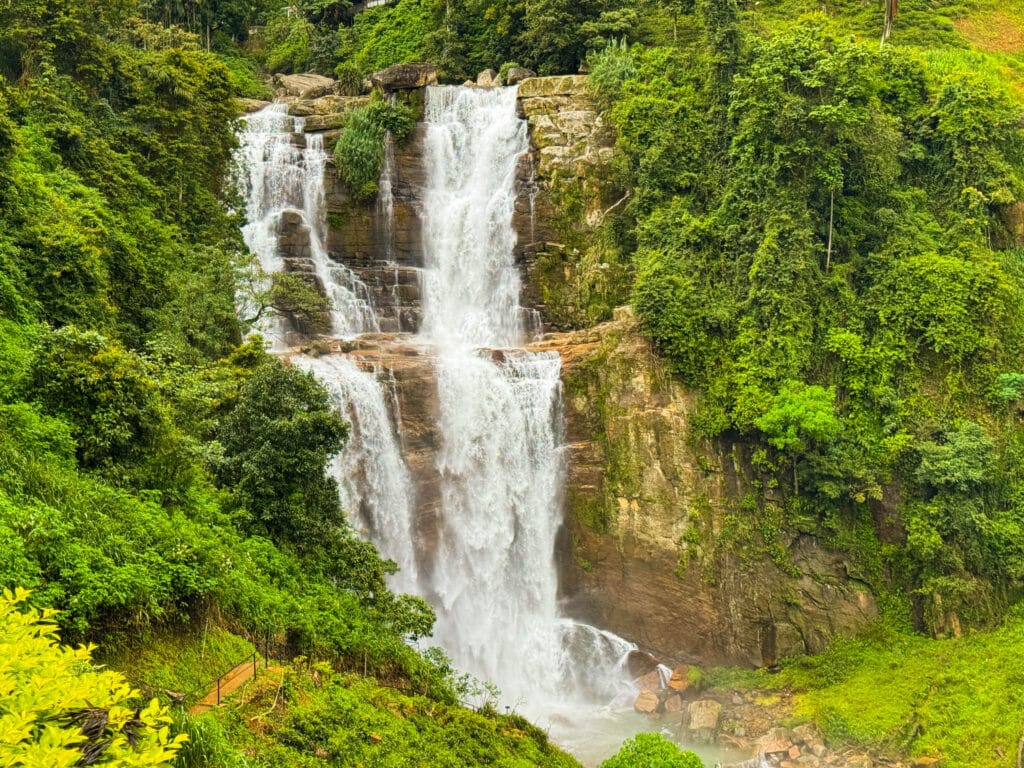
Rolling tea plantations giving way to misty mountain ridges.
The hill country brings cooler temperatures and refreshing landscapes, although March can introduce occasional cloud cover or passing showers.
- Verdict: Changeable but manageable
- Temperature: 18-25°C
- Rainfall: 80-100 mm
- Why go: The famous Kandy-Ella train journey winds through tea plantations, while cooler evenings offer a welcome change from the lowland heat.
Where to stay: 98 Acres Resort & Spa in Ella blends seamlessly into the surrounding tea plantations, offering cooler air and elevated views during the warm dry-season days of March. The open design and hillside breeze create a comfortable retreat after hikes, scenic train rides and exploring the hill country.
5. Northern Province (Jaffna, Mannar)
Quiet coastal landscapes dotted with temples and fishing villages.
The north experiences warmer conditions in March, and rainfall patterns can be slightly less predictable than in the south.
- Verdict: Occasional showers possible
- Temperature: 29-32°C
- Rainfall: 100-120 mm
- Why go: Jaffna offers a completely different cultural atmosphere compared with the rest of Sri Lanka, with Tamil heritage, colourful temples and peaceful island landscapes.
Where to stay: The Thinnai Hotel in Jaffna offers modern comfort with traditional northern design, making it a practical base for exploring temples, islands and coastal villages during March's warm and mostly dry conditions. The shaded courtyards and inviting pool provide a welcome place to cool off after sightseeing in the midday heat.
6. East Coast (Trincomalee, Nilaveli, Pasikudah, Arugam Bay)

Wide open beaches and calm bays waiting for the coming dry season.
Sri Lanka's east coast is still in transition in March. While some sunny days occur, weather conditions remain less predictable compared with the south and west.
- Verdict: Least reliable
- Temperature: 28-31°C
- Rainfall: 120-150 mm
- Why go: Travellers looking for quiet beaches and fewer crowds can still enjoy the region, but conditions improve significantly later in the year.
Where to stay: Uga Bay – Pasikudah: is a peaceful east-coast resort known for its calm, shallow bay and wide sandy beach. Although March is still part of the east coast's seasonal transition, the sheltered waters here can still offer pleasant swimming conditions on sunnier days, making it a relaxing option for travellers seeking quieter beach time away from the busier south coast.
Weather in Sri Lanka in March: Best Places to Visit (Seasonal Strategy)
Planning a trip around the weather in Sri Lanka in March is relatively straightforward, as several key travel regions perform well at this time of year. For the bigger picture across the year, it helps to read our full guide on the best time to visit Sri Lanka.
A classic 10-14 day route usually works best by focusing first on the southern half of the island, before adding cultural and hill-country experiences inland.
Prioritise:
- South coast beaches such as Mirissa, Unawatuna and Hiriketiya
- Cultural Triangle highlights including Sigiriya and Polonnaruwa
- Safaris in Yala, Udawalawe or Minneriya
Add:
- Hill country scenery around Ella or Nuwara Eliya
- Colombo or Negombo for city culture and food
Minimise or skip:
- East coast beach destinations, which typically perform better from May onwards
Is March a Good Time to Visit Sri Lanka?
Yes – the weather in Sri Lanka in March is generally favourable for travel, particularly across the southern, western and central regions of the island.
Travellers seeking beach time, wildlife experiences and cultural exploration often find March a comfortable balance between stable weather and manageable visitor numbers.
Pros of visiting Sri Lanka in March
- Reliable beach weather along the south coast
- Excellent safari conditions in several national parks
- Clear mornings for cultural sightseeing
- Pleasant sea conditions for whale watching near Mirissa
- Warm but generally manageable temperatures
Cons of visiting Sri Lanka in March
- Increasing midday heat inland
- East coast beaches still in a transitional period
- Humidity can feel stronger later in the month
- Occasional scattered showers in the hill country
Packing for Sri Lanka in March
With rising temperatures and mostly sunny conditions, packing for the weather in Sri Lanka in March means preparing mainly for warm tropical days while still allowing for the occasional shower.
- Lightweight, breathable clothing
- Strong sun protection (hat, sunglasses, SPF)
- Reusable water bottle or electrolytes
- Light rain jacket or compact umbrella
- Comfortable walking shoes for cultural sites
- A light fleece or layer for hill-country evenings
Best Things to Do in March
Snorkelling in Unawatuna
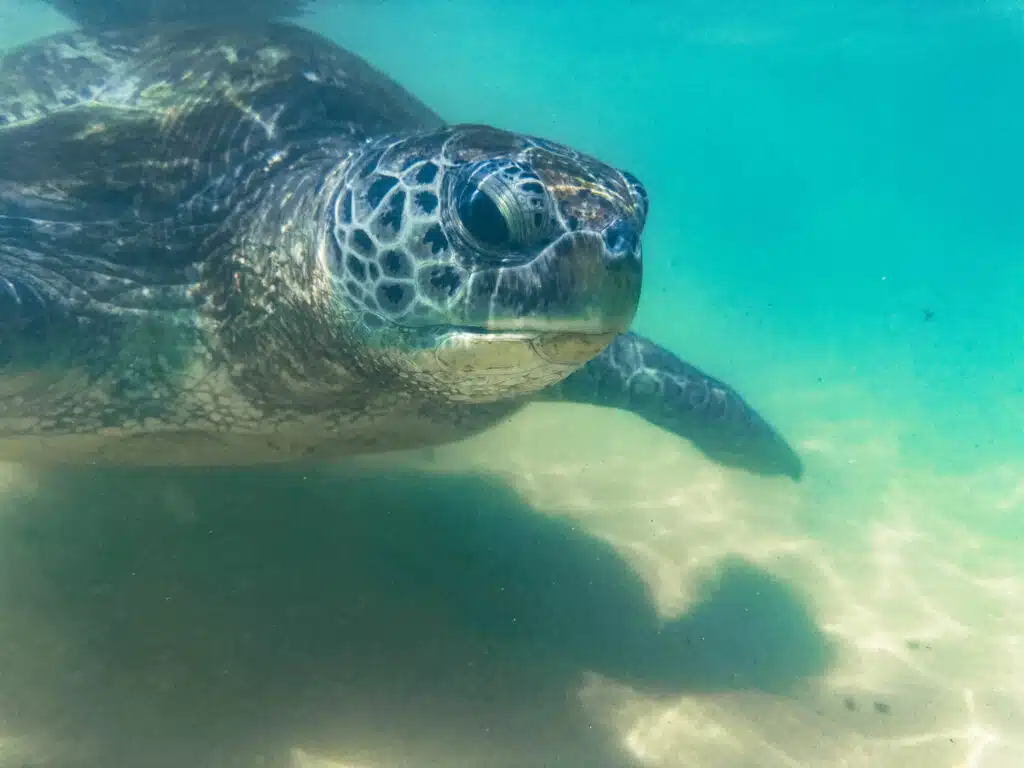
March often brings calm seas along Sri Lanka's south coast, and Unawatuna is one of the easiest places for relaxed snorkelling. Reefs near Jungle Beach and around the bay often offer good visibility in the morning, with colourful fish and the occasional sea turtle. You can also join a snorkelling tour in Unawatuna if you prefer a guided experience with equipment included.
Sunset at Coconut Tree Hill in Mirissa

Sunsets in March along Sri Lanka's south coast are often stunning, and Coconut Tree Hill near Mirissa is one of the island's most photogenic viewpoints. Travellers gather here in the late afternoon to watch the sun sink into the Indian Ocean, with tall coconut palms creating a dramatic silhouette. Arriving shortly before sunset usually offers the best light and atmosphere.
Cycling through the ancient city of Anuradhapura
The dry conditions typical of March make Anuradhapura ideal to explore by bicycle. The sacred city is spread across a large area, and cycling between ancient stupas, temple complexes and peaceful reservoirs is one of the most enjoyable ways to experience this UNESCO World Heritage Site. If you prefer to go with a guide who can explain the history and religious significance of the monuments, you can also join a guided bike tour of Anuradhapura with bicycles and local knowledge included.
Jeep safari in Wilpattu National Park

March is often a rewarding month for safaris in Wilpattu. As the dry season progresses, water levels in many of the park's natural lakes begin to drop slightly, which can make wildlife spotting easier as animals gather around the remaining water sources. Wilpattu is known for its peaceful atmosphere and excellent chances of seeing deer, crocodiles, sloth bears and the park's famous Sri Lankan leopards. If you want to go deeper into the park with an experienced guide, you can also book a Wilpattu safari tour (for example this half- or full-day tour) with transport, a jeep and a knowledgeable tracker included.
Tea plantation walks near Ella
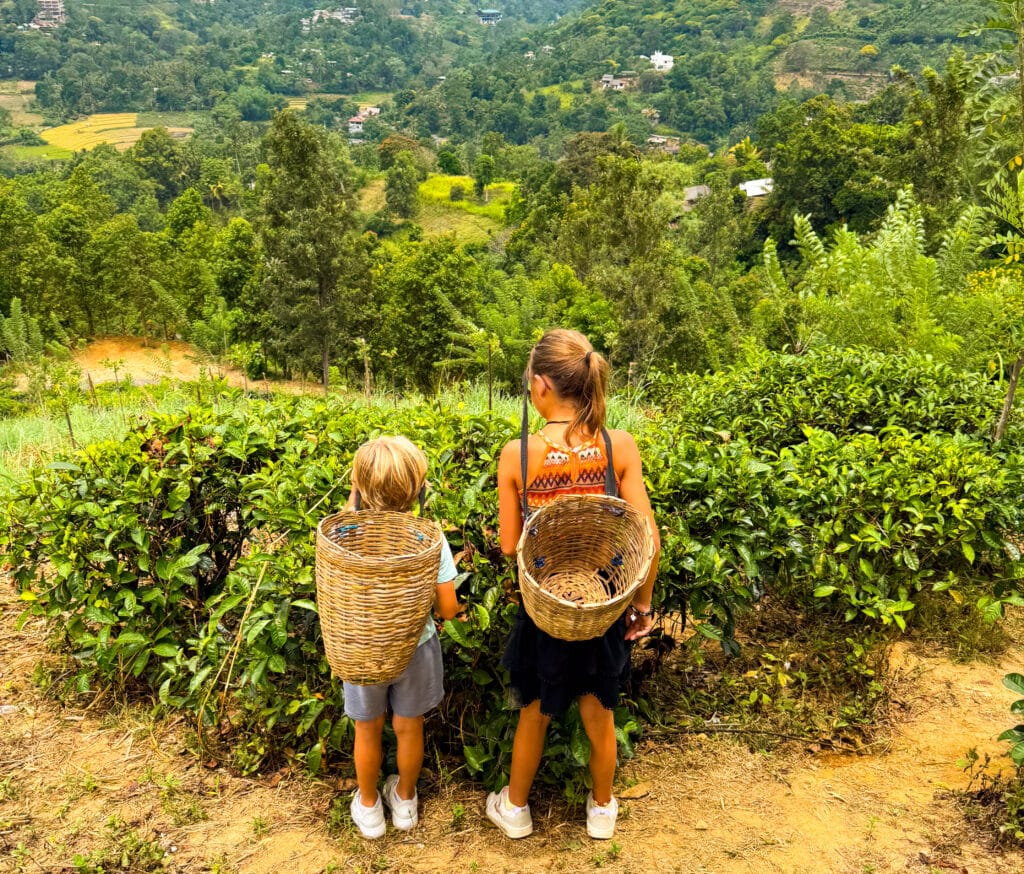
The cooler climate in the hill country makes March a great time for short walks through the tea plantations around Ella. Trails lead past tea fields, small factories and mountain viewpoints, while offering a closer look at Sri Lanka's famous tea landscape and rural life. You can also join a tea plantation walk near Ella if you prefer to explore with a local guide.
Final Thoughts on the Weather in Sri Lanka in March
The weather in Sri Lanka in March offers an appealing mix of sunshine, warm temperatures and relatively stable travel conditions across several key regions of the island.
Travellers who focus their itinerary on the south coast, the Cultural Triangle and parts of the hill country can experience a well-balanced trip that combines beaches, wildlife, culture and scenic landscapes.
As always in Sri Lanka, the key to a successful itinerary is understanding the island's regional climate differences. By choosing destinations carefully, March can be one of the most rewarding months to explore this diverse and beautiful country.
🐘 Plan Your Sri Lanka Trip
🏨 Still looking for the right stay? Browse all hotels in Sri Lanka — free cancellation on most rooms.
✈️ Flights: Compare routes and prices for flights to Sri Lanka.
🚂 Getting around: Book train tickets in advance (the scenic routes sell out), or arrange a private driver, tuk tuk rental or rental car.
📱 Stay connected: Get a Sri Lanka eSIM from Airalo before you fly. We use Airalo ourselves on every trip.
🔒 Travel insurance: Don't skip travel insurance for Sri Lanka — medical costs for tourists add up fast.
🎟️ Tours & activities: Browse safaris, cooking classes and tours across Sri Lanka.
💳 Money: Avoid card fees abroad with a free Revolut account.
Some links on this page are affiliate links. Booking through them costs you nothing extra and helps us keep this site running — thank you!
Frequently Asked Questions About the Weather in Sri Lanka in March
Is Sri Lanka good to visit in March?
Yes, March is generally considered one of the better months to visit Sri Lanka. The south and west coasts usually see stable dry-season weather with plenty of sun and calm seas, while cultural sites inland remain accessible with early-morning sightseeing. It is a particularly good month to combine beaches, wildlife safaris and historic sites in one itinerary.
What is the weather like in Sri Lanka in March?
The weather in Sri Lanka in March is typically warm and increasingly humid, with daytime temperatures often ranging between 29-33°C. Most of the south and west of the island stays relatively dry, although short tropical showers can still occur. Inland areas such as the Cultural Triangle can feel quite hot in the afternoon, while the hill country stays noticeably cooler.
Which part of Sri Lanka has the best weather in March?
The south coast generally has the most reliable weather in March. Areas like Mirissa, Unawatuna, Galle and Hiriketiya usually enjoy sunny skies and calm ocean conditions. The west coast around Colombo and Negombo also performs well during this period, making it easy to combine beach time with cultural sightseeing.
Does it rain a lot in Sri Lanka in March?
Rainfall in March is usually limited across the main travel regions of southern and western Sri Lanka. When rain does fall, it is often short and localised rather than long monsoon spells. Some areas such as the east coast or parts of the north can still see more variable conditions, which is why most travellers focus on the south and west this month.
Can you swim in Sri Lanka in March?
Yes, March is a very good month for swimming along the south and west coasts. Beaches such as Unawatuna, Mirissa and Bentota typically have calm seas and warm water temperatures. These conditions make activities like snorkelling, boat trips and relaxed beach days especially enjoyable.
Is March too hot for sightseeing in Sri Lanka?
March can feel hot in some inland areas, especially in the Cultural Triangle where daytime temperatures often exceed 30°C. However, sightseeing is still very manageable if you plan activities for early morning or later in the afternoon. Many travellers climb Sigiriya at sunrise or visit temples early in the day to avoid the strongest midday heat.
What should I pack for Sri Lanka in March?
Light and breathable clothing is essential for the weather in Sri Lanka in March due to the warm temperatures and humidity. Sun protection such as a hat, sunglasses and high-SPF sunscreen is important, especially for beach days and cultural sightseeing. A light rain jacket or small umbrella can also be useful in case of occasional tropical showers.
Related Blogs
Weather & Other Practical Blogs
Sri Lanka Weather by Month: What to Expect Each Season as a Traveller
Sri Lanka Monsoon Seasons Explained: Southwest vs Northeast
Sri Lanka Weather in January: Temperatures, Rainfall & Travel Tips
Sri Lanka Weather in June: Travel Tips for the Southwest Monsoon
Sri Lanka Weather in July: Sunniest Spots Guide
Sri Lanka Weather in September: End-of-Monsoon Travel Tips
Sri Lanka Weather in October: Transitional Season Guide
Sri Lanka Weather in November: First-Time Visitor Guide
Sri Lanka Weather in December: Temperatures, Rainfall & Travel Tips
Sri Lanka Travel Guide: Visa Requirements, Vaccination & Local Travel Tips
Is Sri Lanka Expensive to Travel? Budget, Costs & Money-Saving Tips for Your Trip
Getting Around Sri Lanka: Ultimate Guide to Transport, Trains, Tuk-Tuks & Easy Trip Planning
Other Sri Lanka Blogs
Sri Lanka Regions Explained: How to Choose the Best Areas for Your Trip
Sri Lanka Travel Itinerary: Custom Plans for Beach Lovers, City Explorers, and Wildlife Adventurers
Best Cities to Visit in Sri Lanka: A Practical Guide to Regions, Routes & City Bases
Best Hotels in Sri Lanka: How to choose where to stay — by region & value