Table of Contents
Sigiriya Sri Lanka is often presented as a single dramatic rock rising from the plains. But once you arrive, the story feels much wider. Ancient gardens sit quietly at the base of Lion Rock, forest paths lead to unexpected viewpoints, and village life continues around lakes and rice fields as it has for generations.
This is a place where history and nature overlap rather than compete. Sunrise hikes, slow afternoons, wildlife encounters, and local cooking experiences all shape the rhythm of a stay here. Sigiriya works best not as a rushed photo stop, but as a layered destination within the Cultural Triangle.
In this guide, you’ll see how Sigiriya Sri Lanka fits together — what to prioritise, how long to stay, where to base yourself, and how to create a visit that feels balanced and intentional.
In a Rush?
These are my Favourite Hotels in Sigiriya Area
- ⭐️⭐️⭐️ Water Garden Sigiriya – Sigiriya – Check Prices and Availability
- ⭐️⭐️ Habarana Sigiriya – Habarana – Check Prices and Availability
- ⭐️ Tree Trails – Sigiriya – Check Prices and Availability
Sigiriya Sri Lanka at a Glance
This overview highlights the key experiences, practical details, and planning essentials covered in this guide. It’s a quick way to see what Sigiriya Sri Lanka offers and how everything fits together before diving into the full article.
| Category | Key Information |
|---|---|
| Main Highlights | Lion Rock (historic fortress), Pidurangala Rock (sunrise viewpoint), village experiences, lakes and countryside |
| Best Viewpoint | Pidurangala Rock for sunrise and panoramic views over Lion Rock |
| Wildlife Experiences | Elephant safari in Minneriya National Park, birdwatching around local lakes |
| Unique Experiences | Village tour with boat ride and traditional cooking, night walk to spot slender loris near Pidurangala |
| Best Time of Day | Early morning for outdoor activities and viewpoints |
| How Long to Stay | 1–2 nights for highlights. 2–3 nights for a slower pace |
| Getting Around | Tuk-tuk locally, bicycle for countryside, private driver for day trips |
| Where to Stay | Nature lodges near Sigiriya, luxury villas with rock views, boutique hotels in Habarana |
| Where to Eat | Small local restaurants clustered in Sigiriya town |
| Ideal For | Couples, families, slow travellers, nature and culture lovers |
| Travel Style | Cultural, nature-focused, relaxed pace rather than rushed sightseeing |
What is Sigiriya? A Cultural Landscape of History, Nature & Rural Life
Sigiriya Sri Lanka is best understood as a wider cultural landscape rather than a single historical site. While Lion Rock is its most recognisable feature, the surrounding area reveals how ancient kingdoms, spiritual life, and rural communities shaped this region over centuries.
Long before King Kassapa built his royal citadel in the 5th century, this region was already inhabited. Forest monasteries, ancient water systems, village paths, and meditation caves were woven into the landscape, creating a place where daily life, religion, and nature existed side by side. Many of these elements are still visible today, scattered throughout the forests and fields around Sigiriya.
What makes Sigiriya especially distinctive within the Cultural Triangle is this sense of scale and layering. Archaeological ruins lie hidden in the jungle, lotus-covered lakes reflect the surrounding rock formations, and wildlife corridors connect the area to nearby national parks. Rather than feeling like an isolated site, Sigiriya functions as a living landscape where history and rural life continue to overlap.
Key historical elements within the wider Sigiriya landscape
Across the area, several features illustrate how complex and advanced this ancient settlement once was:
Water and Boulder Gardens
At the base of the rock, carefully designed gardens reveal sophisticated hydraulic engineering, with symmetrical pools, underground channels, and seasonal fountains dating back over 1,500 years. These gardens formed part of a larger royal complex rather than standing alone.
Forest monasteries and meditation caves
Hidden throughout the surrounding forest are stone platforms and natural caves once used by Buddhist monks. Many still show carved drip-ledges to divert rainwater, along with early inscriptions that offer insight into monastic life long before Sigiriya became a royal centre.
Artistic and architectural remains on the rock
Elements such as the frescoes and the Mirror Wall are part of this broader historical picture, reflecting the artistic refinement of the period rather than serving as isolated highlights.
These layers reveal a carefully planned landscape — shaped over centuries — where royal ambition, spiritual practice, and everyday rural life intersected.

Top Things to Do in Sigiriya Sri Lanka
Sigiriya offers a mix of iconic sights and quieter, more immersive experiences. While the famous rock formations draw most attention, the region is best enjoyed by combining viewpoints with village life, nature, and time spent at a slower pace.
Below are the key experiences that shape a well-balanced visit to Sigiriya — from dramatic viewpoints to hands-on cultural moments.
Visiting Lion Rock in Sigiriya: What to Know Before You Go
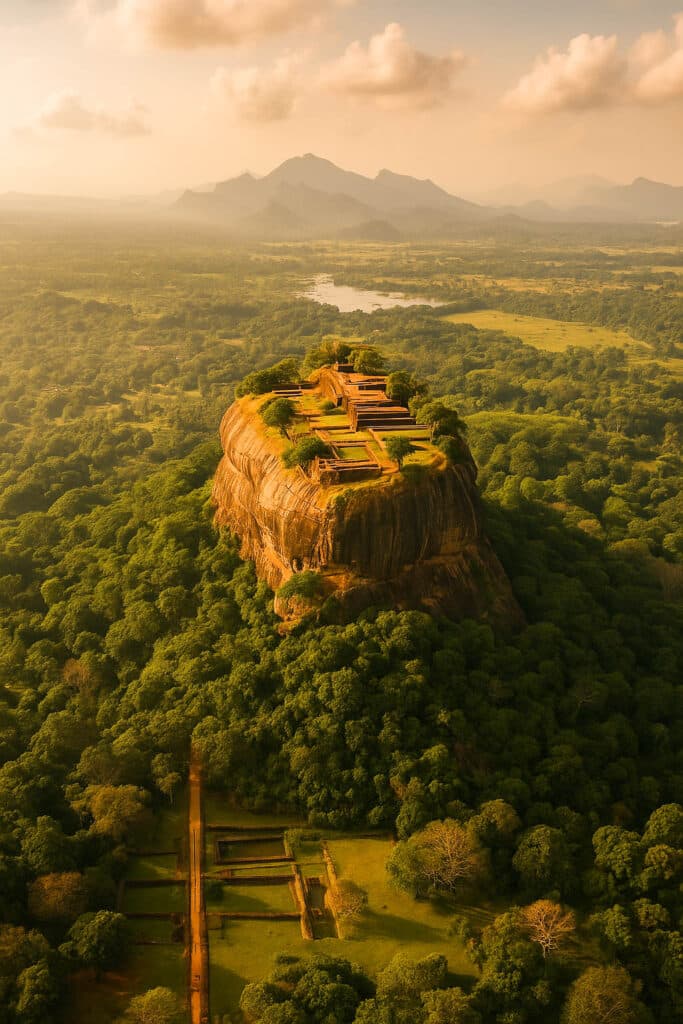
Lion Rock is the most recognisable landmark in Sigiriya and a major reason many travellers include this region in their itinerary. Rising dramatically above the surrounding forest, the ancient rock fortress is known for its historical significance, landscaped gardens, and panoramic views over the Cultural Triangle.
A single entrance ticket grants access to the entire archaeological zone, including the Water and Boulder Gardens, museum, and the climb itself. Visiting early in the morning is strongly recommended to avoid heat and crowds, as midday temperatures can make the exposed staircases challenging.
Climbing Lion Rock involves around 1,200 steps and is physically demanding, especially in the final sections. While many travellers choose to complete the full ascent, it’s worth knowing that the gardens and lower areas already offer a strong sense of the site’s scale and engineering. Lion Rock is not accessible for wheelchairs or strollers, and families with younger children should plan accordingly.
Because Sigiriya works best as a balanced destination, many travellers combine Lion Rock with quieter experiences such as village visits, lakeside walks, or Pidurangala Rock rather than focusing solely on the climb.
If you’d like to combine the climb with a guided village experience in one well-paced day, this option brings both together with local insight.
Pidurangala Rock: Sunrise Views & a Nature-Focused Hike
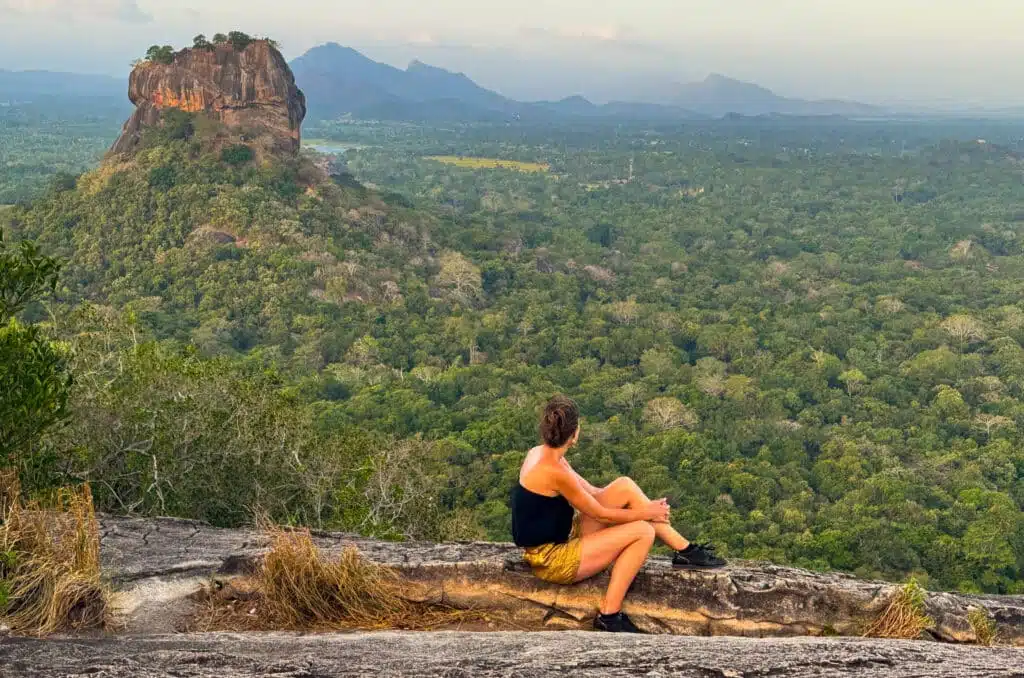
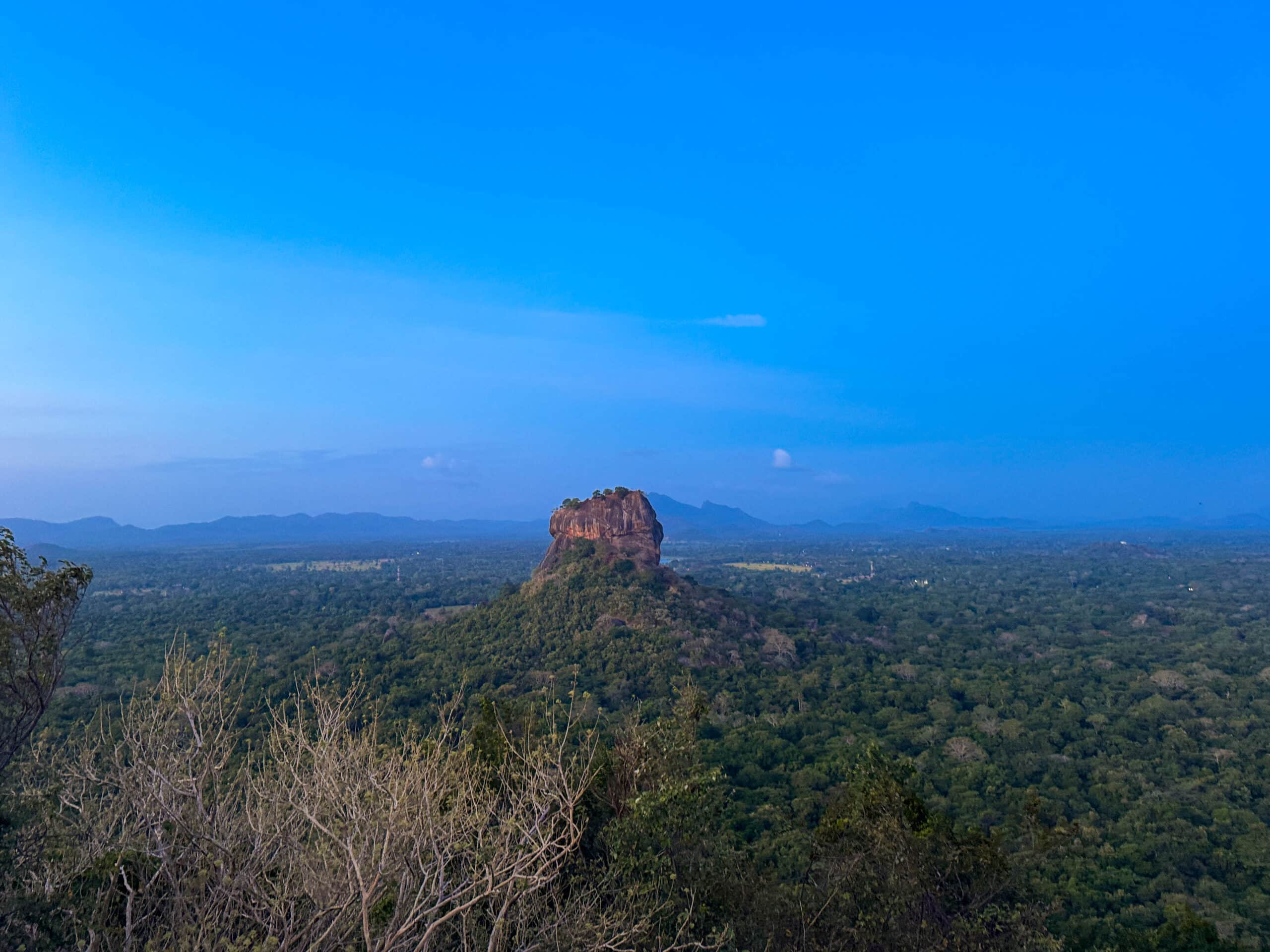
Pidurangala Rock offers a very different experience from Lion Rock and is often chosen by travellers looking for a quieter, more nature-focused viewpoint. The hike leads through forest paths and ancient monastery remains before opening up to wide views over the surrounding landscape — including a direct view of Lion Rock from above.
Many travellers visit Pidurangala at sunrise, when the light gradually spreads over the jungle canopy and the rock formations below. Compared to Lion Rock, the atmosphere here is more relaxed and less structured, making it a popular choice for those who prefer scenery and calm over history and crowds.
The hike itself is relatively short but includes a final boulder section near the top, where you’ll need to use your hands for balance. Good shoes are recommended, and early mornings can be cool and windy at the summit. Because the trail passes a small temple at the start, covering shoulders and knees is required briefly before continuing the climb.
Pidurangala works particularly well when combined with a slower Sigiriya itinerary — for example, visiting at sunrise and keeping the rest of the day for village experiences, lakes, or shaded walks.
👉 For timing tips, what to expect on the trail, and whether sunrise or sunset suits you better, see our complete Pidurangala Rock hiking guide here.
Night Walk at Pidurangala: Spotting the Elusive Slender Loris
In the evenings, the forest around Pidurangala becomes active in a very different way. Guided night walks focus on spotting nocturnal wildlife, with the slender loris being the main highlight. These small primates are native to Sri Lanka and are rarely seen during the day.
The walk takes place at specific times after sunset and is led by experienced guides who know where loris are most commonly found around Pidurangala. Using red-filtered lights to minimise disturbance, the walk moves slowly through the forest, offering a chance to observe loris in their natural environment, along with other nocturnal species.
This experience suits travellers interested in wildlife beyond classic safaris and works well as a low-impact evening activity after a day of sightseeing. Because sightings are never guaranteed and group sizes are kept small, booking ahead is recommended.
Traditional Sigiriya Village Tour (Boat Ride & Local Cooking)
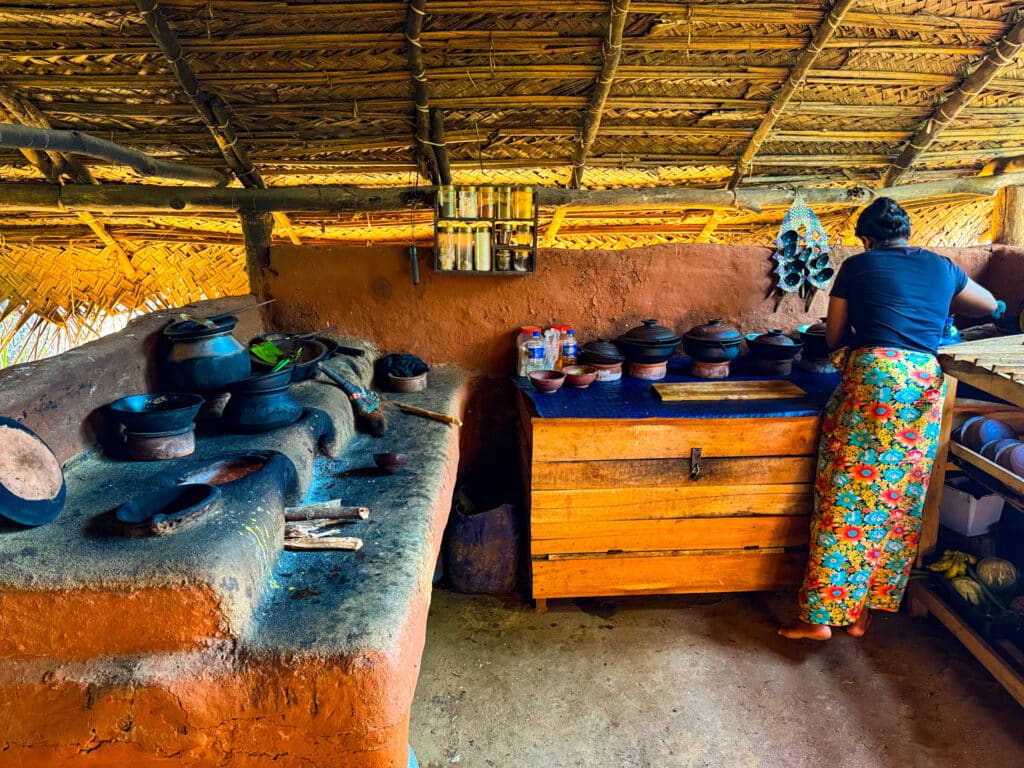
One of the most immersive experiences in Sigiriya is a traditional village tour, offering a glimpse into rural life beyond the main archaeological sights. Rather than focusing on monuments or viewpoints, this experience centres on everyday routines, local landscapes, and food traditions that have changed little over generations.
Village tours are typically presented as a three-part experience, starting with an ox-cart ride, followed by a short boat crossing and a traditional cooking session. Based on our own visit, it’s important to know that not every part of this tour feels equally respectful or worthwhile.
The ox-cart ride is the first element of the tour, and also the part we would strongly advise skipping. The ride itself lasts only around five minutes, yet the way the ox is used and handled felt deeply uncomfortable to witness and came close to animal mistreatment. We found this part of the experience genuinely distressing and regretted taking part in it. If you choose to do a village tour, we recommend asking the operator in advance to skip the ox-cart entirely. In most cases, it’s possible to go by tuk-tuk directly to the lake, which removes this element without affecting the rest of the experience.
The boat crossing across a lotus-filled lake comes next and is a complete contrast. It’s calm, scenic, and unhurried, offering a peaceful introduction to the countryside. This short crossing allows you to take in the surrounding fields, birdlife, and village paths and sets a much more comfortable tone for what follows.
The cooking experience is the clear highlight of the tour. After the boat ride, you’re welcomed into a simple clay hut where a local family invites you to take part in preparing a traditional Sri Lankan meal. This is genuinely hands-on: grating fresh coconut, grinding spices by hand, chopping vegetables grown nearby, and cooking over a clay stove using coconut-shell fire. Sharing the meal you helped prepare adds a personal layer and creates a meaningful connection to local life.
When approached thoughtfully — without the ox-cart — the village tour offers a valuable and respectful insight into rural life in Sigiriya. It works especially well for travellers who enjoy slower, hands-on experiences and want to understand how everyday village life fits into the wider cultural landscape of the region.
Village tours in Sigiriya vary in quality and structure. If you decide to book one, choose an operator that allows you to skip the ox-cart ride and focuses on the boat crossing and cooking experience instead.
If you’re mainly interested in Sri Lankan food and traditional cooking techniques, it’s also possible to book the cooking experience as a standalone activity. This focuses entirely on preparing a traditional meal with a local family, without the full village tour.
It’s a good option if you prefer a shorter, food-focused experience or want to avoid other elements of the village tour.
Top Things to Do Near Sigiriya Sri Lanka (Using Sigiriya as a Cultural Triangle Base)
One of the advantages of staying in Sigiriya is its central position within Sri Lanka’s Cultural Triangle. From here, several of the region’s most important cultural and natural highlights can be reached easily on half-day or day trips, without the need to constantly change accommodation. This central location makes Sigiriya Sri Lanka one of the most practical bases for exploring the wider Cultural Triangle without constantly changing accommodation.
Dambulla Cave Temple

Just 20–30 minutes from Sigiriya, Dambulla Cave Temple is one of the most significant Buddhist sites in Sri Lanka. The complex consists of five cave temples carved into a hillside, filled with Buddha statues and richly coloured murals that cover entire ceilings. The setting feels calm and atmospheric, offering a strong contrast to the open landscapes around Sigiriya and making it one of the most rewarding cultural day trips in the region.
Travellers who prefer a guided experience often combine Dambulla Cave Temple with Lion Rock in a single day. Private tours by tuk-tuk or car allow you to move at your own pace and are especially convenient if you’re short on time or travelling with children.
Elephant Safari in Minneriya National Park
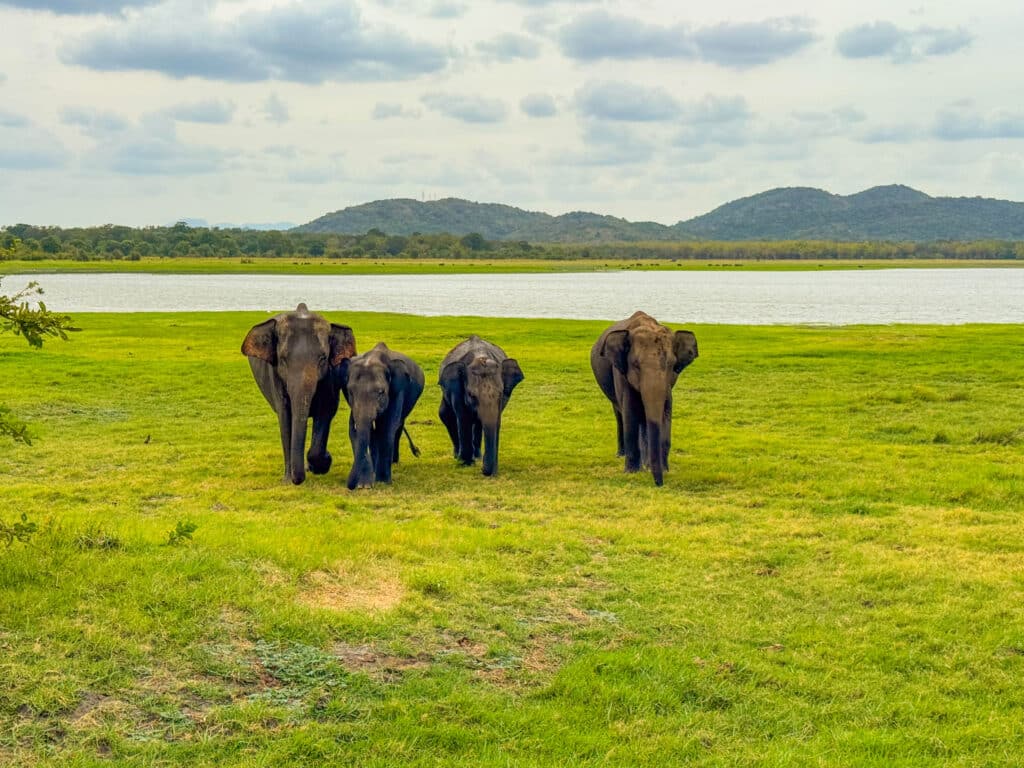
Sigiriya is also well placed for visiting Minneriya National Park, famous for hosting one of the largest gatherings of Asian elephants in the world. During the dry season, large herds gather around Minneriya Tank to drink, graze, and cool off — a natural phenomenon known as The Gathering. A safari here offers the chance to observe elephants in a protected environment, often alongside birds, deer, and other wildlife.
If you’d like to visit Minneriya National Park without worrying about logistics, a half-day safari is an easy and popular option. These safaris usually run in the afternoon, when elephant sightings are most common, and include hotel pick-up from Sigiriya or nearby towns.
Hot Air Balloon Ride Over the Cultural Triangle
Hot air balloon rides offer a unique way to see the Cultural Triangle from above, with early-morning flights drifting over forests, lakes, villages, and rock formations. Weather-dependent but unforgettable on clear mornings.
Flights usually depart before sunrise and include transport from Sigiriya or nearby towns, making it an easy addition to a short stay.
Cycling Through the Countryside
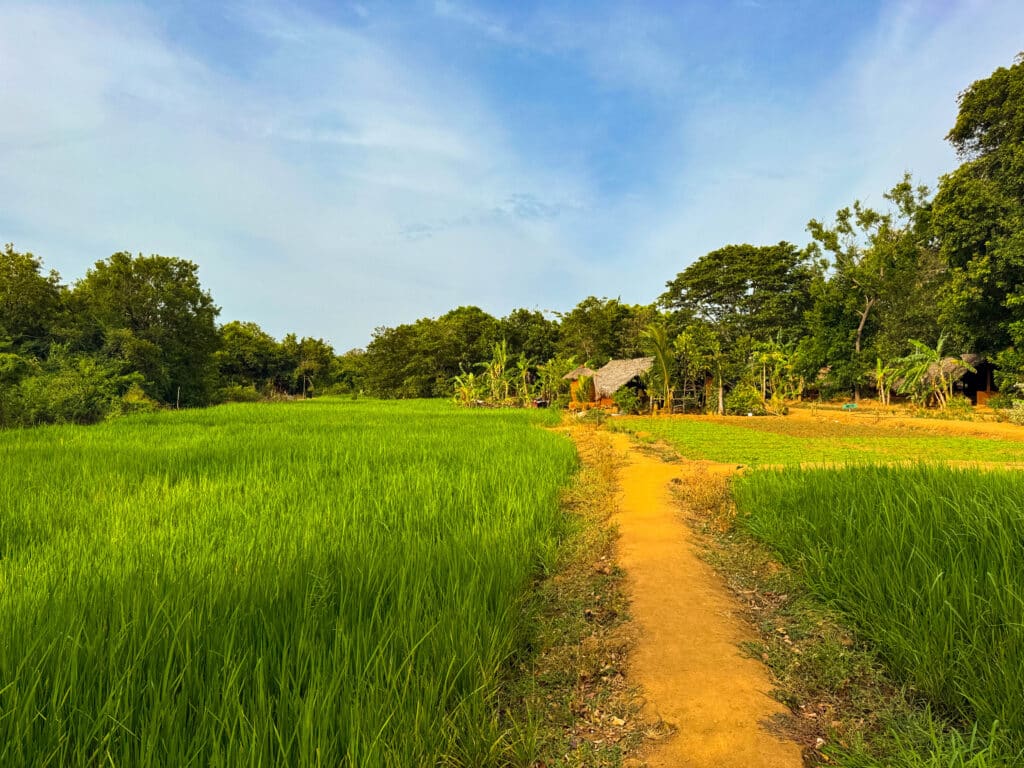
Not every experience near Sigiriya needs to be planned or booked in advance. Some of the most rewarding moments come from slowing down and exploring the landscape at your own pace. The flat terrain around Sigiriya makes it ideal for relaxed cycling. Quiet dirt roads wind past rice paddies, village houses, grazing water buffalo, and small local shops. Cycling is an easy way to explore the area at your own pace and works particularly well in the early morning or late afternoon, when temperatures are lower.
Lakes & Birdwatching (Thalkote Lake / Kandalama Lake)
Several lakes around Sigiriya offer peaceful spots for walking, photography, and birdwatching. Thalkote Lake is especially atmospheric at sunrise, when mist drifts across the water and the surrounding landscape slowly comes to life. Kandalama Lake, slightly further away, is also known for its birdlife and quiet setting. Both are well suited for slower moments between sightseeing.
Ayurvedic Treatments & Spa Experiences
After warm days of exploring temples, viewpoints, and villages, many lodges and boutique hotels in the area offer Ayurvedic massages and treatments using local herbs and oils. These sessions are a popular way to unwind and fit naturally into a slower-paced stay in Sigiriya.
Local Craft Workshops
In villages around Sigiriya, small workshops still practise traditional crafts such as pottery and wood carving. Visiting these workshops offers insight into skills that have been passed down through generations and provides a meaningful way to support local artisans. Some workshops allow visitors to observe the process closely or try a simple hands-on step themselves.
These are the most booked experiences in Sigiriya:
Klook.comWhere to Stay in Sigiriya
Sigiriya offers a wide range of accommodation, from simple nature lodges to high-end boutique resorts. Where you stay can shape your experience here: some travellers prefer to be close to the rock and main sights, while others choose quieter surroundings or a more central base for exploring the wider Cultural Triangle. For a full breakdown, see our best hotels in Sigiriya guide.
Below are a few carefully selected places that work particularly well as a base in and around Sigiriya, each suited to a different travel style.
Sigiriya Tree Trails Lodge
Best for nature lovers and a relaxed stay close to Sigiriya
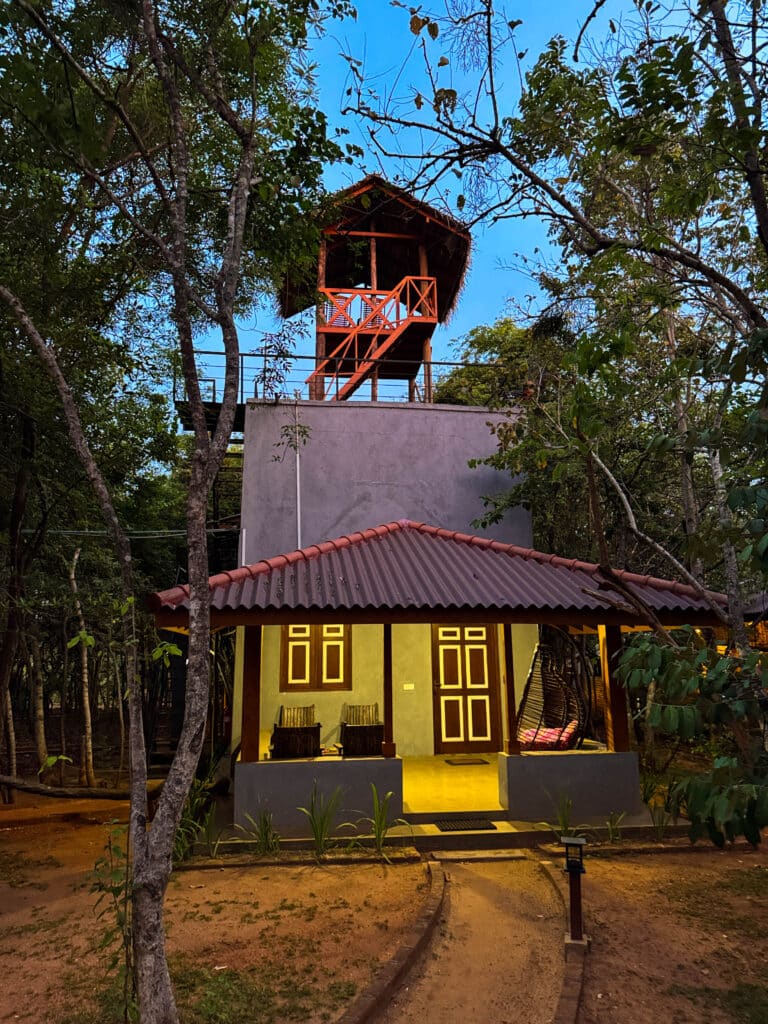
Sigiriya Tree Trails Lodge is a small, nature-immersed hotel set in a forested area just outside Sigiriya village. We stayed here ourselves and found it a very pleasant and relaxed base, especially after warm days of sightseeing. The rooms are spread out across the greenery — some more atmospheric than others — but overall comfortable and well integrated into the natural surroundings.
A particularly nice feature is the series of wooden lookout towers built above the rooms. From here, you can see both Lion Rock and Pidurangala rising above the forest, especially beautiful around sunset when the light softens and the landscape quiets down. It’s a simple detail, but one that adds a lot to the overall experience.
One of the highlights is the swimming pool, which is ideal for cooling off in the afternoon. The atmosphere is informal and calm, and the people working here are genuinely friendly and welcoming, which made the stay feel easy and personal.
The only downside for us was the food in the restaurant, which we found somewhat underwhelming compared to other meals we had in the area. For that reason, we’d recommend combining dinners here with eating out in Sigiriya town, where there are several good local options.
- Rating: 9.6
- Price per night (2 people): approx. $75
- Breakfast: Included
- Pool: Outdoor pool
- Location: Forest setting on the edge of Sigiriya village
- Room types: Treehouse-style rooms
- Family rooms: Yes (up to 4 people)
Water Garden Sigiriya
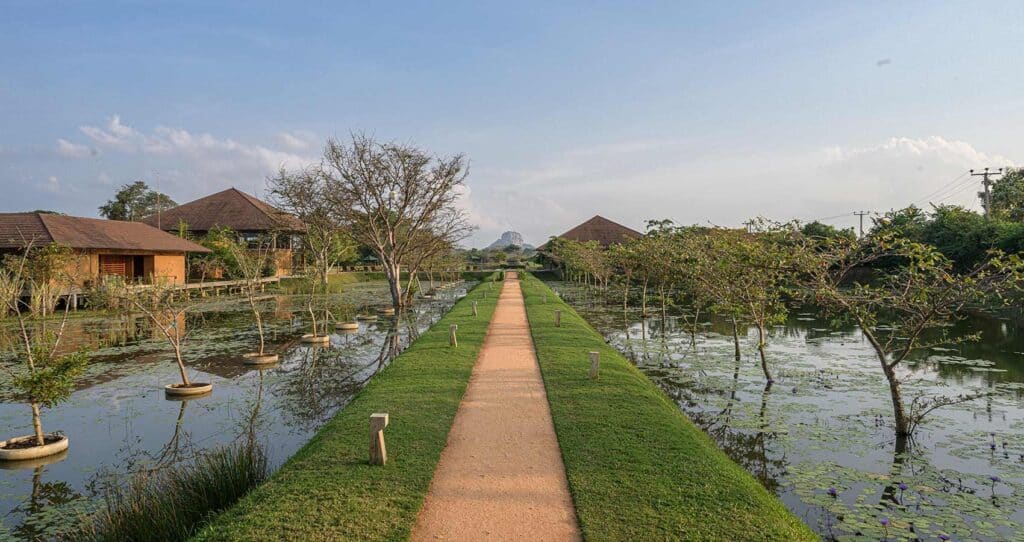
Best for luxury, privacy, and iconic views
Water Garden Sigiriya is one of the region’s most exclusive boutique resorts, known for its private pool villas, landscaped water gardens, and direct views of Sigiriya Rock. Spacious villas, refined interiors, and attentive service create a serene, high-end experience. This is a destination stay in itself and works best for travellers who plan to spend time enjoying the property, not just using it as a place to sleep.
- Rating: 9.3
- Price per night (2 people): approx. $470
- Breakfast: Included
- Pool: Private villa pools + main outdoor pool
- Location: Close to Sigiriya Rock, surrounded by landscaped nature
- Room types: Luxury pool villas
- Family rooms: Yes (up to 4 people)
Taru Villas Maia – Habarana
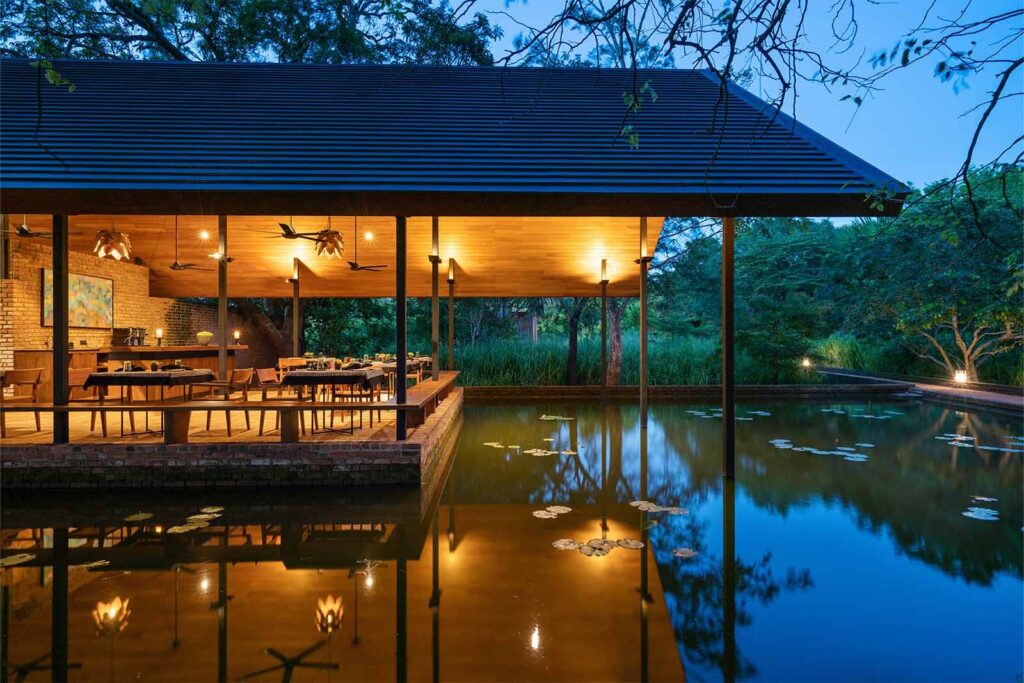
Best for boutique comfort and central access to the Cultural Triangle
Located in Habarana, Taru Villas Maia offers a refined boutique experience with elegant interiors, a lush garden, and highly personalised service. While it’s not in Sigiriya itself, the location works extremely well if you’re combining Sigiriya with Dambulla and Minneriya. This is a strong choice for travellers who value comfort and calm over immediate proximity to one specific sight.
- Rating: 9.6
- Price per night (2 people): approx. $350
- Breakfast: Included
- Pool: Outdoor pool
- Location: Habarana, central for Sigiriya, Dambulla & Minneriya
- Room types: Boutique suites
- Family rooms: No
These accommodations offer different ways to experience Sigiriya — whether you’re prioritising nature, luxury, or a central base for day trips. As the area continues to grow in popularity, we’ll be expanding this section with a dedicated guide to the best hotels in and around Sigiriya.
Where to Eat in Sigiriya Town
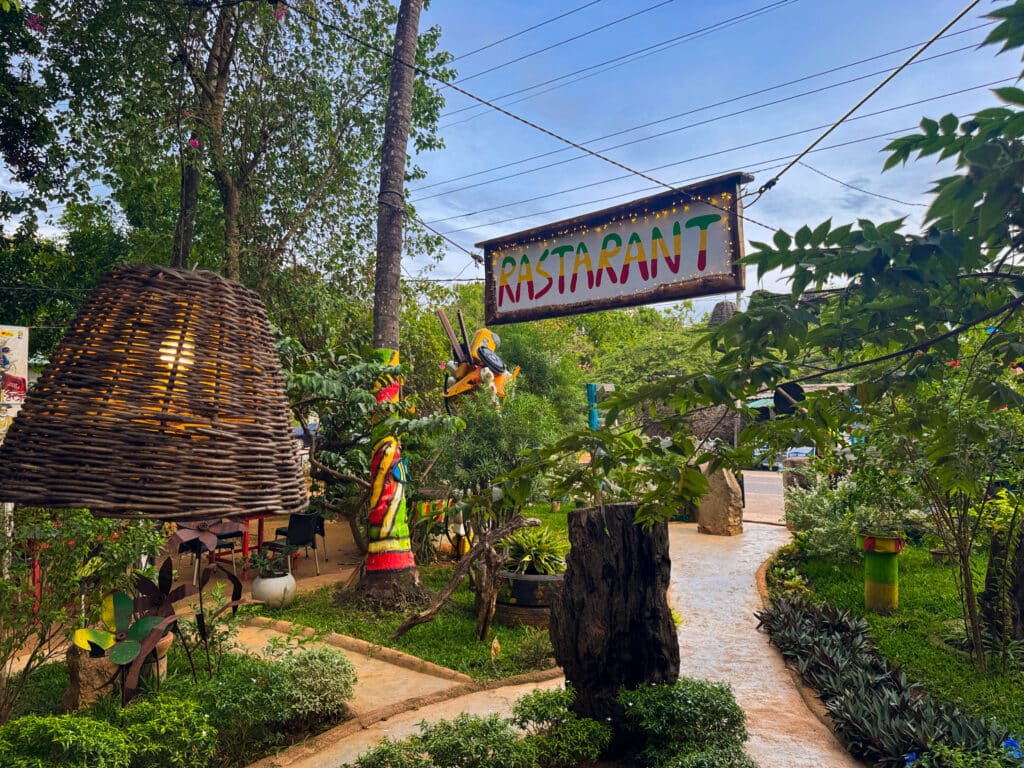
Sigiriya town has a small but pleasant selection of informal restaurants, mainly serving Sri Lankan dishes and simple, freshly prepared meals. After a long day of sightseeing, these places are easy stops for a relaxed dinner close to where most travellers stay.
We visited both of the spots below during our stay.
Rastarant is a colourful, relaxed place with a friendly atmosphere and plenty of space to sit outside. It felt especially welcoming for families — when we were there, children were happily swinging on a rope above a small stream running through the garden. Unfortunately, the kitchen was closed that evening and only drinks were being served, so we didn’t get to try the food. Even so, it’s easy to see why this place is popular when the kitchen is open.
Just next door is Sigiriya Cool Place, where we ended up eating instead. The setting was lively and social, and the food was simple, filling, and well suited after a long day out. The service felt a bit less warm, but it was extremely busy at the time and seemed to be run by just one person — which likely explained the pace and atmosphere.
Both restaurants are affordable and conveniently located, making them easy options for dinner in Sigiriya town. This part of town has several small restaurants clustered close together, so it’s easy to walk around, see what’s open, and choose what suits you that evening — especially useful if one place is busy or not serving food at the time.
Practical Information for Visiting Sigiriya Sri Lanka
Best Time to Visit Sigiriya
Sigiriya lies in Sri Lanka’s dry zone and can be visited year-round. The most comfortable months are generally from December to April, when rainfall is lower and mornings are clearer. Regardless of season, early starts are key — both for cooler temperatures and fewer crowds, especially if you plan to visit Lion Rock or Pidurangala.
How to Get to Sigiriya Sri Lanka
Sigiriya is most easily reached by road. Many travellers arrive from Kandy, Dambulla, or Habarana, with travel times ranging from 30 minutes to around three hours depending on your starting point. Tuk-tuks are practical for short distances locally, while private drivers are the most convenient option for longer routes within the Cultural Triangle. During our own trip, we explored the Cultural Triangle with a trusted local driver, which made early starts, safari transfers, and flexible day trips much easier.
How Long to Stay in Sigiriya Sri Lanka
One full day is enough to see the main highlights, but two nights allow for a more relaxed experience. Staying longer makes it easier to combine early-morning viewpoints, village activities, cycling, and nearby day trips without rushing.
See how Sigiriya fits into a wider route in our 10 Days Sri Lanka Itinerary: Explore Culture, Nature & Beaches at the Perfect Pace.
Getting Around Locally
Tuk-tuks are widely available and affordable, while bicycles are a popular option for exploring the surrounding countryside at a slower pace. Many accommodations can help arrange transport or rentals on arrival.
Is Sigiriya Worth to Visit?
For most travellers exploring Sri Lanka’s Cultural Triangle, the answer is yes. Sigiriya Sri Lanka offers more than a single landmark; it combines archaeological heritage, open landscapes, wildlife access, and rural experiences in one compact area. You can climb an ancient fortress at dawn, watch elephants roam in nearby national parks, and still return to a peaceful countryside lodge by evening. Few places bring together culture and nature so seamlessly.
For us, Sigiriya was absolutely worth visiting. Watching the sun rise with a clear view of Lion Rock from Pidurangala felt unforgettable, and seeing elephants in Minneriya added a completely different dimension to the stay. The village experience — especially the cooking and time spent in the countryside — gave context beyond the monuments. It’s this mix of viewpoints, wildlife, and everyday life that made Sigiriya Sri Lanka feel complete rather than one-dimensional.
If you’re shaping a broader route through the island, Sigiriya fits beautifully into a balanced journey. You can see exactly how it connects with other highlights in our 10 Days Sri Lanka Itinerary, which links the Cultural Triangle with wildlife, hill country, and the coast at a well-paced rhythm.
What to Book on Sigiriya
Everything worth booking on Sigiriya, all in one place:
🏨 Taru Vilas Maia Habarana Sigiriya
🎟️ Lion Rock
🎟️ combined Sigiriya Rock and Village Tour
🎟️ Pidurangala
🎟️ your Pidurangala loris night walk here
🎟️ your Sigiriya cooking class here
🎟️ half-day Minneriya safari tour
🐘 Plan Your Sri Lanka Trip
🏨 Still looking for the right stay? Browse all hotels in Sri Lanka — free cancellation on most rooms.
✈️ Flights: Compare routes and prices for flights to Sri Lanka.
🚂 Getting around: Book train tickets in advance (the scenic routes sell out), or arrange a private driver, tuk tuk rental or rental car.
📱 Stay connected: Get a Sri Lanka eSIM from Airalo before you fly. We use Airalo ourselves on every trip.
🔒 Travel insurance: Don't skip travel insurance for Sri Lanka — medical costs for tourists add up fast.
🎟️ Tours & activities: Browse safaris, cooking classes and tours across Sri Lanka.
💳 Money: Avoid card fees abroad with a free Revolut account.
Some links on this page are affiliate links. Booking through them costs you nothing extra and helps us keep this site running — thank you!
Frequently Asked Questions About Sigiriya Sri Lanka
Is Sigiriya Sri Lanka worth visiting if I don’t climb Lion Rock?
Yes. While Lion Rock is the main landmark, Sigiriya Sri Lanka offers much more than the climb. You can hike Pidurangala at sunrise, cycle through rice fields, visit nearby lakes, join a village cooking experience, or head out on safari. Many travellers enjoy Sigiriya as a relaxed base within the Cultural Triangle.
How many days do you need in Sigiriya Sri Lanka?
One full day covers the key highlights, but two nights is ideal. This allows time for Lion Rock or Pidurangala, a village experience, and possibly a safari or Dambulla visit. Staying two to three nights makes it easier to enjoy early starts and explore the area without feeling rushed.
Which is better: Lion Rock or Pidurangala?
They offer different experiences. Lion Rock focuses on history, archaeology, and landscaped gardens within the ancient fortress complex. Pidurangala is more about panoramic views and a natural hike, especially at sunrise. Many travellers visit both, as each shows a different side of Sigiriya Sri Lanka.
When is the best time of year to visit Sigiriya Sri Lanka?
The most comfortable months are generally December to April, when rainfall is lower and mornings are clearer. Sigiriya lies in Sri Lanka’s dry zone, so it can be visited year-round, but heat can be intense. Regardless of season, early mornings are best for climbs and outdoor activities.
Are there wild elephants near Sigiriya Sri Lanka?
Yes, elephants roam the wider region, particularly near lakes and forest edges. The safest way to see them is on a guided safari in nearby parks such as Minneriya or Kaudulla. Walking in isolated areas after dark is not recommended due to unpredictable wildlife movement.
What is included in a Sigiriya village tour?
A typical village tour includes a boat ride across a lake and a hands-on cooking session with a local family. Some tours also include an ox-cart ride, which many travellers prefer to skip. The focus is on rural life, traditional food preparation, and understanding everyday life beyond the main sights.
What is the best time of day to explore Sigiriya Sri Lanka?
Early morning is best, especially for climbing Lion Rock or hiking Pidurangala. Temperatures rise quickly during the day, making midday climbs more demanding. Afternoons are better suited for lakes, village experiences, spa treatments, or relaxing at your accommodation.
Do I need a SIM card or eSIM for Sri Lanka?
Mobile data is cheap and reliable across Sri Lanka, and having it from arrival makes getting around the Cultural Triangle easier — for maps, tour bookings and ride apps. The simplest option is to set up an eSIM for Sri Lanka before you fly. Prefer a local SIM? You can buy a Dialog or Mobitel SIM at Colombo airport.
Related Blogs
Other Cities & Destinations
Best Cities to Visit in Sri Lanka: A Practical Guide to Regions, Routes & City Bases
Kandy Sri Lanka: The Cultural Capital Known for Sacred Temples and Scenic Lake Views
Ella Sri Lanka: The Scenic Hill Town with Stunning Views and Adventure for All Travellers
Negombo City: A Coastal Charm Blending Culture and Beaches
Nuwara Eliya: Sri Lanka’s Cool Hill Station Rich in Tea Plantations and Colonial Elegance
Udawalawe: Sri Lanka’s Premier Wildlife Safari Hub Famous for Elephant Sightings
Unawatuna: Sri Lanka’s Tropical Paradise Known for Pristine Beaches and Vibrant Marine Life
Galle Sri Lanka: Explore the Historic Fort City’s Colonial Heritage and Coastal Vibes
Other Sri Lanka Blogs
Best Hotels in Sri Lanka: How to Choose Where to Stay
Where to Stay in Sri Lanka: Best Hotels by Travel Style
Sri Lanka Regions Explained: How to Choose the Best Areas for Your Trip
Sri Lanka Travel Itinerary: Custom Plans for Beach Lovers, City Explorers, and Wildlife Adventurers
Top Things to Do in Sri Lanka: The Most Rewarding Experiences on the Island
Best Time to Visit Sri Lanka: Weather, Seasons & Travel Tips
Sri Lanka Weather by Month: What to Expect Each Season as a Traveller
Getting Around Sri Lanka: Ultimate Guide to Transport, Trains, Tuk-Tuks & Easy Trip Planning
Is Sri Lanka Expensive to Travel? Budget, Costs & Money-Saving Tips for Your Trip
Sri Lanka Travel Guide: Visa Requirements, Vaccination & Local Travel Tips