Table of Contents
The Maldives may look effortless — turquoise lagoons, barefoot dinners on the sand, slow mornings over coral reefs — but before you step onto that seaplane, there is one practical question most travellers quietly Google: Do You Need Vaccinations to Go to Maldives?
For most travellers, vaccinations for Maldives are about prevention and peace of mind rather than strict entry rules. There is no overwhelming list of mandatory injections for typical resort holidays, yet a few well-timed checks can make the difference between travelling confidently and second-guessing your preparation. Whether you are staying in an overwater villa, exploring inhabited islands, or combining the Maldives with another country, understanding the right health precautions allows you to focus on the experience rather than the risk.
This article walks through what is legally required, what is recommended, and what depends on your travel style — along with timing, clinics, and the everyday habits that matter just as much as a jab.
In a Rush?
These are my Favourite Resorts in Maldives
- ⭐️⭐️⭐️ Soneva Jani – Check Prices and Availability
- ⭐️⭐️ Kurumba Maldives – Check Prices and Availability
- ⭐️ Kandima Maldives – Check Prices and Availability
Vaccinations for Maldives at a Glance
Before diving into the details, here is a quick overview of what most travellers actually need to know about vaccinations for Maldives.
| Vaccine | Required for Entry? | Who Should Consider It | Timing |
|---|---|---|---|
| Yellow Fever | Only if arriving from risk country | Travellers via Yellow Fever regions | At least 10 days before arrival |
| Hepatitis A | No | Almost all travellers | 2–4 weeks before |
| Typhoid | No | Local island stays and longer trips | 2–3 weeks before |
| Hepatitis B | No | Long stays and medical risk | 4–6 weeks before |
| Rabies | No | Remote travel and animal exposure | 4–8 weeks before |
| Routine vaccines | No | All travellers | Check boosters anytime |
| Malaria tablets | Not required | — | Maldives is malaria-free |
Why Vaccinations for Maldives Matter Before You Travel
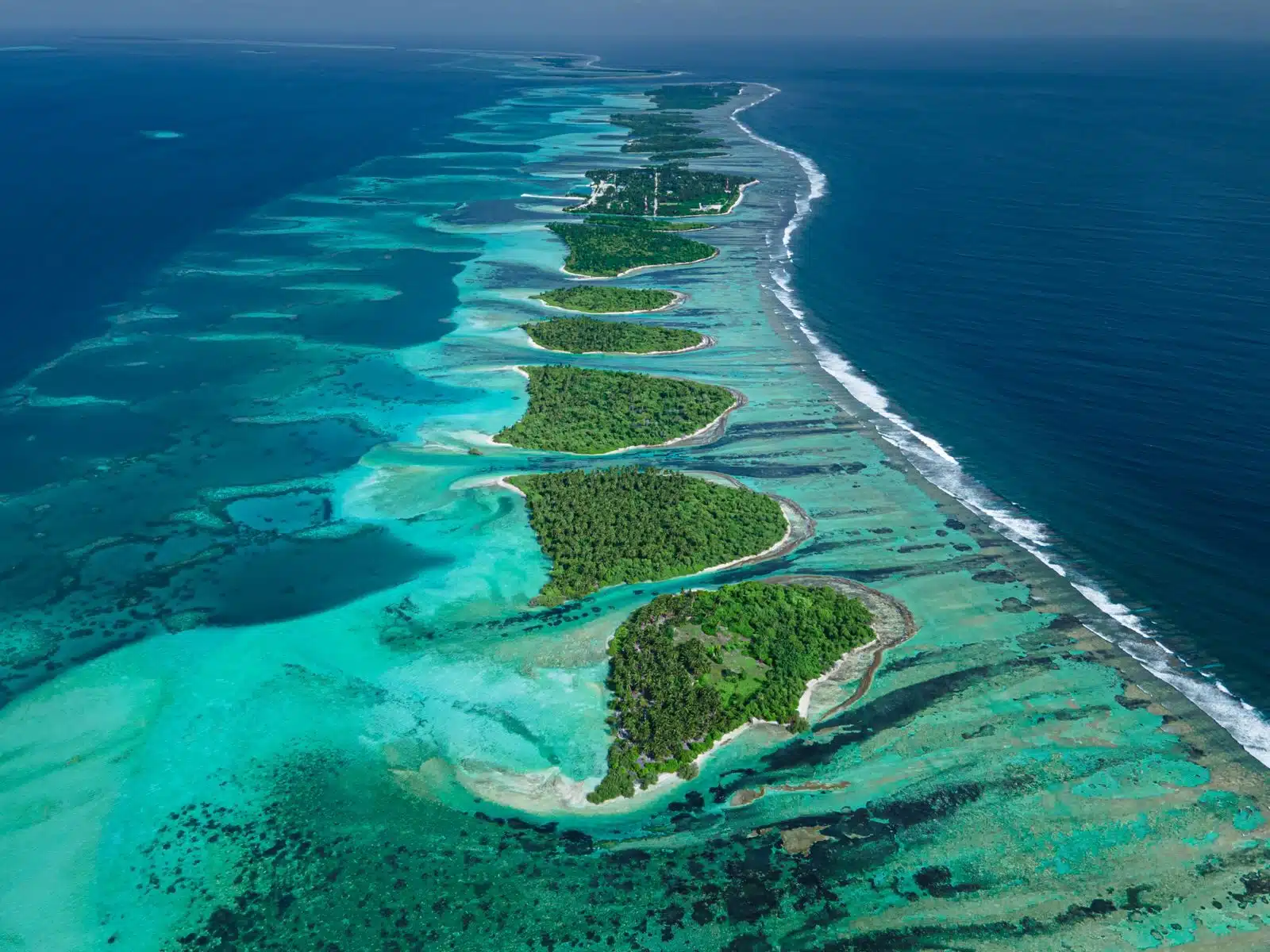
The Maldives is a tropical island nation where days are spent barefoot on jetties, snorkelling coral reefs, hopping between islands, and enjoying buffets and beach barbecues. Even if you stay in a luxury resort, simple health risks can disrupt your trip if you do not prepare.

The biggest preventable issues for many travellers are linked to:
- Food and water contamination – risks for Hepatitis A and Typhoid, especially if you eat in local cafés or guesthouses on inhabited islands.
- Mosquito-borne diseases – the Maldives is malaria-free, but Dengue and Chikungunya occur on some islands.
- Injuries and minor infections – coral cuts, boat scrapes, and small wounds need good Tetanus protection and basic first aid.
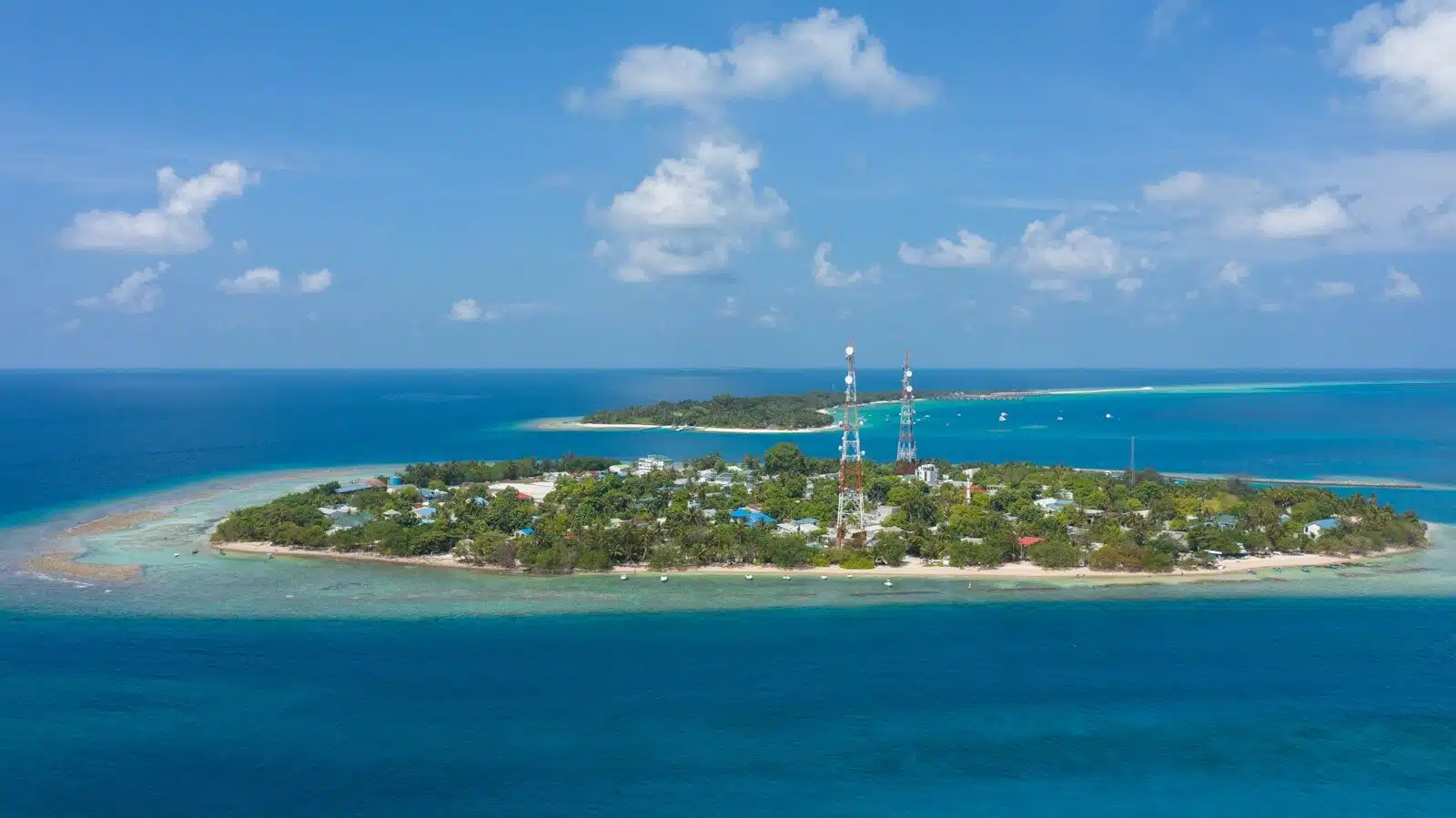
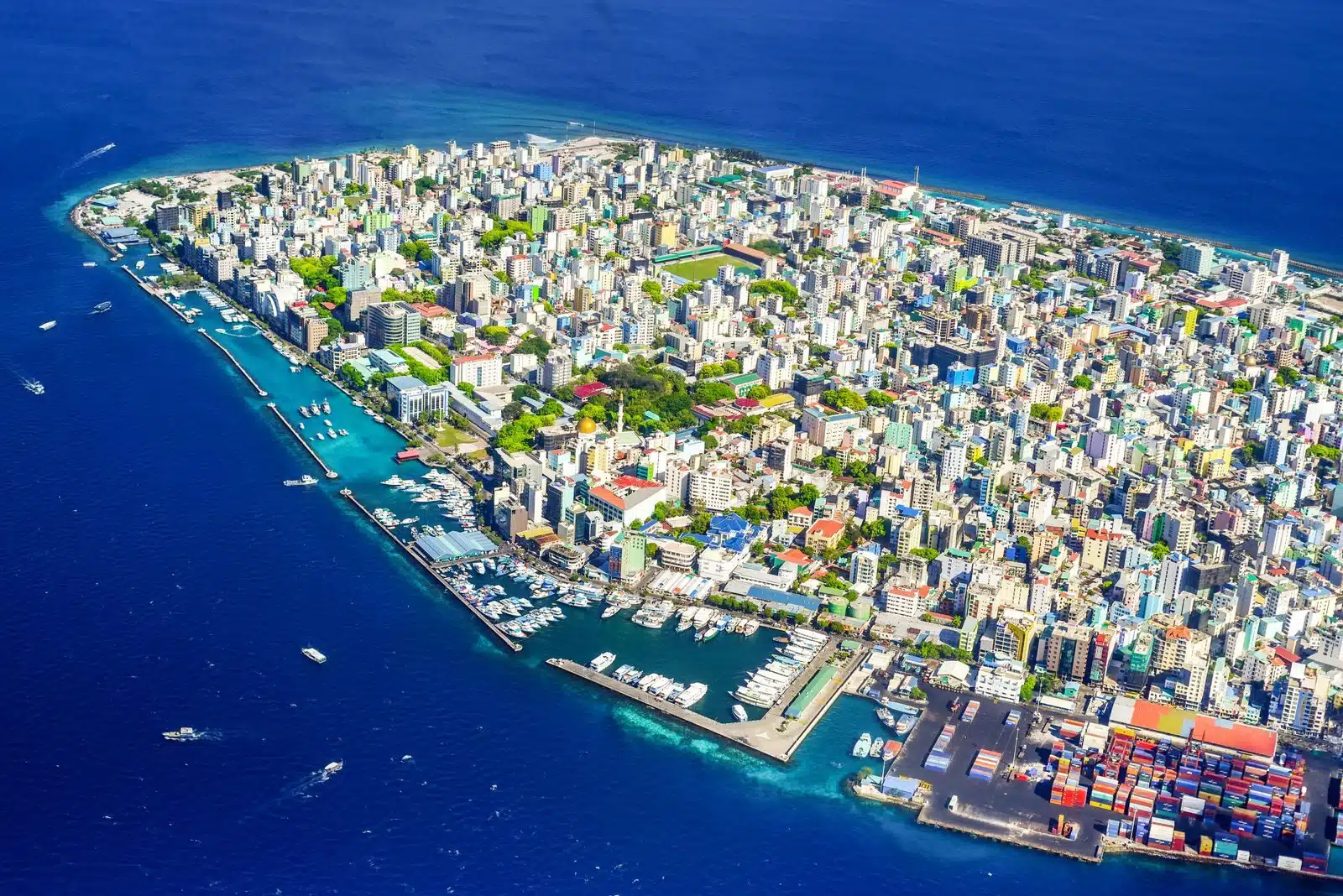
- Limited immediate care on remote islands – more complex treatment often requires transfer to Malé or a main medical facility.
Getting the right vaccines reduces your risk of illness, protects your health long after you return home, and lowers the chance you will need urgent medical care in a remote setting. A short visit to a travel clinic at home is much easier than trying to find a doctor at midnight on a tiny island. Many travellers prefer staying on well-established resort islands with reliable medical access and on-site doctors, such as Soneva Jani, Kurumba Maldives, or Kandima Maldives, where staff are experienced in assisting international guests if minor medical issues arise.
Routine Vaccinations to Check Before Travelling
Before looking at destination-specific vaccinations for Maldives, start with your basic immunization status. These routine shots protect against infections you can encounter anywhere in the world, including airports, planes, and crowded tourist spots.
Common routine vaccines to review include:
- Tetanus / Diphtheria / Pertussis (Td/Tdap): Boosters are often recommended every 10 years and are especially important if you get coral cuts, scrapes from jetties, or minor injuries during activities.
- MMR (Measles, Mumps, Rubella): Essential where crowds gather (airports, ferries, resort shows), and strongly recommended if you are not fully vaccinated from childhood.
- Polio: Many adults are fully vaccinated but some may need a booster depending on where they live and their original schedule.
- Seasonal Influenza: Optional but recommended, particularly if you travel in flu season or are in higher-risk groups.
A travel clinic or GP can check your records quickly and tell you which vaccines are already covered and what may be missing. Use a simple checklist before you go to Maldives:
- Tetanus booster up to date?
- Two MMR doses documented?
- Polio status confirmed?
- Current flu shot (if advised for you)?
Recommended Vaccinations for Maldives Travellers
These vaccines are not usually mandatory for entry, but they are widely recommended for most visitors, especially first-timers and anyone staying on local islands or eating away from resort buffets.

Hepatitis A
Hepatitis A spreads through contaminated food and water and is one of the most frequently recommended vaccines for tropical destinations like Maldives. Even resorts cannot completely eliminate risk from salads, ice, or buffets.
- Recommended for: Almost all travellers to Maldives
- Why it matters: Exposure can happen in both simple guesthouses and high-end properties.
- Schedule:
- 1 dose before travel for short-term protection
- 2nd dose months later for long-term immunity (often up to 20 years)
Typhoid
Typhoid is another food- and water-borne disease, linked to hygiene and water treatment standards. It is especially relevant if you:
- Eat at local cafés or roadside stalls on inhabited islands
- Stay in small guesthouses rather than all-inclusive resorts
- Take longer trips or combine Maldives with nearby higher-risk countries
- Recommended for:
- Travellers eating local food
- Longer or multi-stop trips
- Those who prefer budget stays and local islands
- Schedule:
- Injectable Typhoid: single dose
- Oral Typhoid: multiple capsules over several days
Hepatitis B
Hepatitis B is transmitted via blood and bodily fluids. For many holidaymakers it is considered a “nice to have”; for long stays or potential medical care abroad, it becomes more important.
- Recommended for:
- Long-term travellers and digital nomads
- Divers or active travellers more likely to need emergency care
- Anyone who might receive medical or dental treatment abroad
- Schedule:
- Standard: 3 doses over several months
- Accelerated schedules are sometimes available for last-minute travellers
Rabies
Rabies risk in Maldives is considered lower than in many mainland destinations but may still be discussed at travel clinics. There are dogs, bats, and other animals on some islands, and travel routes might include countries with higher rabies risk.
- Recommended for:
- Long stays or frequent visits
- Families with children (kids are more likely to approach animals)
- Travellers spending time on rural or remote islands
- Anyone who expects close contact with animals or caves with bats
Rabies pre-exposure vaccination does not remove the need for treatment after a bite, but it simplifies and speeds up the process if exposure occurs.
Yellow Fever Vaccine & Entry Requirements for Maldives
When people ask “do you need vaccinations to go to Maldives”, the one legal requirement that matters is Yellow Fever, and only in specific circumstances.
The Maldives follows International Health Regulations and requires a valid Yellow Fever vaccination certificate for travellers aged 9 months or older who:
- Travel from a country with Yellow Fever transmission risk
- Transit more than 12 hours through an airport in a Yellow Fever risk country
If this applies to you, you must show your International Certificate of Vaccination or Prophylaxis on arrival in Maldives. Under WHO guidance, a Yellow Fever vaccination certificate is now valid for life, not just 10 years.
| Scenario | Requirement | Notes |
|---|---|---|
| From non–Yellow Fever country | None for Yellow Fever | Standard Maldives entry rules apply |
| From Yellow Fever risk country | Certificate required | Vaccine must be given at least 10 days before arrival |
| Long transit via risk country | Often required if >12 hrs | Check airline + travel clinic, Maldives references 12+ hour transits |
If you fly directly from destinations like most of Europe, North America, or Australia with no long layover in a Yellow Fever risk country, you generally do not need a Yellow Fever shot for Maldives entry.
If you want a full overview of entry rules, visas and travel basics, read Trip to Maldives: Essential Information on Islands, Visa, Vaccinations & Entry Requirements.
Vaccination Timing: When to Get Your Jabs
Timing is crucial when planning vaccinations for Maldives because some injections require more than one dose or a minimum number of days before they become effective.

Recommended timeline
A good planning window is:
- 6–8 weeks before travel: Ideal for full protection and multi-dose schedules (Hep B, rabies).
- 4 weeks before travel: Still enough time for Hepatitis A and Typhoid, plus many routine updates.
- Last-minute travel: Accelerated schedules and single-dose options may still be possible; it is worth seeing a clinic even if you leave soon.
Vaccine timing table
| Vaccine | Required for entry? | Who usually needs it | When to get it before travel |
|---|---|---|---|
| Yellow Fever | Only if from/transiting Yellow Fever risk country | Travellers with long layovers or trips via risk countries | At least 10 days before arrival |
| Tetanus/Tdap | No | All travellers, booster every 10 years | Any time, update if booster due |
| MMR | No | All travellers without full childhood doses | At least 2–4 weeks before travel |
| Polio | No | All travellers, some may need booster | Ideally 4 weeks before travel |
| Hepatitis A | No | Most travellers, especially eating outside resorts | 2–4 weeks before, second dose months later |
| Typhoid | No | Local island guests, long stays, adventurous eaters | Preferably 2–3 weeks before |
| Hepatitis B | No | Long stays, healthcare work, higher-risk activities | Start 4–6 weeks before travel |
| Rabies | No | Animal/bat contact risk, remote travel | Start 4–8 weeks before travel |
| Influenza | No | All, especially in flu season | As soon as seasonal shot available |
Once your health preparations are sorted, the next step is planning your island itinerary — something covered in detail in Maldives Vacation: How to Plan Your Dream Island Escape for Adventure and Relaxation.
Where to Get Vaccinations for Maldives

For a smooth experience, plan where you will get your vaccines at the same time as you plan flights and accommodation.
- Travel health clinics: These specialize in up-to-date destination advice, including Maldives-specific recommendations and complex itineraries with multi-country routes.
- GP or family doctor: Can often handle routine boosters and some travel vaccines, but availability varies by country.
Why travel clinics are helpful:
- Up-to-date knowledge of Maldives health risks and regional outbreaks
- Ability to tailor advice to your exact itinerary (resort-only vs local islands vs multi-country trip)
- Access to vaccines that might not be stocked in every regular practice
Before your appointment:
- Bring your itinerary, including any stopovers and transit countries.
- Take your vaccination records or photos of them.
- Ask for a written summary of vaccines given and any follow-up doses needed.
Costs, availability, and which vaccines are covered by public systems differ by country, so check in advance whether you need a private travel clinic or can go through your usual doctor.
Additional Health Precautions (Beyond Vaccines)
Vaccines are only one piece of the Maldives health puzzle; daily habits play an equally important role.

Mosquito protection (your daily non-negotiable)
The Maldives is officially malaria-free, so anti-malarial tablets are not normally needed. However, Dengue and Chikungunya are present in parts of the country, and there are no standard traveller vaccines to prevent them, making mosquito bite prevention essential.
- Use insect repellent with DEET, picaridin, or IR3535 on exposed skin, especially during the day when Aedes mosquitoes bite.
- Choose accommodation with screens, air conditioning, or mosquito nets where possible, particularly on local islands.
- Wear light-colored, loose clothing that covers arms and legs during dawn and dusk, and in vegetated areas.
Water and food basics
To reduce the chance of stomach upsets while travelling in Maldives:
- Drink sealed bottled or properly filtered water, especially on smaller islands.
- Be cautious with ice in drinks if you are unsure how the water is treated.
- Prefer hot, freshly cooked food; be more selective with salads, buffets, and street snacks if hygiene seems questionable.
Travel insurance
Even in a destination that feels safe and relaxed, comprehensive travel insurance is important.
Look for policies that cover:
- Medical treatment and hospitalization
- Emergency evacuation to better-equipped hospitals if needed
- Trip disruption if you become too ill to travel onward or home
Health preparation is only one part of planning; understanding the full budget for accommodation, transfers and activities is explained in How Much Does It Cost to Travel to Maldives?.
What to Pack: Simple Maldives Travel First Aid Kit
You do not need to bring a whole pharmacy, but a small, well-planned kit is very useful.

Core items:
- Painkillers (paracetamol / ibuprofen)
- Antihistamines (for bites or mild allergic reactions)
- Oral rehydration salts or electrolyte tablets
- Anti-diarrheal medication and gentle stomach relief
- Plasters, blister pads, antiseptic wipes
- Small thermometer
- Any prescription medications in original packaging
If you travel with children, consider adding:
- Child-friendly fever medication
- Kid-safe insect repellent
- Extra rehydration sachets and any regular pediatric medicines
Final Thoughts on Vaccinations for Maldives
For most travellers, vaccinations for Maldives are about sensible preparation rather than strict rules. Reviewing routine boosters, considering Hepatitis A and Typhoid, and checking whether the Yellow Fever regulation applies to your route is usually enough to travel with confidence.
This guidance is particularly helpful for first-time visitors, families, and anyone combining the Maldives with other destinations. Once your vaccinations for Maldives are sorted, you can turn your attention to choosing islands, planning transfers, and shaping the pace of your stay — the part of the journey that truly defines the experience. If you are still deciding where to stay, this guide to Best Hotel in Maldives Island: Top Luxury, Boutique & Affordable Stays for Every Traveller compares different island styles and price ranges.
🌴 Plan Your Maldives Trip
🏨 Still looking for the right stay? Browse all resorts in the Maldives or hotels & guesthouses on local islands — free cancellation on most rooms.
✈️ Flights: Compare routes and prices for flights to the Maldives.
📱 Stay connected: Skip the airport SIM queue — get a Maldives eSIM from Airalo before you fly. We use Airalo ourselves on every trip.
🔒 Travel insurance: Medical help in the Maldives often means evacuation by seaplane — don't skip travel insurance for the Maldives.
🤿 Tours & activities: Browse snorkelling trips, dolphin cruises and excursions across the Maldives, or check liveaboard diving trips.
💳 Money: Avoid card fees abroad with a free Revolut account.
Some links on this page are affiliate links. Booking through them costs you nothing extra and helps us keep this site running — thank you!
Frequently Asked Questions about Vaccinations for Maldives
Do you need vaccinations to go to Maldives?
Most travellers do not need mandatory vaccinations to enter the Maldives. The only legal requirement is a Yellow Fever vaccination certificate if you arrive from, or transit for more than 12 hours through, a Yellow Fever risk country. For personal protection, health authorities commonly recommend reviewing routine vaccines and considering Hepatitis A or Typhoid before travelling.
What vaccinations are recommended for Maldives travel?
Recommended vaccinations for Maldives typically include Hepatitis A, Typhoid and routine boosters such as Tetanus, MMR and Polio. Some travellers may also consider Hepatitis B or Rabies depending on the length of stay, planned activities and whether they will visit local islands or remote areas. A travel health clinic can advise based on your itinerary and medical history.
Is Yellow Fever vaccination required for Maldives?
Yellow Fever vaccination is only required if you arrive from, or transit for more than 12 hours through, a country where Yellow Fever transmission occurs. Travellers flying directly from Europe, North America or most other non-risk regions generally do not need this vaccine for entry to the Maldives. If required, the vaccine must be given at least 10 days before arrival.
Do I need Hepatitis A or Typhoid vaccines for Maldives?
Hepatitis A is widely recommended because it spreads through contaminated food or water, which can occur in any destination. Typhoid may also be advised, particularly for travellers staying on local islands, eating in small restaurants or combining the Maldives with other countries in the region. A travel clinic can help decide whether both vaccines are appropriate.
Is Maldives malaria-free or do I need malaria tablets?
The Maldives is considered malaria-free, so antimalarial tablets are not normally required for standard tourist trips. However, mosquito-borne illnesses such as Dengue and Chikungunya are present in parts of the country. Travellers should therefore use insect repellent, wear light protective clothing and stay in accommodation with screens or air conditioning where possible.
When should I get vaccinations before travelling to Maldives?
Ideally, travellers should consult a travel health clinic about four to six weeks before departure. This allows enough time for vaccines such as Hepatitis A, Typhoid or multi-dose schedules like Hepatitis B. Even if your trip is sooner, it is still worth seeking advice because some vaccines provide useful protection after a single dose.
Related Blogs
Other Maldives Travel Tips
Maldives Vacation: How to Plan Your Dream Island Escape for Adventure and Relaxation
Trip to Maldives: Essential Information on Islands, Visa, Vaccinations & Entry Requirements
Best Time to Go to Maldives: Weather, Climate & Seasonal Tips for Your Perfect Island Vacation
How Much Does it Cost to Travel to Maldives? Budgeting for Resorts, Local Islands & Activities
Maldives Culture & Religion: What Every Traveller Should Know Before Visiting Local Islands
Maldives Travel Visa Guide: Requirements, Process & Tips for Hassle-Free Entry
How to Plan a Trip to Maldives Like a Pro: Insider Tips for Easy Local Island Transfers
Is Maldives Worth the Money? Honest Comparison with Sri Lanka
Maldives Local Islands vs Resorts: What Should You Choose?
Maldives with Kids: Resorts vs Local Islands
Other Maldives Blogs
How to Choose a Maldives Resort: The Complete Decision Guide
Best Maldives Resorts by Budget: Top Affordable, Mid-Range & Luxury Island Escapes
Best Hotels on Local Islands in Maldives (By Budget): Complete Guide for 2026
How to Choose the Best Atoll in Maldives: A Complete Area & Stay Guide
Top Activities in Maldives: Snorkelling, Diving & Swimming with Manta Rays
Best Hotel in Maldives Island: Top Luxury, Boutique & Affordable Stays for Every Traveller