Table of Contents
Snorkelling in Maldives often looks effortless from the surface — endless turquoise lagoons, white sand islands and coral reefs stretching beneath the water. Yet the experience varies far more than most first-time travellers expect. Marine life, reef access and water conditions change dramatically from one atoll to another, and choosing the right region often matters far more than choosing the right hotel.
Some areas are known for predictable wildlife encounters, where whale sharks glide slowly through open water or manta rays gather in plankton-rich bays. Others offer calm lagoons and vibrant house reefs where turtles and reef sharks appear during relaxed morning snorkels just metres from the beach. Each atoll reveals a different side of snorkelling in Maldives — from gentle, beginner-friendly reefs to more adventurous channel snorkelling influenced by currents.
Understanding how these regions differ makes it much easier to plan a trip around the marine life you hope to see. The sections below explore the atolls that consistently deliver the best snorkelling experiences, explain what makes each one unique underwater, and help you decide where to base yourself before narrowing down specific islands or resorts.
In a Rush?
These are my Favourite Hotels for Snorkelling
- ⭐️⭐️⭐️ Baros Maldives – Resort – Check out Prices & availability
- ⭐️⭐️ Vilamendhoo Island Resort – Resort – Check out Prices & availability
- ⭐️ West Sands Ukulhas – Resort – Check out Prices & availability
Snorkelling in the Maldives at a Glance
Not all snorkelling locations in the Maldives offer the same experience. Marine life, reef access and effort required can vary significantly by atoll.
This quick overview helps you compare the most reliable regions at a glance, so you can immediately see which atoll matches your snorkelling priorities before diving into the detailed explanations below.
Use this table as a starting point — the sections that follow explain why each atoll works the way it does, what you can realistically expect in the water, and which option fits best with your travel style.
| Atoll | Best for | Marine life highlight | Snorkelling style |
|---|---|---|---|
| South Ari Atoll | First-time whale shark encounters | Whale sharks (year-round) | Guided, surface-level |
| Baa Atoll | Seasonal manta ray experiences | Manta rays (Jun-Nov) | Regulated, guided |
| North Male Atoll | Easy, independent snorkelling | Reef sharks, turtles | House reefs, shore entry |
| Vaavu Atoll | More adventurous snorkelling | Sharks, rays | Guided, channel-based |
If you prefer to organise a guided trip rather than relying on house reefs, these snorkelling excursions offer easy access to coral reefs, turtles and reef sharks across the Maldives.

Best Atolls for Snorkelling in Maldives (First-Time Visitors)
Choosing the right atoll is the single most important factor for successful snorkelling in the Maldives, especially on a first visit. Reef quality, marine life density, currents and visibility vary far more by atoll than by individual island or hotel.
Some atolls are defined by reliable large marine life encounters, others by calm lagoons and easy house reefs, while a few offer more energetic conditions suited to confident swimmers. Understanding these differences upfront helps you choose a base that matches what you want to see underwater and how independently you want to snorkel — before narrowing down to specific resorts or local islands.
The atolls below are selected because they consistently work well for first-time travellers, based on encounter reliability, accessibility, and snorkelling value rather than popularity or luxury positioning.
South Ari Atoll – Reliable Whale Shark Encounters (Year-Round)
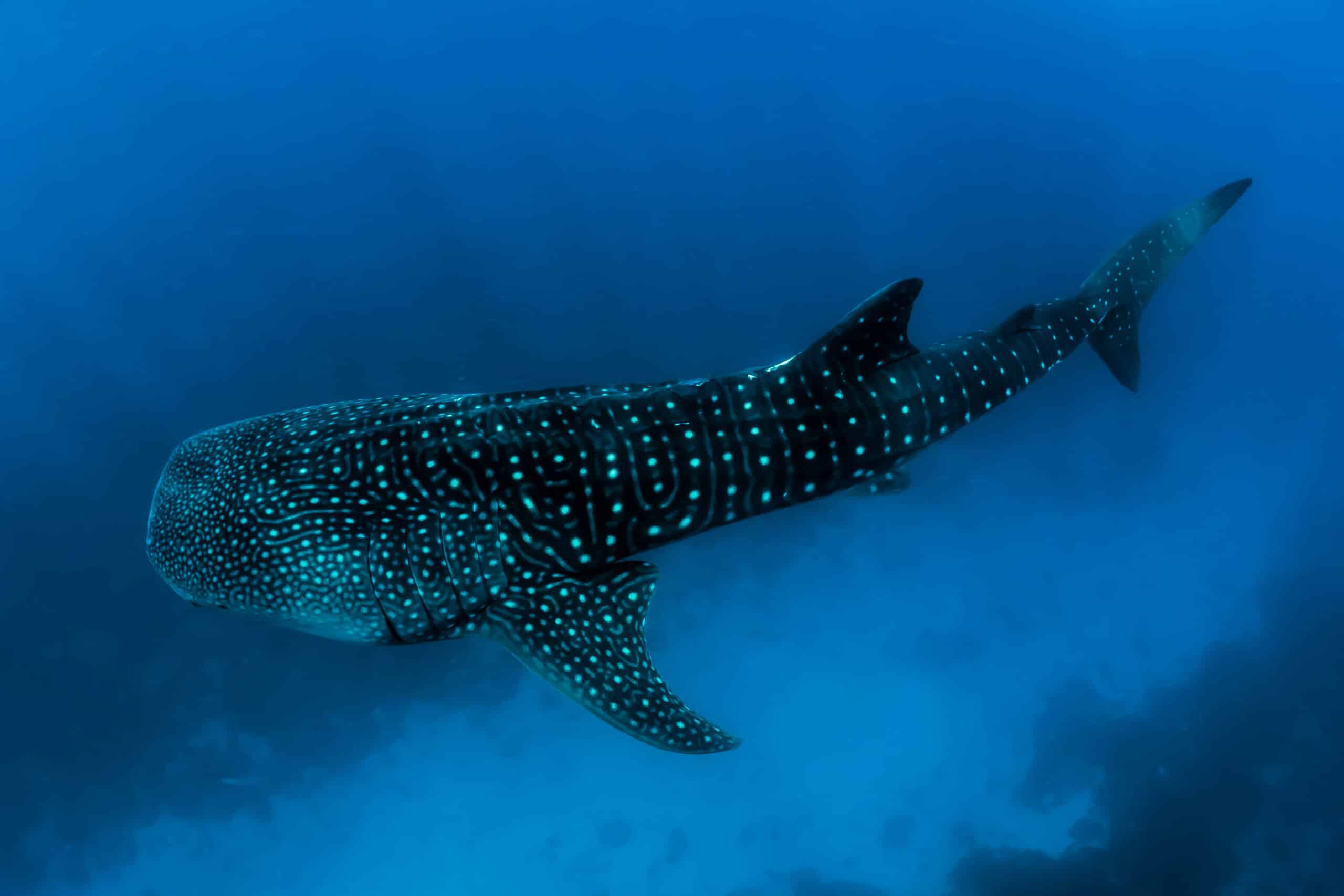
South Ari Atoll is widely regarded as the most reliable region for snorkelling in Maldives if seeing whale sharks is a top priority. Unlike many destinations where sightings are strongly seasonal, whale sharks are present here throughout the year, making this atoll particularly appealing for first-time visitors who want a high-probability wildlife experience without planning their trip around a narrow time window.
For a deeper look at encounters and the best locations, see our guide to Whale Sharks in Maldives: Best Spots & Tours for Encounters.
The South Ari Marine Protected Area (SAMPA) runs along the outer reef and creates plankton-rich conditions that consistently attract whale sharks close to the surface. Encounters typically take place in open, relatively calm water rather than deep channels, which makes snorkelling here accessible even for travellers with limited experience.
Why South Ari works well for first-time snorkellers
For first-time travellers focused on snorkelling in Maldives, South Ari offers one of the highest probabilities of meaningful wildlife encounters.
- Year-round likelihood of whale shark encounters
- Surface-level sightings suitable for snorkelling rather than diving
- A wide range of accommodation styles, from budget guesthouses to luxury resorts
- Well-established local operators following clear wildlife interaction guidelines
Resorts
Resorts such as LUX* South Ari Atoll, Conrad Maldives Rangali Island and Vilamendhoo combine solid house reefs with easy access to organised whale shark excursions. This makes them a good choice if you want both independent snorkelling and guided wildlife trips without complex logistics. All three resorts are explained in more detail in our curated overview of the Best Maldives Resorts by Budget: Top Affordable, Mid-Range & Luxury Island Escapes, where we compare them based on reef access, room categories and overall value.
Local islands
Dhigurah and Maamigili offer a more affordable base in South Ari. These islands are best suited to travellers who are comfortable relying on boat-based snorkelling rather than extensive house reefs directly off the beach. Dhigurah in particular stands out for its long sandy beach, relaxed pace and frequent whale shark excursions. For a more detailed breakdown of Dhigurah — including beaches, snorkelling conditions, costs and how it compares to other inhabited islands — see our full guide to the Top 10 Local Islands in the Maldives.
Trade-offs to consider
South Ari is not the best choice if your main priority is colourful coral gardens directly accessible from shore. While some house reefs are good, the primary value of this atoll lies in large marine life encounters rather than shallow coral snorkelling.
Many visitors base themselves in South Ari specifically for whale shark encounters. These guided snorkelling trips explore the South Ari Marine Protected Area where sightings are most likely.

Baa Atoll (UNESCO Biosphere Reserve)
Baa Atoll is one of the most protected marine regions in the Maldives and is best known for its seasonal manta ray aggregations at Hanifaru Bay. For snorkellers, this atoll stands out not because of everyday reef snorkelling, but because it offers access to one of the most concentrated manta ray feeding events in the world.
From June to November, monsoon-driven plankton blooms are funnelled into Hanifaru Bay, attracting large numbers of manta rays that feed just below the surface. During peak conditions, snorkellers may observe dozens of mantas circling and looping in close proximity, often for extended periods.
You can read more about seasonality and snorkelling etiquette in our guide to Manta Rays in Maldives: Best Places, Season & Ethical Snorkelling Guide.
Snorkelling in Hanifaru Bay is strictly regulated. Entry is guided only, visitor numbers are capped, and diving is not allowed. While this limits spontaneity, it significantly improves encounter quality and protects the ecosystem — resulting in calm, well-managed experiences even for first-time snorkellers.
Why Baa Atoll works well for first-time snorkellers
- One of the world’s most reliable locations for manta ray snorkelling (in season)
- Shallow, sheltered conditions suitable for surface snorkelling
- Strong conservation management and clear visitor guidelines
- Good balance between resorts and local islands with access to Hanifaru Bay
Resorts
Resorts such as Dusit Thani Maldives, Anantara Kihavah Maldives Villas and Soneva Fushi are well positioned for guided trips to Hanifaru Bay and offer high-quality house reefs for relaxed snorkelling outside manta season.
Local islands
Dharavandhoo and Eydhafushi provide a more affordable base within Baa Atoll. Dharavandhoo is particularly popular due to its proximity to Hanifaru Bay and frequent manta ray excursions during the season, combined with a laid-back local atmosphere. For a deeper look at accommodation, snorkelling conditions in Dharavandhoo, see our guide Dharavandhoo: Maldives’ Best Local Island for Authentic Culture, Budget Stays & Hanifaru Bay Adventures.
Trade-offs to consider
Baa Atoll is not the best choice if you are travelling outside the June–November manta season or if you prefer unrestricted, independent snorkelling directly from shore. Much of its value depends on guided access to Hanifaru Bay rather than everyday house-reef snorkelling.
During manta season, guided snorkelling trips focus on the plankton-rich waters around Hanifaru Bay and nearby reefs where manta rays gather to feed.
Klook.com
North Malé Atoll (Accessibility & House Reefs)
North Malé Atoll is one of the most practical choices for first-time visitors who want easy logistics combined with reliable snorkelling. Located close to Malé International Airport, most islands in this atoll can be reached by speedboat, allowing you to start snorkelling shortly after arrival without long domestic transfers.
The main strength of North Malé Atoll lies in its accessibility and ease, making it one of the most practical regions for relaxed snorkelling in Maldives. Many islands here are surrounded by clearly marked reef edges, gentle drop-offs and relatively calm lagoons, making repeated, independent snorkelling sessions easy and low-stress. This makes the atoll particularly appealing if you enjoy spontaneous morning or sunset snorkels directly from the beach rather than relying on boat excursions.
Reef sharks are commonly seen along the reef edges, especially blacktip and whitetip reef sharks cruising shallow waters in the early morning or late afternoon. While sightings of large pelagic species are less predictable than in South Ari or Baa Atoll, North Malé consistently delivers relaxed reef snorkelling with minimal effort.
Why North Malé works well for first-time snorkellers
- Very short transfer times from the international airport
- Well-marked house reefs suitable for repeated snorkelling
- Calm conditions that allow independent entry from shore
- Good balance between comfort and simplicity
Resorts
North Malé Atoll is home to many snorkelling-friendly resorts with strong house reefs and clear entry points. This makes it a comfortable option if you value convenience and easy access over rare wildlife encounters. Rather than focusing on individual resort comparisons here, the key advantage of North Malé is its overall accessibility and consistent reef quality. Well-known snorkelling resorts in North Malé Atoll include Baros Maldives, Kurumba Maldives and OBLU Nature Helengeli. Baros in particular is widely regarded as one of the Maldives’ best house-reef islands, with coral slopes and marine life starting just a few metres from the beach. Kurumba offers similarly easy reef access combined with extremely short speedboat transfers from Malé.
Local islands
For travellers looking for a more affordable base, Gulhi and Thulusdhoo offer access to snorkelling through nearby reefs and organised boat trips rather than extensive house reefs directly off the beach. Both islands are well connected to Malé and combine snorkelling with local island life, cafés and beaches.
Trade-offs to consider
North Malé Atoll is not the best choice if your main goal is guaranteed encounters with manta rays or whale sharks. Its strength lies in ease, repetition and accessibility rather than rare or seasonal marine life spectacles.
If you want to explore beyond the house reef, these snorkelling trips from North Malé Atoll visit nearby reefs known for turtles, reef sharks and healthy coral gardens.
Klook.com
Vaavu Atoll & Rasdhoo Atoll – Guided Snorkelling & Channel Encounters
Vaavu and Rasdhoo Atolls are best suited to travellers who already feel comfortable in the water and want to experience a more dynamic side of snorkelling in Maldives. Rather than calm lagoons and easy house reefs, these atolls are known for guided snorkelling experiences influenced by currents, reef channels and, in Vaavu’s case, night-time encounters.
While both atolls offer exciting marine life, they deliver different types of snorkelling, making it important to understand what each one is best known for.
Vaavu Atoll – Night Snorkelling & Close-Range Encounters
Vaavu Atoll is particularly famous for its night snorkelling with nurse sharks and stingrays. These excursions take place in shallow, controlled waters under the supervision of local guides, using lights to attract marine life. The result is a dramatic but generally well-managed experience, even for snorkellers who are new to night snorkelling.
During daytime excursions, snorkelling often focuses on reef channels and outer reef edges, where reef sharks, rays and schools of fish are commonly seen. Conditions here can be more energetic than in North Malé or Baa Atoll, which is why snorkelling in Vaavu is typically organised as guided boat trips rather than independent shore entry.
Rasdhoo Atoll – Channel Snorkelling & Reef Diversity
Rasdhoo Atoll is best known among divers for hammerhead shark sightings, but snorkellers can still enjoy healthy reefs, reef sharks, turtles and large schools of fish along channel edges and outer reef slopes. Compared to Vaavu, snorkelling here is less about close-range night encounters and more about daytime drift snorkelling in areas influenced by currents.
Rasdhoo works best for confident snorkellers who are comfortable in deeper water and enjoy observing marine life from a distance, rather than shallow lagoon snorkelling close to shore.
Why Vaavu & Rasdhoo work for experienced snorkellers
- More adventurous snorkelling conditions than typical house reefs
- Strong focus on guided, safety-controlled excursions
- Reef channels that attract sharks, rays and pelagic fish
- Ideal for travellers looking to move beyond calm lagoon snorkelling
Resorts
Resorts in and around Vaavu and Rasdhoo Atolls focus mainly on organised snorkelling excursions rather than extensive house reefs. Properties such as Alimathà Aquatic Resort (Vaavu Atoll), Kuramathi Maldives (Rasdhoo area) and Cinnamon Dhonveli Maldives (North Malé edge with access to nearby channels) are known for arranging structured snorkelling trips, including channel snorkelling and night snorkelling experiences.
These resorts are best suited to travellers who prefer guided outings with experienced staff rather than independent snorkelling directly from the beach.
Local islands
Fulidhoo (Vaavu Atoll) and Rasdhoo Island offer a more affordable way to experience this style of snorkelling. Both islands rely mainly on guided boat trips rather than house reefs, making them a good fit if you are comfortable snorkelling with local guides and want access to reef channels and night snorkelling experiences without staying at a resort.
For a detailed comparison — including snorkelling style, atmosphere and budget considerations — see our guide to the Top 10 Local Islands in the Maldives, where both Fulidhoo and Rasdhoo are covered in more detail.
Trade-offs to consider
Vaavu and Rasdhoo Atolls are not ideal if you prefer calm, independent snorkelling directly from the beach or if you are uncomfortable with currents, deeper water or low-light conditions. Much of their appeal depends on guided experiences rather than spontaneous, shore-based snorkelling.
These excursions explore the more adventurous side of snorkelling in the Maldives, including reef channel snorkelling and the famous night snorkel with nurse sharks in Vaavu Atoll.

Where to See Marine Life While Snorkelling in Maldives
While the atoll sections above explain where to base yourself, this section zooms in on how and why specific marine life encounters happen — and what snorkellers can realistically expect in the water.
Hanifaru Bay: Manta Ray Aggregation (Baa Atoll)
Hanifaru Bay is exceptional not because manta rays appear here, but because the bay’s shape and currents create predictable feeding conditions. During the southwest monsoon (June–November), plankton-rich water is funnelled into this shallow, semi-enclosed bay, drawing manta rays that feed just below the surface.
Unlike open-ocean encounters, snorkellers in Hanifaru remain at the surface while mantas repeatedly loop beneath them. The experience is shaped less by active swimming and more by floating and observing, which allows for long, uninterrupted viewing moments when conditions are right.
Our own experience
When we snorkelled in Hanifaru Bay ourselves, what stood out most was how controlled and calm the experience felt. Despite the number of manta rays in the water, the structure of the bay and the strict entry rules created a surprisingly unhurried atmosphere. Floating quietly while multiple mantas passed below us — sometimes circling back several times — made the encounter feel immersive rather than overwhelming.
Access to Hanifaru Bay is strictly regulated. Snorkelling is guided only, visitor numbers are capped, and diving is not permitted. While this limits spontaneity, it significantly improves encounter quality and protects the fragile ecosystem that makes these aggregations possible in the first place.
Best for
- Manta ray snorkelling during the June–November season
- Travellers comfortable floating in open water
- Visitors who value regulated, low-impact wildlife encounters
What to keep in mind
Hanifaru Bay is highly seasonal, and manta ray activity depends on plankton concentration rather than guarantees. Outside the main season, Baa Atoll still offers pleasant snorkelling, but Hanifaru itself may not deliver the same level of activity. Much of its value lies in being in the right place at the right time, rather than everyday, repeat snorkelling.

South Ari Atoll: Year-Round Whale Shark Encounters
South Ari Atoll is unique not because whale sharks can be seen here, but because encounters typically happen close to the surface and throughout the year. This makes the area particularly suitable for snorkellers who want a realistic chance of seeing the world’s largest fish without needing advanced swimming or diving skills.
Most whale shark encounters in South Ari take place along the outer reef within the South Ari Marine Protected Area. Sightings are usually made from traditional dhoni boats, after which snorkellers enter the water calmly and observe the animal as it passes just below the surface. Encounters are generally slow-moving and well managed, allowing for clear views without chasing or crowding.
What sets South Ari apart from other whale shark destinations is the structure of these encounters. Rather than short, high-effort swims, snorkellers often float at the surface while the whale shark glides by, making the experience accessible even for first-time snorkellers who are comfortable in open water.
Best for
- Whale shark snorkelling at any time of year
- Surface-level encounters with minimal swimming effort
- Travellers prioritising large marine life over coral-heavy reefs
What to keep in mind
While whale sharks are the main draw, South Ari is less focused on shallow coral gardens than some other regions. If your priority is colourful reef snorkelling directly from shore, other atolls may offer more variety. South Ari’s strength lies firmly in large marine life encounters, not in everyday house-reef snorkelling.
Top House Reefs for Turtles & Reef Sharks
Not all snorkelling in Maldives requires boat trips or guided excursions. Some of the most consistent and relaxed marine life encounters happen on well-developed house reefs, where turtles and reef sharks can be seen directly from shore. For many travellers, this style of independent exploration becomes one of the most rewarding aspects of snorkelling in Maldives, especially when a healthy reef sits just steps from the beach.
House reefs typically start in shallow lagoons before dropping into coral walls or reef slopes. This structure allows snorkellers to enter gradually, adjust to conditions, and return to shore easily — making house reef snorkelling ideal for beginners, families and anyone who prefers short, repeatable sessions rather than long excursions.
Turtles are among the most reliable sightings on house reefs, especially green and hawksbill turtles grazing on seagrass or resting near coral bommies. Blacktip and whitetip reef sharks are also commonly seen cruising along reef edges, particularly in the early morning or late afternoon. These species are generally calm and accustomed to snorkellers, making encounters exciting without being intimidating.
Instead of chasing rare sightings, you benefit from the ability to snorkel multiple times a day, observe familiar animals over several days, and choose the best moments based on light, tide and sea conditions.
Notable house reef locations include
- Baros Maldives
- Mirihi Island Resort
- Biyadhoo Island Resort
- Ukulhas (local island)
These locations are known for clear entry points, healthy reef structure and regular sightings of turtles and reef sharks close to shore.
Best for
- Independent snorkelling without boat trips
- Turtles and reef sharks in shallow water
- Beginners, families and relaxed snorkelling schedules
What to keep in mind
House reefs rarely offer large pelagic species such as manta rays or whale sharks. While coral quality and fish life can be excellent, encounters tend to be smaller-scale and repeat-based rather than dramatic or seasonal. If your main goal is iconic megafauna, boat-based snorkelling in South Ari or Baa Atoll will offer higher-impact experiences.House reefs allow unlimited snorkelling without boat trips, ideal for relaxed exploration.

Choosing Your Base: Resort Island vs. Local Island (For First-Timers)
Where you stay in the Maldives has a major impact on how you experience snorkelling, daily logistics and overall comfort — especially on a first visit. Resort islands and local islands offer fundamentally different travel experiences, and neither option is universally better. The right choice depends on how independently you want to travel, how much planning you’re comfortable with, and what kind of snorkelling experience you value most.
Rather than focusing on price alone, it helps to understand how each option affects reef access, safety, flexibility and effort.

Resort Islands – Convenience & Easy Reef Access
Resort islands are designed to make snorkelling as straightforward as possible. Many resorts are built around well-developed house reefs with clearly marked entry points, making it easy to snorkel directly from the beach or jetty without organising boat trips.
For first-time travellers, this often translates into a low-stress experience: equipment is readily available, safety briefings are standard, and marine life information is easy to access through resort staff. You can snorkel spontaneously, return to shore whenever you like, and adjust your time in the water to weather and light conditions.
Best suited for
- First-time snorkellers who value simplicity and comfort
- Independent snorkelling from shore
- Travellers who prefer minimal planning and predictable conditions
Things to keep in mind
Resort islands generally come at a higher overall cost, particularly for food and excursions. Cultural exposure is limited, and many snorkelling experiences focus on the house reef rather than exploring a wider range of sites.
If you want a detailed breakdown of options by price range and reef quality, our guide to Best Maldives Resorts by Budget: Top Affordable, Mid-Range & Luxury Island Escapes compares resorts based on snorkelling access, room categories and overall value.

Local Islands: Budget-Friendly & Boat-Based Snorkelling
Local islands offer a more independent and budget-conscious way to experience the Maldives. Instead of relying on extensive house reefs, snorkelling here is often organised through guided boat trips to nearby reefs, sandbanks and channels. This makes local islands particularly appealing to travellers who are comfortable planning excursions and snorkelling with local guides.
Within the local island category, the snorkelling experience can vary significantly. Islands such as Dhigurah focus strongly on boat-based excursions for whale sharks and reef snorkelling, while Ukulhas offers a more balanced mix with an accessible house reef close to shore. Gulhi and Fulidhoo are often chosen for guided trips and a compact island layout, which keeps logistics simple for first-time visitors. These differences are explained in detail in our Top 10 Local Islands in the Maldives.
For first-time travellers who are comfortable with basic planning, local islands can be extremely rewarding. Excursions are usually more affordable than at resorts, and the experience comes with greater insight into everyday island life. However, snorkelling is less spontaneous and more dependent on schedules, group trips and weather conditions.
Best suited for
- Budget-conscious travellers
- Those comfortable with guided snorkelling trips
- Travellers interested in local culture alongside marine life
Things to keep in mind
Alcohol is not permitted on local islands, and visitors are expected to dress modestly outside designated bikini beaches. Snorkelling conditions vary more between trips, and house reefs are often limited or absent.

How to Decide as a First-Time Visitor
If this is your first trip to the Maldives, the best choice is rarely about finding the “perfect” island — it’s about choosing a setup that matches your comfort level, travel style and expectations.
A resort island is usually the easiest starting point if you value convenience and flexibility. Easy access to house reefs, clear safety guidance and the ability to snorkel independently make resorts particularly suitable if you want a low-effort introduction to snorkelling in the Maldives.
A local island works well if you are comfortable organising excursions, snorkelling with guides and following a more structured schedule. While snorkelling is often boat-based rather than spontaneous, local islands can offer excellent marine life encounters at a lower overall cost, combined with a more authentic view of everyday island life.
Many first-time visitors choose to combine both. Spending a few nights on a resort island allows you to ease into snorkelling and enjoy effortless reef access, while adding a local island later in the trip introduces guided excursions, different snorkelling sites and a change of pace. This hybrid approach often delivers the best balance between comfort, value and variety.
If snorkelling is a central part of your trip, prioritise your choice of atoll and reef access first, and only then narrow down specific islands or hotels. This location-first approach consistently leads to better snorkelling experiences than choosing accommodation based on price or appearance alone.
Essential Snorkelling Tips for a Perfect Maldives Trip
Snorkelling in Maldives is accessible for most travellers, but conditions can vary by season, location and reef type. A small amount of preparation makes a noticeable difference — both for safety and for the quality of your encounters in the water.
When to Go: Visibility vs Marine Life
From December to April, seas are generally calmer and visibility is at its best. These months are ideal for relaxed snorkelling, easy reef access and longer sessions in the water, particularly on house reefs. These calmer months also make snorkelling in Maldives particularly accessible for first-time visitors who prefer gentle conditions and easy reef entry.
Between May and November, conditions become more variable, but this period brings higher plankton levels that attract manta rays and whale sharks. Visibility can fluctuate, yet many travellers consider the increased chance of large marine life well worth the trade-off. Choosing the right atoll during this season is especially important.

Choosing the Right Gear
While snorkelling equipment is widely available to rent, bringing your own mask and snorkel ensures a proper fit and reduces discomfort in the water. Clear vision and a good seal make a significant difference, especially during longer sessions.
A rash guard or lightweight wetsuit top helps protect against sun exposure and minor scrapes when snorkelling near reef edges. This is particularly useful during midday snorkels or when floating for extended periods.
Always use reef-safe sunscreen, apply it at least 20 minutes before entering the water, and avoid standing or resting on coral at any time.
Safety & Reef Awareness
Snorkel only in designated areas and use marked entry and exit points, which are placed to minimise coral damage and avoid strong currents. If you are unsure about conditions, ask local staff or guides before entering the water — currents can change quickly, especially near channels.
Maintain a respectful distance from marine life. Never touch turtles, rays or sharks, and allow animals to approach or pass naturally. Calm, slow movements often result in longer and more natural encounters.
If you are new to snorkelling or unfamiliar with local conditions, starting with a guided snorkelling trip can help you understand reef layouts, currents and safety procedures before snorkelling independently.
Timing Your Snorkels
Early morning and late afternoon are often the most rewarding times to snorkel. Light angles improve visibility, water temperatures are more comfortable, and marine life is typically more active along reef edges.
Avoid snorkelling immediately after heavy rain or strong winds, as runoff and wave action can temporarily reduce visibility.
Final Thoughts on Snorkelling in Maldives
Snorkelling in Maldives rewards travellers who think about location first. Atolls such as South Ari, Baa and North Malé each offer completely different underwater experiences — from drifting alongside whale sharks to watching manta rays loop through feeding currents or simply exploring a vibrant house reef steps from the beach.
For first-time visitors, understanding these differences makes planning far easier. Some travellers prefer the simplicity of resort islands with immediate reef access, while others enjoy the flexibility of local islands and guided excursions that reveal more remote snorkelling sites. Both approaches can lead to remarkable encounters beneath the surface.
If snorkelling is a central part of your Maldives trip, start by choosing the atoll that matches the marine life and style of snorkelling you’re most excited about. From there, it becomes much easier to shape an itinerary that balances house-reef exploration, wildlife encounters and the quiet rhythm of island life.
🌴 Plan Your Maldives Trip
🏨 Still looking for the right stay? Browse all resorts in the Maldives or hotels & guesthouses on local islands — free cancellation on most rooms.
✈️ Flights: Compare routes and prices for flights to the Maldives.
📱 Stay connected: Skip the airport SIM queue — get a Maldives eSIM from Airalo before you fly. We use Airalo ourselves on every trip.
🔒 Travel insurance: Medical help in the Maldives often means evacuation by seaplane — don't skip travel insurance for the Maldives.
🤿 Tours & activities: Browse snorkelling trips, dolphin cruises and excursions across the Maldives, or check liveaboard diving trips.
💳 Money: Avoid card fees abroad with a free Revolut account.
Some links on this page are affiliate links. Booking through them costs you nothing extra and helps us keep this site running — thank you!
Frequently Asked Questions about Snorkelling in Maldives
Is snorkelling better on a resort island or a local island in the Maldives?
For most first-time visitors, snorkelling in Maldives is often easier on resort islands because many have clearly marked house reefs accessible directly from the beach or jetty. This allows relaxed, independent snorkelling without organising boat trips. Local islands are usually more budget-friendly, but snorkelling often depends on guided excursions. The better choice depends on whether you prioritise convenience and independence or lower costs and organised trips.
Where is the best place to see whale sharks while snorkelling in the Maldives?
South Ari Atoll is widely regarded as the best place to see whale sharks while snorkelling in Maldives. Sightings are possible throughout the year, particularly within the South Ari Marine Protected Area. Encounters typically take place at the surface during guided trips, making this region especially suitable for snorkellers. While sightings are never guaranteed, the probability here is higher than in most other parts of the Maldives.
Which atoll is best for first-time snorkellers in the Maldives?
North Malé Atoll is often considered the easiest starting point for first-time snorkellers because it offers short transfer times from the international airport and many islands with accessible house reefs. This allows travellers to snorkel repeatedly without organising excursions. South Ari Atoll is better if whale sharks are a priority, while Baa Atoll becomes particularly attractive during the manta ray season from June to November.
Is it safe to snorkel alone in the Maldives?
Snorkelling alone can be safe in designated house reef areas, especially at resorts where entry points and reef boundaries are clearly marked. Conditions such as currents and visibility can change quickly, however, particularly near reef edges or channels. If you are unfamiliar with the reef layout or local conditions, joining a guided snorkelling trip first can help you understand the environment before exploring independently.
What is the best time of year for snorkelling in the Maldives?
Snorkelling in Maldives is generally good year-round, but conditions vary by season. From December to April, seas are usually calmer and visibility is excellent, making this period ideal for relaxed reef snorkelling. Between May and November, plankton levels increase, attracting manta rays and whale sharks in certain atolls. While visibility can sometimes be lower, marine life encounters are often more frequent.
Do you need to be a strong swimmer to snorkel in the Maldives?
Not necessarily. Many snorkelling spots in the Maldives are accessible to beginners, especially around calm lagoons and house reefs where you can enter gradually from the beach. Flotation devices are often available during guided excursions, and many travellers simply float while observing marine life below. As long as you feel comfortable in the water and follow local safety advice, snorkelling is accessible for most visitors.
Related Blogs
Other Maldives Activities
Top Activities in Maldives: Snorkelling, Diving & Swimming with Manta Rays
Maldives Diving: Top Dive Sites, Marine Experiences & Tips for Every Diver
Manta Rays in Maldives: Best Places, Season & Ethical Snorkelling Guide
Swimming with Sea Turtles in Maldives: Best Spots & Tips
Sandbanks in Maldives: Unmissable Sandbank Adventures & Island Experiences
Whale Sharks in Maldives: Best Spots & Tours for Encounters
Liveaboard Diving Trips in Maldives: Explore Top Dive Sites & Underwater Life with Maldive Dreamers
Other Maldives Blogs
How to Choose a Maldives Resort: The Complete Decision Guide
Best Hotels on Local Islands in Maldives (By Budget): Complete Guide for 2026
How to Choose the Best Atoll in Maldives: A Complete Area & Stay Guide
Maldives Vacation: How to Plan Your Dream Island Escape for Adventure and Relaxation
Trip to Maldives: Essential Information on Islands, Visa, Vaccinations & Entry Requirements
Best Time to Go to Maldives: Weather, Climate & Seasonal Tips for Your Perfect Island Vacation
Best Hotel in Maldives Island: Top Luxury, Boutique & Affordable Stays for Every Traveller