


Table of Contents
For many travellers, the Maldives is the ultimate Indian Ocean dream: powdery white sand, clear turquoise lagoons, and iconic overwater villas scattered across tiny coral islands. Yet when you start to actually plan a trip to Maldives, questions quickly pile up about which island to choose, how transfers really work, and how to avoid surprise costs once you land.
This guide walks first-time visitors through each step, from choosing between a luxury private resort island and a budget-friendly local island to mastering airport arrivals, seaplane and speedboat transfers, and building a realistic day-by-day budget that matches how you actually travel.
For a deeper, big-picture look at routes, accommodation styles, and costs, you can also bookmark this complete Maldives vacation planning guide and refer back to it as you build your itinerary.
In a Rush?
These are my Favourite Resorts in Maldives
- ⭐️⭐️⭐️ Joali Maldives – Check Prices and Availability
- ⭐️⭐️ Hard Rock Hotel Maldives – Check Prices and Availability
- ⭐️ Kandolhu Maldives – Check Prices and Availability
Planning a Trip to Maldives at a Glance
If you prefer a quick overview before diving into details, this summary highlights the key decisions that shape your Maldives experience — from island type to transfers and budgeting.
| Decision Area | Key Consideration |
|---|---|
| Island Type | Private resort island (luxury and convenience) vs local inhabited island (budget and culture) |
| Best Time to Visit | December–April for driest weather. May–October for lower prices |
| Ideal Trip Length | 5–7 nights for first visit. longer for split stays |
| Transfers | Speedboat (closest islands). seaplane (remote atolls). domestic flight + boat (furthest islands) |
| Budget Range (7 nights. excl. flights) | Local island: 1.500–3.000 USD / Resort: 4.000–15.000+ USD |
| Meal Plans | Half board for flexibility. all-inclusive for predictable spending |
The 5 Essential Steps to Plan Your Maldives Trip
Planning the Maldives becomes far easier when you break it down into clear decisions instead of trying to solve everything at once.
From choosing between a private resort or a local island to understanding transfers, budgeting realistically, and selecting the right activities, these five steps walk you through the process in a logical order — so nothing important gets overlooked.
Step 1: Resort Island vs Local Island
Choosing between a resort island and a local island is the most critical decision when you plan a trip to Maldives because it determines your total budget, level of freedom, and the “feel” of your holiday from breakfast to sunset. If you already know you prefer guesthouses and culture, start with this breakdown of local islands in Maldives vs resorts to shortlist the right atolls and islands.
Insider tip: Decide your island type before you even look at flight deals; many great fares land late at night, which is perfect for speedboat or domestic-flight resorts but a nightmare if your only connection is a public ferry that does not run after dark.
Choose the Right Island Type for Your Maldives Trip
| Aspect | Private resort island | Local inhabited island |
|---|---|---|
| Typical budget (7 nights for a couple. excl. flights) | From about 4.000–15.000+ USD depending on star rating and villa type. seaplane resorts usually sit at the higher end. | From about 1.500–3.000 USD in simple guesthouses including basic excursions and public transfers if planned well. |
| Alcohol | Freely available in bars and restaurants. some premium brands cost significantly more than at home. | Not available. alcohol is illegal on local islands. though a few “floating bars” on boats offshore serve drinks to guests shuttled from island harbours. |
| Dress code | Swimwear is fine almost everywhere on the island. with cover-ups recommended only in buffet restaurants and reception areas. | Modest clothing required away from designated bikini beaches. think shoulders and knees covered in village streets and when visiting mosques. |
| Transfers | Usually by resort-arranged speedboat. seaplane. or domestic flight plus speedboat. you pay more but everything is handled for you. | Mix of local ferries. public speedboats. and organised transfers. cheaper but you must read timetables and plan carefully around Friday and public holidays. |
| Experience | “Maldives bubble” – curated. private. romantic. with staff remembering your preferences and everything a short walk or buggy ride away. | Everyday island life. local cafés. mosques. and budget excursions. you trade polished luxury for community vibe and more interaction with locals. |
| Insider tip | Ideal if you want zero logistics and do not mind paying resort prices for every coffee. cocktail. and excursion. | Ideal if you like DIY travel: you book your own speedboats. pick tour operators on the ground. and say yes to last-minute whale shark or sandbank trips. |
This simple comparison will help you as first-time travellers narrow down which Maldives experience feels right before diving into details like transfers and meal plans, and it prevents you from accidentally booking a dry local island stay when your priority is sunset cocktails.
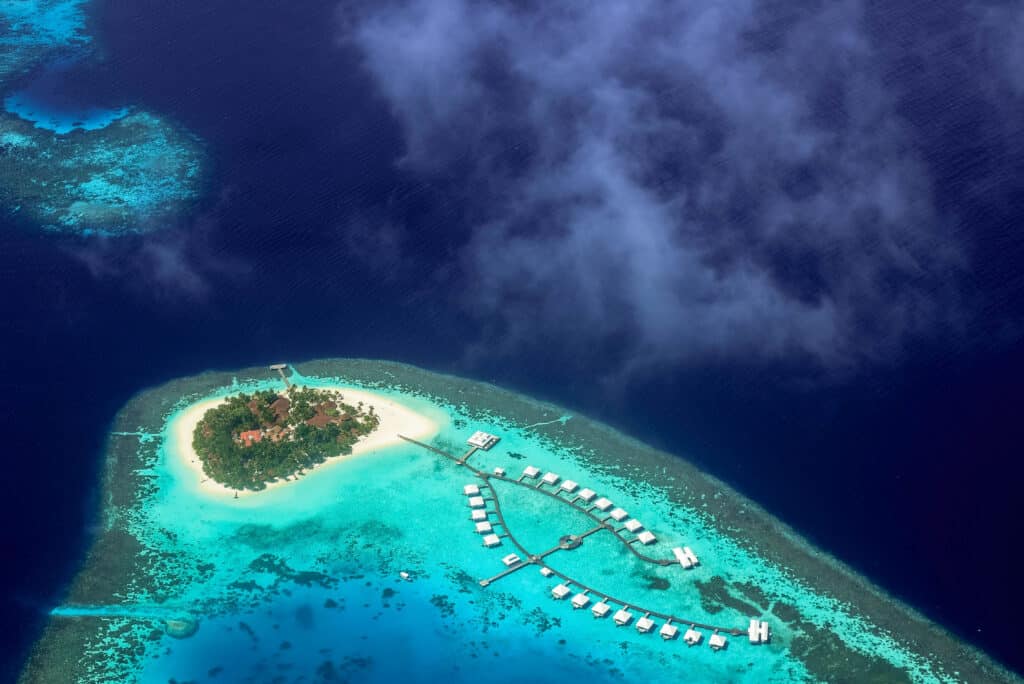
The private resort island experience (luxury)

Private resort islands usually host a single hotel on the whole island, creating a self-contained “Maldives bubble” where everything is designed around comfort, privacy, and uninterrupted ocean views.
- Overwater bungalows and beachfront villas are common, with easy lagoon access, house reefs, and a strong focus on honeymoon or special-occasion trips.
- Honeymooners and couples can also scan our curated list of best Maldives resorts for honeymoon to find islands that prioritise privacy, romantic dining, and adults-only zones.
- Swimwear is accepted everywhere, alcohol is served in bars and restaurants, and activities like sunset cruises, diving, and spa treatments are available on-site.
Transfers for resort islands are usually arranged by the property and added as a separate charge or bundled into packages, using shared speedboats, seaplanes, or domestic flights; you simply share your flight times and the resort schedules the rest
Insider resort tips for first-timers
- If snorkelling is a priority, look specifically for “house reef close to shore” in reviews; not every resort has a great reef right off the beach, and some require boat trips for decent snorkelling.
- Ask the resort whether your seaplane is a direct flight or a “milk run” with multiple stops, as this affects your time in the air and your waiting time in the lounge.
- For sunrise or sunset people, request villa orientation (sunrise vs sunset side) at booking; many Maldivian islands are small enough that side matters more than room category for your daily view.
If you are still comparing brands and price levels, this guide to the best Maldives resorts by budget can help you see what is realistic for your nightly spend before you fall in love with a specific island.
The local island experience (budget & culture)

Local inhabited islands such as Maafushi, Thoddoo, Dhigurah, Ukulhas, and Fulidhoo offer a more affordable way to plan a trip to Maldives, with guesthouses and small hotels instead of full-scale resorts.
- You get a more authentic glimpse of Maldivian daily life, with local cafés, small shops, and community-run excursions like sandbank picnics and manta-snorkelling trips.
- Costs are lower for accommodation and food, but you must follow local norms: no alcohol, modest dress in town, and swimwear restricted to designated “bikini beaches.”
Public ferries and fixed-schedule public speedboats keep costs down, but they can be slower and less flexible than resort-organised transfers, especially around Fridays when many services stop or run reduced schedules.
Insider local-island tips for first-timers
- Maafushi is busy and developed, with plenty of tour options and cafés—great for social travellers—but it feels less “castaway” than quieter islands like Dhigurah or Omadhoo.
- Dhigurah and the South Ari region are ideal if you dream of whale sharks; many tours spot them year-round, so staying here increases your chances without long boat rides.
- Check where the bikini beach sits relative to your guesthouse; on some islands it is a 10–15 minute walk in the heat, which matters if you plan to swim multiple times per day.
- On public ferries, bring small snacks, plenty of water, and a light scarf or hoodie; the air-con can be surprisingly cold after hours at sea.
These little details can be the difference between feeling like you hacked the Maldives on a budget and feeling like you accidentally booked the wrong island for your style. If you want one specific example of a budget-friendly local base with great marine life, look at Dharavandhoo, often called one of the best local islands in Maldives for Hanifaru Bay mantas and easy logistics.
Step 2: Decide When to Visit and How Long to Stay
Once you know the kind of island you want, the next step when you plan a trip to Maldives is choosing the right time of year and trip length, because weather and daylight hours directly affect your seaplane options and daytrip possibilities.

Best time to visit (dry vs wet season)
The Maldives has a warm tropical climate year-round, but its weather splits into a drier, sunnier season and a wetter, more affordable season with occasional storms and choppier seas.
- Dry season, roughly November to April (often with peak conditions December to April), brings more sunshine, calmer seas, and better visibility for snorkelling and diving.
- Wet season, roughly May to October, includes more showers and wind, yet still offers sun, lower prices, and fewer crowds, appealing to value-focused travellers.
- If you are flexible, skim shoulder‑season sections in the best time to go to Maldives article to see when prices dip yet weather can still be pleasant for transfers and excursions.
Insider weather tips
- Shoulder months like late November, early December, late April, and early May often balance good weather with slightly softer prices and better availability.
- If you are prone to seasickness, avoid the peak monsoon weeks for long speedboat transfers; opt for closer islands or domestic flights instead.
How long to stay in the Maldives?

For most first-time visitors, 5–7 nights is the sweet spot that justifies the long-haul flight yet keeps costs under control.
- Shorter stays (3–4 nights) can work if you are combining Maldives with Sri Lanka, Dubai, or Singapore, but transfers and travel fatigue will feel more intense.
- Longer stays of 10–14 nights allow for split stays (e.g., 3 nights on a local island plus 4 nights in a resort) or island-hopping itineraries to see different atolls.
Insider timing tips
- Factor in jet lag and late-night arrivals so you do not waste a full paid night arriving at 23:00 with no transfer available and then paying for an extra transit hotel in Malé.
- If you want a split stay, do the local island first and finish at the resort; that way you gradually upgrade comfort and end with the most relaxing part of the trip.
Step 3: Understand Transfers, Arrival & Island Logistics
Understanding how to get from Malé’s international airport to your final island is one of the most confusing parts when you plan a trip to Maldives, especially with seaplane schedules, public ferry days, and different arrival terminals.
Arrival at Velana International Airport (MLE) & visa

All international flights land at Velana International Airport (MLE) near Malé, and nearly all tourists receive a 30-day visa on arrival free of charge.
- To obtain this tourist visa on arrival you need a valid passport (typically with at least one month validity, but many airlines require six months), an onward or return ticket, and proof of accommodation or sufficient funds.
- Travellers must complete the Traveller Declaration online (via IMUGA) within a set window before arrival and departure, so keep confirmations accessible on your phone.
- You can read the full Maldives travel visa guide if you need extra reassurance about documents, IMUGA, or arrival questions.
Insider arrival tips
- Sit near the front of the plane if you can; arriving earlier at immigration shortens your queue and gives you more buffer for tight seaplane or speedboat connections.
- There is an ATM and currency exchange in the arrivals hall, but if you are staying on resorts you mainly need a small amount of cash for tips; on local islands, carrying some USD plus smaller MVR notes is handy for ferries and cafés.
Inter-island transfer options (seaplane vs speedboat vs domestic flight)
The type of transfer you use depends on how far your island sits from Malé and whether you chose a resort or a local island, as well as your arrival time and seasickness tolerance.
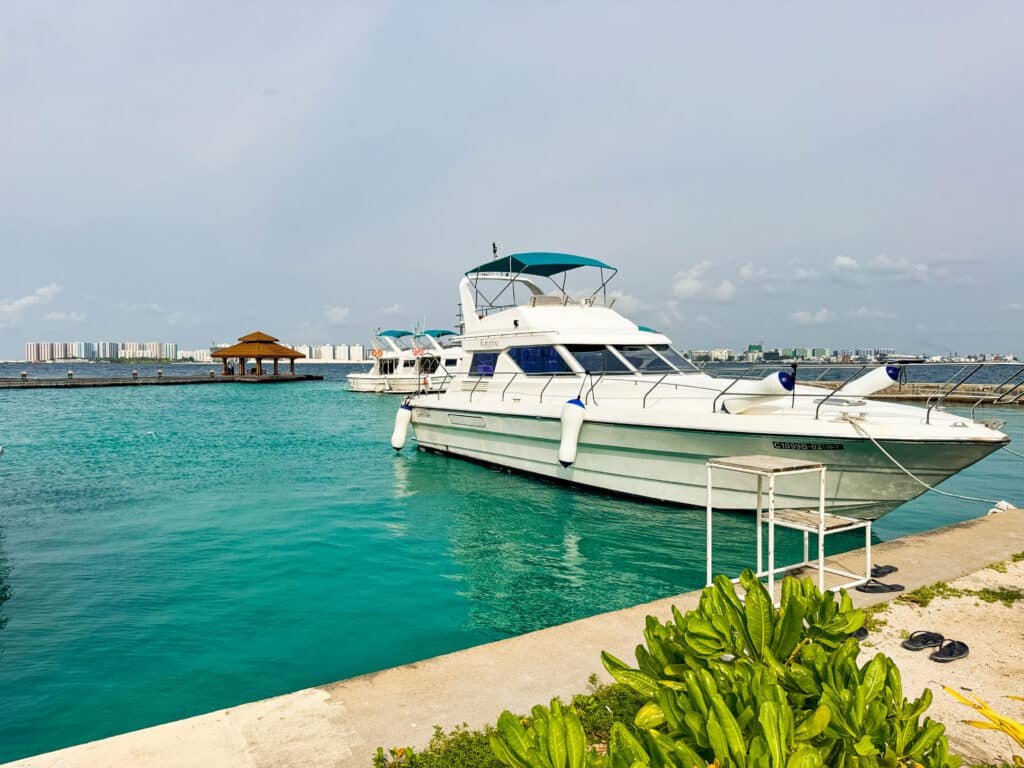
Speedboat transfers
Shared speedboats are the most common transfer for islands relatively close to Malé, especially in North and South Malé Atolls.
- They typically cost about 100–200 USD per adult round trip for shared resort transfers, while private charters span a wider range depending on distance and group size.
- Travel time ranges from 15 minutes to about 2 hours, and many routes operate into the evening, which is ideal for late arrivals compared to seaplanes that only fly in daylight.
Insider speedboat tips
- For local islands, always ask your guesthouse for the exact name of your speedboat, departure jetty, and a WhatsApp contact—boats sometimes leave early if everyone is there.
- If you get seasick, sit near the back of the boat, keep your eyes on the horizon, and avoid heavy meals just before departure.
Seaplane transfers
Seaplanes handle more remote islands and deliver the classic “flying over the atolls” panorama that many travellers consider a highlight.
- Return seaplane transfers often cost around 300–600 USD per person depending on distance, carrier, and resort, making them one of the biggest extras in your Maldives budget.
- Seaplanes operate only during daylight hours, and passengers may wait 1–4 hours in a shared lounge while flights are batched with other resort guests.
Insider seaplane tips
- Pack a small “Malé–island” daypack with swimsuit, sunscreen, and a change of clothes; your main suitcase may arrive on a later seaplane if planes are weight-restricted.
- If you are nervous about small planes, choose an island reachable by speedboat or domestic flight instead; seaplanes are safe but noisy and much smaller than regular aircraft.
Domestic flights + speedboat
For very distant atolls in the south or far north, resorts and local islands may rely on a domestic flight to a regional airport followed by a short speedboat hop.
- Domestic flights usually cost about 200–400 USD per person for round trips, which is slightly cheaper than many seaplane routes for similar distances.
- Because domestic flights can run after dark, they pair better with late-night international arrivals than seaplanes do.
Public ferries & public speedboats (for local islands)
If you plan a trip to Maldives on a strict budget and choose local islands, you can often use public ferries or scheduled public speedboats.
- Government ferries are extremely cheap but slow and operate on fixed schedules that may not run every day or at convenient times.
- Public speedboats are faster and more frequent, but they still follow fixed timetables, so you must choose flights that align with departure times or plan to stay a night near Malé.
Insider ferry tips
- Check up-to-date schedules on your guesthouse’s WhatsApp or local Facebook groups; printed or old online timetables are often out of date.
- Aim for morning ferries if possible; afternoon services are more likely to be affected by weather or delays in choppy seasons.
Key tip: Always confirm transfer options and prices with your accommodation before booking flights so that arrival and departure times match the available boat or plane schedules, especially around Fridays and religious holidays.
Essential customs & prohibited items
The Maldives is a Muslim-majority country with clear rules about what can and cannot be brought into the country or done on local islands. For a broader overview of etiquette, dress codes, and alcohol rules, especially on local islands, dive into this guide on Maldives culture and religion before you fly.
- Alcohol and pork products are strictly prohibited from being imported; any bottles in your luggage will be confiscated on arrival and typically stored until you depart.
- On local islands you must dress modestly away from bikini beaches (shoulders and knees covered), while on resort islands swimwear is generally fine throughout beaches and pools.
Drugs, firearms, and religious materials intended for proselytizing are also banned, so pack light and leave anything questionable at home.
Step 4: Budgeting Smartly and Choosing the Right Meal Plan
The Maldives can be expensive, and poor planning quickly leads to bill shock at check-out, especially for food, drinks, and transfers.
Realistic budget ranges for a 7-day trip
For a couple staying 7 nights (excluding international flights), these broad ranges give a starting point when you plan a trip to Maldives:
- Budget (local guesthouse on a local island): roughly 1,500–3,000 USD including accommodation, some excursions, local meals, and basic transfers.
- Mid-range (4-star beach villa resort): roughly 4,000–7,000 USD including transfers, half-board or full-board, and a few activities.
- Luxury (5-star water villa resort): roughly 8,000–15,000+ USD including seaplane transfers, premium all-inclusive, and spa or dive packages.
On top of base prices, remember that Maldivian stays typically include a 10% service charge, 16% GST, and a nightly Green Tax (around 6 USD per person per night), significantly increasing your final bill. If you want more examples and sample budgets, this breakdown of how much it costs to travel to Maldives compares typical spends for resorts vs local islands.
Insider money-saving tips
- Compare packages that include transfers vs those that don’t; seaplane-inclusive offers can be better value than booking flights and transfers separately.
- If you plan a lot of excursions, stay somewhere with competitive in-house tour prices; on local islands, guesthouses often undercut foreign tour sites with the same trips.
- Bring a reusable water bottle; resorts often charge for bottled water unless you are on all-inclusive, while local cafés sell large bottles cheaply to refill in your room.
Choosing a meal plan (all-inclusive vs half board)
Picking the right meal plan is one of the easiest ways to keep your total spend under control.

All-inclusive (AI)
- Best if you enjoy cocktails, soft drinks, and multiple courses at each meal and do not want to see individual prices for everything you order.
- Many resorts include selected activities (snorkel trips, non-motorised watersports) and sometimes selected minibar items, though premium drinks may cost extra.
Half board (HB) or full board (FB)
- Half board usually covers breakfast and dinner, leaving lunch and all drinks charged separately, which works well if you plan long day trips or tend to skip lunch.
- Full board adds lunch but often still excludes drinks, so if you love ordering drinks and snacks throughout the day, AI can end up better value.
For local islands, most guesthouses offer simple breakfast-only or breakfast-plus-dinner packages, and you can eat cheaply in local cafés, where meals like tuna curry, fried rice, and fresh juices cost far less than resort restaurants.
Insider food tips
- Check if your resort charges extra for barista coffee or fresh juices at breakfast; these add up quickly if you have two or three each day.
- On local islands, ask your host where they personally like to eat; you often discover family-run eateries with better value and more authentic dishes than tourist-facing spots near the bikini beach.
Step 5: Choosing Activities and Experiences
After the logistics are sorted, the fun part of any plan a trip to Maldives guide is deciding what to actually do once you arrive and how to balance “do nothing” days with excursions

Top activities for first-time visitors
The Maldives is all about the water, so most activities revolve around the lagoon and reef.
- Snorkelling on vibrant house reefs or sandbanks is usually the highlight, with turtles, reef sharks, and colourful fish commonly seen. If underwater time is a priority, this guide to snorkelling in Maldives highlights the best reefs, sandbanks, and atolls for easy drop‑ins.
- Diving offers deeper reefs, channels, and famous cleaning stations where manta rays and whale sharks appear seasonally, and a dedicated Maldives diving guide can help you match your certification level with the right atolls and seasons.
Other popular activities include sunset cruises, dolphin-spotting boat trips, sandbank picnics, stand-up paddleboarding, kayaking, and indulgent spa treatments overlooking the lagoon. For inspiration beyond the basics, open this round‑up of top activities in Maldives and start saving your must‑do ideas.
Insider activity tips
- Check whether life jackets and snorkel vests are included or rented; if you are not a strong swimmer, practise using a vest on calm house-reef entries first.
- For whale sharks and mantas, ask about seasonality and typical sighting rates; some tours run year-round but only see the animals a few times per week.
- Plan at least one “no plans” day after arrival to recover from travel; then schedule big-ticket day trips (like whale sharks or full-day snorkel tours) when you are rested and can enjoy them fully.
Things to Know Before You Go
- The Maldives uses Maldivian Rufiyaa (MVR), but US dollars are widely accepted in resorts and many guesthouses; credit cards are standard in resorts.
- Tipping is not mandatory but appreciated; many guests tip 5–10 USD for good service at restaurants or after excursions, in addition to automatic service charges.
- Wi-Fi is generally available but can be slower or patchy on remote islands, so download offline maps, e-books, and entertainment before departure.
- Friday is a holy day, so local ferries and some services may run on altered schedules; factor this into public transport-heavy plans.

Frequently Asked Questions about Planning your Trip
How do you get from Malé Airport to your Maldives island?
Most travellers reach their island from Velana International Airport (Malé) by speedboat, seaplane, or a domestic flight followed by a short boat ride. Resorts normally arrange transfers directly after you share your flight details, while guesthouses on local islands may also help organise public speedboats or ferries. The correct transfer type mainly depends on how far your island sits from Malé.
What is the cheapest way to travel between islands in the Maldives?
The cheapest transport in the Maldives is the government-run local ferry system. Ferries connect inhabited islands and usually cost only a few dollars per person, but they are slow and operate on limited schedules. Public speedboats are more expensive but much faster and more frequent, making them a more practical option for travellers planning a trip to Maldives with tighter schedules.
What is the difference between ferries, speedboats and seaplanes in the Maldives?
Ferries are slow public boats mainly used by locals and budget travellers. Speedboats are much faster and commonly used for nearby islands or organised transfers arranged by resorts and guesthouses. Seaplanes operate for more remote atolls and offer scenic flights over the coral islands, but they are significantly more expensive and only fly during daylight hours.
How long do Maldives island transfers usually take?
Transfer times depend on distance from Malé. Speedboats typically take between 15 minutes and around two hours for nearby atolls. Seaplane flights usually last 30–60 minutes, although waiting times in the lounge can extend the overall journey. Domestic flights to distant atolls also take around one hour and are followed by a short speedboat transfer to the final island.
Can you reach your island if your flight arrives late at night?
It depends on the transfer type. Speedboats and domestic flights may still operate after dark, so some islands can be reached the same evening. Seaplanes only fly during daylight hours, meaning travellers arriving late often need to stay overnight near Malé before continuing their journey the following morning.
How do you travel between different local islands in the Maldives?
Island-hopping between local islands usually involves combining public ferries and scheduled speedboats within the same atoll. For longer distances, travellers may also use domestic flights followed by a short boat ride. Because ferry timetables can change and many services pause on Fridays, it is best to confirm connections with guesthouses while planning your Maldives itinerary.
Are Fridays important when planning transport in the Maldives?
Yes, Fridays are the main religious day in the Maldives, and many government ferries either stop running or follow reduced schedules. This can affect island-hopping plans on local islands. Resort transfers and private speedboats usually continue to operate, but travellers planning a trip to Maldives should avoid relying on tight ferry connections on Fridays.
Conclusion
When you plan a trip to Maldives for the first time, think of it as a series of simple decisions: resort island or local island, dry-season sun or shoulder-season savings, speedboat or seaplane, and all-inclusive or half-board—our Maldives vacation guide walks you through each of these in detail.
By understanding visa rules, respecting local customs, budgeting realistically, and matching your transfer to your arrival time (using the practical checklist in the trip to Maldives guide), you can turn a confusing destination into a smooth, stress-free escape.
Now that you know how to choose your island, master transfers, and avoid hidden costs, the fun part begins: open the top activities in Maldives guide and start plotting your snorkel trips, sandbank days, and manta or whale shark encounters for every day of your stay.
Related Blogs
Other Practical Blogs
Trip to Maldives: Essential Information on Islands, Visa, Vaccinations & Entry Requirements
Do You Need Vaccinations to Go to Maldives? Health and Safety Checklist for Travellers
Maldives Culture & Religion: What Every Traveller Should Know Before Visiting Local Islands
Maldives Vacation: How to Plan Your Dream Island Escape for Adventure and Relaxation
How to Plan a Trip to Maldives Like a Pro: Insider Tips for Easy Local Island Transfers
Maldives Travel Visa Guide: Requirements, Process & Tips for Hassle-Free Entry
How Much Does It Cost to Travel to Maldives? Budgeting for Resorts, Local Islands & Activities
Other Maldives Blogs
Liveaboard Diving Trips in Maldives: Explore Top Dive Sites & Underwater Life with Maldive Dreamers
Best Hotel in Maldives Island: Top Luxury, Boutique & Affordable Stays for Every Traveller
Top Activities in Maldives: Snorkelling, Diving & Swimming with Manta Rays
Some links on this website are affiliate links. If you choose to book through one of them, I may earn a small commission — at no extra cost to you. This helps support the ongoing creation of independent travel guides and detailed destination content.