


Table of Contents
Sri Lanka is often described as one of Asia’s most rewarding travel destinations: tropical beaches, lush tea plantations, ancient cities, wildlife safaris, and vibrant local culture—all packed into a relatively small island. But before booking flights or mapping out an itinerary, many first-time visitors ask the same question: is Sri Lanka expensive to travel, or can it realistically fit within a moderate budget?
The answer depends on expectations and also your travel styles. Sri Lanka is not a rock-bottom budget destination, but it is far from expensive. Daily costs remain low for food and transport, while accommodation ranges from simple guesthouses to luxury resorts. What surprises many travellers is the contrast between everyday affordability and higher-priced tourist attractions.
This guide breaks down what travel in Sri Lanka really costs, how prices vary by region and season, where money tends to disappear fastest, and how to make informed choices that maximise value rather than simply minimising spending.
In a Rush?
These are my favourite hotels in Sri Lanka for a Good Price
- Nine Arch Lodge Ella – Check Prices and Availability
- Villa Shade Negombo – Check Prices and Availability
- Rockside Cabanas Unawatuna – Check Prices and Availability
What Does Sri Lanka Really Cost? (Quick Overview)
Before diving into the full breakdown, here’s a clear summary of what you can expect to spend in Sri Lanka — and where budgets usually stretch.
| Category | Typical Cost | What Raises the Price | Where You Save |
|---|---|---|---|
| Flights (Return) | €600 – €900 from Europe | Peak season (Dec-Jan. Jul-Aug). late booking | Shoulder season deals. 1-stop Gulf routes |
| Accommodation (per room/night) | $10-$25 budget $40-$90 mid-range $200+ luxury |
Beachfront locations. peak months | Guesthouses 5-10 min from centre. hill country stays |
| Food (per meal) | $2-$4 local $5-$15 tourist restaurants $30-$60 fine dining |
Western cafes. imported drinks. resort restaurants | “Local “”hotels”. rice & curry spots. bakeries” |
| Transport (per journey/day) | $1-$5 train/bus $1-$3 short tuk-tuk $75-$110 private driver |
Last-minute taxis. private multi-day drivers | Trains (2nd/3rd class). buses. combining public + tuk-tuk |
| Safaris | $60-$120 per person (jeep)+ park entry fee | Private jeep. high season. Yala popularity | Shared jeep. choosing Udawalawe or Wilpattu |
| Cultural Sites | $3-$35 per site | Visiting multiple major sites in one week | Mixing paid highlights with free viewpoints |
| Surfing | $5 board rental $20-$25 lesson |
High season in Arugam Bay | Multi-day rental deals |
| Data (30 days) | $8-$12 local SIM | Buying small top-ups repeatedly | Buying full 30-day bundle upfront |
Is Sri Lanka Expensive to Travel?
When travellers ask whether Sri Lanka is expensive to travel, they are often comparing it to destinations like India, Vietnam, or Thailand. In that context, Sri Lanka sits somewhere in the middle. Sri Lanka is generally affordable to travel.
Most travellers spend $30–$50 per person per day for comfortable travel, including accommodation, meals, and local transport. Backpackers can spend less, while luxury travellers will spend significantly more.
Daily life in Sri Lanka is inexpensive. Local meals, buses, trains, and short tuk-tuk rides cost very little. However, tourism operates with a dual pricing system. Locals pay local prices, while foreigners often pay higher entrance fees for cultural sites, national parks, and museums.
Compared to Europe, North America, or Australia, Sri Lanka feels very affordable. Compared to India, Sri Lanka can feel slightly more expensive—particularly when visiting famous landmarks or booking safaris. Still, the overall value for scenery, culture, and variety remains excellent.
To give you a clear idea of different budgets, here’s what I recommend in Sri Lanka:
| Category | Backpacker ($) | Budget Traveller ($$) | Mid-range ($$$) |
|---|---|---|---|
| Accommodation (per night) | $5-10 (hostels. homestays) | $15-25 (decent private rooms with ensuite bathroom) | $30-60 (nice hotels. villas. resorts) |
| Meals (per day) | $5-8 (local eateries. street food) | $10-20 (mix of local & cafes) | $20-40 (restaurants. higher-end cafes) |
| Transport (per day) | $3-7 (buses. trains. shared tuk-tuks) | $10-25 (private tuk-tuks. occasional taxi) | $75-110 (private driver. rental car with driver) |
| Activities / Entrance fees | $5-15 (temples. budget safaris. DIY tours) | $15-30 (surf lessons. day tours. shared safaris) | $40-50 (private tours. safaris. diving) |
| Daily Total | $18-40 | $50-100 | $165-260 |
Next, I’ll walk you through the details behind the numbers—everything from accommodation and food prices to safari costs and entrance fees—and show how to plug them into a realistic Sri Lanka travel itinerary 2 weeks or shorter trip.
Sri Lanka Travel Cost Breakdown
Sri Lanka can feel either incredibly cheap or surprisingly pricey depending on how you book flights, move around, and choose activities. Planning around shoulder seasons, local transport, and a few smart splurges lets first‑time travellers keep their trip squarely in the “affordable but amazing” zone.
Flights and Arrival Costs
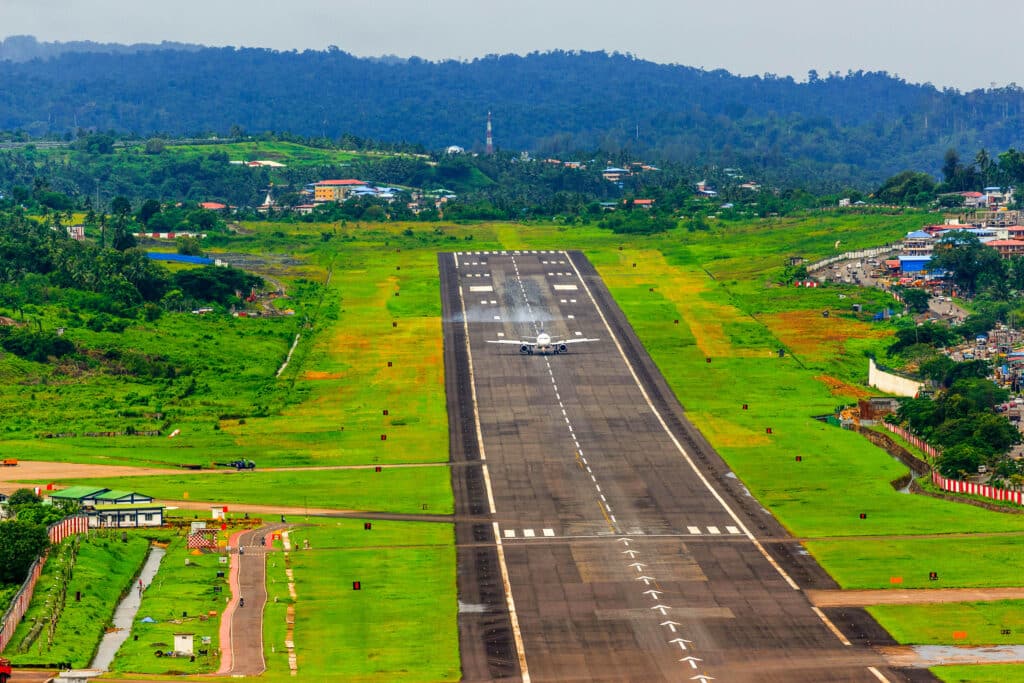
Flights are usually the single biggest line item and often decide whether Sri Lanka feels expensive to travel. Most routes involve one stop via a Gulf or Asian hub, with only a few direct options from Europe and the UK.
Typical return economy prices to Sri Lanka (Colombo – CMB):
- From Europe: About €600–€900 in 2025, with lower rates when flying via the Middle East or Asia; high season can push prices above €900.
- From the UK: Roughly £550–£850 return, depending on sales and whether you choose a direct SriLankan Airlines flight or a 1‑stop route via Doha, Dubai, or Abu Dhabi.
- From Asia or the Middle East: Around $300–$600 return for popular hubs like Dubai, Doha, Bangkok, or Kuala Lumpur.
You can check prices and availability here.
Insider booking tips for first‑timers:
- Aim for shoulder seasons (Apr–May, Sep–Nov) These months often see flight prices dip 15–25% compared with Christmas, New Year, and July–August school holidays, which pushes up both flights and hotels,
- Use 1‑stop routes via Gulf carriers. Routes via Doha, Dubai, or Abu Dhabi frequently balance price and travel time best; multi‑stop routes can be cheaper but eat into your first and last days.
- Check both Colombo and Mattala when you’re flexible. Colombo (CMB) is the main hub, but occasionally promotional fares appear to other Sri Lankan airports; still, CMB remains the most practical arrival for most travellers.
- Book 6–10 months out for most nationalities. Too early and you pay “rack” prices; too late and you risk surge fares, especially around festivals and European winter breaks. To match cheaper flights with better weather, it also helps to check the best time to visit Sri Lanka by region.
Arrival‑side costs:
- Tourist ETA visa: Around $50 USD for most nationalities, which you can apply for online before departure; it is often cheaper and faster than arranging on arrival. You can find step‑by‑step instructions in this detailed entry visa to Sri Lanka guide so you don’t risk last‑minute surprises.
- Airport taxes: Typically included in your airfare, so you won’t pay an extra departure tax at the airport.
- Airport to first hotel: A taxi to Colombo or Negombo usually runs $20–$30 if booked via official counters or trusted apps, more if you jump in the first unofficial taxi outside.
Insider tip: For late‑night arrivals, pre‑book a transfer with your guesthouse or use a reputable taxi desk inside the terminal; prices are fixed and you avoid post‑flight haggling.
Daily Expenses: Accommodation, Food & Transport
This is where Sri Lanka’s affordability becomes clear. Once you’re on the ground, Sri Lanka’s affordability really shows—especially if you lean into local-style options.
Accommodation costs
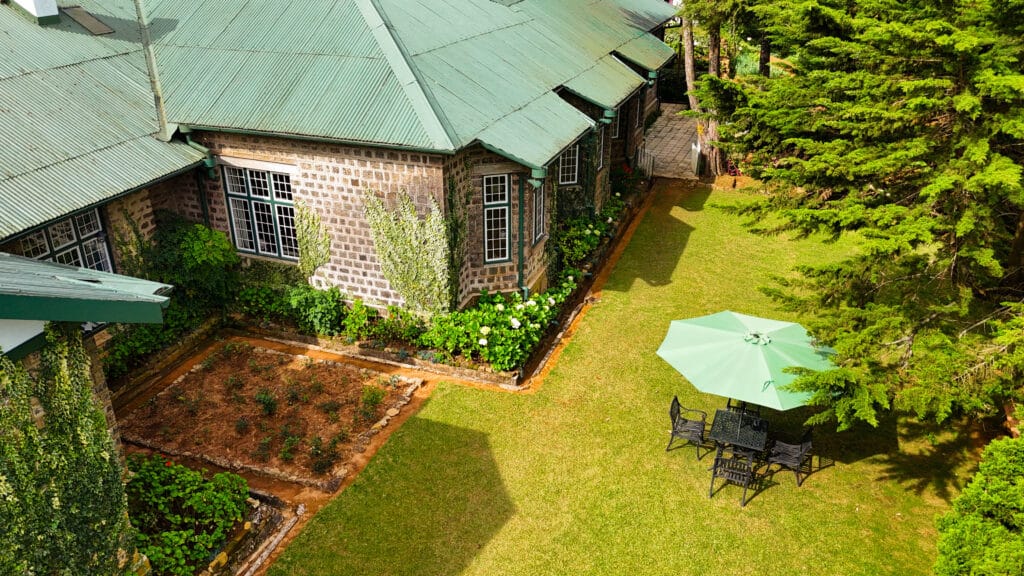
Accommodation will be one of your biggest daily expenses, but it’s also where Sri Lanka delivers some of the best value in Asia. Even budget rooms often have private bathrooms and feel homely rather than bare‑bones.
Typical nightly ranges (per room for 2):
- Budget guesthouses & homestays: $10–$25
Clean private rooms, ensuite bathrooms in many cases, Wi‑Fi, and often breakfast included. - Mid‑range hotels & boutique stays: $40–$90
Comfortable rooms, air‑conditioning, good locations, pools in coastal or hill‑country towns, and on‑site restaurants. - Luxury hotels & resorts: $200–$500+
High‑end service, beachfront or jungle settings, spas, fine dining, and curated experiences.
Unlike many countries, even budget accommodation in Sri Lanka is often spacious and friendly rather than bare-bones. For more information about what type of accommodation suits you best and how accommodations work in Sri Lanka, check our Best Hotels in Sri Lanka blog.
Food costs
Food is one of the key reasons Sri Lanka is not expensive to travel. Eating like a local keeps daily meal costs low while giving you some of the richest cultural experiences of the trip.

Typical prices per meal:
- Local rice & curry meals: About $1.50–$3 in small local “hotels” (canteen‑style eateries).
- Kottu roti or hoppers: Roughly $2–$4 depending on fillings and location.
- Tourist‑oriented restaurants: Around $5–$10 for mains in beach towns and popular hubs.
- Western‑style dining: $10–$15 in cafés and casual restaurants. In Colombo and high‑end beach resorts, fine‑dining restaurants can range from $30–$60 per person, especially for tasting menus, imported wine or seafood-focused experiences.
Transport costs
Sri Lanka is relatively easy to move around without flying. Public buses and trains form the budget backbone, with tuk‑tuks, private drivers, and occasional express buses giving you more comfort at higher prices.

Typical local transport costs:
- Local buses: About $0.20–$1 for short city rides or intercity hops; slightly more for long routes or A/C services.
- Trains (including scenic routes): Around $1–$5 for unreserved 2nd/3rd class on most standard intercity journeys.
- Tuk‑tuks (short trips): Roughly $1–$3 within towns, more at night or in tourist zones.
- Private drivers: About $75–$100 per day depending on distance, vehicle, and whether fuel/tolls are included.
In cities like Colombo and Kandy, you can use PickMe, Sri Lanka’s version of Uber, to see transparent fares and avoid overpaying. In smaller tourist towns like Ella or Mirissa, many drivers prefer cash and may quote higher prices; this is where your bargaining and local knowledge matter.
For a full overview of transport types and when to use each, see the getting around Sri Lanka guide.
Scenic Train Rides: Kandy, Nuwara Eliya & Ella
The hill‑country trains between Kandy, Nanu Oya (Nuwara Eliya), and Ella are both a highlight and a bargain—if you know how to book and what to expect. Our detailed Kandy in Sri Lanka and Ella Sri Lanka guides show how to combine these train rides with nearby attractions without overspending on transfers.

Nanu Oya (Nuwara Eliya) – Ella
- Duration: Around 4 hours through tea plantations and misty hills.
- 3rd Class: Very cheap (roughly the local rate around 160 LKR in older data, with 2026 prices higher but still only a few dollars); buy at the station, arrive early to secure seats as these carriages can get packed.
- 2nd Class: Slightly more comfortable than 3rd class with reserved seating options available on some services. Expect roughly $3–$6 depending on route and demand.
- Observation / 1st Class: About $10 USD for reserved A/C observation cars with large windows; book in advance during peak season.
Kandy – Ella
- Duration: Roughly 6 hours and widely considered one of the world’s most scenic rides. The most dramatic stretch is actually between Nanu Oya and Ella, where the train passes tea plantations, waterfalls and deep valleys.
- 3rd Class: Around $4–$5 equivalent in recent pricing; tickets typically bought at the station, but seats not guaranteed.
- 2nd Class: A popular middle ground with open windows and better seat availability than 3rd class. Usually around $5–$10 depending on reservation type and season.
- Observation / 1st Class: About $20–$30 USD on special or reserved services for guaranteed seating and comfort; best reserved online or via agencies 30 days ahead in peak months.
Insider train tips:
- Travel earlier in the day. Morning trains offer the clearest views before afternoon clouds roll in, and carriages are slightly cooler.
- Bring layers and snacks. Weather swings quickly in the hill country; trains often have no or limited food on board, so buy short eats from bakeries beforehand.
- Use regular trains if the “Ella Odyssey” is sold out. The special tourist train isn’t the only way to enjoy the route; local services are cheaper, frequent, and often more fun.
- Be sure to book your train tickets 30 days upfront when they become available. They likely sell out fast.
Long-Distance Transport Overview
For first‑timers, this is what you can expect to spend on popular point‑to‑point journeys. The cheapest experience is usually 3rd‑class train or local bus; 2nd class or express buses offer a good comfort upgrade for a bit more.

Colombo – Kandy
- Train (2nd / 3rd class): About $3–$5 (roughly 1,200–1,900 LKR).
- Bus: Around $0.50–$9 depending on whether it’s non‑A/C local or faster A/C service.
- Private car/driver: About $60–$70.
Colombo – Ella (via Kandy/Nuwara Eliya)
- Train (2nd / 3rd class, combined segments): Around $6–$10, with premium seats or special trains costing more.
- Express bus: Roughly $10–$13 (e.g., Superline or similar services).
- Private car/driver: $120–$150+ depending on route and stops.
Colombo – Sigiriya / Dambulla
- Bus: Around $2–$5 to Dambulla, then an extra tuk‑tuk ride to Sigiriya.
- Car/driver: $80–$100+ depending on detours.
Colombo – Arugam Bay (East Coast)
- Bus (10–12 hours / overnight): About $8–$12 depending on comfort level.
- Car/driver: $150–$180+.
Colombo – Galle (South Coast)
- Train (2nd class): About $1.50–$3, riding along the coast.
- Bus: Roughly $2–$4.
- Car/driver: $70–$90+.
You will find many of these routes used in the sample plans inside our Sri Lanka travel itinerary guide, which helps match journey times with realistic daily budgets.
If you want to spend a bit more but also upgrade your convenience level, you can arrange a car with a driver. Costs for that are around $75-110 per day. For a reliable driver you can book Sri Lanka Personal Tour Driver. We travelled with them for more than 2 weeks and we really liked this way of travelling.
Sightseeing, Activities & Hidden Fees
This is where budgets can stretch—especially if you stack multiple safaris, big cultural sites, and guided tours. With a little planning, you can still enjoy standout experiences without blowing your budget.
Cost of Safaris
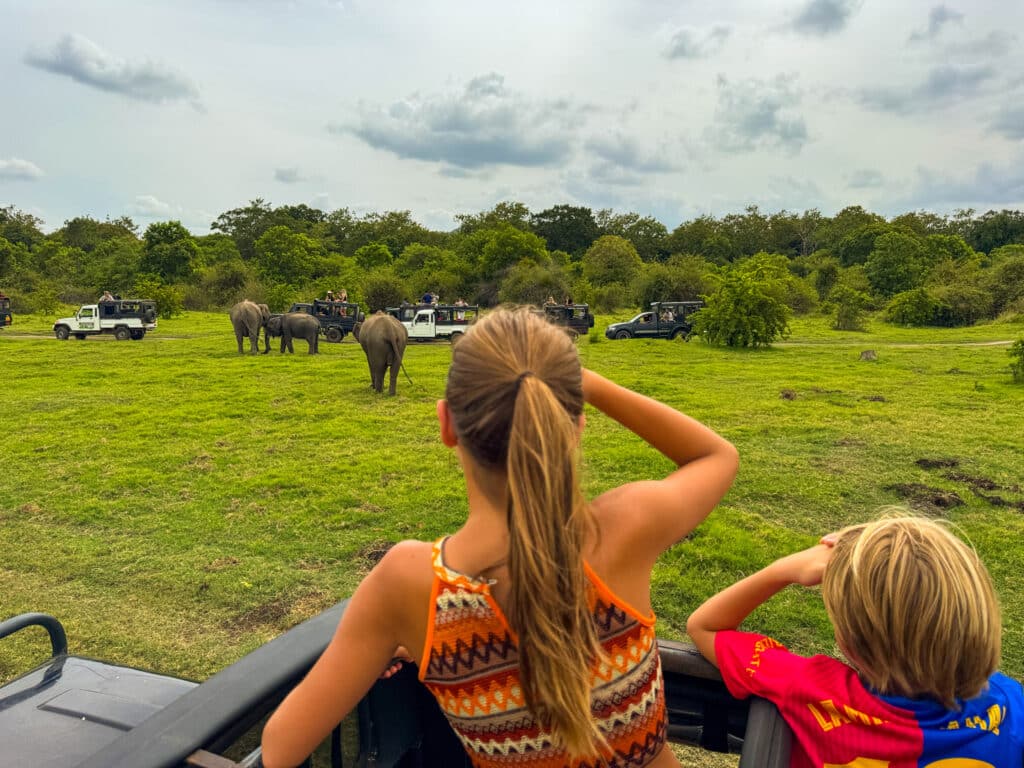
Sri Lanka’s national parks are a major draw for elephants, leopards, and birdlife. Actual safari costs have two components: the jeep/guide fee and the park entrance ticket. If you are specifically eyeing leopard or elephant encounters, the Udawalawe and Wilpattu safari guides compare experiences and help you budget for each park.
Popular parks and typical jeep prices (per person, jeep‑only, tickets extra):
| “National Park” | Half-day | Full-day | Highlights | Booking |
|---|---|---|---|---|
| “Wilpattu National Park” | ~$80 | ~$120 | “Less crowded. more authentic experience” | |
| “Minneriya National Park*” | ~$80 | ~$120 | “Massive elephant gatherings” | |
| “Yala National Park*” | ~$60 | ~$90 | “Plenty of leopards” | |
| “Udawalawe National Park” | ~$60 | ~$90 | Elephants |
* Take note that the link to the tour does not include the actual entrance ticket for the national parks. That needs to be purchased separately at the entrance of the national park.
For a more in‑depth look at Wilpattu’s wildlife and lodging, the Thamaravila Wilpattu review gives a good idea of what a higher‑end safari experience costs.
Cost of Cultural Sights
Sri Lanka’s Cultural Triangle—Anuradhapura, Sigiriya, Dambulla, and nearby sites—has some of the higher entrance fees for foreign visitors, but these are also among the country’s most memorable experiences. If you are spending more time around Sigiriya, this Sigiriya Sri Lanka guide helps you pair the fortress with nearby viewpoints and villages without overpaying

Approximate foreigner entry fees:
| Sight | Highlights / Notes | Entry Fee (USD) |
|---|---|---|
| Anuradhapura | Ancient city with sacred Buddhist sites | ~$35 |
| Sigiriya(Lion Rock) | Iconic rock fortress | ~$35 |
| Pidurangala Rock | Pidurangala hike is the best way to see the Sigiriya Rock fortress | ~$3 |
| Dambulla | Cave temple complex with Buddha statues | ~$10 |
| Ritigala Monastery | Forest monastery with ruins and scenic hiking trails | ~$6 |
Insider cultural tips:
- Pair Lion Rock Sigiriya with Pidurangala. Many travellers choose one paid Sigiriya Lion Rock climb and one Pidurangala hike to balance cost and views, rather than repeating expensive sites.
- Dress modestly and carry a sarong. It avoids needing to buy or rent coverings at temple entrances and helps you blend in at religious sites.
- Keep small change for camera and shoe storage fees. Some temples and sites charge extra for cameras or shoe storage, usually a small amount but annoying if you only have large notes.
Along with these major tickets, remember that many of Sri Lanka’s best experiences—beaches, local markets, small village temples, and short hikes—are either free or cost only a small donation.
Major attractions charge foreigner entrance fees:
- Sigiriya Rock Fortress: ~$30
- Yala National Park safari: $60–$90
- Cultural museums & temples: $5–$15
While these fees can add up, many experiences remain low-cost or free:
- Beaches along the south and east coast
- Tea plantation walks
- Scenic hikes and viewpoints
Hidden Costs to Watch
A few small “extras” can make Sri Lanka feel more expensive than it really is if you don’t anticipate them.
- Camera and video fees at heritage sites and temples. Always check posted boards at the entrance so you don’t get surprised.
- Tuk‑tuk markups in tourist zones. Drivers parked right outside famous spots often quote inflated prices; walking a few minutes away to hail a ride usually helps.
- Upselling on tours. Extra stops at shops, spice gardens, or gem stores can pressure you into buying unnecessary items; politely say no or agree in advance that you don’t want “shopping stops.”
Cost of Surfing
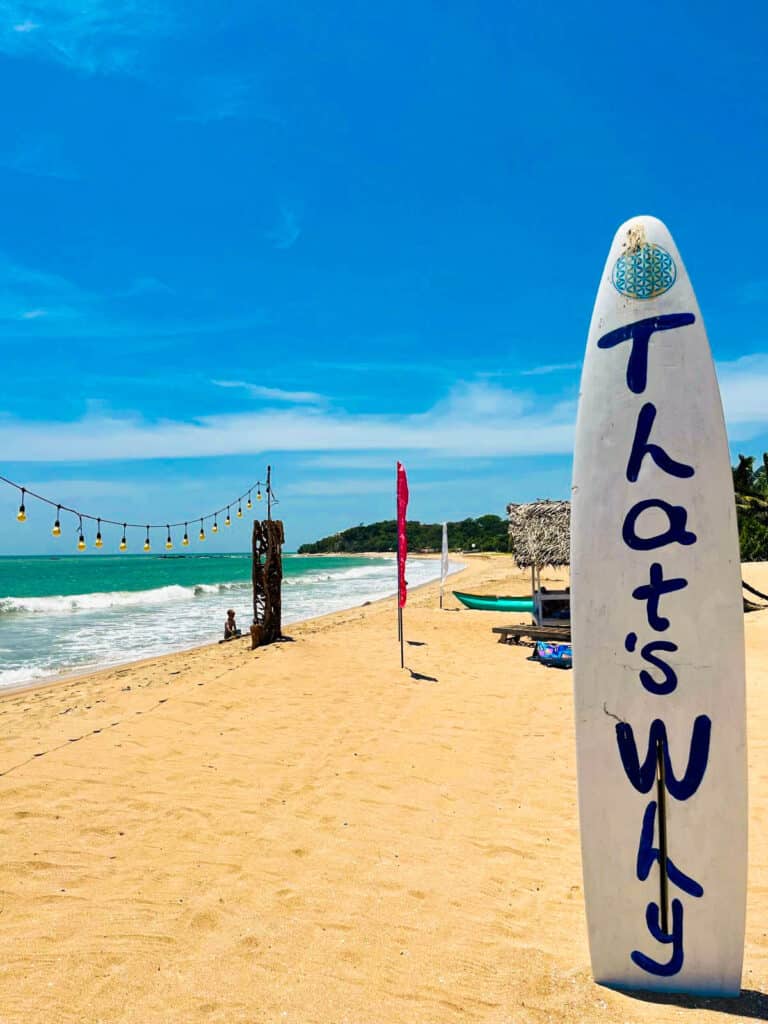
Surfing in Sri Lanka is generally very affordable compared with other tropical destinations, especially if you’re happy with basic board rentals and local instructors.
Approximate prices:
- Surf sessions (lesson + board): Around $20–$25 for a few hours with a local instructor in spots like Weligama or Arugam Bay.
- Board rental only: From about $5 for a couple of hours or around $10 per day, depending on quality and season.
If you want a fixed price (and no beach negotiation), see surf lesson options in Weligama or view surf lesson options in Arugam Bay.
Monsoon seasons and surfspots
Sri Lanka has two main coasts for surfing: the south coast and the east cost. Each coast has its monsoon season, but the good news is that when one coast is affected by the monsoon season, the other is usually surfable. You just need to plan according to the season.
Here’s a quick overview of the main surf spots, their level, and what to expect:
| Surf Spot | Coast / Season | Level | Notes |
|---|---|---|---|
| Weligama | South (Nov-Apr) | Beginner / Longboard | Gentle beach break. many surf schools |
| Hiriketiya | South (Nov-Apr) | Beginner | Fun waves. good nightlife |
| Midigama | South (Nov-Apr) | Intermediate | Reef breaks |
| The Rock (Kabalana) | South (Nov-Apr) | Intermediate | Best A-frame. chest-to-head-high waves |
| Arugam Bay | East (May-Sep) | Intermediate/High Beginner/Intermediate | Main Point: legendary right-hand point break.Peanut farm beach: sandy bottom |
Insider tip: If you plan to surf several days in a row, negotiate a multi‑day board rental rate rather than paying by the hour; shops in Weligama and Arugam Bay are used to surfers doing this. For a broader climate overview beyond surf, check the Sri Lanka monsoon season guide to see how rain patterns affect prices and crowd levels.
Cost of Data in Sri Lanka

Staying connected is easy and cheap. Buying a local SIM at the airport or in town can keep navigation, WhatsApp, and ride‑hailing apps running smoothly.
- Airport tourist SIM bundles: Around $8–$12 for roughly 20–30 GB valid for 30 days, depending on provider and promotion.
- eSIMs (e.g., Airalo or BNESIM, for BNESIM you will get 20% discount if you use to code ESIMKGT): Slightly more expensive than local physical SIMs but very convenient if you want to be online as soon as you land.
Insider tip: Install your eSIM or at least download offline Google Maps for key areas before flying; airport Wi‑Fi can be patchy and queues for SIMs can be long in peak periods.
Cost Variations by Region & Season
Prices shift noticeably across the island by region and time of year, which is why smart itinerary planning is one of the best ways to keep Sri Lanka from feeling expensive to travel.
By region:
- Colombo: Highest accommodation and dining prices; great for a short stop but not ideal for a long budget stay.
- South Coast (e.g., Galle, Mirissa, Weligama): Mid‑range; more expensive in peak season, but still good value with guesthouses and local food. You can get a feel for prices and vibes in our Galle Sri Lanka and Unawatuna Sri Lanka travel guides.
- Hill Country (Ella, Nuwara Eliya, Haputale): Often cheaper rooms and food, but you may spend a bit more on transport between scattered locations. The Nuwara Eliya guide shows how cooler weather and tea estates can balance out more expensive coastal days.
- East Coast (Arugam Bay, Trincomalee): Generally cheaper than the south, especially outside prime surf or whale‑watching seasons.
By season:
- Peak seasons (Dec–Mar, Jul–Aug): Accommodation can rise 20–40%, especially on the south coast and in major cultural hubs like Kandy and Sigiriya.
- Shoulder seasons: Often the best balance—lower room rates, fewer crowds, and still decent weather in many areas.
- To see which months match your budget and preferred weather, use the month‑by‑month breakdown in Sri Lanka weather by month.
For first‑time travellers, combining one peak‑season hotspot (like the south coast in January) with some hill‑country or east‑coast time in shoulder months helps keep the trip feeling special without pushing it into “too expensive” territory.
Money-Saving Tips for Sri Lanka

Sri Lanka stays affordable when you manage the four big levers: where you sleep, what you eat, how you move, and how many paid highlights you stack into one week. You don’t need to travel “ultra budget” — you just need a few smart defaults.
1) Accommodation: save without sacrificing comfort
- Choose a guesthouse that’s 5–10 minutes’ walk from the beach or centre (prices drop fast one street back).
- Stay 2–3 nights per base so you can ask for a better direct rate.
- Use air-con strategically (fan rooms work well in the hills and shoulder months).
- Check reviews for hot water, Wi‑Fi, and power cuts. Older places may struggle during outages; recent reviews will flag if backups are unreliable, which matters if you work remotely.
2) Food: eat like locals once a day
- Ask your host where they eat lunch. Following their recommendation often leads you to cheap, clean spots with rotating dishes and no printed menu.
- Use bakeries for breakfasts and bus days. Short eats like fish buns, vegetable rotis, and egg rolls are cheap, filling, and easy to pack for long rides.
- Try the “rice and curry buffet” once a day. A big midday plate with several vegetable curries and refills can keep you full for hours; a light dinner of hoppers or roti then keeps costs minimal.
- Watch drink costs. Imported alcohol, espresso coffee, and smoothies in tourist cafés can quietly double your daily spending; a switch to tea and fresh coconut now and then helps your budget.
- In many tourist cities in Sri Lanka, you will see a clear difference in price between beachfront cafés and the small ‘hotel’ eateries where locals eat.

3) Transport: use cheap long-distance travel, then add flexibility
- Use apps as a price benchmark. Even if the app isn’t available, opening it when you have Wi‑Fi gives you a rough idea of what a ride should cost before you negotiate on the street.
- Ask your guesthouse to recommend a regular driver. Locals often have one or two trusted tuk‑tuk or car contacts who charge fair prices and are happy for repeat business.
- Book 2nd or 3rd class on popular trains. Seats are cheaper, and the open windows and open doors make for better photo opportunities than A/C first class, which is sealed.
- In very touristy areas, walk 3–5 minutes away from the main strip. Tuk‑tuks one or two streets back are usually more willing to accept realistic fares than the ones parked right by the most popular cafés.
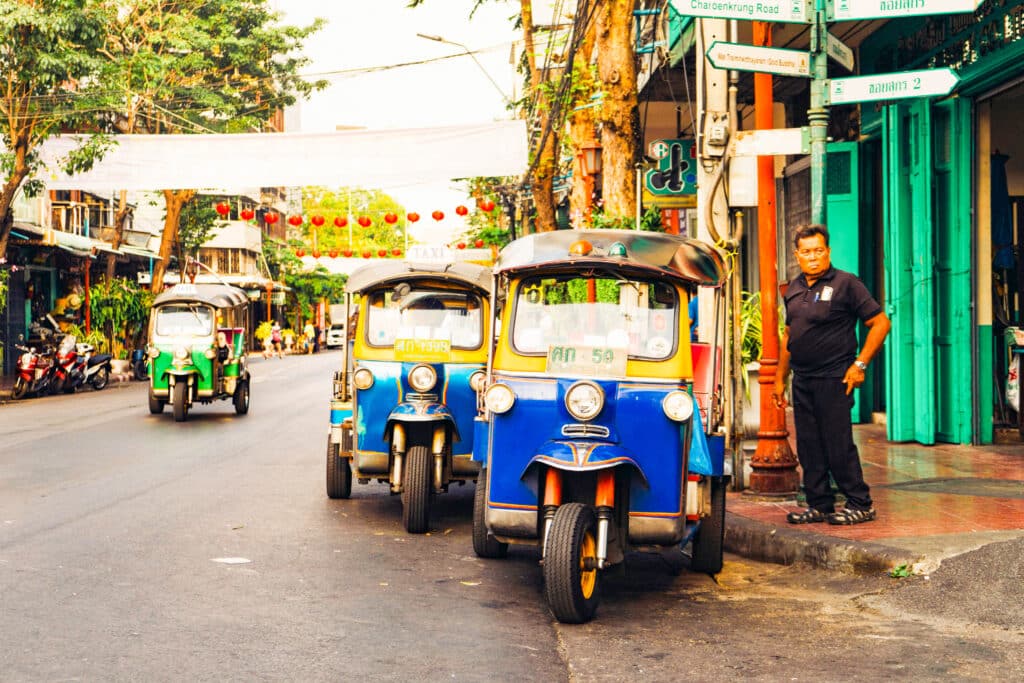
4) Activities: pick your ‘paid highlights’ deliberately
- Choose a few “must-pay” highlights. For many first-timers, that might be one safari (Yala or Udawalawe), one big heritage site (Sigiriya or an alternative like Pidurangala), and a whale-watching or surfing session.
- Balance with free or low-cost days. Add in beach days, self-guided walks around Galle Fort, hikes through tea plantations, local markets, and waterfalls to keep the overall daily average low.
- Join group tours instead of going private. Shared jeeps or group excursions can be 30–50% cheaper per person than a private trip, especially for safaris and day tours from hubs like Ella or Mirissa.
- DIY where it’s safe and simple. Many viewpoints, village walks, and temple visits don’t need a guide; a small donation or entrance fee is enough. Save paid guiding for wildlife parks or complex historical sites.
- Watch for “combo” ticket options. In some cultural areas, multi-site tickets cover several temples or ruins and work out cheaper than paying individually.
- Ask locals about “local price” vs “tourist price.” Some experiences (like boat rides or small attractions) have negotiable rates; going with a local or using your guesthouse contact can secure fair prices.

Sample Budgets for Different Traveller Types
Daily budgets in Sri Lanka vary more by style than by destination, but ranges below work well for 2025 first-timers.
- Backpacker – about $20–$30 per day
Dorm beds or very basic guesthouses, local buses and 2nd/3rd class trains, eating entirely at “hotels” and bakeries, mostly free activities plus occasional low-cost entrance fees. - Mid-Range Traveler – about $40–$70 per day
Private rooms in guesthouses or simple boutique hotels, a mix of public transport and app-based tuk-tuks, mostly local food with some café meals, several paid sites and perhaps one group safari. - Luxury Traveller – about $150–$300+ per day
Resort or high-end boutique stays, private drivers, more Western-style restaurants, premium safaris, curated tours, and spa treatments; Sri Lanka can still be cheaper than Maldives or similar island destinations in this bracket. If you are comparing both countries, this how much it cost to travel to Maldives breakdown helps you see if Sri Lanka offers better value.
These figures exclude international flights but include most on-the-ground costs like food, local transport, and day-to-day sightseeing. For first-time visitors, planning your itinerary around these ranges—and using the local-style tips above—helps keep “is Sri Lanka expensive to travel?” firmly in the “no, if you travel smart” category.
Managing Money in Sri Lanka
Sri Lanka is still a mostly cash-first country, especially outside Colombo, Galle, and big resort areas, so thinking about how you’ll access and spend money is just as important as how much you bring. With a simple plan—mix of cash and cards, fee-aware ATM use, and a few “don’t do this” rules—you can avoid most common money headaches.
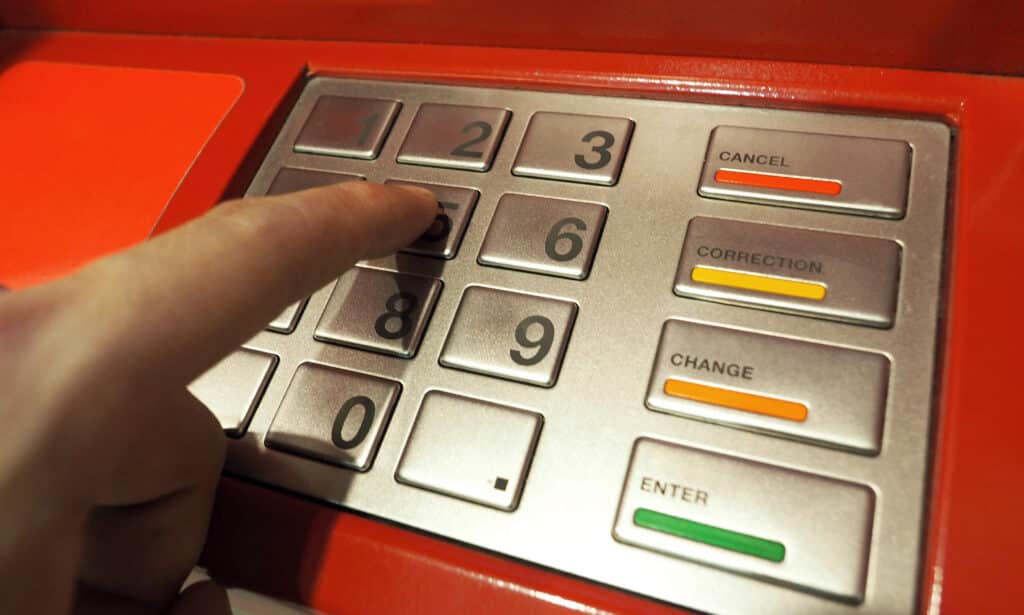
Payment Methods, Currency & ATMs
The official currency is the Sri Lankan Rupee (LKR), and you’ll use it for almost everything: tuk‑tuks, street food, small guesthouses, markets, and local buses. Cards are increasingly accepted at big hotels, supermarkets, and tourist restaurants, but cash still wins day‑to‑day.
How to structure your money mix as a first‑timer:
- Bring at least two cards (Visa + Mastercard). Some ATMs only accept one brand; having both makes it easier to find a working machine and gives you a backup if one is blocked.
- Carry a starter stash of USD/EUR. You can exchange at licensed money changers or banks on arrival, usually at better rates than your home bank gives you. Avoid airport kiosks for large exchanges; do a small “first day” amount only.
- Use ATMs from major banks to withdraw LKR. Bank of Ceylon, Commercial Bank, HNB, and DFCC are widely available; fees range from ~400–1,000 LKR per withdrawal, and some machines charge nothing, so check the on‑screen fee before confirming.
- Take out fewer, larger withdrawals. Because each ATM hit can carry a fixed fee plus your bank’s foreign charge, it’s usually cheaper to withdraw a bigger amount once rather than many small ones—then keep most of it locked in your room safe or money belt.
- Use cards where it makes sense. Pay with debit/credit card in supermarkets, big hotel restaurants, and chain cafés where card fees are already factored into prices, and keep cash for tuk‑tuks, markets, street food, and small shops that won’t take plastic.
- Carry a mix of small and medium notes. Many tuk‑tuk drivers and small stalls can’t break big bills; aim to keep plenty of 100, 200 and 500 LKR notes for day-to-day and use 1,000+ only for restaurants or hotels.
Insider tip: First thing after you leave Colombo airport arrivals, head to an ATM inside the official banking area or use the state bank counters, then top up again in major towns rather than waiting until tiny rural villages.
Common Money Mistakes to Avoid
A lot of “Sri Lanka is expensive” stories come from avoidable mistakes rather than genuine high prices. These are the traps first‑timers most often fall into—and how to dodge them.
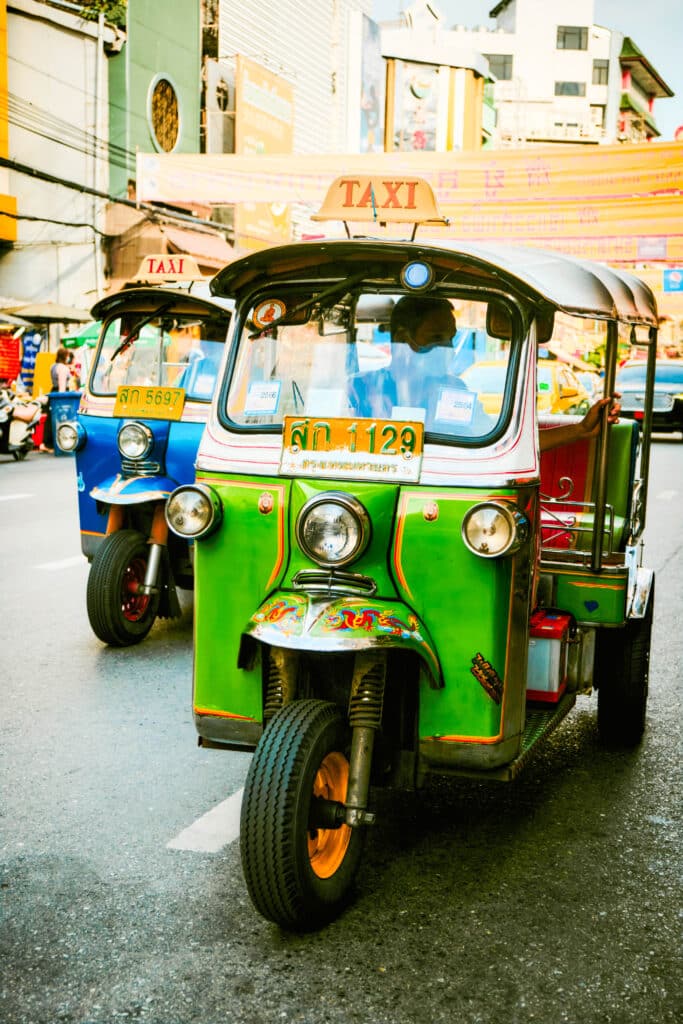
1. Not agreeing tuk‑tuk prices in advance
Outside app zones (like Colombo with PickMe), many tuk‑tuks don’t use meters, and tourists often pay double because they only ask the price after arriving.
- Before you get in, clearly ask, “How much to [destination]?” and repeat the number back.
- If it feels high, ask your guesthouse or a shopkeeper what a fair price is, then negotiate politely around that figure.
- Where PickMe or similar apps are available, open them first just to see a “reference” fare before hailing from the street.
2. Overbooking private tours and drivers
Many visitors hire a private driver for days they could easily do by train or bus, or choose private safaris when shared jeeps are available.
- For simple A-to-B routes (Colombo–Galle, Kandy–Ella), trains and buses are a fraction of the cost and more authentic.
- On safaris and day trips, ask guesthouses if there’s a group you can join—splitting the jeep and guide cost brings prices down dramatically.
3. Paying for experiences that are free or cheaper nearby
Some viewpoints, temples, and beach “experiences” are essentially public spaces that a middleman tries to monetize.
- Famous viewpoints often have similar, free spots just a short walk away; ask your host for local alternatives to the “Instagram platform” that charges a fee.
- In some coastal areas, people may offer “private beach access” or “secret sunset spots,” but most beaches in Sri Lanka are public—walk a little further and enjoy them for free.
4. Exchanging money at bad rates or in unlicensed places
Changing large amounts at airport kiosks or with unofficial changers on the street can mean poor rates or risks with fake notes.
- Use banks or clearly licensed counters; compare the buy/sell board before you hand anything over.
- If you must use an ATM that charges a high fee, take out enough to make that single fee worthwhile.
5. Ignoring small daily “leaks”
Multiple coffees in tourist cafés, imported alcohol, and constant impulse taxis add up quickly and can push you way above that $30–$50 daily budget.
- Swapping one or two “Western” meals per day back to local food can save $5–$10 without feeling deprived.
- Use a card only where prices are the same for card and cash; occasional “card surcharge” signs can quietly lift your bill.
6. Being taken to ‘shopping stops’ you didn’t ask for
Some private drivers and tour providers include stops at gem factories, spice gardens, batik workshops or tea demonstration rooms. While not all are problematic, prices are often significantly higher than on local markets, and there may be subtle pressure to buy.
- Agree in advance that you don’t want shopping stops unless you request them.
- If you want tea, buy it at a local supermarket or town market, where the same brands are often much cheaper than at plantation shops.
- Treat gem or spice visits as optional cultural stops — not must-buy experiences.
A polite but firm “No shopping stops today, please” at the start of a driver day can save both time and money.
Comparing Sri Lanka to Other Destinations
For a first‑timer weighing “is Sri Lanka expensive to travel?” against India, Vietnam, Thailand, or the Maldives, the answer is: Sri Lanka usually sits in the affordable middle, especially if you travel local-style.

Typical Daily Budget Ranges (Per Person, Excluding Flights)
| Destination | Daily Budget (USD) | Notes |
|---|---|---|
| Sri Lanka | $30-$50 | Very affordable if you use trains. eat local. and stay in guesthouses. attraction and safari fees can be higher. |
| India | $20-$40 | Cheaper overall. especially for food and street transport. more ultra-budget options. |
| Vietnam | $25-$45 | Similar to Sri Lanka. with slightly lower food and hostel prices in many regions. |
| Thailand | $40-$70 | Higher in major tourist hubs due to resort pricing and island transfers. northern areas can be cheaper. |
| Maldives | $40-$500+ | Ranges from budget-friendly local island stays to high-end private resorts with premium transfers. |
While the Maldives are often seen as a luxury-only destination, travellers staying on local islands can keep daily costs comparable to Sri Lanka or Thailand, without the resort price tag. If you want to know more about that check our guide about the local islands in Maldives.
For first‑time travellers who want palm‑fringed coasts, warm water, and local life without a “honeymoon-only” budget, Sri Lanka is one of the most wallet‑friendly choices in the region.
Frequently Asked Questions about Is Sri Lanka Expensive
Is Sri Lanka expensive to travel?
Sri Lanka is generally affordable for most travellers, especially once you’re on the ground. Daily costs for food, local transport and guesthouses remain low compared to Europe or Australia. However, national park safaris, Sigiriya Rock, and private drivers can increase your total quickly if you plan several in one week. With balanced planning, most travellers consider Sri Lanka good value rather than expensive.
How much money do I need per day in Sri Lanka?
For comfortable mid-range travel, most people spend between $30–$50 per person per day, excluding international flights. This typically covers a private guesthouse room (shared for two), local meals, public transport and a few paid attractions. Backpackers can spend closer to $20–$30 by using dorms and buses, while boutique or resort-style travel can easily reach $150–$300+ per day.
Why do some travellers say Sri Lanka is expensive?
Sri Lanka can feel expensive when travellers group together multiple high-cost days — for example a safari, Sigiriya Rock, whale watching and a private driver within the same week. Entrance fees for foreigners are higher than local prices, which also surprises some visitors. On regular travel days, however, food and transport remain inexpensive, so the perception often comes from poor budget distribution rather than constant high prices.
How much does food cost in Sri Lanka for tourists?
Local rice and curry meals usually cost around $2–$4, and street-style dishes like kottu or hoppers are similarly affordable. Tourist restaurants in beach towns typically charge $5–$15 per main course. In Colombo or high-end coastal resorts, fine dining experiences can range from $30–$60 per person, especially when imported wine or seafood is involved. Eating local most days keeps overall food costs very manageable.
How much does transport cost in Sri Lanka?
Public buses and trains are extremely affordable, often costing just $1–$5 for long intercity journeys. Tuk‑tuk rides within towns usually range from $1–$3 depending on distance. Hiring a private driver offers convenience but typically costs $75–$110 per day. Most travellers combine public transport for long routes with occasional tuk‑tuks, which keeps the daily average transport cost relatively low.
How much do safaris and activities cost in Sri Lanka?
Safaris are usually the most expensive single-day activity. Shared jeep tours typically cost $60–$120 per person, and park entrance fees are paid separately. Cultural sites such as Sigiriya or Anuradhapura range from about $3 to $35 depending on the location. Balancing one or two major highlights with free beaches, viewpoints and village walks helps control your weekly budget.
Can I travel Sri Lanka on $30 a day?
Yes, it’s possible with careful planning. Staying in simple guesthouses, travelling by bus or 2nd/3rd class train, and eating exclusively at local eateries can keep daily costs close to $25–$30. The key is limiting high-ticket attractions like safaris or private tours. Slow travel, fewer location changes, and prioritising free nature stops make this budget realistic for independent travellers.
Is Sri Lanka cheaper than Thailand or Vietnam?
Sri Lanka is broadly similar to Vietnam for daily costs and often slightly cheaper than Thailand in major tourist hubs. However, Sri Lanka’s entrance fees for cultural sites and national parks are generally higher than in both countries. Food and local transport remain affordable across all three destinations, so the main difference comes down to how many organised tours or paid highlights you include.
Final Thoughts on Is Sri Lanka Expensive
So, is Sri Lanka expensive to travel? For most travellers, not really — as long as you plan for the two things that skew budgets: major entrance fees (Sigiriya, national parks) and tour-style days (safaris, private drivers, packaged excursions). Day-to-day spending on food, local transport and guesthouses is still very manageable, which is why Sri Lanka feels like good value once you’re on the ground.
If you want the easiest approach: decide your comfort level (budget vs mid-range), pick a realistic number of paid highlights per week, and build the rest of your itinerary around slow travel days. For more inspiration on itineraries you can check out our itineraries based on your time in Sri Lanka.
Related Blogs
Other Practical Blogs
Best Time to Visit Sri Lanka: Weather, Seasons & Travel Tips
Sri Lanka Weather by Month: What to Expect Each Season as Traveller
Sri Lanka Travel Guide: Visa Requirements, Vaccination & Local Travel Tips
Is Sri Lanka Expensive to Travel? Budget, Costs & Money-Saving Tips for Your Trip
Getting Around Sri Lanka: Ultimate Guide to Transport, Trains, Tuk-Tuks & Easy Trip Planning
Other Sri Lanka Blogs
Sri Lanka Regions Explained: How to Choose the Best Areas for Your Trip
Sri Lanka Travel Itinerary: Custom Plans for Beach Lovers, City Explorers, and Wildlife Adventurers
Best Cities to Visit in Sri Lanka: A Practical Guide to Regions, Routes & City Bases
Best Hotels in Sri Lanka: How to choose where to stay — by region, travel style & value
Some links on this website are affiliate links. If you choose to book through one of them, I may earn a small commission — at no extra cost to you. This helps support the ongoing creation of independent travel guides and detailed destination content.