

Table of Contents
The Maldives is often imagined as a chain of private resort islands with overwater villas and curated luxury. Yet beyond that familiar image lies another side of the country: the local islands in Maldives, where guesthouses sit beside village cafés, snorkelling trips depart with local crews and daily life unfolds alongside the same turquoise lagoons.
Choosing the right island is less straightforward than it first appears. Transfer times, bikini beach quality, access to marine life and the overall atmosphere can vary dramatically from one inhabited island to the next. Some islands are lively activity hubs close to Malé, while others feel remote, spacious and almost untouched.
This Top 10 list is built to make those differences clear. The selection is based on a practical comparison framework looking at real-world factors such as beaches, snorkelling access, transfers, typical daily costs and the overall travel experience each island offers. While we have personally stayed on Dharavandhoo — one of the Maldives’ most famous manta-ray islands — the wider ranking draws on extensive research and comparisons across guesthouse islands throughout the country.
Whether you’re planning your first Maldives trip or looking for a quieter alternative to resorts, this guide helps you understand how the local islands in Maldives actually differ — and which one fits your travel style best.
In a Rush?
These are my Favourite Local Island Hotels
- ⭐️⭐️⭐️ Boutique Beach All Inclusive Diving Hotel – Digurah – Check prices and availability
- ⭐️⭐️ Kiha Beach – Dharavandoo – Check prices and availability
- ⭐️ Palmcasa– Maafushi – Check prices and availability
Top 10 Local Islands at a Glance
If you want a quick overview before diving into the full island breakdowns, this table compares the most important differences between the top local islands in the Maldives. It highlights the key travel factors that usually shape the experience most: vibe, beach quality, marine life access, transfer time from Malé and the general budget level.
Use it as a fast starting point to narrow down which island might suit your travel style. The detailed sections below then explain what each island is really like, including its atmosphere, practical trade-offs and the types of travellers who tend to enjoy it most.
| Island | Best for | Vibe andamp. pace | Beach quality | Marine life access | Transfer from Malé | Budget level |
|---|---|---|---|---|---|---|
| Dhigurah | Whale sharks and long beaches | Calm. nature-focused | Long. wide. sandy | Whale sharks year-round (tours). mantas seasonal | Domestic flight + boat or long speedboat | €€ |
| Ukulhas | Snorkelling from shore | Relaxed. well-organised | Long. clean bikini beach | Excellent house reef from beach | Speedboat (1.5–2 hrs) | €€ |
| Maafushi | Budget and activities | Lively. social | Smaller. organised | Mainly via excursions | Speedboat (45–60 min) | € |
| Thoddoo | Space and tranquillity | Quiet. rural | Wide. natural beaches | Mostly via excursions | Speedboat (±1 hr) | € |
| Fulidhoo | Couples and quiet stays | Very calm. intimate | Small but pleasant | Rays and nurse sharks near harbour | Speedboat (±1 hr 15 min) | €€ |
| Gulhi | Short stays close to Malé | Calm. compact | Small. attractive | Limited from shore | Speedboat (±30 min) | € |
| Thulusdhoo | Surf and creative vibe | Energetic. social | Good. not pristine | Secondary to surf | Speedboat (30–60 min) | €€ |
| Rasdhoo | Diving and channels | Active. dive-focused | Small. functional | Sharks. rays. pelagic species | Speedboat (±1.5 hrs) | €€ |
| Dhiffushi | First-time visitors | Easygoing. relaxed | Calm. beginner-friendly | Mainly via excursions | Speedboat (30–45 min) | € |
| Dharavandhoo | Manta rays (seasonal) | Calm. wildlife-focused | Pleasant. secondary | Mantas at Hanifaru Bay (seasonal) | Domestic flight or speedboat | €€€ |
Top picks: choose your local island by travel style
If you already know what kind of trip you want, these quick shortcuts help you jump straight to the islands that fit your travel style best. Each link takes you to the detailed island section below, where you’ll find practical pros & cons and carefully selected places to stay.
- Whale sharks & long, walkable beaches: Dhigurah
- Snorkelling straight from the beach: Ukulhas
- Lowest total cost & most activities: Maafushi
- Quiet beach days & space: Thoddoo
- Couples & slow travel: Fulidhoo
- Short stay close to Malé: Gulhi
- Surf & creative island vibe: Thulusdhoo
- Diving & channel action: Rasdhoo
- First‑time visitors & easy swimming: Dhiffushi
- Manta rays (seasonal, Hanifaru Bay): Dharavandhoo
Local islands vs resorts
If you’ve only seen the Maldives through resort marketing, it helps to know that the country runs on two different travel models:
- Resort islands are privately managed tourism islands: you arrive, and most things are packaged (meals, activities, alcohol, transport).
- Local islands are inhabited communities: you stay in guesthouses, choose tours day‑by‑day, and follow local customs outside designated bikini beaches.
Quick reality check: local islands are usually far cheaper day‑to‑day, but your final cost depends on transfer type and how many excursions you add.
| Feature | Local islands (guesthouses) | Resort islands |
|---|---|---|
| Typical nightly cost | ~US$50–200 | ~US$300–2.500+ |
| Alcohol | Not on the island (floating bars exist in a few places) | Available |
| Dress code | Modest in the village. swimwear on bikini beaches | Swimwear everywhere |
| Planning style | Flexible. independent | Predictable. curated |
| Transfers | Ferry/speedboat/domestic | Speedboat/seaplane |
Best approach for many travellers: combine both — a few nights on a local island + a resort day pass (or 1–2 resort nights) if you want a taste of the classic Maldives.

What daily life on a local island really looks like
Before diving into the Top 10 local islands, it’s important to understand what staying on an inhabited island actually means in practice. These points aren’t drawbacks — they’re simply part of how local‑island travel works in the Maldives, and knowing them upfront helps you choose the right island with realistic expectations.
Bikini beaches (and where swimwear is allowed)
On local islands, swimwear is only allowed on designated bikini beaches. These are clearly marked areas created specifically for visitors and are usually the most scenic parts of the island, with soft sand, shade and easy access to the lagoon. Outside these zones, you’re expected to dress modestly.
Bikini beach quality varies by island: some have long, wide beaches and sandbanks, while others have shorter stretches or seasonal coral debris. This is one of the key differences between local islands — and a major factor in this Top 10 ranking.

Clothing & respect in the village
Local islands are home to Maldivian communities and follow Islamic customs. When walking through the village, visiting shops, cafés or taking public ferries, visitors should cover shoulders and knees. Lightweight trousers, longer skirts, T‑shirts and loose dresses are perfectly fine and comfortable in the heat. On bikini beaches, normal swimwear is allowed and the atmosphere is relaxed.
Alcohol rules
Alcohol is not permitted on inhabited local islands. You won’t find bars or alcoholic drinks in restaurants or guesthouses. On a few islands (most notably Maafushi), licensed floating bars are anchored offshore where alcohol can be served legally. Resorts do not have these restrictions.
Religion & daily rhythm
Islam plays a visible role in daily life on local islands. You’ll hear the call to prayer, see mosques at the heart of the community and notice that daily routines slow down during prayer times. This is simply part of island life and is generally experienced as calm and respectful rather than restrictive.
A genuine glimpse of Maldivian culture
One of the biggest positives of staying on a local island is that you experience the Maldives as a living country, not just a holiday setting. You’ll see children walking home from school, fishermen bringing in the daily catch and families gathering in the evenings. Guesthouses are often family‑run, and conversations feel personal rather than transactional. For many travellers, this cultural layer — however subtle — adds depth and meaning that simply isn’t present on private resort islands.
Dining & evenings
Most meals are served in guesthouse restaurants or small local cafés. Expect fresh fish, curries, rice dishes and simple international options. Dining is affordable, but choice is more limited than on resorts. Evenings on local islands are typically quiet, centred around dinner, beach walks and early nights rather than nightlife or entertainment.

Freedom vs convenience
Staying on a local island gives you freedom: you decide when to eat, which tours to join and how much to spend each day. In return, you give up some convenience — there are no cocktail bars, no room service menus and fewer facilities. Whether that’s a plus or a downside depends entirely on your travel style.
Understanding these basics makes it much easier to choose the right island. Below, you’ll find the Top 10 local islands in the Maldives, each selected for a specific travel style, budget logic and overall experience.
How to Choose Between Local Islands in the Maldives (Based on Your Vibe)
Choosing between different local islands in the Maldives isn’t about finding the objectively best island — it’s about finding the island that fits your travel style, priorities and expectations. Each inhabited island has its own rhythm, level of development and type of experience, and those differences matter far more than star ratings or popularity.
Before diving into the Top 10 local islands, it helps to step back and consider the factors that most strongly shape a local-island stay.
Budget & realistic price level
Local islands vary more in price than many travellers expect. Islands close to Malé or with a large number of guesthouses tend to be cheaper overall, while islands known for whale sharks, manta rays or domestic-flight access are usually more expensive.
When comparing islands, look beyond the room rate and factor in total daily costs, including:
- accommodation
- meals
- transfers
- typical excursions
An island with slightly higher accommodation prices can still offer better value if transfers are cheaper or if good snorkelling is possible directly from shore.
Distance & transfers from Malé
Transfer logistics have a major impact on both budget and comfort. Some islands are just 30–45 minutes away by speedboat, while others require a domestic flight plus an additional boat transfer.
Short transfers save time and money and work well for shorter trips. More remote islands often offer better marine life and fewer crowds, but they require more planning and higher transfer costs.
Beach quality & bikini beaches
Not all local islands offer the same beach experience. Some have long, soft-sand bikini beaches with easy swimming access, while others have shorter beach sections or areas with seasonal coral fragments.
If beach time and swimming are central to your trip, bikini beach quality should strongly influence your choice — it’s one of the biggest practical differences between local islands.
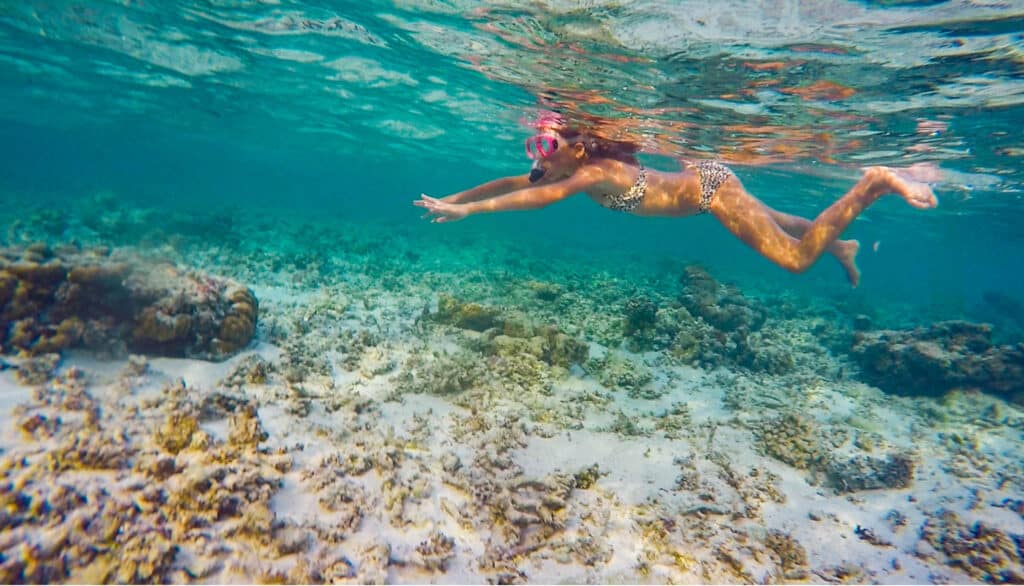
Snorkelling & marine life
If snorkelling or diving is a key reason for visiting the Maldives, check how marine life is accessed on each island. Some islands have a good house reef reachable directly from shore, while others rely mainly on boat excursions.
Iconic wildlife such as whale sharks and manta rays are found only in specific atolls and seasons, so island choice matters.
Island size & atmosphere
Larger islands tend to feel more spacious and less crowded, even during high season. Smaller islands can feel more intimate and authentic, but usually offer fewer restaurants, cafés and facilities.
Decide whether you prefer space and variety or simplicity and quiet.
Tourism level
Some local islands are lively and social, with many guesthouses, cafés and organised tours. Others remain calm and community-focused, where evenings are quiet and daily life follows a local rhythm.
Neither is better — the right choice depends on whether you enjoy meeting other travellers or prefer a low-key environment.
Activities & excursions
Think about how active you want your stay to be. Certain islands are known for surfing, others for diving, snorkelling or sandbank trips. Excursion availability, group size and pricing can differ significantly between islands.
Travel companions
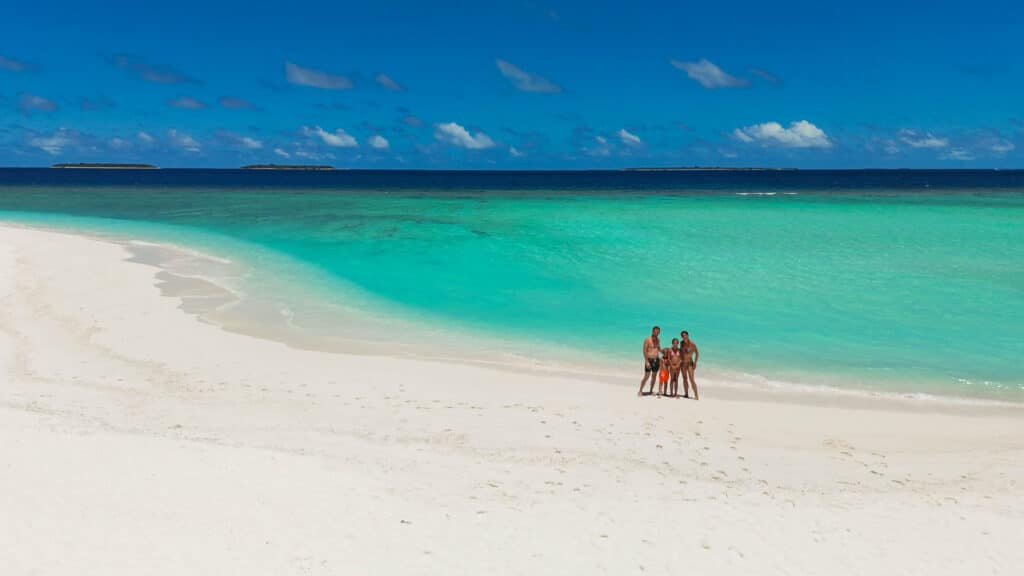
Who you’re travelling with matters. Couples and slow travellers often gravitate towards quieter islands, while first-time visitors, families or social travellers may prefer islands with easier logistics and more facilities.
Keeping these points in mind makes it much easier to choose the right local island. Below, you’ll find a detailed breakdown of the Top 10 local islands in the Maldives, each selected for a specific travel style, budget logic and overall experience.
Top 10 Local Islands in Maldives
1. Dhigurah: Marine Life & Endless Beaches
Best for
Nature lovers, snorkellers and travellers who prioritise beaches and marine life over nightlife
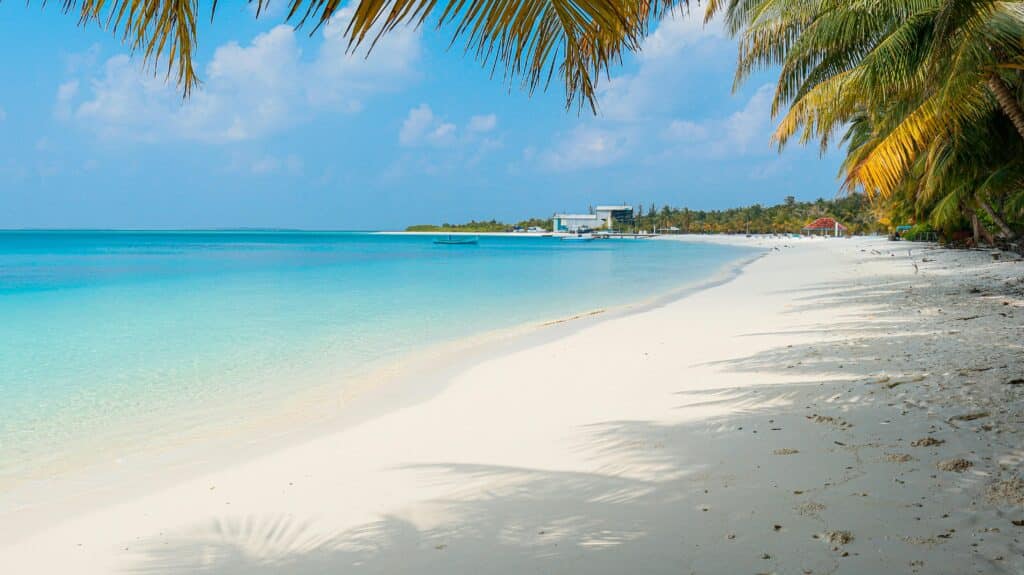
Dhigurah is one of the most impressive local islands in the Maldives for travellers who come primarily for marine life and space. Located in South Ari Atoll, the island is unusually long and narrow, which creates a sense of openness that many smaller local islands simply don’t have. It’s best known as a base for whale shark excursions and for its long, walkable bikini beaches.
Why Dhigurah stands out
- Located in South Ari Atoll, one of the Maldives’ strongest regions for marine life
- Whale shark excursions operate year-round (sightings are seasonal and never guaranteed)
- One of the longest local islands, with wide beaches and a sandbank at the southern tip
- Calm, nature-focused atmosphere without mass tourism
How to get to Dhigurah
- Domestic flight from Malé (MLE) to Maamigili Airport (≈ 20 minutes) + speedboat to Dhigurah (≈ 15–20 minutes)
Indicative transfer cost (one‑way, per person): US$180 (prices in 2026) - Direct speedboat from Malé (≈ 2–2.5 hours, limited schedules)
Indicative transfer cost (one‑way, per person): US$70 (prices in 2026)
Most travellers choose the domestic flight + speedboat combination for comfort and reliability.
Island overview (quick scan)
- Island size & vibe: Dhigurah is a long, narrow island and one of the longest local islands in Maldives. Thanks to its size, it feels spacious and relaxed rather than crowded, even in high season. The overall vibe is calm, nature-focused and ideal for travellers who prefer beaches and marine life over nightlife.
- Bikini beach & swimming: Dhigurah has one of the longest bikini beaches among the local islands in Maldives, including a beautiful sandbank at the southern tip. Swimming conditions are generally excellent, although some sections of the beach can have washed-up coral fragments depending on season, so water shoes can be useful.
- Snorkelling & marine life: This is where Dhigurah truly stands out. Whale sharks can be spotted year-round, with manta rays best seen from May to November. Reef sharks, turtles and rays are also common. Snorkelling from shore is possible, but the best encounters happen on guided excursions.
- Tourism level: Moderate. Dhigurah is popular with snorkellers and nature lovers, but it never feels like mass tourism and is far less commercial than islands such as Maafushi.
Price level (indicative)
- Guesthouses: Mid‑range for local islands
- Meals: US$8–15 in local restaurants
- Excursions: US$40–80 depending on activity
Dhigurah is not the cheapest local island, but prices remain far below resort stays and reflect the quality of beaches and marine excursions available here.
Best hotels in Dhigurah (local island stays)
Accommodation on Dhigurah mainly consists of small to mid‑range guesthouses rather than large hotels. Prices are slightly higher than on very basic local islands, reflecting the island’s popularity for whale shark encounters, but remain far below resort prices.
Boutique Beach All Inclusive Diving Hotel (beachfront)
A boutique-style hotel focused on marine life and whale shark excursions. One of the few local island properties offering an all-inclusive concept, which can make budgeting easier for longer stays.
Rating (Booking.com): 9.9
Price indication: from US$680 per night for two (all-inclusive, 2026)
Unwind Dhigurah (beachfront)
One of the more upscale guesthouses on the island and one of the few with a swimming pool. Well suited for couples who want extra comfort and a slightly more resort-like feel without staying on a private island.
Rating: 9.2
Price indication: from US$130 per night incl. breakfast (2026)
Beach Lily Dhigurah (inland)
A well-reviewed, good-value guesthouse for travellers who spend most of their time on excursions, snorkelling or exploring the island rather than at the hotel itself.
Rating: 9.1
Price indication: from US$80 per night incl. breakfast (2026)
Budget vs value logic
Dhigurah isn’t the cheapest local island once you factor in transfers, but it offers exceptionally strong value for nature-led trips. A key advantage is that whale shark encounters are possible year-round in South Ari Atoll, and from Dhigurah the main snorkelling sites are located close to the island.
Because boat rides to whale shark areas are relatively short, excursions are often cheaper than on islands that require long-distance trips to reach the same marine life. Combined with genuinely long, swimmable beaches and a spacious island layout, Dhigurah delivers a classic Maldives experience without the need for constant add-ons or island hopping.
Responsible whale shark tourism (important to know)
Dhigurah is known for year-round whale shark excursions, but it’s important to be aware that not all tours operate with the same level of responsibility. During busy periods, especially in high season, whale shark encounters can sometimes involve many boats and swimmers surrounding a single animal, with people getting too close or blocking its path.
This can be stressful for the whale shark and goes against recommended wildlife-interaction guidelines.
If swimming with whale sharks is a priority for you, choose your operator carefully. Look for tours that:
- limit the number of swimmers in the water
- keep a respectful distance
- avoid chasing or cornering the animal
- brief guests clearly on behaviour before entering the water
Responsible operators may feel less “spectacular” in the moment, but they offer a far more ethical and often calmer experience — and help protect the wildlife people come here to see.
Not for / trade-offs
Dhigurah is less suitable for very short trips, as the transfer time can eat into your stay. Evenings are quiet, with no nightlife and no alcohol available on the island itself. Depending on the season, some beach sections can have coral fragments, so water shoes are useful.
2. Ukulhas: Easy Snorkelling & Clean Beaches

Best for
Snorkellers, first-time local-island travellers, couples and families who want comfort without crowds.
Ukulhas is widely regarded as one of the cleanest and best-organised local islands in the Maldives. Located in Alif Alif Atoll, the island combines a well-maintained bikini beach with easy snorkelling directly from shore — a rare combination among inhabited islands. The overall feel is calm, orderly and welcoming, making Ukulhas a popular choice for travellers who want a smooth first experience on a local island.
Why Ukulhas stands out
- Excellent snorkelling directly from the beach, without needing daily boat trips
- Long, well-maintained bikini beach with soft sand and clear swimming areas
- Strong local focus on environmental cleanliness and sustainability
- Relaxed, low-stress atmosphere suitable for couples and families
How to get to Ukulhas
- Scheduled speedboat from Malé: ± 1.5–2 hours (multiple times per day)
Indicative transfer cost (one‑way, per person): US$50–60 (prices in 2026)
Public ferries do run, but most travellers choose the speedboat for comfort and time efficiency.
Island overview (quick scan)
- Island size & vibe: Ukulhas is a small to medium‑sized island, but thanks to wide streets, greenery and smart planning it feels open rather than crowded. The vibe is calm, friendly and well organised, with a noticeable focus on sustainability.
- Bikini beach & swimming: Ukulhas has one of the longest and best‑maintained bikini beaches among the local islands in Maldives. The sand is generally soft and clean, swimming conditions are calm, and coral debris on the beach is minimal.
- Snorkelling & marine life: Snorkelling is the island’s biggest draw. The house reef is easily accessible directly from the beach, allowing you to snorkel without booking excursions. Expect reef fish, turtles, rays and small reef sharks. Whale sharks are not common here.
- Tourism level: Moderate and well balanced. Ukulhas attracts snorkellers and relaxed travellers but never feels overdeveloped or crowded, and is far less commercial than Maafushi.
Price level (indicative)
- Guesthouses: US$70-270 Mid‑range for local islands
- Meals: US$8–15 in local restaurants
- Excursions: US$30–60 depending on activity
Ukulhas is not the cheapest local island, but daily costs remain predictable and reasonable — especially because snorkelling does not rely heavily on paid excursions.
Best hotels in Ukulhas (local island stays)
Madi Maldives Ukulhas (beachfront)
Modern beachfront guesthouse with a clean, minimalist design and direct access to the bikini beach. A strong choice for travellers who want comfort, easy beach access and a quiet setting.
Rating (Booking.com): 9.8
Price indication: from US$260 per night for two incl. breakfast (2026)
ARIA Beach Ukulhas (beachfront)
One of the few properties on Ukulhas with a swimming pool, offering a slightly more resort-like feel while remaining firmly a local-island stay. Well suited for couples who want extra comfort.
Rating: 10
Price indication: from US$150 per night for two incl. breakfast (2026)
Ukulhas View (inland)
A popular inland guesthouse offering good value for money. Best for travellers who plan to spend most of their time snorkelling, joining excursions or relaxing at the beach rather than at the hotel itself.
Rating: 9.4
Price indication: from US$85 per night for two incl. breakfast (2026)
Budget vs value logic
Ukulhas offers excellent value because snorkelling is accessible directly from shore. This significantly reduces the need for paid boat excursions, keeping daily costs lower than on islands where marine life is only reachable by tour. Combined with a high-quality bikini beach and good infrastructure, Ukulhas delivers a very complete Maldives experience at a controlled budget.
Not for / trade-offs
Ukulhas is not ideal if your main goal is big pelagic encounters such as whale sharks or manta rays, which are uncommon here. Evenings are quiet, with no nightlife and no alcohol available on the island. Travellers looking for a lively, social scene may find Ukulhas too low-key.
3. Maafushi: Budget friendly & Activity Hub

Best for
First-time visitors, budget travellers, social travellers who want lots of activities and easy logistics.
Maafushi is the most developed and best-known local island in the Maldives. Located in Kaafu Atoll, close to Malé, it offers the widest range of guesthouses, excursions and cafés of any inhabited island. The atmosphere is lively and practical rather than tranquil, making Maafushi especially popular with first-time visitors who want an easy introduction to the Maldives without resort prices.
Why Maafushi stands out
- One of the closest and easiest local islands to reach from Malé Airport
- Large choice of guesthouses in different budget ranges
- The widest excursion offer among local islands (sandbanks, snorkelling, dolphins, resort day passes)
- Offshore floating bars provide legal access to alcohol
How to get to Maafushi
- Scheduled speedboat from Malé: ± 45–60 minutes (multiple departures daily)
Indicative transfer cost (one‑way, per person): US$25–35 (prices in 2026)
Maafushi is one of the easiest local islands to reach directly after landing at Velana International Airport.
Island overview (quick scan)
- Island size & vibe: Maafushi is a small island with a dense layout and a busy, energetic feel. It’s lively and social rather than spacious or tranquil.
- Bikini beach & swimming: Maafushi has a designated bikini beach that is well organised but relatively compact. Swimming is fine, though the beach is less pristine than on quieter islands.
- Snorkelling & marine life: Snorkelling from shore is limited. Most marine experiences happen via excursions, including reef snorkelling, turtle trips and sandbank tours.
- Tourism level: High. Maafushi is the most touristic local island in Maldives and feels more commercial than any other island on this list.
Price level (indicative)
- Guesthouses: US$55-150 Budget to lower mid‑range for local islands
- Meals: US$6–12 in local restaurants
- Excursions: US$30–70 depending on activity
Thanks to short transfers and competition between operators, Maafushi often delivers one of the lowest total daily costs among local islands.
Best hotels in Maafushi (local island stays)
Arena Beach Hotel (beachfront)
One of the most popular beachfront hotels on Maafushi, offering direct access to the bikini beach and a rooftop swimming pool. A good option for travellers who want comfort, facilities and a slightly more resort-like stay on a local island.
Rating (Booking.com): 8.7
Price indication: from US$150 per night for two incl. breakfast (2026)
Palmcasa (beachfront)
A stylish boutique-style hotel close to the bikini beach, with a relaxed atmosphere and good value for money. Well suited for couples who want a comfortable stay without paying for full resort facilities.
Rating: 9.2
Price indication: from US$90 per night for two incl. breakfast (2026)
Lagoon Sunset (inland)
A comfortable inland guesthouse offering good value and easy access to tours and excursions. Best for travellers who spend most of their time exploring rather than staying at the hotel.
Rating: 9.0
Price indication: from US$75 per night for two incl. breakfast (2026)
Budget vs value logic
Maafushi excels on logistics, choice and affordability. The short transfer from Malé keeps transport costs low, while the large number of guesthouses and tour operators creates competition that helps keep prices down. If your goal is to see and do a lot — snorkelling trips, sandbanks, dolphin cruises and even resort day passes — without paying resort accommodation prices, Maafushi offers exceptional value.
Not for / trade-offs
Maafushi is not the island to choose if you’re looking for empty beaches or a slow, barefoot atmosphere. The bikini beach is smaller and more structured, and you’ll notice more boats, tours and day-trippers throughout the day. Travellers seeking peace, space and a strong nature focus are usually better suited to quieter islands like Dhigurah or Ukulhas.
4. Thoddoo: Green, Spacious & Quiet

Best for
Slow travellers, couples, beach lovers who want space and calm without crowds.
Thoddoo is one of the most distinctive local islands in the Maldives, known not for resorts or busy tourism, but for its lush agricultural landscape and wide, natural beaches. Often referred to as the “fruit island” of the Maldives, Thoddoo feels greener, more spacious and noticeably calmer than many other inhabited islands, making it an excellent choice for travellers who want to slow down.
Why Thoddoo stands out
- One of the greenest local islands, with active fruit plantations (watermelon, papaya, banana)
- Wide, uncrowded bikini beaches with a natural feel
- Calm, low-key atmosphere ideal for relaxed stays
- Good base for snorkelling and simple excursions without mass tourism
How to get to Thoddoo
- Scheduled speedboat from Malé: ± 1 hour (daily departure except for Fridays)
Indicative transfer cost (one-way, per person): US$55–60 (prices in 2026)
Public ferries exist but are slower and less reliable for short stays, so most travellers opt for the speedboat.
Island overview (quick scan)
- Island size & vibe: Thoddoo is a medium-sized island with a very open, rural feel. Thanks to its agricultural layout, it never feels crowded and has a distinctly peaceful atmosphere.
- Bikini beach & swimming: Thoddoo has two main bikini beaches that are long, wide and relatively natural. Swimming conditions are generally good, though some seasonal coral debris can appear after rough seas.
- Snorkelling & marine life: Snorkelling from shore is possible in certain areas, but most marine life experiences are best enjoyed through excursions. Expect reef fish, turtles and rays. Manta ray encounters are possible around Thoddoo from November to October, depending on conditions, making it a seasonal highlight for snorkellers.
- Tourism level: Low to moderate. Thoddoo attracts travellers looking for quiet beaches and nature, and feels far less touristic than islands like Maafushi.
Price level (indicative)
- Guesthouses: US$55-120 Budget to mid-range for local islands
- Meals: US$6–12 in local restaurants
- Excursions: US$30–60 depending on activity
Thoddoo remains very affordable day-to-day and offers good value for travellers who prioritise beach time over organised activities.
Best hotels in Thoddoo (local island stays)
New Breeze Thoddoo Inn (near the beach)
A modern, well-reviewed guesthouse located close to the bikini beach. A solid choice for travellers who want comfort, a calm atmosphere and easy beach access without paying premium prices.
Rating (Booking.com): 9.3
Price indication: from US$75 per night for two incl. breakfast (2026)
Considero Hotels Maldives (inland, with pool)
One of the more comfortable options on Thoddoo and one of the few properties with a swimming pool. Well suited for travellers who want extra facilities while still enjoying the relaxed pace of a local island.
Rating: new
Price indication: from US$100 per night for two incl. breakfast (2026)
Rangali Thoddoo Maldives (inland)
A simple, good-value guesthouse for travellers who spend most of their time at the beach or on excursions and want an affordable, no-frills base.
Rating: 9.9
Price indication: from US$65 per night for two incl. breakfast (2026)
Budget vs value logic
Thoddoo offers excellent value for travellers who prioritise space and calm beaches over activities or nightlife. Accommodation and food are affordable, transfers are straightforward, and the island’s layout means you can enjoy wide beaches without competition for space. You don’t come here to tick off tours — you come to slow down.
Not for / trade-offs
Thoddoo is not ideal if you’re looking for a lively atmosphere, lots of cafés or a social scene. Marine life encounters are generally excursion-based rather than directly from shore, and evenings are quiet. Travellers who want constant activities or nightlife may find Thoddoo too tranquil.
5. Fulidhoo: Small, Quiet & Authentic

Best for
Couples, slow travellers and anyone looking for a calm, intimate local-island experience.
Fulidhoo is one of the smallest and most tranquil local islands in the Maldives. Located in Vaavu Atoll, the island is best known for its peaceful atmosphere and easy wildlife encounters close to shore, particularly the stingrays and nurse sharks that often gather near the harbour. With very limited tourism and a close-knit community feel, Fulidhoo is ideal for travellers who value simplicity and authenticity over variety.
Why Fulidhoo stands out
- One of the smallest and quietest inhabited islands
- Stingrays and nurse sharks frequently seen near the harbour, often without a boat trip
- Calm, romantic atmosphere with very little tourism pressure
- Strong sense of local community and everyday island life
How to get to Fulidhoo
- Scheduled speedboat from Malé: ± 1.15 hours (2 times a day except for Fridays)
Indicative transfer cost (one-way, per person): US$60–75 (prices in 2026)
Public ferries exist but are slower and less reliable, especially for short stays.
Island overview (quick scan)
- Island size & vibe: Fulidhoo is very small and can be walked around in minutes. The vibe is peaceful, slow-paced and highly community-focused, making it feel intimate rather than touristy.
- Bikini beach & swimming: Fulidhoo has a small but pleasant bikini beach. Swimming conditions are generally calm, though the beach is more modest compared to larger islands.
- Snorkelling & marine life: Snorkelling from shore is possible in certain areas. The main highlight is the harbor, where stingrays and nurse sharks are often seen up close, especially in the mornings and late afternoons.
- Tourism level: Low. Fulidhoo remains largely untouched by mass tourism and feels far less developed than islands like Maafushi or Ukulhas.
Price level (indicative)
- Guesthouses: Budget to mid-range for local islands
- Meals: US$6–12 in local restaurants
- Excursions: US$30–60 depending on activity
Daily costs remain reasonable, but Fulidhoo is chosen more for its atmosphere than for ultra-budget travel.
Best hotels in Fulidhoo (local island stays)
Rushkokaa Beach Villa (beachfront)
A small beachfront guesthouse with direct sea access and a very quiet, intimate feel. Particularly well suited for couples who want to stay right by the water and enjoy Fulidhoo’s slow pace.
Rating (Booking.com): 9.5
Price indication: from US$175 per night for two incl. breakfast (2026)
Madi Grand Maldives (inland, with pool)
One of the few properties on Fulidhoo with a swimming pool, offering extra comfort on an otherwise very simple island. A good option if you want slightly more facilities while keeping the local-island feel.
Rating: 9.1
Price indication: from US$160 per night for two incl. breakfast (2026)
Malas Island View (inland)
A simple, budget-friendly guesthouse with clean rooms and a relaxed local atmosphere. Best for travellers who spend most of their time at the beach or on excursions and want an affordable base.
Rating: 8.6
Price indication: from US$85 per night for two incl. breakfast (2026)
Budget vs value logic
Fulidhoo offers strong value for travellers who want a quiet, authentic island where memorable wildlife encounters don’t depend on expensive tours. Seeing stingrays and nurse sharks close to shore adds a unique dimension to the stay, even with a minimal excursion schedule. You’re paying for atmosphere and intimacy, not facilities.
Not for / trade-offs
Fulidhoo is very small, with limited dining options, shops and activities. Evenings are quiet, and there is no nightlife or alcohol available on the island. If you need variety, social energy or lots of excursions, you may feel ready to move on after a few days — Fulidhoo works best as a short, calming stop or part of island hopping.
6. Gulhi: Compact, Calm & Close to Malé

Best for
Short stays, couples, first-time visitors who want a quiet island close to the airport.
Gulhi is one of the smallest and most accessible local islands in the Maldives, located just south of Malé in Kaafu Atoll. Thanks to its short transfer time and relaxed atmosphere, Gulhi is ideal for travellers with limited time who still want to experience genuine local-island life — without the crowds and intensity of nearby Maafushi.
Why Gulhi stands out
- One of the closest local islands to Malé Airport
- Calm, friendly atmosphere with very limited tourism
- Pleasant bikini beach with easy swimming conditions
- Ideal for short stays or island hopping
How to get to Gulhi
- Scheduled speedboat from Malé: ± 30 minutes (multiple departures daily)
Indicative transfer cost (one-way, per person): US$25–35 (prices in 2026)
Because of the short transfer, Gulhi is often chosen for the first or last nights of a Maldives trip.
Island overview (quick scan)
- Island size & vibe: Gulhi is very small and can be explored in less than an hour. The vibe is calm, laid-back and community-focused, making it feel peaceful rather than touristy.
- Bikini beach & swimming: Gulhi has a small but attractive bikini beach with soft sand and calm water. Swimming is generally easy and pleasant, especially for relaxed beach days.
- Snorkelling & marine life: Snorkelling from shore is limited, but excursions offer access to nearby reefs, turtles and reef fish. Gulhi is better suited for casual snorkelling than serious marine life encounters.
- Tourism level: Low to moderate. Gulhi remains far quieter than nearby Maafushi and attracts travellers looking for simplicity and calm.
Price level (indicative)
- Guesthouses: US$90-180 Budget to lower mid-range for local islands
- Meals: US$6–12 in local restaurants
- Excursions: US$30–60 depending on activity
Daily costs are reasonable, especially when combined with the low transfer price.
Best hotels in Gulhi (local island stays)
Avyanna Gulhi Beach Hotel (beachfront)
A modern beachfront hotel located directly on Gulhi’s bikini beach. One of the more comfortable options on the island, well suited for couples and short-stay travellers who want direct beach access and a calm setting.
Rating (Booking.com): 9.1
Price indication: from US$170 per night for two excl. breakfast (2026)
Arrival Beach & Spa (near the beach, with pool)
The only hotel on Gulhi with a swimming pool, offering a slightly more resort-like experience than most guesthouses. A good option if you want extra comfort on a very small island.
Rating: 8.9
Price indication: from US$110 per night for two incl. breakfast (2026)
Tropic Tree Maldives (inland)
A simple, good-value guesthouse with a friendly local feel. Best for travellers who plan to spend most of their time at the beach or on excursions and want an affordable base.
Rating: 9.3
Price indication: from US$90 per night for two excl. breakfast (2026)
Budget vs value logic
Gulhi offers strong value because of its proximity to Malé. The short and inexpensive transfer keeps overall costs low, making it an excellent choice for short trips, late arrivals or early departures. You’re paying for simplicity, calm and convenience rather than activities or extensive facilities.
Not for / trade-offs
Gulhi is very small, with limited dining options and activities. Snorkelling directly from shore is modest, and evenings are quiet, with no nightlife or alcohol on the island. Travellers looking for variety, marine life highlights or a social scene may find Gulhi too limited for longer stays.
7. Thulusdhoo: Surf Culture & Creative Energy
Best for
Surfers, active travellers, digital nomads and anyone who wants a lively local vibe.
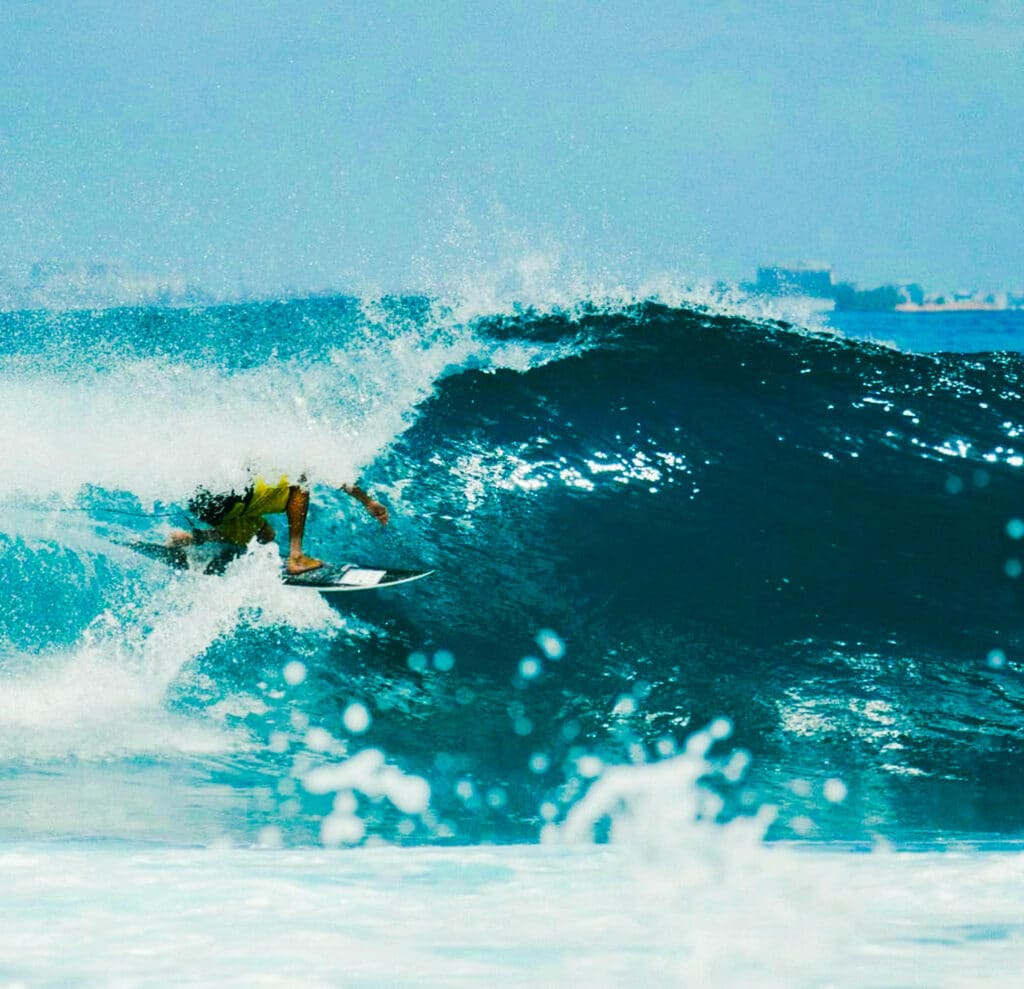
Thulusdhoo is one of the most distinctive local islands in the Maldives, internationally known for its surf breaks and creative, youthful atmosphere. Located in Kaafu Atoll, the island blends traditional Maldivian village life with surf culture, colourful street art and a more energetic rhythm than most other inhabited islands.
Unlike quieter local islands, Thulusdhoo feels alive during the day and early evenings, without tipping into mass tourism.
Why Thulusdhoo stands out
- Home to some of the best surf breaks in the Maldives, including Cokes and Chickens
- Strong surf and creative culture, with cafés, murals and a social feel
- Easy access from Malé, making it popular for shorter stays
- Good balance between local life and tourism infrastructure
How to get to Thulusdhoo
- Scheduled speedboat from Malé: ± 30–60 minutes (multiple departures daily)
Indicative transfer cost (one-way, per person): US$30–40 (prices in 2026)
Thanks to the short transfer, Thulusdhoo works well for both short trips and island hopping.
Island overview (quick scan)
- Island size & vibe: Thulusdhoo is a medium-sized island with a noticeably energetic and creative vibe. Expect a mix of local life, surf culture and a more international crowd compared to quieter islands like Fulidhoo or Thoddoo.
- Bikini beach & swimming: Thulusdhoo has a pleasant bikini beach with soft sand and calm lagoon areas for swimming. Conditions are generally good, though surfers will notice stronger currents near reef breaks.
- Snorkelling & marine life: Snorkelling from shore is possible in calmer lagoon areas, but Thulusdhoo is primarily known for surfing rather than marine life encounters. Reef fish and turtles can be seen, but manta rays and whale sharks are rare here.
- Tourism level: Moderate. Thulusdhoo is popular, especially during surf season, but remains far less commercial than Maafushi.
Price level (indicative)
- Guesthouses: US$60-200 Mid-range for local islands
- Meals: US$7–15 in local restaurants and cafés
- Excursions: US$35–70 depending on activity
Costs remain reasonable, especially considering the island’s proximity to Malé and its popularity.
Best hotels in Thulusdhoo (local island stays)
Kudhi Boli Beach House (beachfront)
A small beachfront guesthouse popular with surfers and independent travellers. Best suited if you want to stay close to the sea and enjoy Thulusdhoo’s relaxed surf vibe without extra facilities.
Rating (Booking.com): 9.4
Price indication: from US$180 per night for two incl. breakfast (2026)
Season Paradise (beachfront, with pool)
The largest hotel on the island and the only one with a swimming pool. Features a rooftop pool with ocean views and is popular with surfers and active travellers who want more comfort and facilities.
Rating: 8.5
Price indication: from US$195 per night for two incl. breakfast (2026)
Empyrean Stay Maldives (inland)
A simple, budget-friendly guesthouse with a social atmosphere. Ideal for surfers and travellers who spend most of their time in the water or exploring the island rather than staying at the hotel.
Rating: 9.7
Price indication: from US$60 per night for two excl. breakfast (2026)
Budget vs value logic
Thulusdhoo offers strong value for surfers, because the island’s location gives direct access to world-class breaks that would otherwise require expensive resort stays. For non-surfers, the value lies more in the island’s energy and community than in beaches or marine life. You’re paying for location and vibe, not seclusion.
Not for / trade-offs
Thulusdhoo is not ideal if you’re looking for total peace and quiet or untouched beaches. During surf season (roughly May to October), the island can feel busier and more energetic. Marine life encounters are more limited than on islands like Dhigurah or Rasdhoo, and the focus here is clearly on surf rather than snorkelling.
8. Rasdhoo: Channel Diving & Underwater Action

Best for
Certified divers, confident snorkellers and travellers who prioritise underwater life over beaches
Rasdhoo is one of the most established diving-focused local islands in the Maldives. Located in Alif Alif Atoll, the island sits next to deep channels where strong currents attract larger marine species. This makes Rasdhoo a favourite base for divers who want access to sharks, rays and pelagic encounters — without paying resort-level diving prices.
The island itself is compact and functional rather than scenic, but what lies underwater is the main reason people come here.
Why Rasdhoo stands out
- Direct access to channel dives from a local island base
- Regular sightings of reef sharks, eagle rays and manta rays
- One of the few local islands where hammerhead sharks are sometimes seen (early morning dives, seasonal)
- Well-developed dive infrastructure with multiple reputable dive centres
How to get to Rasdhoo
- Scheduled speedboat from Malé: ± 1.5 hours (daily departures)
Indicative transfer cost (one-way, per person): US$50–60
Public ferries exist but are much slower and not ideal for short stays.
Island overview (quick scan)
- Island size & vibe: Rasdhoo is a small and compact island with an energetic, dive-oriented vibe. Most visitors come specifically for diving or snorkelling, which creates a social atmosphere centered around dive centers rather than beach life.
- Bikini beach & swimming: The bikini beach on Rasdhoo is relatively small and not the main highlight of the island. Swimming is possible, but strong currents can occur in certain areas, making this island less suitable for casual swimmers.
- Snorkelling & marine life: Marine life is the main reason to visit Rasdhoo. Snorkelling excursions frequently include reef sharks, rays and healthy coral reefs. Diving offers access to nearby channels where hammerhead sharks can sometimes be seen during early morning dives.
- Tourism level: Moderate. Rasdhoo is well developed for divers but remains far less commercial than islands like Maafushi.
Price level (indicative)
- Guesthouses: US$75-400 Mid-range for local islands
- Meals: US$7–15 in local restaurants
- Excursions: US$40–90 depending on snorkelling or dive activity
Rasdhoo offers strong value compared to resort-based diving, especially for multi-day dive packages.
Best hotels in Rasdhoo (local island stays)
Shallow Lagoon Rasdhoo (beachfront)
A small beachfront guesthouse offering direct sea access and easy coordination with nearby snorkelling and dive trips. Best suited for travellers who want to stay close to the water rather than looking for facilities.
Rating (Booking.com): 8.4
Price indication: from US$370 per night for two incl. breakfast (2026)
Ras Rana Lodge (inland)
A comfortable, diver-friendly guesthouse located in the heart of the island, within walking distance of multiple dive centres. A solid mid-range base for travellers who come primarily for diving.
Rating: 9.1
Price indication: from US$93 per night for two incl. breakfast (2026)
Jerry’s Dive Lodge Rasdhoo (inland – budget)
A simple, budget-friendly option aimed at divers and backpackers who spend most of their time on boats or underwater rather than at the hotel.
Rating: 9.1
Price indication: from US$75 per night for two excl. breakfast (2026)
Budget vs value logic
Rasdhoo delivers excellent value if diving or advanced snorkelling is your priority. Channel dives and pelagic encounters that would normally require expensive resort stays are accessible here from a local island base. If your holiday revolves around underwater time rather than beach lounging, Rasdhoo is one of the strongest cost-to-experience options in the Maldives.
Not for / trade-offs
Rasdhoo is not ideal if you’re looking for long, calm lagoons or spacious bikini beaches. Strong currents mean some snorkelling and dive sites are better suited to experienced swimmers and certified divers, and activities are more specialised than on relaxed beach islands. Always follow local dive centre guidance and safety briefings.
Extra note: bioluminescent plankton (occasional)
There is also a small chance of seeing bioluminescent plankton around Rasdhoo on very dark, moonless nights. These natural light displays are unpredictable and never guaranteed, as they depend on plankton presence, tides and weather conditions.
Bioluminescence should be seen as a rare bonus, not a reason to choose Rasdhoo specifically. If it happens, it’s usually brief and spontaneous rather than something you plan around.
9. Dhiffushi: Easy Beaches & First-Time Friendly

Best for
First-time visitors, short stays, relaxed beach days with simple logistics
Dhiffushi is one of the most approachable local islands in the Maldives, especially for travellers visiting a local island for the first time. Located in Kaafu Atoll, just north of Malé, the island combines short transfer times, calm swimming conditions and a laid-back atmosphere without the intensity of busier islands like Maafushi.
Dhiffushi doesn’t try to be spectacular — and that’s exactly its strength.
Why Dhiffushi stands out
- Short and easy speedboat transfer from Malé Airport
- Pleasant bikini beach with calm lagoon conditions
- Relaxed, low-pressure atmosphere that feels manageable for first-timers
- Good option for short stays or the start/end of a Maldives trip
How to get to Dhiffushi
- Scheduled speedboat from Malé: ± 30–45 minutes (multiple departures daily)
Indicative transfer cost (one-way, per person): US$30–40
Because of the short transfer, Dhiffushi is often chosen by travellers who want to avoid domestic flights or long boat rides.
Island overview (quick scan)
- Island size & vibe: Dhiffushi is a small to medium-sized island with a laid-back, friendly atmosphere. It feels calmer and more spacious than Maafushi, but more developed than very quiet islands like Fulidhoo.
- Bikini beach & swimming: Dhiffushi has a well-maintained bikini beach with soft sand and generally calm lagoon conditions. Swimming is easy and suitable for all levels.
- Snorkelling & marine life: Snorkelling from shore is limited, but excursions offer access to nearby reefs, turtles and reef fish. Nurse shark encounters are also possible on guided snorkelling trips from Dhiffushi, making it a nice bonus for travellers interested in marine life without advanced diving. Dhiffushi is better suited for casual snorkelling than for big pelagic encounters.
- Tourism level: Low to moderate. Dhiffushi attracts independent travellers and couples rather than large tour groups.
Price level (indicative)
- Guesthouses: US$65 – 300 Budget to mid-range for local islands
- Meals: US$6–12 in local restaurants
- Excursions: US$30–60 depending on activity
Daily costs are predictable and reasonable, especially when combined with the low transfer price.
Best hotels in Dhiffushi (local island stays)
Endorphins Beach Villa (beachfront)
A small beachfront guesthouse located directly on Dhiffushi’s bikini beach. Ideal for travellers who want to step straight onto the sand and enjoy relaxed beach days without planning much else.
Rating (Booking.com): 9.1
Price indication: from US$285 per night for two incl. breakfast (2026)
Stone Hotels Dhiffushi (inland, with pool)
One of the few properties on the island with a swimming pool, offering more comfort than standard guesthouses. A good choice if you want extra facilities while keeping a local-island setting.
Rating: 9.3
Price indication: from US$195 per night for two incl. breakfast (2026)
Ruka Maldives (inland)
A simple, good-value guesthouse with excellent reviews. Best for travellers who spend most of their time at the beach or on excursions and want an affordable base.
Rating: 9.9
Price indication: from US$65 per night for two incl. breakfast (2026)
Budget vs value logic
Dhiffushi offers strong value through simplicity and accessibility. The short transfer keeps transport costs low, accommodation prices are reasonable, and the island provides exactly what many first-timers want: an easy beach, calm water and no complicated logistics. You’re not paying for headline wildlife or activities — you’re paying for ease.
Not for / trade-offs
Dhiffushi is not the island to choose if marine life is your main priority or if you’re looking for dramatic snorkelling straight from shore. The island is quiet in the evenings, with limited dining options and no nightlife. Travellers who want constant activity or standout wildlife encounters may prefer islands like Dhigurah or Rasdhoo.
10. Dharavandhoo: Manta Rays & Hanifaru Bay

Best for
Wildlife lovers, snorkellers and travellers who prioritise rare marine encounters over beaches
Dharavandhoo is one of the most important local islands in the Maldives for marine wildlife, thanks to its location in Baa Atoll, a UNESCO Biosphere Reserve. The island’s biggest draw is its proximity to Hanifaru Bay, one of the world’s most famous aggregation sites for manta rays.
If seeing manta rays in the wild is high on your wish list — and you’re travelling in the right season — Dharavandhoo is one of the strongest local-island bases in the Maldives.
For more information read our full guide about Dharavandhoo: Dharavandhoo: Maldives’ Best Local Island for Authentic Culture, Budget Stays & Hanifaru Bay Adventures.
Why Dharavandhoo stands out
- Direct access to Hanifaru Bay, a globally significant manta ray site
- Located in Baa Atoll UNESCO Biosphere Reserve
- Good infrastructure for snorkelling-focused travellers
- Calm, local atmosphere without mass tourism
How to get to Dharavandhoo
- Domestic flight from Malé (MLE) to Dharavandhoo Airport (≈ 35 minutes)
Indicative transfer cost (one-way, per person): US$110–140 (prices in 2026) - Scheduled speedboat from Malé (≈ 2–2.5 hours, limited departures)
Indicative transfer cost (one-way, per person): US$60–80 (prices in 2026)
Because the airport is located on the island itself, Dharavandhoo is one of the easiest remote local islands to reach.
Island overview (quick scan)
- Island size & vibe: Dharavandhoo is a medium-sized island with a laid-back, community-oriented feel. Despite its popularity during manta season, it never feels overly busy and remains focused on nature rather than nightlife.
- Bikini beach & swimming: Dharavandhoo has a designated bikini beach with calm swimming conditions. While the beach is pleasant, the main draw of the island is the marine life rather than expansive sandy beaches.
- Snorkelling & marine life: This is where Dharavandhoo truly shines. From May to November, Hanifaru Bay hosts large numbers of manta rays (and occasionally whale sharks). In addition to boat trips to Hanifaru Bay, you can also snorkel directly from the beach around Dharavandhoo, where calm conditions and reef fish make for easy, relaxed snorkelling. Snorkelling in Hanifaru Bay itself is strictly regulated to protect marine life, creating a unique and responsible wildlife experience.
- Tourism level: Moderate and seasonal. The island is busiest during manta season but remains far less commercial than major tourist hubs.
Price level (indicative)
- Guesthouses: Mid-range for local islands
- Meals: US$7–15 in local restaurants
- Excursions: US$60–120 for Hanifaru Bay manta trips
Dharavandhoo is not a budget island, but costs are justified by the rarity of the wildlife experiences available here.
Best hotels in Dharavandhoo (local island stays)
LVIS Village (at the beach)
A well-reviewed guesthouse close to the bikini beach, offering a calm setting and easy access to snorkelling trips. A solid choice for travellers focused on wildlife rather than facilities.
Rating (Booking.com): 9.5
Price indication: from US$126 per night for two incl. breakfast (2026)
Kiha Beach (beachfront, with pool)
A beachfront hotel located directly on the shore with its own designated bikini beach. Kiha Beach offers a higher comfort level than most guesthouses on Dharavandhoo, including a swimming pool and immediate access to the sea. It’s a strong choice for travellers who want to combine manta ray excursions and snorkelling with relaxed beach time right outside their hotel.
Rating: 9.4
Price indication: from US$185 per night for two incl. breakfast (2026)
Want to know if Kiha Beach is right for you?
We’ve written a detailed review covering the rooms, bikini beach, snorkelling access, food and how it compares to other stays on Dharavandhoo → read our full Kiha Beach review here.
Hanifaru Transit Inn (inland – budget)
A simple, affordable guesthouse aimed at travellers who come primarily for Hanifaru Bay excursions and spend little time at the hotel itself.
Rating: 9.6
Price indication: from US$75 per night for two incl. breakfast (2026)
Budget vs value logic
Dharavandhoo offers exceptional value during manta season because it provides access to Hanifaru Bay without the need to stay at an expensive resort in Baa Atoll. While accommodation and excursions cost more than on islands near Malé, the ability to witness one of the Maldives’ most iconic wildlife phenomena from a local island base makes Dharavandhoo uniquely worthwhile for the right traveller.
Responsible wildlife tourism (important to know)
Snorkelling in Hanifaru Bay is strictly regulated to protect manta rays and whale sharks. Group sizes, time slots and behaviour in the water are controlled by authorities, and trips can be cancelled due to weather or conservation rules. This means sightings are never guaranteed, but when conditions are right, the experience is widely considered one of the most responsible ways to observe manta rays in the wild.
Not for / trade-offs
Dharavandhoo is not the best choice outside manta season (roughly May to November) if wildlife is your main goal. The island itself is quiet, with limited dining and no nightlife or alcohol. Beaches are pleasant but secondary to marine excursions, so travellers seeking long, iconic beaches may prefer islands like Dhigurah or Thoddoo.
Essential Local Island Travel Tips
Getting There: Transfers from Malé Airport
Transfers to local islands in Maldives typically involve public ferries, speedboats or domestic flights. Public ferries are the cheapest option, but they run on fixed schedules, are often slow, and may be cancelled due to weather or public holidays. Speedboats are the most popular choice, offering a good balance between travel time, comfort and price, with frequent departures to many islands. Domestic flights are the fastest option, mainly used for remote atolls, but they are also the most expensive and usually combined with a short speedboat transfer to your island.
Important to know: transfer schedules in the Maldives are not flexible like taxis or trains. Speedboats and domestic flights run on fixed timetables, so it’s always worth checking arrival times and last departures before booking your accommodation.
Here you can read more: How to Plan a Trip to Maldives: Getting Around Local Islands, Transfers & Transport Options.

Local Customs & Dress Code
On local islands in Maldives, modest dress is required outside bikini beaches. Visitors are expected to cover shoulders and knees when walking through villages, visiting shops, taking public ferries or eating in local cafés. Lightweight clothing such as loose trousers, longer skirts, T‑shirts or light dresses is perfectly acceptable and comfortable in the tropical heat. This dress code applies to both men and women and is an important sign of respect for local culture. On designated bikini beaches, normal swimwear is allowed and the atmosphere is relaxed and tourist‑friendly.
Most travellers quickly find that this dress code has very little impact on their daily comfort, especially because bikini beaches are clearly marked and designed for visitors.
For more context on culture, religion and daily life, see our full guide: Maldives Culture & Religion: What Every Traveller Should Know Before Visiting Local Islands.
Money & Connectivity
Most guesthouses accept USD and cards, but carrying some cash is still useful for small cafés, ferries and tips. Meals typically cost US$5–10, and excursions usually range from US$30–60 depending on the activity.
ATMs are limited on local islands, and not every island has one, so it’s best to withdraw some cash in Malé if you plan to use ferries, small cafés or tip guides.
For connectivity, local SIM cards work well, but eSIMs are often the easiest option for travellers. Providers like Airalo and BNESIM offer reliable coverage across the Maldives without needing to visit a local shop or show ID. You can activate your eSIM before arrival or as soon as you land.
- Airalo: good value data-only plans for short trips
- BNESIM: flexible data plans, useful if you combine the Maldives with other destinations (use code ESIMKGT for 20% discount)
WiFi is generally available in guesthouses and cafés, but speeds can vary, so having mobile data is highly recommended.
Local Island Experiences: Must‑Do Activities
Excursions & Day Trips
Activities on local islands vary strongly by atoll and island type, which is why choosing the right base matters just as much as choosing the activity itself. If you’re still deciding between guesthouses and adding a resort stay, see Best Maldives Resorts by Budget: Top Affordable, Mid-Range & Luxury Island Escapes.
Popular activities on local islands in Maldives include snorkelling trips to nearby reefs, manta ray and whale shark excursions (seasonal and location‑dependent), sandbank visits with picnic stops, sunset dolphin cruises and resort day passes. Resort day passes are especially popular, as they allow you to spend a full day enjoying a private island resort’s pools, beaches, bars and restaurants — a great way to experience luxury for a day without paying resort accommodation prices.
For more trip ideas beyond guesthouse islands, see Top Activities in Maldives: Snorkelling, Diving & Swimming with Manta Rays.
If you’d like to add a few memorable experiences to your stay, these are some of the most relevant local island activities to look at. Think snorkelling trips, sandbanks, dolphin cruises and a few easy resort day experiences that pair well with a guesthouse stay.
Klook.comSupporting Local Life & Guesthouses
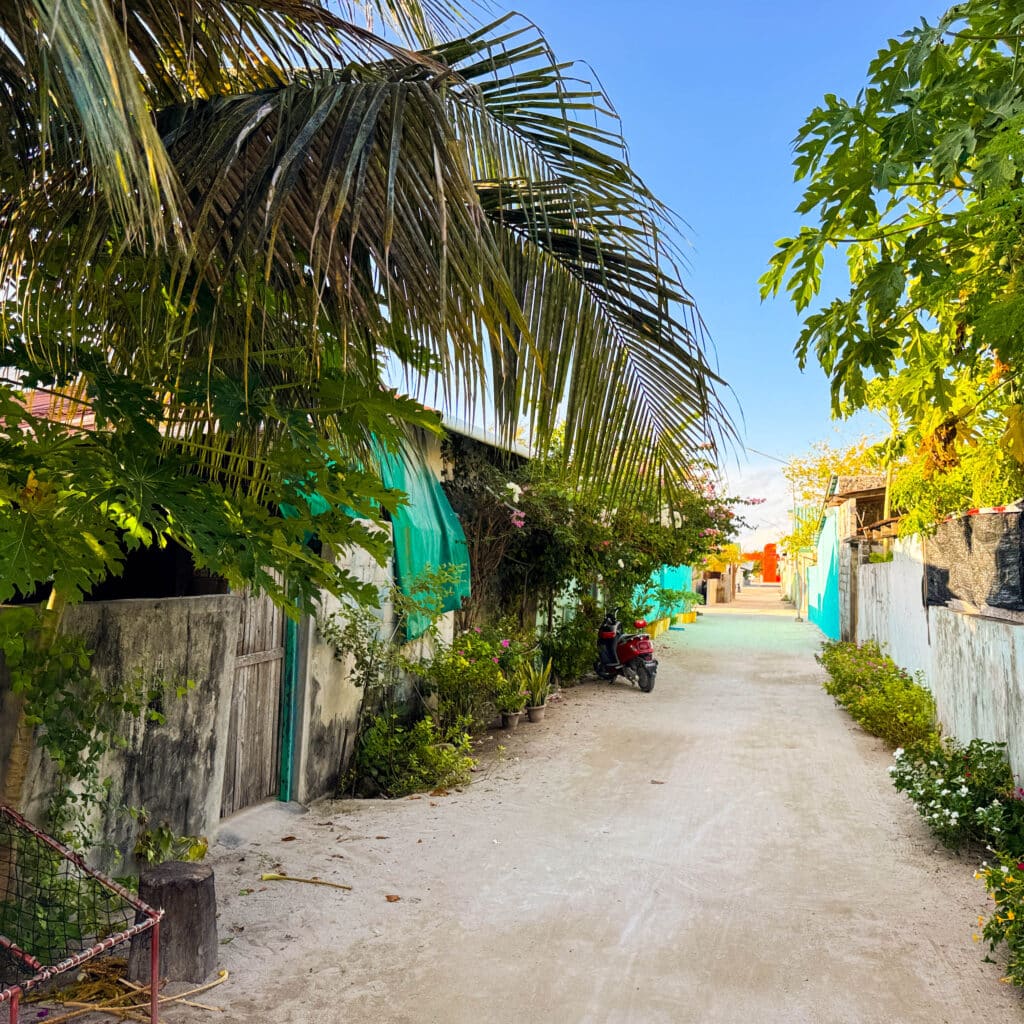
Staying on local islands in Maldives directly supports Maldivian families and small communities. For many travellers, this creates a more grounded and memorable experience — one where the Maldives feels like a living place rather than just a backdrop. Guesthouses are usually family‑run, and owners often arrange tours, meals and cultural experiences themselves, from home‑cooked dinners to guided fishing trips. This creates a far more personal and meaningful trip compared to resort stays, while ensuring your travel spending benefits the local economy rather than large international hotel chains.
Frequently Asked Questions about Local Islands in Maldives
Are local islands in the Maldives cheaper than resort islands?
Yes, staying on local islands in the Maldives is usually far more affordable than staying at a private resort. Guesthouses often range from simple budget rooms to comfortable boutique stays, while meals and excursions are priced locally rather than at resort levels. Transfers and activities still add to the budget, but overall daily costs remain significantly lower than on resort islands.
Are there bikini beaches on local islands?
Yes, most traveller-friendly local islands have designated bikini beaches where swimwear is allowed. These areas are clearly marked and usually located in the most scenic parts of the island, with good swimming conditions and soft sand. Outside these zones, visitors are expected to dress modestly when walking through the village, visiting shops or using public transport.
Can you drink alcohol on local islands in Maldives?
No, alcohol is not served on inhabited local islands because the Maldives follows Islamic law. Guesthouses and restaurants do not offer alcoholic drinks. On some islands, such as Maafushi, floating bars anchored offshore are allowed to serve alcohol legally. Resorts do not have this restriction, which is one reason some travellers combine a local island stay with a resort visit.
Which local island is closest to Malé Airport?
Several local islands are located within easy reach of Velana International Airport. Maafushi, Gulhi and Dhiffushi can usually be reached by speedboat in about 30–45 minutes, making them convenient choices for short trips or travellers who want to avoid domestic flights. Islands further away often require longer speedboat transfers or a domestic flight followed by a boat ride.
Are local islands in the Maldives suitable for first-time visitors?
Yes, many local islands are well suited for travellers visiting the Maldives for the first time. Islands such as Ukulhas, Dhiffushi and Maafushi offer good infrastructure, organised excursions and relatively easy transfers from Malé. Guesthouses often help arrange snorkelling trips, sandbank visits and transfers, making it straightforward to plan activities without needing complex logistics.
What activities can you do on local islands in the Maldives?
Popular activities include snorkelling trips to nearby reefs, sandbank excursions, dolphin cruises and seasonal wildlife encounters such as manta rays or whale sharks. Some islands also offer surfing, diving or resort day passes. The exact experiences available depend on the island and atoll, which is why choosing the right base is an important part of planning a local-island trip.
Final Thoughts on Local Islands in Maldives
Travelling through the local islands in Maldives reveals a side of the country that many visitors never see. Instead of curated resort environments, you encounter small communities, simple island rhythms and days shaped by the sea — whether that means snorkelling vibrant reefs, searching for manta rays or simply walking along a quiet stretch of sand.
Each island offers something slightly different. Some are ideal for marine life encounters, others for calm beach days, social atmospheres or easy logistics close to Malé. That variety is exactly what makes planning a local-island trip interesting: the experience depends entirely on choosing the island that matches how you like to travel.
For travellers who value authenticity, flexibility and meaningful encounters with the natural environment, the local islands in Maldives can offer a surprisingly rich alternative to resort stays. With the right island as your base, the Maldives becomes less about a single luxury property and more about exploring the character of the archipelago itself.
If you’re mapping out a Maldives itinerary, this list can help you identify the island that fits your priorities — whether that means marine life, wide beaches, easy transfers or a quieter atmosphere. From there, you can start shaping a route that balances local island life with the experiences that matter most to you.
Related Blogs
Other Local Islands Blogs
Other Maldives Blogs
Best Maldives Resorts by Budget: Top Affordable, Mid-Range & Luxury Island Escapes
Maldives Vacation: How to Plan Your Dream Island Escape for Adventure and Relaxation
Best Time to Go to Maldives: Weather, Climate & Seasonal Tips for Your Perfect Island Vacation
Trip to Maldives: Essential Information on Islands, Visa, Vaccinations & Entry Requirements
Liveaboard Diving Trips in Maldives: Explore Top Dive Sites & Underwater Life with Maldive Dreamers
Best Hotel in Maldives Island: Top Luxury, Boutique & Affordable Stays for Every Traveller
Top Activities in Maldives: Snorkelling, Diving & Swimming with Manta Rays
Some links on this website are affiliate links. If you choose to book through one of them, I may earn a small commission — at no extra cost to you. This helps support the ongoing creation of independent travel guides and detailed destination content.