


Table of Contents
A calm lagoon, clear water, and the slow movement of a turtle gliding over the reef — few moments capture the rhythm of island life in the Maldives quite like this. Swimming with sea turtles in Maldives waters often happens quietly and unexpectedly, sometimes just metres from the beach or a resort jetty where reefs and seagrass beds attract resident turtles.
Across the archipelago, these encounters are shaped by geography as much as luck. Certain atolls offer calmer lagoons, healthier reefs, or seagrass meadows that turtles return to daily, making sightings far more likely for snorkellers. Understanding where these habitats are found — and how different islands provide access to them — can turn a hopeful snorkel into a genuinely memorable wildlife experience.
This article explores where turtle encounters tend to happen most reliably, which species you are most likely to see, and how reef conditions, timing, and responsible behaviour influence the experience. Whether you are snorkelling from a quiet local island or exploring a resort house reef, knowing what to expect helps you approach these encounters with the calm curiosity they deserve.
In a Rush?
These are my Favourite Hotels to Swim with Sea Turtles
- ⭐️⭐️⭐️ Six Senses Laamu – Resort – Check out Prices & availability
- ⭐️⭐️ Baros – Resort – Check out Prices & availability
- ⭐️ Kiha Beach – Dharavandhoo – Check out Prices & availability
Sea Turtles in Maldives at a Glance
This overview highlights the most reliable areas for swimming with sea turtles in the Maldives, based on reef access, typical sighting patterns, and how easy the snorkelling conditions are for first-time visitors.
| Area / Atoll | Best for | Turtle encounters | Snorkelling access |
|---|---|---|---|
| Baa Atoll | Nature-focused trips | Very frequent | House reefs & guided trips |
| North Male Atoll | First-time visitors | Frequent | House reefs. shore entry |
| South Male Atoll | Short stays | Frequent | House reefs & tours |
| Lhaviyani Atoll | Quiet. uncrowded reefs | Frequent | House reefs. calm lagoons |
Many travellers who want the highest chance of seeing turtles join guided snorkelling trips that visit known turtle feeding reefs. The following experiences are some of the most popular options across the Maldives.

Swimming with Sea Turtles in Maldives: Why This Is One of the World’s Best Destinations
The Maldives is well suited for turtle encounters due to its geography and long-established marine protection efforts. Spread across 26 atolls and more than 1,000 coral islands, the country is surrounded by shallow lagoons, coral reefs, and seagrass beds that sea turtles use for feeding, resting, and shelter. Many of these reefs are located close to shore, which is why turtles are frequently seen while snorkelling directly from beaches, jetties, or overwater villas, rather than only on offshore dive sites.
Sea turtles in the Maldives benefit from:
- Warm water temperatures year-round (26–30°C)
- Extensive coral reefs and seagrass areas
- Protected marine zones and increasing conservation awareness
- Easy access to reefs from beaches and jetties
Unlike destinations where turtle sightings are largely limited to nesting seasons, sea turtles in the Maldives are resident throughout the year. As a result, encounters are possible in most months, depending more on reef conditions and time of day than on seasonality. This means travellers have a high chance of encounters regardless of the month they visit, especially when snorkelling near healthy reefs.
Which Sea Turtles Can You See in Maldives?
Two main species dominate turtle encounters in Maldives waters. Understanding their behaviour helps you recognise them and interact responsibly.
Green Sea Turtles in Maldives
Green sea turtles are the most commonly spotted species in the Maldives. Despite their name, they are not green on the outside — their greenish colour comes from a diet of seagrass and algae.
You’ll often see green turtles:
- Feeding on seagrass beds in shallow lagoons
- Resting under coral ledges during the day
- Surfacing regularly for air, making them relatively easy to spot
Their calm nature makes green sea turtles especially suitable for beginner snorkellers.

Hawksbill Sea Turtles in Maldives
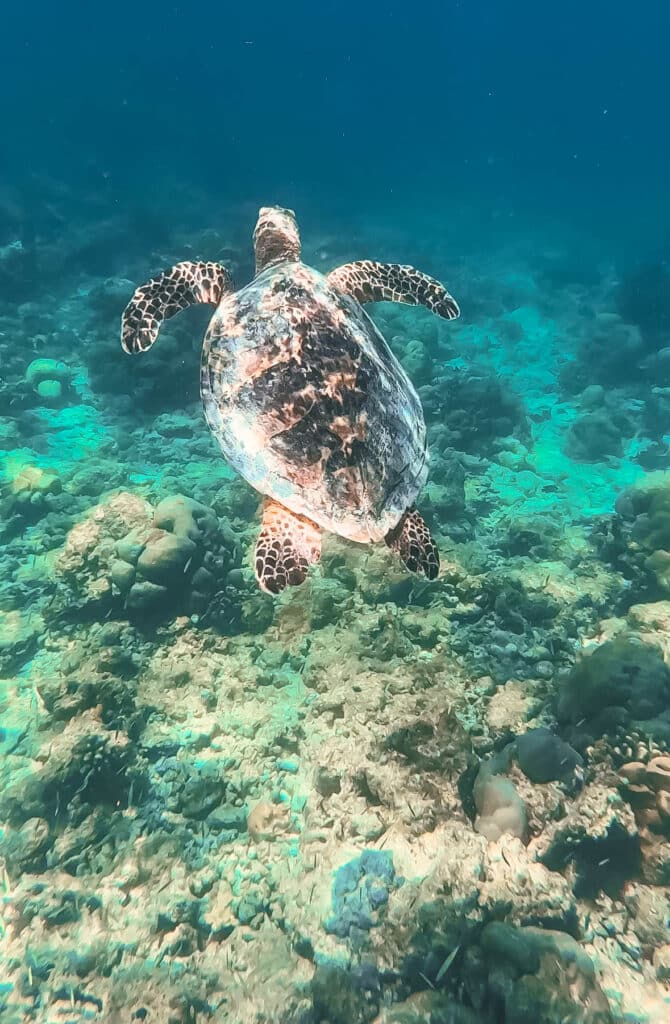
Hawksbill turtles are smaller, more colourful, and critically endangered. They are easily recognised by their pointed beak and patterned shell.
Hawksbill sea turtles in the Maldives are usually found:
- Around coral-rich reefs
- Near reef drop-offs
- In areas with abundant sponges (their main food source)
Because hawksbill turtles are more sensitive to disturbance, careful and respectful behaviour is particularly important during encounters.

Other Sea Turtles Found in Maldives (Rare Encounters)
While green and hawksbill turtles are the most commonly seen, the Maldives is also home to olive ridley, loggerhead, and leatherback turtles. These species are encountered far less frequently, usually in deeper or offshore waters, but their presence underlines the Maldives’ role as an important regional turtle habitat.
Best Places to See Sea Turtles in Maldives
While turtle encounters are possible throughout the country, certain atolls and reef systems offer more consistent sightings due to a combination of calm snorkelling conditions and reef environments that support feeding and resting turtles. Many travellers plan their trip specifically for swimming with sea turtles in Maldives, choosing islands where healthy reefs and seagrass lagoons attract resident turtle populations.
Baa Atoll – UNESCO Biosphere Reserve
Baa Atoll is one of the most reliable regions for turtle encounters in the Maldives, largely due to its protected status as a UNESCO Biosphere Reserve and its diverse marine ecosystems. The atoll is characterised by calm lagoons, extensive seagrass areas, and coral reefs that provide natural feeding and resting grounds for sea turtles.
Why Baa Atoll is well suited:
- Healthy coral reefs and wide seagrass meadows close to shore
- Regular turtle sightings on house reefs
- Easy to combine with manta ray encounters in the same region
Several resorts in Baa Atoll are known for strong house reefs and active marine protection policies. Resorts such as Milaidhoo Maldives and Vakkaru Maldives are often mentioned for their calm lagoons, accessible reefs, and focus on sustainability. Both resorts are included in our Maldives honeymoon resort guide and offer direct reef access where turtles are regularly seen while snorkelling, often without the need for a boat excursion.
On local islands such as Dharavandhoo, turtle encounters are not limited to organised boat trips. We personally spotted a turtle directly from the beach at Kiha Beach, demonstrating how accessible these encounters can be. Our detailed experience on the island is covered in: Dharavandhoo: Maldives’ Best Local Island for Authentic Culture, Budget Stays & Hanifaru Bay Adventures.
During our stay, we also joined a private family snorkelling trip arranged via Biosphere Inn, visiting a nearby reef known for regular turtle activity. Within minutes of entering the water, we encountered our first turtle, followed by several more during a relaxed snorkelling session lasting over half an hour. Sharing this experience as a family made it one of the most memorable moments of our trip.
In Baa Atoll, many turtle encounters happen during guided reef snorkelling trips that explore seagrass areas and coral reefs around the biosphere reserve.
Klook.com
North and South Malé Atolls
Close to Malé International Airport, the North and South Malé Atolls are among the most accessible regions for turtle encounters, making them especially suitable for first-time visitors and shorter stays.
Highlights:
- Short transfer times by speedboat or ferry
- Numerous house reefs with resident turtles
- Wide choice of resorts and local islands
Several resorts in the North and South Malé Atolls are known for healthy house reefs where turtles are frequently seen while snorkelling. One of the most consistently mentioned house reefs in this region belongs to Baros Maldives, a small luxury island known for exceptional reef access directly from the beach. The island’s reef edge sits very close to shore, allowing snorkellers to reach coral gardens within minutes, where hawksbill and green turtles are regularly seen feeding or resting along the reef slope.
Because the reef can be accessed at multiple entry points around the island, sightings often happen during relaxed snorkelling sessions rather than organised excursions. This combination of easy access, strong coral health, and resident marine life makes Baros one of the more reliable resorts for turtle encounters close to Malé.
More affordable options such as Kurumba Maldives and Hard Rock Hotel Maldives are often mentioned for their accessible house reefs and regular turtle sightings. For a detailed overview of snorkelling conditions, house reefs, and resort facilities, see our full reviews of Kurumba Maldives and Hard Rock Hotel Maldives.
Because these atolls sit close to Malé airport, many travellers join snorkelling excursions that visit several reefs in a single trip.

For travellers comparing multiple affordable options in this area, our Maldives budget resort guide provides a broader overview of budget-friendly resorts across the North and South Malé Atolls, including transfer times, reef quality, and overall value. Many of these resorts offer easy access to calm lagoon sections and reef edges where turtles regularly pass through, often just steps from the beach or jetty.
Turtle sightings in the Malé Atolls are most common during early morning or late afternoon snorkelling sessions, when the reefs are quieter and visibility is typically better.
Lhaviyani Atoll – An Underrated Turtle Hotspot
Less visited than the Malé Atolls, Lhaviyani Atoll offers a quieter, more natural setting with minimal boat traffic and consistent turtle activity.
Why choose Lhaviyani Atoll:
- Fewer snorkellers and less crowded reefs
- Known nesting beaches and calm lagoons
- High chance of repeated turtle sightings on house reefs
Resorts such as Kudadoo Maldives and Atmosphere Kanifushi Maldives are located in Lhaviyani Atoll and featured in our Maldives all-inclusive resort guide. Both are known for expansive lagoons, well-developed house reefs, and calm snorkelling conditions where turtles are regularly spotted. Encounters often happen close to the reef edge, sometimes shortly after entering the water.
The quieter reefs of Lhaviyani Atoll are often explored through guided snorkelling trips that visit calm lagoons and reef edges where turtles are regularly seen.
Klook.com
For travellers seeking a slower pace and a more nature-focused experience, Lhaviyani Atoll offers calm, low-pressure turtle encounters without the busier atmosphere found closer to Malé.
Laamu Atoll – Remote Reefs and Turtle Conservation
Laamu Atoll lies further south in the Maldives and is known for its relatively untouched reefs and strong conservation initiatives. The region attracts snorkellers and divers looking for healthy coral systems and a quieter marine environment compared to the busier central atolls.
A notable property here is Six Senses Laamu, widely recognised for its marine conservation work and partnership with the Olive Ridley Project. The resort hosts a turtle rescue and rehabilitation centre where injured turtles are treated before being released back into the wild.
Snorkelling around Laamu’s reef systems often reveals hawksbill turtles navigating coral formations or surfacing in calm lagoons nearby. While sightings are never guaranteed, the combination of healthy reefs, conservation awareness, and relatively low boat traffic makes the atoll a rewarding place for travellers interested in marine life.
Because Laamu Atoll is more remote, organised marine life excursions often explore several reefs across the southern Maldives rather than focusing on a single is
Resort House Reefs vs Guided Excursions
One of the main reasons sea turtles are often seen in the Maldives is the combination of shallow lagoons and reefs located close to shore. This makes turtle encounters possible even for travellers with little or no snorkelling experience, often in calm water without strong currents.
House reefs:
Suitable for independent snorkelling directly from the beach or jetty. Many resorts and local islands have resident turtles that feed or rest on the house reef, allowing you to snorkel at your own pace and return to shore whenever you like.
Guided excursions:
A practical option if you want local knowledge of turtle behaviour, reef conditions, and conservation practices. Guides are familiar with areas where turtles are most often seen and can help ensure encounters remain calm and respectful for the animals.
Both options provide realistic chances to see turtles. The choice mainly depends on whether you prefer independent snorkelling from shore or a guided experience with additional context and supervision.

Best Time to See Sea Turtles in Maldives
Sea turtles in the Maldives are present year-round, but weather patterns, sea conditions, and water clarity can influence how easy they are to spot and how comfortable snorkelling conditions are.
Year-Round Turtle Encounters
Because turtles are resident rather than seasonal visitors, sightings are possible throughout the year. This makes encounters reliable for travellers who cannot plan their trip around a specific season. Turtles regularly feed on seagrass beds and rest along coral reefs, following daily routines rather than seasonal migration patterns.
As a result, turtle encounters tend to depend more on reef choice and time of day than on the month of travel.
Seasonal Water Conditions
While turtles are always present, the overall snorkelling experience can vary slightly depending on the season:
Dry season (December–April):
Generally calmer seas, good visibility, and more predictable snorkelling conditions. This period is often more comfortable for beginners or travellers who prefer calm surface conditions.
Wet season (May–November):
Visibility can be reduced at times due to plankton and swell, but turtle activity remains consistent. Sightings are still common, particularly around sheltered house reefs and lagoons.
For a broader overview of how weather and sea conditions vary throughout the year, see our guide to the best time to visit the Maldives.
Sea Turtle Nesting Season in Maldives
Sea turtle nesting in the Maldives mainly occurs between November and January, when beaches are generally quieter and weather conditions are more stable. Hatchlings typically emerge around 50–70 days later, often at night and frequently close to the full moon.
While nesting events are less commonly observed than snorkelling encounters, some resorts and protected islands actively monitor nests to support hatchlings reaching the sea safely. Not all islands allow public access to nesting beaches, and any sightings are carefully managed to minimise disturbance.
Best Time of Day for Turtle Sightings
Early morning is usually the most reliable time to snorkel, as the water is calmer, boat traffic is limited, and turtles are often actively feeding. Late afternoon can also offer good chances, particularly on quieter reefs, while midday conditions tend to be busier and less predictable.
Responsible Swimming with Sea Turtles in Maldives
Ethical interaction is essential to protect sea turtles in the Maldives and support long-term conservation. While turtle encounters are often calm and non-intrusive, inappropriate behaviour can cause stress, disrupt feeding patterns, or lead to injury. Responsible snorkelling helps ensure encounters remain safe for both travellers and turtles.
How to Swim Responsibly
When swimming with turtles, behaviour in the water has a direct impact on how turtles respond:
- Keep a minimum distance of 3–5 metres:
This allows turtles to surface, feed, and move freely without feeling threatened. - Never touch, chase, or block turtles:
Touching can damage the protective mucus layer on their shells, while chasing may cause stress or exhaustion. - Avoid flash photography:
Sudden flashes can disorient turtles, particularly in shallow or low-light conditions. - Stay calm and float passively:
Slow movements and controlled breathing reduce disturbance and allow turtles to continue their natural behaviour.
Following these guidelines not only protects wildlife but often results in longer, more natural encounters, as turtles are less likely to swim away when they feel unthreatened.

Conservation Efforts and the Olive Ridley Project
The Olive Ridley Project plays an important role in protecting sea turtles in the Maldives through rescue, rehabilitation, research, and education. Injured turtles — often affected by ghost nets, plastic pollution, or boat strikes — are treated and, where possible, released back into the wild.
Travellers can indirectly support conservation by:
- Choosing eco-conscious resorts that follow marine protection guidelines
- Participating in guided snorkelling tours that prioritise animal welfare
- Following local marine rules and briefings before entering the water
- Avoiding operators that allow touching or crowding of turtles
Threats Facing Sea Turtles in Maldives
Despite legal protection, sea turtles in the Maldives face ongoing threats. Ghost fishing nets are among the most serious, often causing severe injuries. Plastic pollution, boat strikes near busy resort areas, coastal development, and rising sand temperatures linked to climate change also affect survival rates, particularly for hatchlings.
Sea Turtles in Maldivian Culture
Sea turtles have long been part of Maldivian culture, appearing on traditional art, stamps, and folklore. While turtles were once hunted for food and trade, modern Maldives has shifted strongly towards protection and conservation, with communities, resorts, and NGOs working together to safeguard these ancient marine animals.
What to Bring for Turtle Snorkelling in Maldives
Swimming with sea turtles in Maldives is usually relaxed and beginner-friendly, but having the right gear can make a noticeable difference to both comfort and safety. Calm movements, good visibility, and proper sun protection help you stay longer in the water while minimising disturbance to the turtles and their fragile environment. A few simple essentials ensure your snorkelling experience feels effortless, responsible, and enjoyable—especially when encounters happen unexpectedly right off the beach or house reef. Because reefs are often located just a short swim from the beach, swimming with sea turtles in Maldives can feel surprisingly effortless even for first-time snorkellers.
Recommended essentials:
- Reef-safe sunscreen
- Rash guard or long-sleeve swimwear
- Mask with a good seal
- Snorkel fins for relaxed floating
- GoPro or underwater camera (no flash)
Other Maldives Activities to Combine with Turtle Encounters
While sea turtles in Maldives are the highlight of this guide, many travellers choose to combine turtle snorkelling with a few other experiences that fit naturally into a relaxed island itinerary. Many snorkelling trips combine turtle reefs with sandbanks or coral gardens, allowing you to see several marine habitats in a single outing.
Snorkelling and Diving Beyond Turtles
Healthy reefs in the Maldives are home to far more than turtles alone. During the same snorkelling sessions, it is common to spot reef sharks, eagle rays, stingrays, and large schools of colourful reef fish. In certain regions, snorkellers may also encounter manta rays gliding through plankton-rich waters, while whale sharks are occasionally seen on deeper reef edges or during dedicated excursions.
For travellers who enjoy variety, combining turtle-focused snorkelling with opportunities to see manta rays or whale sharks adds another layer to the experience. A guided reef dive or extended snorkelling session offers a broader perspective of the Maldives’ marine life without needing to travel far from the island.

Sandbank Experiences
Sandbank trips provide a peaceful contrast to underwater adventures. These small, uninhabited stretches of sand surrounded by turquoise water are often reached by a short speedboat ride and can be enjoyed as a half-day escape.
Many travellers pair a morning of snorkelling with an afternoon sandbank visit, where the focus shifts to relaxation, swimming, and soaking up the scenery. For couples, sandbanks are often arranged as private picnics or sunset moments, while families appreciate the shallow water and wide-open space.
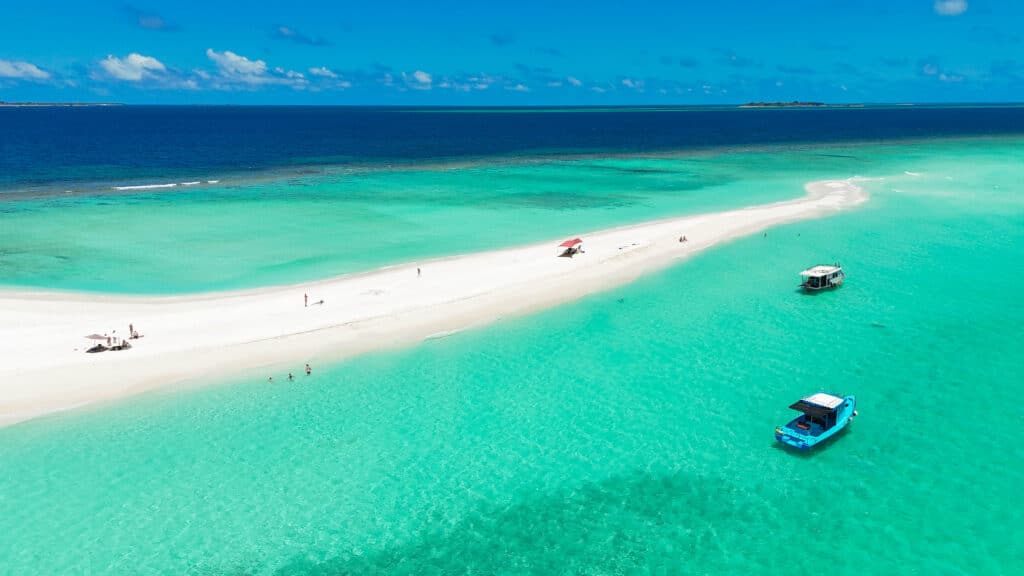
Travellers planning a marine-life focused itinerary often combine turtle snorkelling with several of the top activities in the Maldives, from manta encounters to sandbank trips.
Beyond turtle encounters, these popular Maldives experiences combine marine life, reef exploration and island scenery.
Frequently Asked Questions about Sea Turtles in Maldives
Is it safe to swim with sea turtles in the Maldives?
Yes, swimming with sea turtles in the Maldives is generally safe when done responsibly. Turtles are calm marine animals and rarely show aggressive behaviour. Encounters usually remain peaceful when snorkellers keep a respectful distance, move slowly, and avoid touching or chasing the turtles. Following guidance from local operators or resort briefings helps ensure the experience remains safe and non-intrusive for both visitors and wildlife.
Do you need a tour to see sea turtles in the Maldives?
No, a tour is not always necessary. Many islands have healthy house reefs or seagrass lagoons where turtles are regularly seen while snorkelling from the beach or jetty. However, guided snorkelling excursions can increase the chances of encounters because local guides know which reefs turtles visit most often and can take travellers to quieter areas with suitable conditions.
Can beginners snorkel with sea turtles in the Maldives?
Yes, beginners can often snorkel with sea turtles in the Maldives thanks to calm lagoons, shallow reefs, and generally warm, clear water. Many sightings happen close to shore, making the experience accessible even for first-time snorkellers. Wearing a flotation vest, choosing calm morning conditions, and staying near the reef edge can help beginners feel more comfortable and relaxed in the water.
Are sea turtles protected in the Maldives?
Yes, all sea turtle species found in the Maldives are legally protected. It is illegal to harm, capture, trade, or disturb turtles, their eggs, or nesting sites. Conservation groups, resorts, and marine organisations work together to monitor populations, rescue injured animals, and educate travellers about responsible wildlife encounters. Visitors play an important role by following marine guidelines and respecting turtles in their natural habitat.
Which areas of the Maldives are best for turtle sightings?
Turtles can be seen throughout the Maldives, but certain regions are known for more reliable encounters. Baa Atoll, the North and South Malé Atolls, and Lhaviyani Atoll often provide favourable conditions due to healthy reefs and seagrass feeding areas. Resorts and islands with strong marine conservation programmes and accessible house reefs usually offer the best opportunities for observing turtles while snorkelling.
How many sea turtle species live in the Maldives?
Five of the world’s seven sea turtle species have been recorded in Maldivian waters. The most commonly encountered while snorkelling are green sea turtles and hawksbill turtles, which frequently feed or rest on shallow reefs. Olive ridley, loggerhead, and leatherback turtles also occur in the Maldives but are seen far less often, typically in deeper offshore waters.
What is the best time to see sea turtles in the Maldives?
Sea turtles can be seen in the Maldives throughout the year because many populations are resident rather than seasonal visitors. Sightings depend more on reef location and water conditions than on a specific month. That said, the dry season from January to April often offers calmer seas and clearer visibility, which can make snorkelling conditions particularly pleasant.
Final Thoughts on Swimming with Sea Turtles
Swimming with sea turtles in Maldives waters is rarely about chasing a single sighting. More often, it becomes part of the wider rhythm of island life — a quiet moment while drifting above a reef, a turtle surfacing beside a lagoon, or a calm encounter that unfolds naturally during a relaxed snorkel.
Travellers who understand where turtles tend to gather, how reefs and seagrass beds shape their daily movements, and how to behave respectfully in the water often find these encounters feel surprisingly effortless. The Maldives offers an unusual combination of accessible reefs, clear lagoons, and resident turtle populations that make such moments possible even without advanced diving or long offshore trips.
For those planning a trip around marine life and reef exploration, swimming with sea turtles in Maldives waters often becomes one of the experiences that stays with you long after the journey ends — and a natural starting point for exploring more of the archipelago’s underwater world.
Related Blogs
Other Activities Blogs
Top Activities in Maldives: Snorkelling, Diving & Swimming with Manta Rays
Snorkelling in Maldives: Best Places to Go & Marine Life
Whale Sharks in Maldives: Best Spots & Tours for Encounters
Sandbanks in Maldives: Unmissable Sandbank Adventures & Island Experiences
Manta Rays in Maldives: Best Places, Season & Ethical Snorkelling Guide
Maldives Diving: Top Dive Sites, Marine Experiences & Tips for Every Diver
Other Maldives Blogs
Best Maldives Resorts by Budget: Top Affordable, Mid-Range & Luxury Island Escapes
Maldives Vacation: How to Plan Your Dream Island Escape for Adventure and Relaxation
Best Time to Go to Maldives: Weather, Climate & Seasonal Tips for Your Perfect Island Vacation
Trip to Maldives: Essential Information on Islands, Visa, Vaccinations & Entry Requirements
Liveaboard Diving Trips in Maldives: Explore Top Dive Sites & Underwater Life with Maldive Dreamers
Best Hotel in Maldives Island: Top Luxury, Boutique & Affordable Stays for Every Traveller

Some links on this website are affiliate links. If you choose to book through one of them, I may earn a small commission — at no extra cost to you. This helps support the ongoing creation of independent travel guides and detailed destination content.