


Table of Contents
Sri Lanka weather in November feels like a quiet turning point. The island is still green from recent rains, the air is warm and heavy, and the light shifts quickly from bright mornings to dramatic afternoon skies. It’s a month that rewards travellers who move with the rhythm of the day rather than against it.
Along the south and west coasts, the mood begins to lift. Beach towns start to see longer spells of sun, seas settle, and mornings feel calm enough for whale watching or slow walks through old fort streets. Further north and east, the northeast monsoon gathers strength, creating a very different atmosphere altogether. In the hills, mist rolls across tea fields and trains glide through low cloud.
November isn’t about chasing perfect forecasts. It’s about understanding where conditions are improving, where they are intensifying, and how to build a route that works with the island’s seasonal shift. This guide breaks down Sri Lanka weather in November by region, helping you decide where to go, what to expect, and whether this transitional month suits your travel style.
in a Rush?
These are my Favourite Hotels in November
- ⭐️⭐️⭐️ 98 Acres Resort & Spa – Ella – Check Prices and Availability
- ⭐️⭐️ Rockside Cabanas – Unawatuna – Check Prices and Availability
- ⭐️ Tree Trails Sigiriya – Sigiriya – Check Prices and Availability
Where to Go in November: Quick Regional Overview
Sri Lanka weather in November shifts noticeably by region as the Northeast monsoon strengthens and conditions improve along the south and west.
Before diving into detailed charts and rainfall data, this snapshot helps you quickly see which areas are most reliable for a first-time visit.
| Region | Weather Stability | Best For | Recommendation |
|---|---|---|---|
| South Coast | ⭐⭐⭐ | Beaches. whale watching. coastal towns | Best overall balance in November |
| West Coast | ⭐⭐⭐ | City + beach combo. short stays | Improving through the month |
| Cultural Triangle | ⭐⭐⭐ | Sigiriya. ruins. safari | Plan mornings. flexible afternoons |
| Central Highlands | ⭐⭐ | Scenic trains. tea country | Atmospheric but showery |
| East Coast | ⭐ | Beaches. snorkelling | Avoid – peak Northeast monsoon |
| Northern Province | ⭐ | Culture. remote exploration | Very wet. travel disruptions possible |
How November Compares to the Rest of the Year
November sits in a transitional position between monsoon systems, as the Northeast (Maha) monsoon strengthens while conditions slowly improve along the south and west coasts. Compared to October, comfort levels begin to stabilise in the south and west, while rainfall increases in the north and east.
Sri Lanka Weather in November: Warmth, Humidity and a Seasonal Shift
November is a transitional month when the Northeast (Maha) monsoon strengthens across the north and east, while conditions gradually improve along the south and west coasts. The result is a warm but regionally divided climate pattern.
- Daytime Highs: Coastal areas average 28–30°C, with slightly hotter afternoons in inland regions such as the Cultural Triangle.
- Nighttime Lows: Generally settle between 23°C and 25°C near the coast, cooler in the hills.
- The “Feel” Factor: Humidity ranges between 75–90%, especially after showers, making some afternoons feel warmer than the thermometer suggests.
- Rainfall: Expect approximately 200–350mm on average island-wide, with significantly higher totals in the north and east.
- Sea Temperature: Around 28°C, generally swimmable on the south and west coasts.
- Travel Mood: Shoulder-season atmosphere with greener landscapes, fewer crowds, and the need for flexible daily planning.
If you’d like a deeper understanding of how November fits within the wider climate cycle, our Sri Lanka monsoon seasons guide explains how both monsoon systems influence travel timing.

Regional Weather Breakdown in November
Sri Lanka in November splits sharply by region. The south/west trends sunnier, while the north/east sees its wettest period.
Below is a full breakdown of Sri Lanka weather in November by destination.
Summary Table: November Temperatures & Rainfall by Region
| Region | Avg Temp (°C) | Rainfall (mm) | Travel Notes |
|---|---|---|---|
| South Coast (Galle. Mirissa) | 27–30°C | 150–250 mm | Improving sun. beach-friendly mornings |
| West Coast (Colombo. Negombo) | 28–31°C | 200–280 mm | Brighter late-month. urban/beach combo |
| Cultural Triangle (Sigiriya. Dambulla. Anuradhapura) | 27–32°C | 250–350 mm | Morning tours before showers |
| Central Highlands (Kandy. Ella) | 18–24°C | 250–350 mm | Misty. scenic trains shine |
| East Coast (Trincomalee. Arugam Bay) | 27–30°C | 300–400+ mm | Wet with storms. avoid for beaches |
| North and Northeast (Jaffna. Mannar) | 26–30°C | 400–500+ mm | Heavy rains. cultural sites under cover |
1. South Coast (Galle, Mirissa, Hiriketiya)

November brings improving conditions to the south coast, with places like Galle Sri Lanka feeling noticeably sunnier as the weeks pass. Destinations like Galle's historic fort, nearby Unawatuna Sri Lanka beaches, Mirissa's whale‑watching bays, and Hiriketiya's surf‑friendly coves enjoy warm mornings ideal for beach time, though afternoon showers remain possible. Lush greenery from recent rains enhances the scenery, making it a shoulder-season gem for relaxed coastal exploration without peak crowds.
If you’re planning to go, this half-day Mirissa whale watching cruise runs early in the morning when sea conditions are usually calmest in November.
Temperature: 27–30°C
Rainfall: 150–250mm (mostly afternoon bursts)
Sea Conditions: Calmer, 28°C, good for swimming
Wear: Breathable clothes, swimsuit, rain jacket
Where to stay: Rockside Cabanas in Unawatuna is a strong November choice thanks to its beachfront setting and improving south-coast weather as the month progresses. Its relaxed atmosphere and walkable access to the beach make it ideal for flexible, sunshine-between-showers days during the shoulder season.
2. West Coast (Colombo, Negombo, Kalutara)
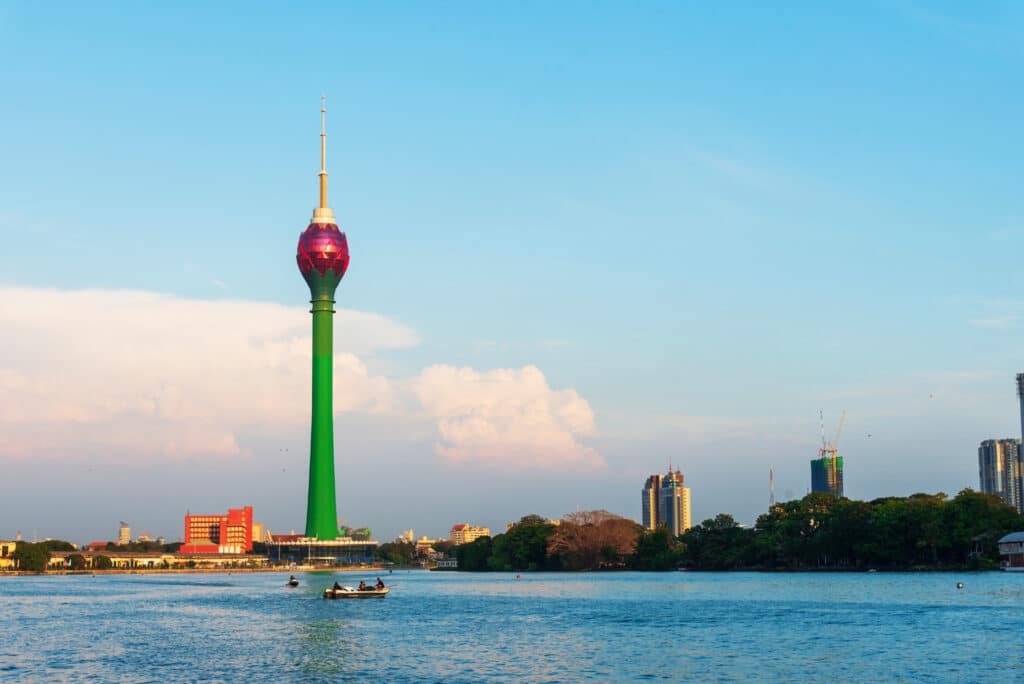
The west coast sees favorable Sri Lanka weather in November, with Colombo's urban vibe and Negombo city fishing harbors benefiting from fading monsoon effects. Expect brighter skies toward late November, perfect for city sightseeing, lagoon boat trips, and beach lounging, though humidity lingers and evening showers can pop up. Fewer tourists mean easier access to top spots.
Temperature: 28–31°C
Rainfall: Moderate (200–280mm), decreasing through the month
Sea conditions: Generally calm, suitable for swimming near shore
Wear: Cotton shirts/shorts, umbrella or poncho, light layers for evenings
Where to stay: Villa Shade near Negombo is a smart November base thanks to its peaceful setting away from busy beach strips and easy access to both Colombo and the airport. As west-coast weather improves through the month, it works well for travellers who want comfort, flexibility, and a calm retreat between city visits and lagoon outings.
3. Cultural Triangle (Sigiriya, Dambulla, Anuradhapura)

Intermittent showers affect the Cultural Triangle, but the region remains deeply rewarding with a flexible schedule. With landmarks like Sigiriya Rock Fortress — explored in detail in our Sigiriya Sri Lanka Travel Guide — alongside Dambulla’s cave temples and Anuradhapura’s ancient ruins, many travellers still make this area a priority despite occasional rain. Mornings often allow climbs and tours before rain hits, and ancient sites' grandeur shines through clouds; wildlife spotting in nearby parks adds variety despite wetter conditions.
Temperature: 27–32°C
Rainfall: Moderate-high (250–350mm), bursty thunderstorms
Wear: Breathable activewear, hat, rain poncho, comfortable sneakers
Where to stay: Tree Trails Sigiriya is a thoughtful November choice thanks to its peaceful garden setting close to Sigiriya Rock. The calm atmosphere works well during shoulder season, allowing early morning site visits before showers and relaxed afternoons surrounded by greenery after rain.
4. Central Highlands (Kandy, Ella, Nuwara Eliya)

Cooler and mistier conditions envelop the central highlands, where Kandy in Sri Lanka temples, Ella Sri Lanka viewpoints, and Tea lovers will especially appreciate Nuwara Eliya in November, when mist and drizzle make the plantations feel even more atmospheric. Persistent afternoon showers refresh the landscapes, making scenic train rides atmospheric but hikes slippery; cultural visits thrive indoors. The fresh air contrasts nicely with coastal heat.
Temperature: 18–24°C (cooler at night)
Rainfall: Moderate to high (250–350mm), misty and showery
Wear: Light fleece, raincoat, long pants, sturdy walking shoes
Where to stay: 98 Acres Resort & Spa near Ella is a standout November choice, perched above tea plantations that look especially lush after rain. The elevated views and cooler hill-country air make it ideal for scenic mornings and cosy afternoons when mist rolls through the valleys.
5. East Coast (Trincomalee, Nilaveli, Arugam Bay)

Conditions turn more challenging on the east coast due to the strengthening northeast monsoon, bringing Trincomalee, Nilaveli beaches, and Arugam Bay into wetter patterns. Frequent showers and thunderstorms limit beach days and snorkelling, though hardy surfers may catch swells; many spots feel quieter with some operations scaled back. Save this area for its dry season if possible.
Temperature: 27–30°C
Rainfall: High (300–400mm+), with prolonged showers
Sea conditions: Rough with strong winds, not ideal for swimming
Wear: Rain gear, quick-dry clothes, waterproof shoes, windbreaker
Where to stay: Regina Beach in Trincomalee is a practical option for travellers who still choose the east coast in November. Its direct beach access keeps things simple during changing weather, though expect stronger winds and wetter conditions as the northeast monsoon settles in.
6. Northern Province (Jaffna, Mannar)

The northeast monsoon dominates the Northern Province, drenching Jaffna's temples and Mannar's bird sanctuaries with heavy rains. Travel feels adventurous but disrupted by flooded roads and strong winds; cultural sites remain accessible under cover, but outdoor exploration requires patience. This remote area suits monsoon enthusiasts over beach seekers.
Temperature: 26–30°C
Rainfall: Very high (400–500mm+), frequent downpours
Wear: Full rain protection, waterproof backpack, warm layers
Where to stay: The Thinnai Hotel in Jaffna is one of the more comfortable bases in the north, offering spacious rooms and reliable facilities during the wetter November period. While heavy rains can affect travel plans, it provides a solid retreat between cultural visits when conditions allow.
Shoulder Season Strategy: Where to Go in November
Because of the variable conditions in November, choosing the right route is more important than in peak dry season. The best strategy is to focus on regions trending drier and treat wetter regions as optional add-ons rather than anchors of the itinerary.
For a first-time, 7–14 day trip, consider centering your route on the south and west coasts plus a short hill country stay, using a flexible Sri Lanka travel itinerary as your base. This gives a mix of beaches, culture, and scenery, while avoiding the wettest conditions in the north and east.
- Prioritise: Galle, Unawatuna, Mirissa, Hiriketiya, Bentota, and Colombo for beaches and coastal towns that work well with November’s mix of sun and showers.
- Add: Kandy and Ella or Nuwara Eliya for tea country, views, and the famous train ride.
- Skip or minimise: Trincomalee, Batticaloa, and other east coast beach hubs, which are deep in the northeast monsoon season.
This shoulder-season approach maximises the chance of sunshine where conditions are most favourable, while still allowing a diverse, first-timer-friendly experience.
Is November a Good Time to Visit Sri Lanka?
November is one of Sri Lanka’s most transitional months. It sits between monsoon patterns, meaning conditions vary across the island — but that doesn’t automatically make it a bad time to travel.
While the north and east experience heavier rainfall as the Northeast (Maha) monsoon strengthens, the south and west begin to see more stable weather. For travellers who value flexibility, greenery, and fewer crowds, Sri Lanka weather in November can offer a surprisingly balanced experience.
Climate Patterns in November
Sri Lanka stays warm year-round thanks to its equatorial location, and Sri Lanka weather in November follows this pattern. In most coastal regions, daytime temperatures sit between 28–30°C, while nights remain warm around 23–25°C.
Humidity often climbs after showers, sometimes reaching 75–85%. Rainfall patterns vary because November marks the start of the Northeast (Maha) monsoon, which mainly affects the north and east. Meanwhile, the south and west gradually transition toward more stable, drier conditions compared to October.
This regional contrast defines the month’s travel experience.
What Day-to-Day Weather Feels Like
Most November mornings begin warm and often bright on the south and west coasts. By midday, humidity builds, and some areas may see showers or thunderstorms in the afternoon or evening — particularly in the north and east.
Sri Lanka weather in November is best described as variable rather than consistently wet. Some days remain mostly dry, while others bring heavier bursts of rain that typically pass within a few hours.
How to plan your day:
- Do outdoor activities in the morning.
- Use afternoons for meals, spa visits, museums, tea tasting, or cultural sites.
- Expect flexibility rather than hour‑by‑hour accuracy in forecasts.
- If you like to structure your days around morning activities and flexible afternoons, a tailored Sri Lanka travel itinerary 10 days works very well in November.
How Rain Affects Activities
Rain is often the biggest concern for travellers considering Sri Lanka weather in November. While showers are common, they rarely shut down travel altogether if plans are flexible.
On the south and west coasts, brief afternoon downpours might pause beach time or boat trips, but activities usually resume once the rain passes. Cultural visits to temples, historic forts, and markets often remain possible with a rain jacket or umbrella, and cloud cover can even make sightseeing more comfortable.
In the hill country, heavier or more persistent rain can make longer hikes slippery and reduce visibility at viewpoints. It is wise to check local conditions before attempting longer treks and to have backup options such as tea factory tours or scenic train rides that still work in rainy weather.
Overall, Sri Lanka weather in November favours travellers who enjoy a mix of indoor and outdoor experiences and do not need every hour to be perfectly sunny.
Pros and Cons of Visiting in November

Pros of Sri Lanka in November
- Shoulder season means fewer crowds at popular beach towns and cultural sites compared with peak months like December–April.
- Accommodation and flights can be more affordable, with better chances of finding deals and upgrades.
- Landscapes are lush and green after rain, which makes scenery, tea plantations, and waterfalls especially photogenic.
- South and west coasts are starting to enjoy more stable, sunny weather, ideal for a first-time beach itinerary.
- If you want to compare November with other months before booking, scan our complete Sri Lanka weather in October and Sri Lanka weather in December guides to understand how the transition into the main dry season develops.
Cons of Sri Lanka in November
- Rain and thunderstorms are still common, particularly in the north, east, and hill country, which can disrupt certain outdoor plans.
- High humidity and occasional heat can feel intense for travellers not used to tropical climates.
- Sea conditions in the north and east are less favorable, limiting water activities there during this month.
- Weather can be unpredictable—clear forecasts may still shift quickly, so flexibility is essential.
- Travellers who prefer clearer skies might instead plan around Sri Lanka weather in December, when the main dry season on the south and west coasts begins.
For flexible travellers who do not mind showers and want value plus fewer crowds, Sri Lanka weather in November can be a very attractive trade-off. Travellers seeking the driest, most predictable conditions across the entire island may prefer the main dry season months instead.
Packing for Sri Lanka in November
Packing smartly makes Sri Lanka weather in November much easier to handle. Lightweight, breathable clothing is essential for warm, humid days, but you’ll also want some rain protection and layers for the hills.
Consider including:
- Light cotton or moisture-wicking tops and shorts/trousers for humid conditions.
- A compact umbrella or lightweight rain jacket for sudden showers and evening storms.
- A light sweater or fleece if you plan to visit hill country areas like Nuwara Eliya or Ella.
- Waterproof or quick-drying footwear, especially if walking on wet paths or through muddy trails.
- Sun protection: high-SPF sunscreen, hat, sunglasses, and possibly a UV-protective rash vest if swimming a lot.
- Dry bags or zip pouches to protect electronics and travel documents during heavy showers.
- Alongside smart packing, reading up on entry visa to Sri Lanka and basic health tips like injections for Sri Lanka will help you feel fully prepared for a November trip
With this setup, Sri Lanka weather in November becomes less of a limitation and more of a backdrop that you are fully prepared to handle.
Best Things to Do in November
With shoulder-season warmth, improving sun on the south and west coasts, and lush greenery after showers, this month shines for flexible adventures like scenic trains, wildlife safaris, and cultural sites. Fewer crowds mean peaceful experiences, though plan mornings for outdoors to dodge afternoon rains—ideal for first-time travellers blending beaches, hills, and history.

South Coast
- Whale watching in Mirissa: If conditions look favourable, this half-day Mirissa whale watching cruise is one of the most popular options during the shoulder season.
- Surfing in Hiriketiya
- Galle Fort exploration
- Beach hopping (Unawatuna to Weligama)
West Coast
- Dutch Canals boat safari: If beach plans are interrupted by afternoon showers, this Dutch Canals boat tour is a relaxed and scenic alternative that works very well in November’s shifting weather.
- Negombo lagoon fishing tours
- Colombo street food walks
- Bentota water sports
Highlands
- Kandy–Ella scenic train ride: Seats can sell out even in shoulder season, so reserving this Kandy to Ella scenic train ticket in advance helps secure a window spot during misty November mornings.
- Little Adam’s Peak hike
- Tea factory tours near Ella
- Temple of the Tooth visit
Wildlife Activities
- Yala National Park safari: For first-time visitors, this morning Yala National Park safari with hotel pick-up gives you the best chance of spotting leopards before afternoon showers roll in.
- Udawalawe elephant spotting: This half-day Udawalawe safari experience is ideal in November, when elephants gather around the reservoir after rainfall.
- Minneriya National Park jeeps: This Minneriya National Park jeep safari is particularly scenic after rains when landscapes are bright green.
Cultural Activities
- Sigiriya Rock Fortress climb: If you’d rather combine both highlights with transport included, this Lion Rock and Dambulla Private Day Tour by Tuk-Tuk or Car works especially well in November when early morning visits help avoid heat and afternoon showers.
- Dambulla Cave Temples
- Cultural Triangle ruins (Anuradhapura)
- Deepavali festival lights (if timing aligns)
Frequently Asked Questions Sri Lanka Weather in November
What is the weather like in Sri Lanka in November?
Sri Lanka weather in November is warm, humid and regionally divided. Coastal temperatures usually sit around 27–30°C, with cooler air in the hill country. It’s a transitional month between monsoons, so conditions vary by location. The south and west begin to stabilise, while the north and east become significantly wetter.
Is November a good time to visit Sri Lanka?
November works well for flexible travellers who focus on the south and west coasts. You’ll find fewer crowds, greener landscapes and improving beach conditions compared with October. However, the north and east are deep in the northeast monsoon, so first-time visitors should build an itinerary around the drier regions.
Does it rain all day in November?
Rain usually arrives in bursts rather than lasting all day, especially in the south and west. Showers often fall in the afternoon or evening, leaving mornings relatively clear for sightseeing. In the north and east, rainfall can be heavier and more persistent, so flexibility is essential when planning activities.
Which areas are best in November?
The south coast (Galle, Mirissa, Unawatuna) and west coast (Colombo, Negombo, Bentota) offer the most reliable balance of sun and showers. Adding a short stay in the hill country works well if you plan around misty afternoons. The east coast and far north are generally better saved for their dry-season months.
Is November suitable for beaches and swimming?
Yes, on the south and west coasts. Sea temperatures remain warm, and conditions are often calm enough for swimming and boat trips, especially in the mornings. The east and northeast coastlines experience rougher seas and stronger winds due to the monsoon, making them less suitable for beach-focused trips.
How hot and humid is it in November?
Lowland areas feel warm and tropical, with daytime highs close to 30°C and humidity that can feel intense after rain. Evenings remain warm near the coast. In the central highlands, temperatures are noticeably cooler, particularly at night, so a light layer is useful for comfort.
What should I pack for Sri Lanka in November?
Bring lightweight, breathable clothing for humid days, plus a compact rain jacket or umbrella for sudden showers. Waterproof or quick-drying footwear helps during wet spells. If visiting the hill country, add a light jumper or fleece. Strong sun protection is still essential, even in a transitional month.
Conclusion
Sri Lanka weather in November sits in that in-between space — not fully dry, not fully wet, but full of contrast. For travellers who are comfortable with shifting skies and flexible afternoons, it can feel atmospheric, quieter and surprisingly rewarding, particularly along the south and west.
If you prefer predictable, island-wide dry conditions, later months may suit you better. But if you’re drawn to lush landscapes, fewer crowds and the sense of travelling just before the main season begins, November has its own appeal.
From here, the next step is shaping your route around the regions that work best this time of year. Our Sri Lanka travel itinerary 10 days guide helps you connect beaches, hill country and cultural highlights into a smooth, first-time-friendly journey that aligns naturally with November’s seasonal rhythm.
Related Blogs
Weather and other practical blogs
Sri Lanka Weather by Month: What to Expect Each Season as Traveller
Sri Lanka Monsoon Seasons Explained: Southwest vs Northeast
Sri Lanka Weather in January: Temperatures, Rainfall & Travel Tips
Sri Lanka Weather in April: Heat, Humidity & Where to Go
Sri Lanka Weather in June: Travel Tips for the Southwest Monsoon
Sri Lanka Weather in July: Where to Find Sun
Sri Lanka Weather in September: End-of-Monsoon Travel Tips
Sri Lanka Weather in October: Transitional Season Guide
Sri Lanka Weather in December: Temperatures, Rainfall & Travel Tips
Sri Lanka Travel Guide: Visa Requirements, Vaccination & Local Travel Tips
Is Sri Lanka Expensive to Travel? Budget, Costs & Money-Saving Tips for Your Trip
Getting Around Sri Lanka: Ultimate Guide to Transport, Trains, Tuk-Tuks & Easy Trip Planning
Other Sri Lanka Blogs
Sri Lanka Regions Explained: How to Choose the Best Areas for Your Trip
Sri Lanka Travel Itinerary: Custom Plans for Beach Lovers, City Explorers, and Wildlife Adventurers
Best Cities to Visit in Sri Lanka: A Practical Guide to Regions, Routes & City Bases
Best Hotels in Sri Lanka: How to choose where to stay — by region, travel style & value
Some links on this website are affiliate links. If you choose to book through one of them, I may earn a small commission — at no extra cost to you. This helps support the ongoing creation of independent travel guides and detailed destination content.