


Table of Contents
Sri Lanka’s weather can feel confusing at first glance, but understanding the Sri Lanka monsoon season makes planning your trip far easier. Although the island is small, its climate is shaped by two independent monsoon systems. This means one region can be experiencing tropical showers while another enjoys warm sunshine and calm seas.
For travellers, this dual‑system climate is a huge advantage: no matter when you visit, there is always a dry and sunny part of the island. Whether you're dreaming of palm‑fringed beaches, scenic train journeys through the Hill Country, or exploring ancient cities under blue skies, understanding how the monsoon seasons work will help you choose the perfect itinerary.
In a Rush?
These are my Favourite Hotels in Sri Lanka
- Thamaravila – Wilpattu (Feb – Sept) – check prices and availability
- Rockside Cabanas – Unawatuna (Dec – April) – check prices and availability
- Adigar's Manor – Kandy (Year Round) – check prices and availability
Quick Reference Table: Climate Zones vs. Monsoons
This table gives you a clear overview of how each climate zone behaves during the different monsoon periods. If you prefer planning your trip by specific months rather than climate zones, our detailed Sri Lanka Weather by Month guide gives you a clear calendar overview of where to go and when.
| Zone | During Southwest Monsoon (May-Sept) | During Northeast Monsoon (Nov-Feb) | Best Time to Visit | Key Places |
|---|---|---|---|---|
| Wet Zone (Southwest coast + Hill Country) | Heavy rain. rough seas. misty highlands | Much drier. sunny. peak beach season | Dec-Apr | Colombo. Negombo. Kalutara. Bentota. Hikkaduwa. Galle. Unawatuna. Weligama. Mirissa. Ella. Nuwara Eliya |
| Intermediate Zone (Central Sri Lanka) | Light showers. mostly stable | Light showers. mostly stable | Year-round | Sigiriya. Dambulla. Habarana. Minneriya. Kaudulla. Kandy. Matale. Kurunegala. Knuckles Range |
| Dry Zone (East. North. Southeast) | Hot. dry. Sunny. best conditions | Rainier. especially in the northeast. lighter in the southeast | May-Sep | Trincomalee. Nilaveli. Passikudah. Batticaloa. Arugam Bay. Anuradhapura. Polonnaruwa. Hambantota. Tissamaharama. Yala NP. Wilpattu NP |

Sri Lanka’s Two Monsoon Seasons Explained
The Sri Lanka monsoon season consists of two monsoons that affect opposite sides of the island at different times of the year:
- Southwest (Yala) Monsoon: May–September — rain on the south and west coasts and the Hill Country.
- Northeast (Maha) Monsoon: November–January — rain on the east coast, north, and the Cultural Triangle.
In short: When one side of Sri Lanka is wet, the other is dry — making Sri Lanka a year‑round destination.
However, don’t rely only on these monsoon patterns. Sri Lanka’s tropical climate means that even in monsoon months, long sunny periods are common. We visited the south and west in July and August and had almost no rain at all. If you want the safest bet, choose the dry‑season coast for your dates — but always consider where you truly want to go.
Sri Lanka’s Dual Monsoon System in Detail
To understand the Sri Lanka monsoon season, it helps to know that Sri Lanka has three main climate zones — which the two monsoons overlap.
The Three Climate Zones of Sri Lanka (Wet, Intermediate, Dry)
🌧 Wet Zone (Southwest & Hill Country)
Places: Colombo, Negombo, Kalutara, Bentota, Hikkaduwa, Galle, Unawatuna, Weligama, Mirissa, Ella, Nuwara Eliya, Haputale, Bandarawela.
- Heavy rainfall, especially May–September, when the southwest monsoon is active.
- Tropical showers often in the afternoon.
- Mornings frequently sunny.
- Dry season: December–April is the driest period in the Wet Zone.
- Best time to visit: December–April for beaches; June–August for cooler Hill Country hikes when mornings are clear.
If you’re visiting the Hill Country, consider reserving your scenic train tickets between Kandy and Ella in advance, especially during peak travel months.

🌤 Intermediate Zone (the most stable zone)
Places: Sigiriya, Dambulla, Habarana, Minneriya, Kaudulla, Kandy, Matale, Kurunegala, Knuckles Range.
- No extreme wet or dry periods.
- Fairly stable year‑round, often sunny.
- Ideal for cultural trips and safari experiences.
☀ Dry Zone (East, Northeast, Southeast)
Places: Trincomalee, Nilaveli, Passikudah, Batticaloa, Arugam Bay, Yala NP, Wilpattu NP, Anuradhapura, Polonnaruwa, Hambantota, Tissamaharama, parts of Jaffna and Mannar.
- Stays warm and mostly dry year‑round, with reliable wildlife viewing.
- Southwest Yala monsoon (May–Sep): dry & sunny — the best time to visit this part of Sri Lanka.
- Northeast Maha monsoon (Dec–Feb): moderate rainfall, stronger in the northeast (Trincomalee, Jaffna) and lighter in the southeast (Yala, Hambantota).
Note: Even during the Northeast Monsoon, most of the Dry Zone does not experience heavy rainfall, keeping it a strong option throughout the Sri Lanka monsoon season.
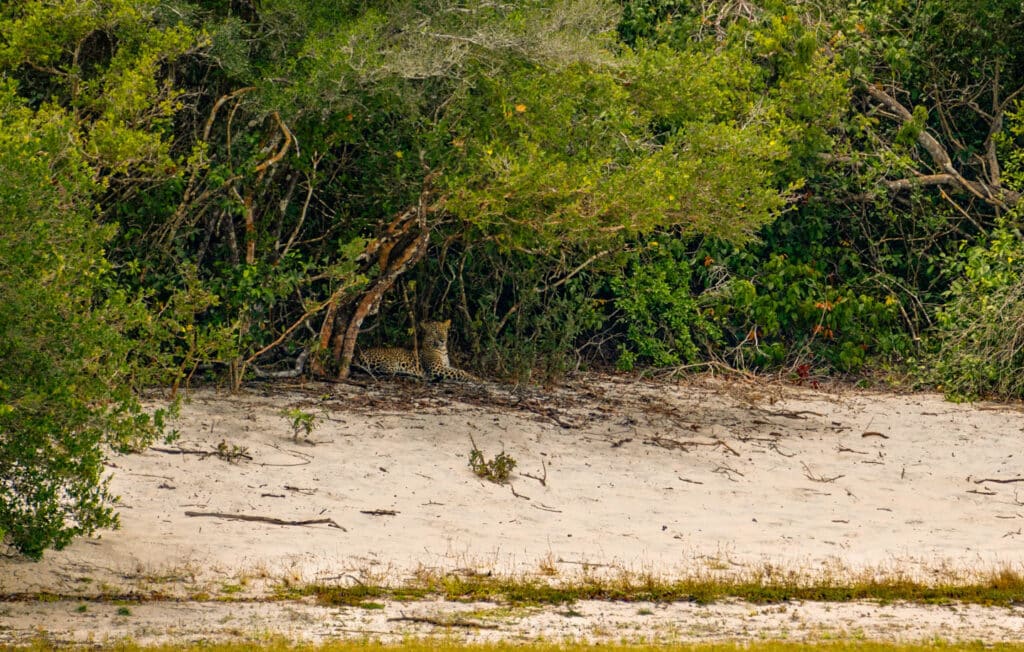
Planning a safari during the drier months? These Yala and Wilpattu safari tours are the most popular and well-rated wildlife tours in Sri Lanka’s Dry Zone — ideal when weather conditions improve visibility and animal movement.
How the Monsoons Interact With These Zones

Sri Lanka’s three climate zones are permanent climate regions, while the two monsoons move across these zones in different directions throughout the year. The map below clearly shows how the monsoons approach from opposite sides of the island and affect each climate zone in different ways.
🔹 Southwest (Yala) Monsoon – May to September
Direction: Moves from the southwest toward the Hill Country.
- Wet Zone (Southwest): Takes the full impact → heavy rain, rough seas, green landscapes.
- Intermediate Zone (Central area): Partially affected → occasional showers, but many sunny hours.
- Dry Zone (North & East): Completely sheltered → hot, dry, sunny. This is the best time for Trincomalee, Passikudah, Arugam Bay.
Traveller Tip: If you’re travelling between May and September, head to the East Coast—Arugam Bay, Trincomalee, Nilaveli, and Passikudah offer calm seas, sunshine, and ideal beach conditions.
Note: Tangalle and the southeast often see less rain than the central south.

🔹 Northeast (Maha) Monsoon – November to February
Direction: Moves from the northeast across the Dry Zone.
- Wet Zone (North & East): Receives most of the Maha rain → Trincomalee, Batticaloa, Jaffna get cloudier and wetter.
- Intermediate Zone: Remains fairly stable → scattered showers but mostly reliable.
- Dry Zone (Southwest): Becomes much drier → this is the peak beach season for Galle, Mirissa, Unawatuna, Hikkaduwa, Bentota.
Traveller Tip: This is the best time to visit the South & West Coasts—Galle, Mirissa, Unawatuna, Hikkaduwa, Bentota, Colombo, and Negombo enjoy perfect sunny beach weather.
Note: Arugam Bay receives less rain than Trincomalee, even during this monsoon.
For planning your stay along the southern coastline, explore our Galle guide and Unawatuna guide for neighbourhood tips and curated hotel recommendations.

🔹 Inter‑Monsoon Periods – April & October
These transitional months mark the shift between the Yala and Maha systems and can bring short but intense tropical storms.
- Thunderstorms can form anywhere.
- Fast‑moving clouds and tropical showers.
In summary, if you’re planning your trip around the Sri Lanka monsoon season: the map clearly shows how the monsoons “cross” the island. The Wet Zone gets rain during the southwest monsoon, and the Dry Zone gets rain during the northeast monsoon — while the Intermediate Zone stays relatively balanced all year.
This alternating system ensures that even during the Sri Lanka monsoon season, there is always good weather somewhere — a major reason why Sri Lanka is such an easy year‑round destination.

Monsoon Comparison: Southwest vs Northeast
| Monsoon | Timing | Main Impact Areas | Travel Recommendation |
|---|---|---|---|
| Southwest Monsoon (Yala) | May-September | South and West Coasts. Hill Country | Visit the East Coast for dry weather and calm seas. |
| Northeast Monsoon (Maha) | November-January | East Coast. North. Cultural Triangle | Visit the South and West Coasts for sunny beach weather. |
Summary: When one monsoon is active, the opposite coast stays dry — making Sri Lanka a true year‑round destination.
Should You Travel During the Sri Lanka Monsoon Season?
Travelling during the monsoon season can be wonderful — if you choose the right coast.
Pros & Cons for travelling during the Sri Lanka monsoon season
Pros
- Lower prices.
- Fewer crowds.
- Lush landscapes.
- Mostly short showers that can be common during some monsoon periods, though timing can vary depending on the region and season.
- More availability in boutique hotels.
Cons
- Rough seas on affected coasts.
- Some guesthouses close in low season.
- Rural road conditions may be affected.
- Wildlife visibility can be lower.

What This Means
Pick the coast in its dry season — but remember: Sri Lanka often has long sunny periods even during monsoons.
Verdict: The monsoon shouldn’t stop you.
Frequently Asked Questions About the Sri Lanka Monsoon Season
What is the Sri Lanka monsoon season?
The Sri Lanka monsoon season refers to two separate monsoon systems that affect different parts of the island at different times of the year. The Southwest (Yala) Monsoon runs roughly from May to September, bringing rain to the south, west and Hill Country. The Northeast (Maha) Monsoon occurs from November to January, mainly affecting the east and north. Because they alternate, there is always a dry region somewhere in Sri Lanka.
Is Sri Lanka safe to visit during the monsoon season?
Yes, Sri Lanka is generally very safe to visit during monsoon months — provided you choose the right region. The monsoons never impact the entire island at once, and many areas remain sunny and dry. Roads, hotels and transport continue operating normally. The main adjustment travellers need to make is selecting the coast that is in its dry season to ensure calm seas and optimal beach conditions.
Which months are the worst to visit Sri Lanka?
There is no truly “bad” month to visit Sri Lanka, but October is typically the most unpredictable due to the inter‑monsoon period. Short but intense thunderstorms can occur anywhere on the island, and humidity is often higher. April can also bring mixed conditions as weather systems shift. That said, travel is still possible — flexibility in your route simply becomes more important.
Can you swim in the sea during the Sri Lanka monsoon season?
Yes, swimming is absolutely possible — but only on the coast that is in its dry phase. During the Southwest (Yala) Monsoon from May to September, the East Coast offers calm, swimmable waters. From December to April, the South and West Coasts are ideal. On the affected coast, seas can become rough with stronger currents, making swimming less suitable.
Which monsoon is stronger: Yala or Maha?
The Southwest (Yala) Monsoon is generally stronger, bringing heavier rainfall and rougher seas to the south and west of the island. It can also create dramatic surf conditions along exposed beaches. The Northeast (Maha) Monsoon is usually lighter but may last longer in the east and northeast. Both systems are predictable, which makes planning around them relatively straightforward.
Does the Dry Zone stay dry all year?
The Dry Zone remains relatively dry for most of the year, especially during the Southwest Monsoon when it is fully sheltered. During the Northeast Monsoon, parts of the northeast can receive moderate rainfall, but the southeastern Dry Zone — including Yala and Tissamaharama — typically stays much drier. This makes safari parks in these regions a reliable option in many months.
What is the best time to visit Sri Lanka overall?
Sri Lanka is considered a year‑round destination because the two monsoons alternate between coasts. December to April is best for the South and West Coasts, while May to September is ideal for the East Coast. Cultural sites in the Intermediate Zone, including the Cultural Triangle and Kandy, are generally stable throughout the year, making them flexible additions to almost any itinerary.
Does Sri Lanka have a rainy season or multiple rainy seasons?
Sri Lanka has two distinct rainy seasons rather than one long wet period. The Southwest (Yala) Monsoon and the Northeast (Maha) Monsoon affect opposite sides of the island at different times. This alternating pattern is what allows Sri Lanka to remain a flexible travel destination, as there is usually a sunny coastline available regardless of when you visit.
Does monsoon mean all‑day rain in Sri Lanka?
No, monsoon weather in Sri Lanka rarely means continuous all‑day rain. Showers often arrive in short tropical bursts, typically in the afternoon or evening, followed by clear skies. Many mornings remain sunny even during wetter months. While seas can be rough on the affected coast, rainfall itself is often intermittent rather than constant.
Final Thoughts on Sri Lanka Monsoon Seasons
Understanding the Sri Lanka monsoon season is the key to choosing the right coast at the right time. With two monsoons affecting opposite sides of the island, Sri Lanka remains a true year‑round destination. Whether you’re chasing sunshine, planning a cultural route, or heading into the national parks for wildlife, there is always a region with the perfect conditions.
Instead of avoiding the monsoon months, use them to your advantage: enjoy quieter beaches, better prices, and some of the greenest landscapes the island has to offer. With this guide you can confidently plan a trip that matches the weather to your travel style.
Once you’ve chosen the right coast for your dates, continue with our guide ‘Best Hotels in Sri Lanka: How to choose where to stay — by region, travel style & value’ to confidently pick the right base for your itinerary.
Related Blogs
Weather and other practical blogs
Sri Lanka Weather by Month: What to Expect Each Season as Traveller
Sri Lanka Weather in January: Temperatures, Rainfall & Travel Tips
Sri Lanka Weather in April: Heat, Humidity & Where to Go
Sri Lanka Weather in June: Travel Tips for the Southwest Monsoon
Sri Lanka Weather in July: Where to Find Sun
Sri Lanka Weather in September: End-of-Monsoon Travel Tips
Sri Lanka Weather in October: Transitional Season Guide
Sri Lanka Weather in November: Should You Go?
Sri Lanka Weather in December: Temperatures, Rainfall & Travel Tips
Sri Lanka Travel Guide: Visa Requirements, Vaccination & Local Travel Tips
Is Sri Lanka Expensive to Travel? Budget, Costs & Money-Saving Tips for Your Trip
Getting Around Sri Lanka: Ultimate Guide to Transport, Trains, Tuk-Tuks & Easy Trip Planning
Other Sri Lanka Blogs
Sri Lanka Regions Explained: How to Choose the Best Areas for Your Trip
Sri Lanka Travel Itinerary: Custom Plans for Beach Lovers, City Explorers, and Wildlife Adventurers
Best Cities to Visit in Sri Lanka: A Practical Guide to Regions, Routes & City Bases
Best Hotels in Sri Lanka: How to choose where to stay — by region, travel style & value

Some links on this website are affiliate links. If you choose to book through one of them, I may earn a small commission — at no extra cost to you. This helps support the ongoing creation of independent travel guides and detailed destination content.