


Table of Contents
Sri Lanka weather in July often divides travellers into two camps: those who avoid it because of the monsoon, and those who understand how dramatically the island shifts from coast to coast. While the southwest officially sits in the Yala monsoon, the east coast steps into its sunniest season — warm seas, steady surf and long beach days.
Yet July is more nuanced than a simple “east good, west wet” rule. Even along the west coast, we experienced stretches of beautiful, clear weather despite the seasonal charts suggesting otherwise. That contrast is exactly what makes this month so interesting. With the right route, July can feel surprisingly balanced — beaches, wildlife and culture woven together without peak-season crowds.
This guide breaks down where conditions are most reliable, how each region behaves, and how to shape your itinerary around Sri Lanka weather in July rather than against it.
In a Rush?
These are my Favourite Hotels in July
- ⭐️⭐️⭐️ Water Garden Sigiriya – Sigiriya – Check Prices and Availability
- ⭐️⭐️ Dream Cliff Mountain Resort – Ella – Check Prices and Availability
- ⭐️ Regina Beach Bungalow – Trincomalee – Check Prices and Availability
Where to Go in July: Quick Regional Overview
Sri Lanka weather in July splits the island in two. While the southwest coast sits in the middle of the Yala monsoon, the east coast enjoys its sunniest and driest stretch of the year.
Before diving into detailed charts and climate data, this quick snapshot shows where conditions are most reliable — and which regions are better saved for another season.
| Region | Weather Stability | Best For | Recommendation |
|---|---|---|---|
| East Coast | ⭐⭐⭐⭐ | Beaches. surf. snorkelling | Best overall in July |
| Northern Province | ⭐⭐⭐⭐ | Culture. road trips. island hopping | Hot. dry and underrated |
| Cultural Triangle | ⭐⭐⭐ | Ruins. safari | Good with early starts |
| Central Highlands | ⭐⭐⭐⭐⭐ | Train rides. tea country | Scenic but showery |
| West Coast | ⭐⭐ | City breaks | Wet. humid. rough seas |
| South Coast | ⭐ | Beach holidays | Peak monsoon — avoid for swimming |
How July Compares to the Rest of the Year
July falls right in the middle of the southwest (Yala) monsoon, meaning the south and west coasts are wetter and windier, while the east coast is at its absolute best.
Compared to the first months of the year, conditions shift geographically. Instead of the south and west being the obvious choice, July is when travellers should pivot towards the east coast and parts of the north for sunshine and calm seas.
If you choose the right region, July can actually feel like peak season — just on the other side of the island. Understanding Sri Lanka weather in July is less about avoiding rain and more about choosing the right coastline.
Monsoon Split & Sunny East Coast Conditions
July sits firmly within the Southwest (Yala) monsoon, creating one of the clearest regional contrasts of the year. While the south and west experience regular rainfall and rougher seas, the east coast enters its most reliable beach season.
- Daytime Highs:
Island-wide averages range between 27°C and 31°C, with the north and east often feeling hottest under clearer skies. - Night-time Lows:
Temperatures typically hover between 24°C and 26°C, staying warm and humid after sunset. - The “Feel” Factor:
Humidity levels of 75–85% can make midday feel heavier, especially in Colombo and other coastal cities affected by monsoon showers. - Rainfall Patterns:
Expect 175–300 mm along the southwest coast, often in afternoon downpours. The east coast remains significantly drier, averaging just 50–100 mm. - Sea & Surf Conditions:
Sea temperatures sit around 28°C. The east coast offers calmer swimming and peak surf conditions, while the south and west see stronger currents and rougher waves.
This setup makes July ideal for travellers willing to shift eastward for sun, while still enjoying inland culture and wildlife between passing showers.
If the island’s dual monsoon system feels confusing, the Sri Lanka monsoon season guide explains exactly how the southwest and northeast patterns rotate throughout the year.

Regional Weather Breakdown in July
July weather in Sri Lanka looks very different depending on where you are. While the southwest experiences monsoon showers and rougher seas, the east coast enters its driest and sunniest stretch of the year.
Summary Table: July Temperatures & Rainfall by Region
Below, you’ll find a clear regional overview of average temperatures, rainfall levels and what that actually means for your trip — from beach days in Trincomalee to misty mornings in the Hill Country.
| Region | Avg Temp (°C) | Rainfall (mm) | Travel Notes |
|---|---|---|---|
| East Coast (Trincomalee. Arugam Bay) | 29–32°C | 50–100 | Sunny prime surf. snorkelling — top pick |
| North and Northeast (Jaffna. Mannar) | 28–33°C | 75–125 | Dry heat. heritage sites |
| Cultural Triangle (Sigiriya. Dambulla. Anuradhapura) | 27–32°C | 100–175 | Greenery boost. early ruins climbs |
| Central Highlands (Kandy. Ella) | 22–28°C | 150–220 | Misty trails. cultural immersion |
| West Coast (Colombo. Negombo) | 27–31°C | 175–250 | Humid downpours. urban sightseeing |
| South Coast (Galle. Mirissa) | 28–30°C | 200–300 | Monsoon rains. rough seas—fort explorations |
For a month‑by‑month breakdown of each region, the Sri Lanka weather by month guide shows average temperatures, rain, and best areas for every season
1. East Coast (Trincomalee, Nilaveli, Arugam Bay)

The east coast shines brightest in July, escaping the monsoon for reliable sun and balmy beach days. Trincomalee's bays glow under clear skies, Nilaveli's reefs beckon snorkellers, and Arugam Bay delivers world-class surf with consistent swells. Dry days stretch long, perfect for coastal drives or yoga retreats, with minimal disruptions. For beginners and intermediates wanting structured lessons during peak July swells, this Arugam Bay surf lessons with local instructor is one of the most reliable options during the dry east coast season.
If you want to explore Pigeon Island’s coral reefs without organising transport yourself, this Trincomalee snorkelling tour to Pigeon Island National Park runs daily in July’s calm seas and includes equipment and boat transfer.
Temperature: 29–32°C
Rainfall: Low, 50–100mm in short passes
Conditions: Calm seas (28°C), steady breezes, and sunny skies—excellent for surfing, diving, and beach lounging
Wear: Swimwear, rash guards, sunscreen, light cover-ups for evenings
Where to stay: Regina Beach Bungalow is a great July base thanks to its direct beachfront location in one of the driest and sunniest regions of the island during this month. Staying right on Uppuveli Beach means easy morning swims, calm seas, and quick access to snorkelling trips while the southwest coast sits in monsoon.
2. Northern Province (Jaffna, Mannar)

The north stays relatively dry in Sri Lanka weather in July, with Jaffna's temples baking under strong sun and Mannar's sands hosting migratory birds. Low humidity and breezy conditions suit island-hopping to Delft or dolphin watches, though occasional squalls pass quickly. This offbeat area rewards adventurers seeking uncrowded heritage sites.
Temperature: 28–33°C
Rainfall: 75–125mm, sporadic
Conditions: Gentle winds, dry trails, and hot sun—ideal for boating and exploration
Wear: Loose linens, hat, sunglasses, modest temple attire
Where to stay: The Thinnai Hotel is a comfortable northern base in July, offering spacious rooms and a calm retreat from Jaffna’s midday heat. Its central location makes it easy to explore temples, islands, and coastal sites while returning to air-conditioned comfort after long, sunny days.
3. Cultural Triangle (Sigiriya, Dambulla, Anuradhapura)

Ancient ruins in the Cultural Triangle benefit from Sri Lanka weather in July's greenery boost, with Sigiriya's lion rock climbable between light rains and Dambulla's caves sheltering from showers. Anuradhapura's stupas gleam post-downpour, though heat builds midday—best for early starts and hydration-focused history tours.
History lovers should not miss this in‑depth Sigiriya Sri Lanka guide.
Temperature: 27–32°C
Rainfall: 100–175mm, intermittent
Conditions: Light showers on dusty paths, warm air—suitable for early climbs and cave visits
Wear: Comfortable walking shoes, hat, light rain gear, full coverage for sites
Where to stay: Water Garden Sigiriya is a strong July choice in the Cultural Triangle, offering spacious villas set around tranquil waterways with direct views of Lion Rock. After early-morning climbs and safari drives, it’s an ideal place to cool off in your private plunge pool and relax away from the midday heat.
4. Central Highlands (Kandy, Ella, Nuwara Eliya)

Nestled in mist, the central highlands offer cooler conditions amid lush tea plantations and misty trails. Kandy's temple ceremonies persist through showers, Ella's hikes turn verdant and slippery, and Nuwara Eliya chills with fog—ideal for scenic train rides or cultural immersion over beach pursuits. Rain refreshes the air, enhancing post-shower views.
To plan misty escapes around showers, check the Kandy in Sri Lanka city guide, a complete Ella Sri Lanka hiking hub overview, and cool‑climate tips in the Nuwara Eliya travel guide.
Temperature: 22–28°C
Rainfall: Moderate, 150–220mm with afternoon mists
Conditions: Misty trails, slippery paths, and cool breezes—great for hiking with rain breaks
Wear: Layers, fleece for evenings, rain poncho, sturdy hiking boots
Where to stay: Dream Cliff Mountain Resort is a peaceful highland escape in July, perched above Ella’s misty valleys with sweeping mountain views. Its elevated setting feels especially refreshing after humid lowland days, making it a comfortable base for train rides and short hikes between showers.
5. West Coast (Colombo, Negombo, Kalutara)

The west coast endures humid, wet conditions during this monsoon phase, with Colombo's urban buzz interrupted by heavy tropical downpours and high humidity. Negombo's lagoons swell with rain, and Kalutara's beaches face choppy seas, making city sightseeing or Dutch canal tours better bets than sunbathing. Short bursts of sun emerge early morning, but expect sticky heat and evening floods.
City‑break fans can still enjoy Colombo and Negombo city highlights by planning around showers, using this detailed Negombo city guide for canals, churches, and beaches.
Temperature: 27–31°C
Rainfall: 175–250mm, frequent and intense
Conditions: Swelly seas, hazardous currents, and humid urban air—stick to pools or indoor spots
Wear: Breathable cottons, umbrella or poncho, insect repellent, closed sandals
Where to stay: Villa Shade is a practical and comfortable west coast base in July, especially for a short stop near the airport. With its pool and quiet garden setting, it offers a calm retreat between tropical downpours before heading east toward drier regions.
6. South Coast (Galle, Mirissa, Hiriketiya)

July brings the peak of the southwest monsoon to Sri Lanka's south coast, turning idyllic beaches into rainy retreats. Galle's historic fort gets dramatic downpours, while Mirissa and Hiriketiya see frequent afternoon showers that can flood low-lying areas, though mornings often start with brief sun. This region suits culture seekers who pivot to indoor fort explorations or whale-watching tours between rains, but beach days require flexibility.
If you still plan to pass through despite the rain, this Galle Sri Lanka guide and an Unawatuna Sri Lanka beach guide help you make the most of short dry spells around the fort and bay.
Temperature: 28–30°C
Rainfall: High, 200–300mm with daily showers
Conditions: Rough waves and strong winds—not ideal for swimming or water activities
Wear: Lightweight rain jacket, quick-dry clothes, waterproof shoes, sun hat for rare clear spells
Where to stay: Rockside Cabanas offers a peaceful cliffside setting above the waves, making it a comfortable south coast option in July despite monsoon conditions. While swimming can be limited, its elevated sea views and relaxed atmosphere work well for short cultural stops near Galle Fort.
Season Strategy: Where to Go in July
July demands a monsoon-smart route: anchor on the sunny east coast while weaving in inland culture and wildlife, skipping the wet southwest for efficiency. This positions Arugam Bay as the hero for first-time travellers chasing sun amid rains.
For a 7-14 day trip, start east for beaches/surf, loop cultural sites, end with wildlife—maximising dry zones (50-100mm rain) over soggy southwest (200-300mm). Fly into Colombo, train/bus east quickly. Sample routes in the main Sri Lanka travel itinerary guide, plus focused Sri Lanka travel itinerary 10 days and Sri Lanka travel itinerary 2 weeks, can be tweaked to follow July’s drier east‑and‑inland pattern.

Prioritize:
- East Coast: Arugam Bay (surf, yoga), Trincomalee/Nilaveli (snorkel, Pigeon Island), Pasikudah beaches.
- Wildlife: Minneriya/Kaudulla safaris for elephant gatherings.
- Culture: Sigiriya climb, Dambulla caves (dry enough mornings).
Add:
- Central Highlands: Quick Kandy temple/Esala Perahera, Ella train views (pack rain gear).
- North: Jaffna temples if time allows (low rain).
Skip or Minimize:
- South Coast (Galle, Mirissa): Heavy rains, rough seas.
- West Coast (Colombo, Negombo): Urban floods, humidity.
This east-focused strategy turns Sri Lanka weather in July into a win: 80% sun time, diverse thrills, low crowds—book Arugam Bay surf now for peak waves!
Is July a Good Time to Visit Sri Lanka?
July can be a fantastic time to visit Sri Lanka — if you plan your route carefully. While the southwest coast sees active monsoon showers and rougher seas, the east coast enjoys some of the sunniest and driest beach conditions of the year.
Like every month on the island, July comes with clear advantages and a few trade-offs. Below, you’ll find the main pros and cons to help you decide whether July fits your travel style and expectations.
Pros and Cons of Visiting Sri Lanka in July
Pros of Sri Lanka Weather in July
- East coast delivers prime sunny Sri Lanka weather in July—dry 29-32°C days, 7-8 sunshine hours, perfect for Arugam Bay surfing and Trincomalee snorkelling with fewer crowds.
- Peak wildlife season: Minneriya National Park's elephant gatherings draw hundreds amid dry conditions, ideal for safaris. For detailed safari planning, there are dedicated guides to Udawalawe for elephants and Wilpattu safari experiences in the island’s largest national park.
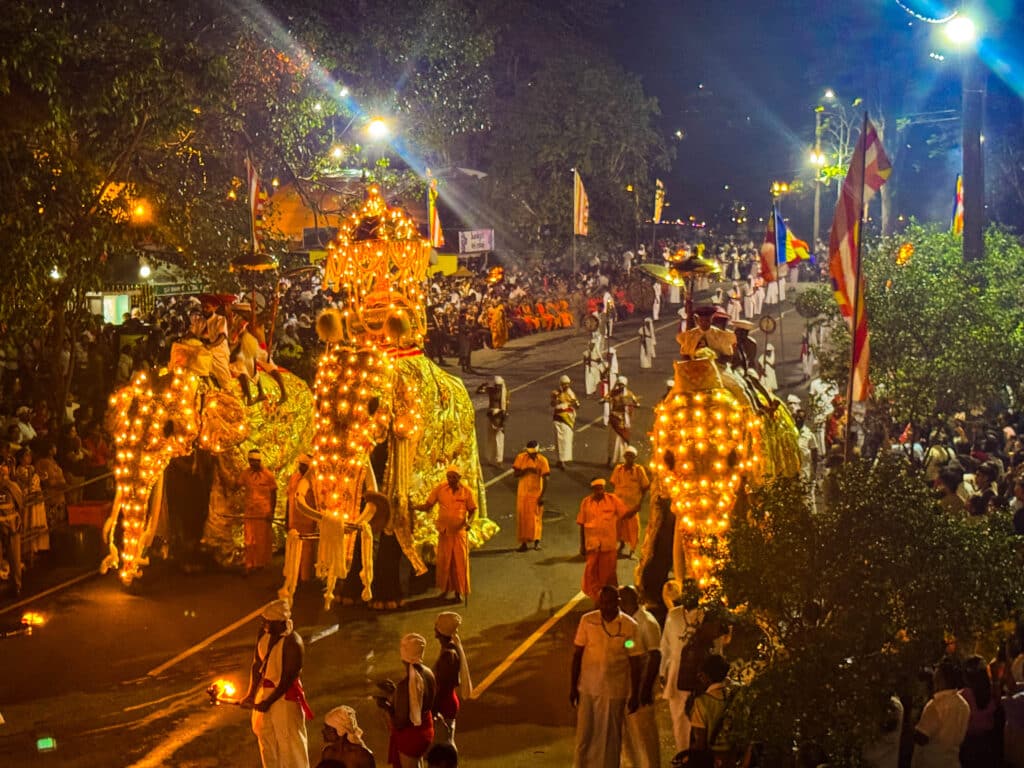
- Cultural festivals like Esala Perahera in Kandy offer vibrant processions, enhanced by lush monsoon greenery.
- Lower prices on accommodations and flights during shoulder monsoon, great value for first-time travellers. To choose the right base for east coast sun or Cultural Triangle safaris, this Best Hotels in Sri Lanka by Region and Travel Style guide helps you compare locations strategically.
- Diverse options: Sunny beaches east, misty highlands for hikes, avoiding peak-season busyness.
Cons of Sri Lanka Weather in July
- Southwest monsoon hits south/west coasts hard—200-300mm rain, rough seas in Galle/Mirissa disrupt beach plans.
- High humidity (75-85%) feels sticky nationwide, especially Colombo's urban downpours and floods.
- Unpredictable showers limit outdoor activities in central highlands like Ella trails, requiring flexibility.
- Rough west/south seas unsafe for swimming; east focus means longer travel for full-island itineraries.
For sun-seekers prioritizing east coast vibes, Sri Lanka weather in July trades rain risks for epic surf and wildlife—smart for flexible adventurers over all-island dry seekers.
Packing and Travel Tips
Pack light for Sri Lanka weather in July: breathable cottons, waterproof jacket, high-SPF sunscreen, swimwear, and temple-covering clothes. Quick-dry gear handles showers.
Before you fly, confirm your entry visa to Sri Lanka, recommended injections for Sri Lanka, and current guidance on whether it is safe in Sri Lanka for your travel dates. To estimate how July’s shoulder-season pricing affects your budget, read Is Sri Lanka Expensive to Travel?
Stay safe: Monitor forecasts, avoid rough seas, use reef-safe sunscreen. East coast roads suit scooters; book eco-lodges early.
- Lightweight clothes and rain poncho.
- Surfboard wax/rash guard for Arugam Bay.
- Insect repellent, hat, reusable water bottle.
- Temple sarong and modest attire
Best Things to Do in Sri Lanka in July
With sunny east coast escapes amid southwest monsoon rains, July excels for surf, wildlife gatherings, and cultural festivals. The dry east draws beach lovers, while inland parks and highlands offer lush adventures—perfect for first-time travellers chasing sun and unique experiences like elephant herds. Flexible itineraries shine, blending outdoor thrills with rain-proof culture.
To connect east coast surf towns, hill country stations, and ancient cities efficiently, follow this getting around Sri Lanka transport guide for trains, buses, and private drivers

East Coast
- Surfing in Arugam Bay (peak swells, lessons for all levels)
- Snorkelling at Nilaveli and Trincomalee reefs
- Beach lounging in Pasikudah
- Dolphin and whale watching tours
Highlands
- Kandy-Ella scenic train ride: Seats sell out quickly even in monsoon months, so pre-booking this Kandy to Ella reserved scenic train ticket avoids standing for the full journey.
- Little Adam’s Peak hike in Ella
- Tea factory tours near Nuwara Eliya
- Esala Perahera festival in Kandy
Wildlife Activities
- Elephant gathering at Minneriya National Park: July is peak gathering season, and this Minneriya National Park 4×4 safari with hotel pickup gives you the highest chance of seeing large elephant herds during the dry-zone migration period.
- Safaris in Kaudulla National Park
- Birdwatching in Bundala
Cultural Activities
- Sigiriya Rock Fortress climb
- Dambulla Cave Temples exploration
- Galle Fort walks (rainy charm)
- Kataragama Festival rituals
Travelling to Sri Lanka in July? Check out these great itineraries.
July travel in Sri Lanka requires a smart route. Our itineraries are designed to help you follow the sunshine — focusing on the east coast, northern regions and the Cultural Triangle, while avoiding the heaviest southwest monsoon areas.
Here are suggested travel plans for different trip lengths:
- Sri Lanka itinerary 10 days: A well-balanced route combining the Cultural Triangle with the sunny east coast — ideal for beaches in Trincomalee and ancient sites like Sigiriya.
- Sri Lanka itinerary 14 days: A more comprehensive journey including the east coast, wildlife safaris and selected highlights of the Hill Country, while limiting time along the wetter south and west coasts.
Frequently Asked Questions Sri Lanka Weather in July
Is July a good time to visit Sri Lanka?
Yes, if you plan around the monsoon split. Sri Lanka weather in July brings rain to the south and west, but the east coast enjoys its driest and sunniest conditions. Travellers who focus on Trincomalee, Arugam Bay and parts of the north can expect beach-friendly weather, warm seas and fewer crowds than peak winter months.
Where is the best place to visit in Sri Lanka in July?
The east coast is the most reliable choice in July. Areas such as Arugam Bay, Trincomalee and Nilaveli offer sunny days, calmer seas and excellent snorkelling and surfing conditions. The Northern Province is also relatively dry, making it a good option for cultural trips and quieter road journeys.
Does it rain a lot in Sri Lanka in July?
Rainfall depends entirely on the region. The southwest coast, including Colombo and Galle, experiences regular monsoon showers and rough seas. In contrast, the east coast remains significantly drier, with only occasional short showers. Planning your route around this regional contrast is key to enjoying Sri Lanka weather in July.
Can you swim in Sri Lanka in July?
Swimming is best on the east coast, where seas are generally calmer and safer during July. Beaches around Nilaveli and Pasikudah are particularly suitable. On the south and west coasts, monsoon winds create stronger currents and rougher waves, making swimming less reliable and sometimes unsafe.
What should I pack for Sri Lanka in July?
Pack lightweight, breathable clothing for warm tropical days, along with a light waterproof jacket for occasional showers. Include high-SPF sunscreen, swimwear, insect repellent and modest clothing for temple visits. If visiting the highlands, bring a light layer for cooler evenings and misty mornings.
Are there festivals or wildlife highlights in July?
July is a strong month for wildlife and culture. The elephant gatherings in Minneriya are often at their peak, and Kandy’s Esala Perahera brings colourful evening processions. Combined with sunny east coast beach time, Sri Lanka weather in July allows you to balance surf, safari and cultural experiences in one trip.
Final Thoughts on Sri Lanka Weather in July
Sri Lanka weather in July is less about avoiding rain and more about understanding the island’s rhythm. Choose the east for dependable beach days, weave in the Cultural Triangle for early-morning climbs and safari drives, and treat the southwest with flexibility rather than fear. Even during monsoon season, windows of sunshine can surprise you.
For travellers who are willing to adapt their route, July offers a compelling mix of surf, wildlife and cultural depth — without the intensity of high-season crowds. From here, the next step is simple: map your route coast by coast and let the weather guide your direction rather than dictate your plans.
Related Blogs
Weather and other practical blogs
Sri Lanka Weather by Month: What to Expect Each Season as Traveller
Sri Lanka Monsoon Seasons Explained: Southwest vs Northeast
Sri Lanka Weather in January: Temperatures, Rainfall & Travel Tips
Sri Lanka Weather in April: Heat, Humidity & Where to Go
Sri Lanka Weather in June: Travel Tips for the Southwest Monsoon
Sri Lanka Weather in September: End-of-Monsoon Travel Tips
Sri Lanka Weather in October: Transitional Season Guide
Sri Lanka Weather in November: Should You Go?
Sri Lanka Weather in December: Temperatures, Rainfall & Travel Tips
Sri Lanka Travel Guide: Visa Requirements, Vaccination & Local Travel Tips
Is Sri Lanka Expensive to Travel? Budget, Costs & Money-Saving Tips for Your Trip
Getting Around Sri Lanka: Ultimate Guide to Transport, Trains, Tuk-Tuks & Easy Trip Planning
Other Sri Lanka Blogs
Sri Lanka Regions Explained: How to Choose the Best Areas for Your Trip
Sri Lanka Travel Itinerary: Custom Plans for Beach Lovers, City Explorers, and Wildlife Adventurers
Best Cities to Visit in Sri Lanka: A Practical Guide to Regions, Routes & City Bases
Best Hotels in Sri Lanka: How to choose where to stay — by region, travel style & value
Some links on this website are affiliate links. If you choose to book through one of them, I may earn a small commission — at no extra cost to you. This helps support the ongoing creation of independent travel guides and detailed destination content.